Arrow 2 Isn't a Video Tool, But Its New Animation Feature Is Built for Title Sequences
QuiverAI's Arrow 2 isn't a video tool, but its new Micro Animations feature targets the same work motion graphics artists do by hand for titles.

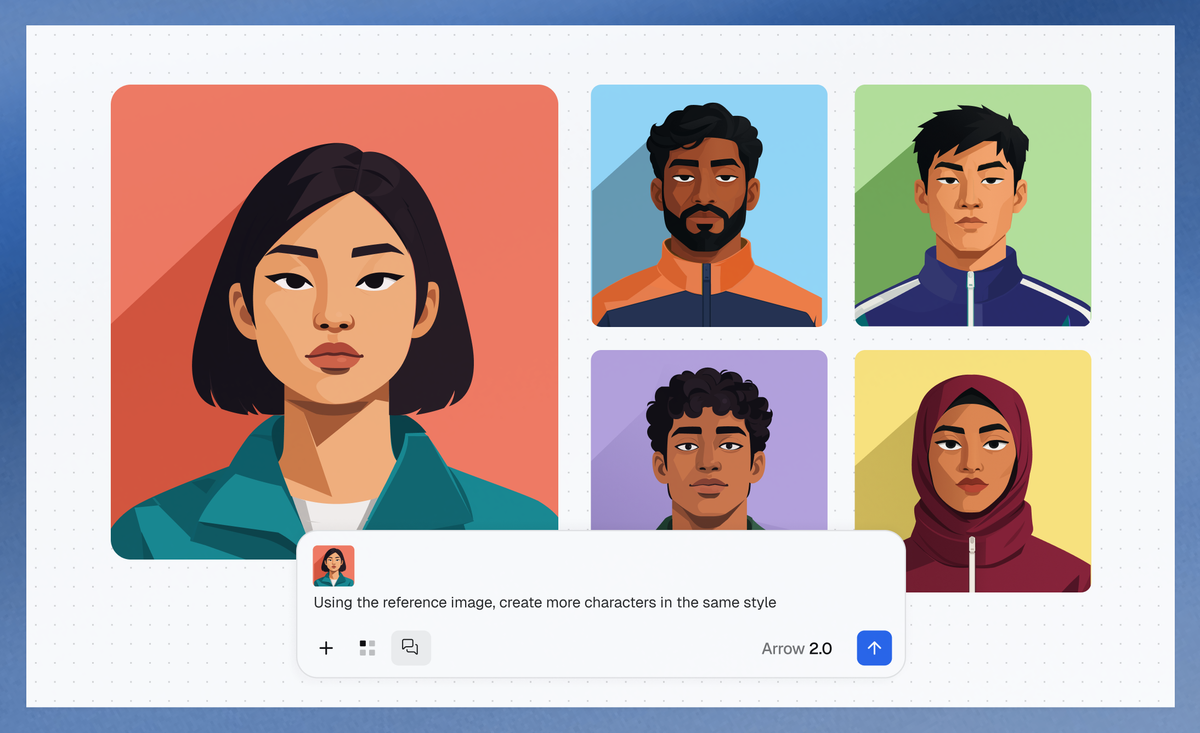
QuiverAI released Arrow 2 and Arrow 2 Telos, its latest models for generating and animating editable SVG vector graphics. It's fundamentally a design tool, illustrations, logos, technical line work, not a video generator. But one specific addition, Micro Animations, targets exactly the kind of motion graphics work that shows up in title sequences and branded intros.
What Arrow 2 Actually Does
QuiverAI's underlying approach hasn't changed: vectors get built through code rather than approximated from raster pixels, meaning every output is a genuinely editable SVG rather than a flattened image that happens to look vector-like. Arrow 2 improves that foundation with cleaner geometry (fewer, more precise control points, less overlapping path mess) and stronger compositional instincts, elements respecting spacing and alignment without heavy prompt engineering.
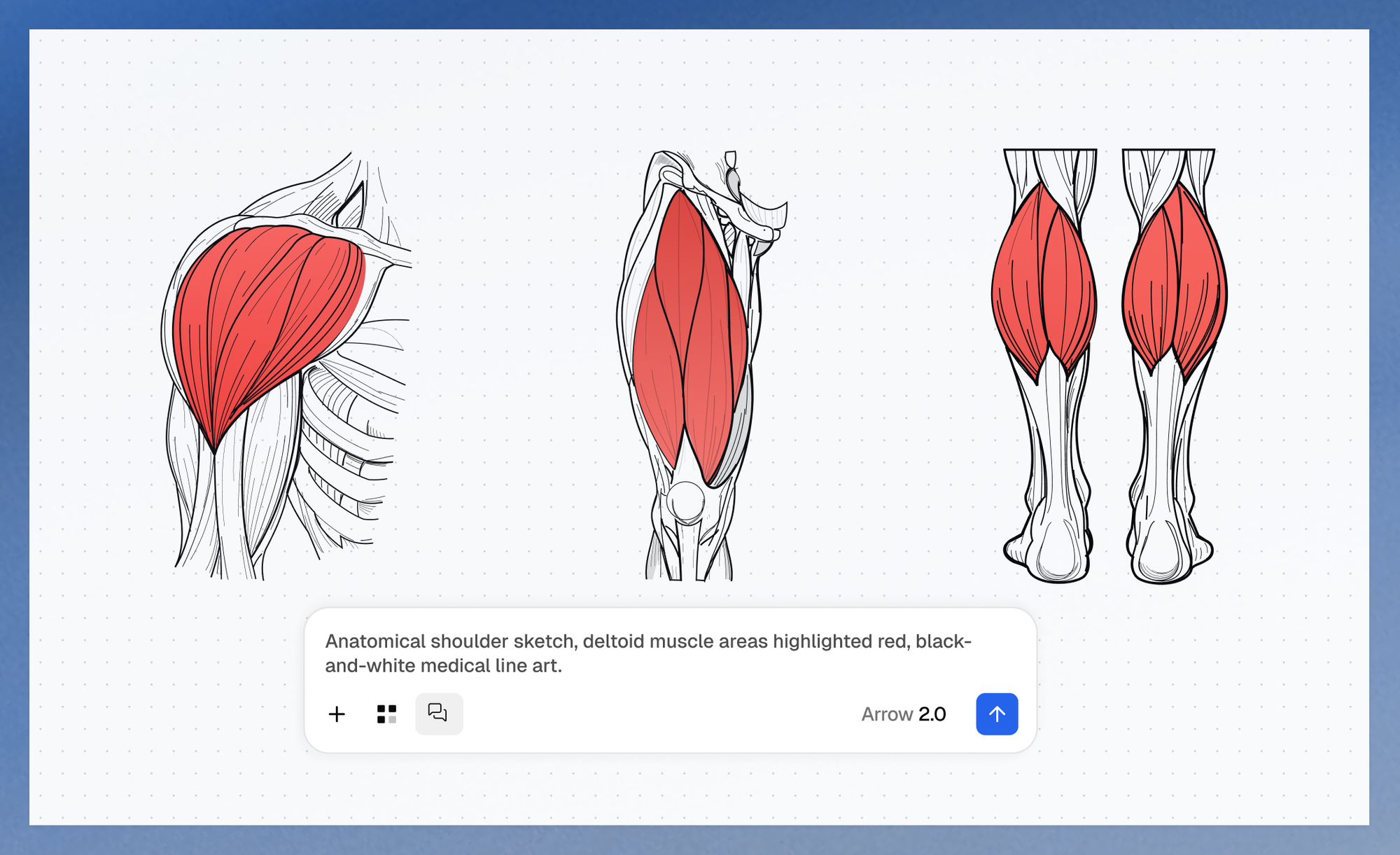
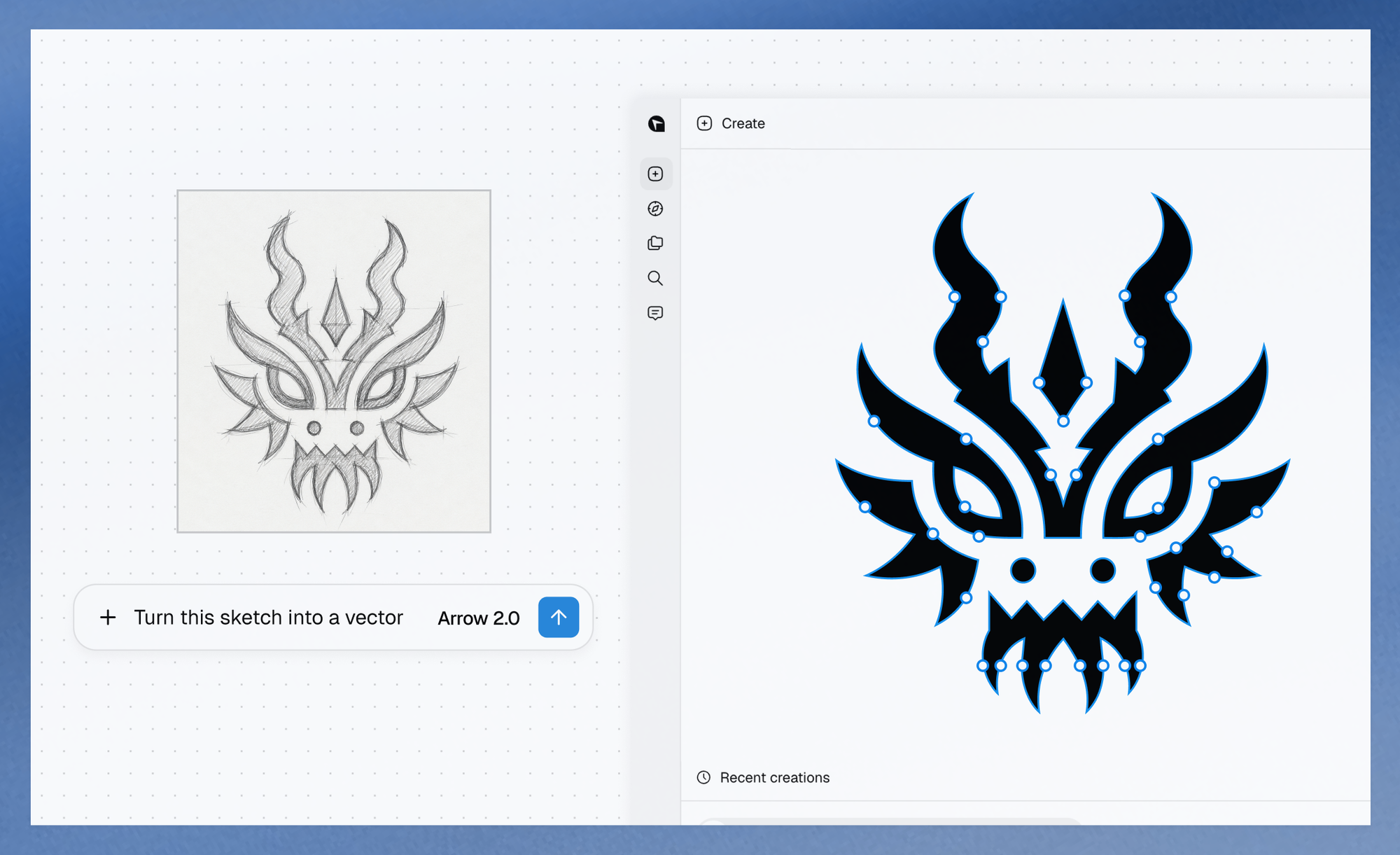
The practical use cases QuiverAI demonstrates span illustrations that hold a consistent style across variations, technical line drawings that stay structurally consistent for direct comparison, and vectorization, converting a hand-drawn sketch or raster reference into a clean, editable SVG a team can actually refine and reuse.
Micro Animations: The Actual Filmmaking Connection
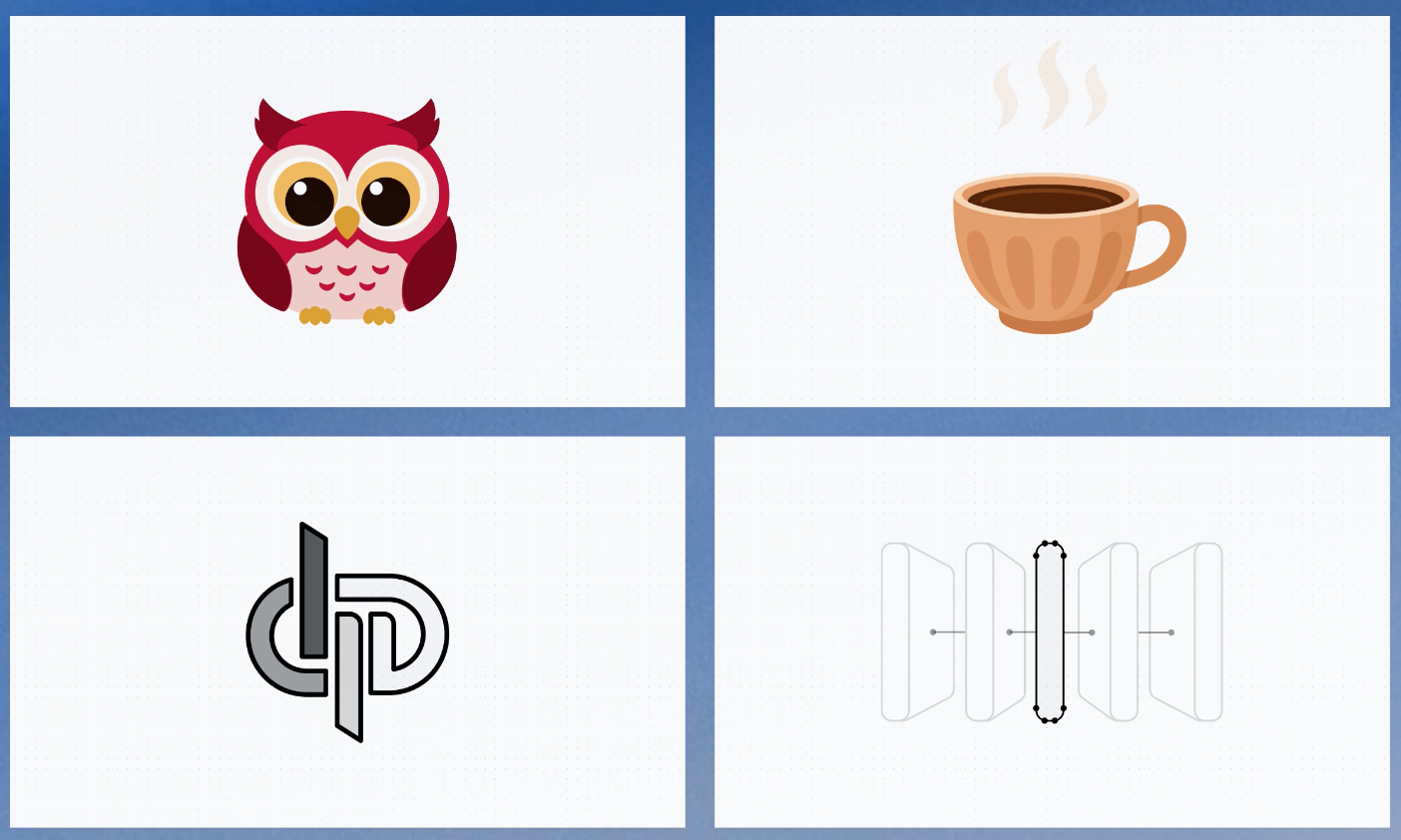
This is the feature worth knowing about specifically. Arrow 2 can now animate the shapes and groups already present within an SVG, generating motion for logo reveals, loading states, animated icons, and general motion graphics work. It's built around structured, flat artwork rather than complex illustration, which lines up well with how a lot of title card and lower-third design actually works: clean vector shapes that need to move with intention, not photorealistic animation.
For a filmmaker or editor building their own opening titles or an animated logo sting without a dedicated motion graphics artist on the team, this is a genuinely relevant capability, even though it lives inside a design tool rather than a video-specific one.
The Two-Model Split
Arrow 2 is the faster, cheaper default, built for speed and cost efficiency on straightforward briefs. Arrow 2 Telos combines that same infrastructure with deeper reasoning from frontier-model-scale processing, a roughly 1.05 million token context window versus Arrow 2's 131,072, aimed at harder briefs involving complex styles or compositions that benefit from additional refinement. Telos costs 50% more per API call than standard Arrow 2.
QuiverAI's own guidance is straightforward: use Arrow 2 when speed and per-asset cost matter most, reach for Telos when a brief genuinely needs the extra depth.
Competitive Context
AI image generation has mostly focused on raster output, and getting a genuinely clean, editable vector file out of a generative tool has remained a narrower, less-solved problem. QuiverAI's models previously topped the SVG Arena leaderboard, and the underlying research lineage traces back to work on SVG generation including StarVector, giving this a real technical foundation rather than a repackaged raster-to-vector converter.
The Signal in the Noise
The honest framing here is that Arrow 2 solves a design problem, not a video problem, but design and motion graphics overlap more than the category labels suggest. A clean, structurally sound SVG that can be directly animated is a genuinely useful building block for title design work, whether that means generating the base artwork faster or handling the reveal animation itself.
Would a tool like this change how you'd approach building your own title cards or logo stings without a dedicated motion designer, or does that work still feel like it needs a human's hand on the animation specifically?
Specs & Pricing
- Release: Arrow 2 and Arrow 2 Telos, by QuiverAI, September 17, 2026
- Core improvements: faster generation, cleaner geometry, stronger compositional instincts, direct SVG editing, new Micro Animations for shapes and groups
- Arrow 2 context window: 131,072 tokens
- Arrow 2 Telos context window: ~1.05 million tokens (~8x larger); API pricing runs 50% higher than standard Arrow 2
- Access: available now in QuiverAI's App and API
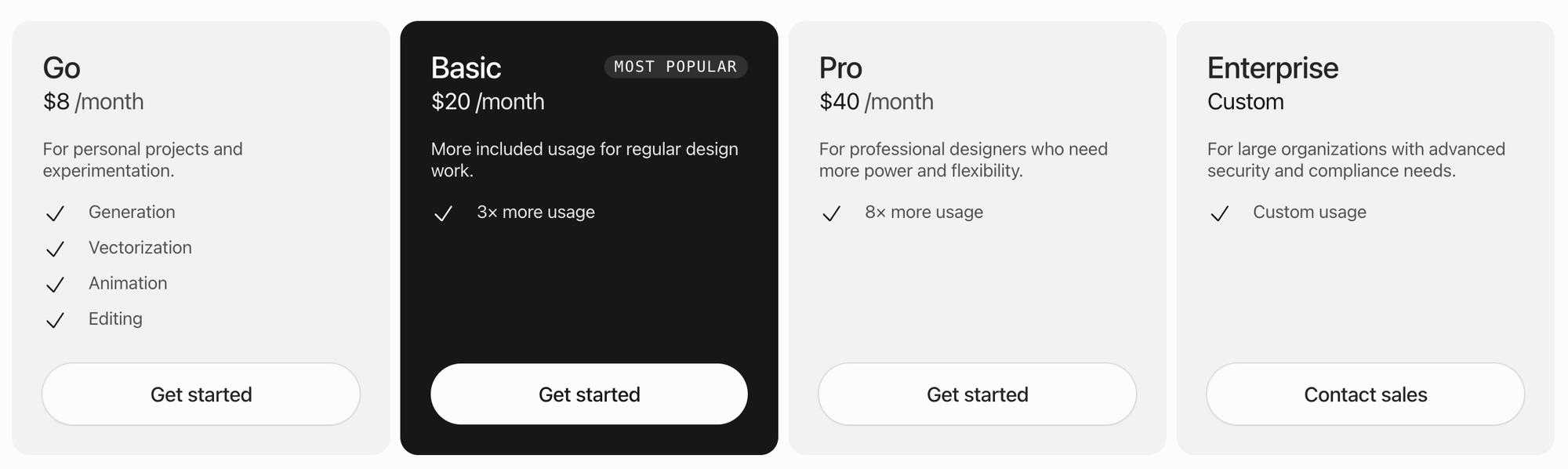
- Pricing structure: free app plan (200 weekly credits, personal/non-commercial use); paid app tiers for higher weekly capacity; API uses separate prepaid credits (default $0.01/credit, cost varies by model and operation)