A 20-Year-Old Made a $10M Movie in His Bedroom. Then It Made $118M Opening Weekend.
Kane Parsons built A24's biggest-ever opening weekend from a YouTube channel and free software. He's not the only one. Here's what his career — and others like it — actually tells us about launching in film.

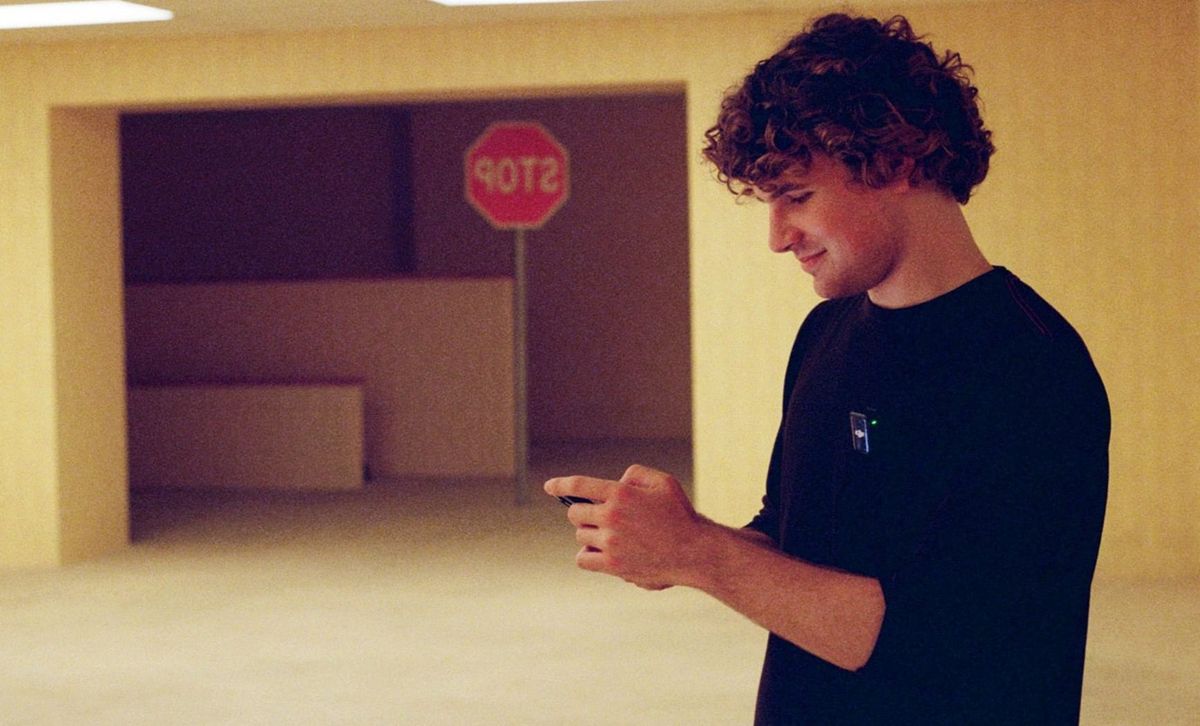
Kane Parsons didn't go to film school. He didn't have industry connections. He had Blender, After Effects, a YouTube channel, and a specific vision. Last weekend, his debut feature became the biggest opening in A24's 14-year history.
Backrooms opened May 29 to $81.4 million domestically and $118 million worldwide. It is A24's biggest debut ever — more than triple the previous record held by Alex Garland's Civil War. The production budget was under $10 million. The director is 20 years old and has never taken a film class.
Kane Parsons, known online as Kane Pixels, started posting Backrooms videos on YouTube in January 2022 when he was 16. He built the mythology, directed the shots, handled the VFX himself using Blender and Adobe After Effects, and published to a channel that would grow to millions of subscribers. A24 came calling before he finished high school. He chose the film deal over college applications.
Those are facts. What you do with them is up to you.
What Parsons Actually Did
The path from Kane Parsons' bedroom to A24 was not luck dressed up as talent. It was a specific set of decisions, made over years, that are worth looking at clearly.
He picked a lane. The Backrooms mythology — eerie, liminal spaces, found footage aesthetic — was an established internet phenomenon when Parsons started making his series. He didn't invent the concept. He built a sustained, high-quality visual interpretation of it that stood out from everything else in the space. Consistency and craft over time, not a single viral moment.
He learned tools that matter. Blender is free. After Effects is available through Adobe's Creative Cloud student plan. The VFX work in Parsons' YouTube series — which drove the industry attention that led to the A24 deal — was done with software anyone reading this can access today. The barrier wasn't tools. It was the willingness to learn them deeply enough to produce something that looked like it cost more than it did.
He published consistently and publicly. Parsons has described YouTube as "how I know how to do any of the stuff I do." The platform wasn't a stepping stone he used to get somewhere else. It was where he learned to make films, in public, with an audience giving him real feedback on every upload.
He held his creative vision when the industry came to him. When A24 optioned the Backrooms IP during his senior year of high school, Parsons chose to pursue filmmaking immediately rather than go through a traditional academic path. He's been specific in interviews about maintaining creative control as a condition of working with the studio — and A24, to their credit, gave it to him.
He's Not the First
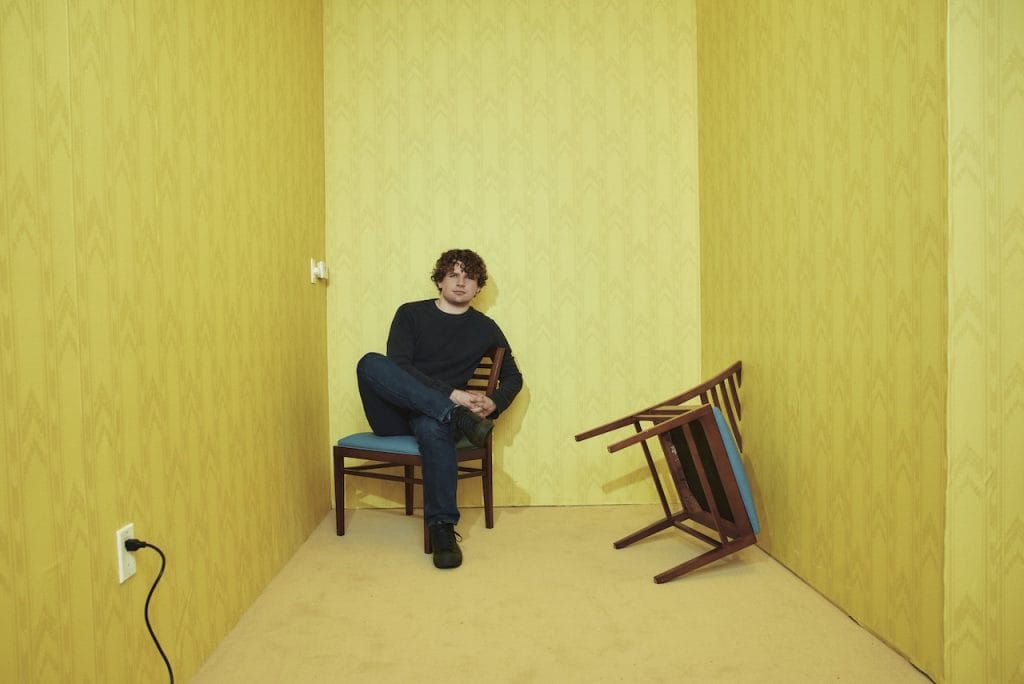
Parsons is the most recent and most dramatic example of a pattern that has been building for over a decade.
Danny and Michael Philippou — the Australian twin brothers behind the YouTube channel RackaRacka — spent ten years making action-comedy videos online before directing their first feature. They picked up a camera at age 11 to film backyard wrestling videos and launched RackaRacka in 2013, treating every upload as an informal film school. Their feature debut, Talk to Me, grossed $92 million worldwide on a $4.5 million budget after selling at Cannes and getting picked up by A24. Their follow-up, Bring Her Back, came out in 2025. They now have a Talk to Me sequel in development and a deathmatch wrestling documentary almost finished filming.
Danny Philippou has said they never intended to be YouTubers — they wanted to make feature films, and YouTube was the avenue that gained momentum. That reframe is worth sitting with: the platform as a production training ground, not a destination.
Mark Fischbach — Markiplier — made his directorial debut this year with Iron Lung, adapted from a video game, financed independently through his existing audience. It holds the record for the most fake blood used in a single production and is a genuine horror film made outside the studio system entirely. His audience funded it. His platform made it possible.
The through-line in all of these careers is the same: sustained public output, platform-native storytelling, tools mastered over time, and creative work that demonstrated a specific vision before anyone with money showed up.
What This Means for Anyone Starting Now
The traditional film industry pipeline — film school, assistant jobs, short film festival circuit, industry networking, years of waiting — still exists and still works for some people. But it has never been the only path, and in 2026 it may be the slowest one available.
The tools to make something that looks professional are free or close to it. Blender. DaVinci Resolve. CapCut. Adobe Creative Cloud. The distribution infrastructure to reach a real audience is free. YouTube. TikTok. Instagram. The ability to build an audience around a specific creative vision, document the process publicly, and develop your craft while that audience watches — that's available to anyone with a camera and an internet connection.
None of this means it's easy. Parsons posted consistently for years before anyone in the industry noticed. The Philippous spent a decade making YouTube videos before Talk to Me. Fischbach built an audience over more than ten years before he made a film. The timeline on these careers is long. The work is real. The barriers are just different now.
The question for anyone who wants to make films, video content, or build a creative career isn't whether the traditional path is still valid. It's whether the work you're putting out right now is building toward something — and whether the platform you're using to distribute it is working for you the same way YouTube worked for Kane Parsons.
He was 16 when he posted the first Backrooms video. He's 20 now, and his film is the number one movie in the world.