YouTube Is Purging AI Slop at Scale. Here's What That Means for Legitimate Creators.
Google terminated 130,000 YouTube channels in six months using a pattern-matching system called S-CTS. Here's how the system works — and why legitimate creators who use AI tools responsibly should understand it.

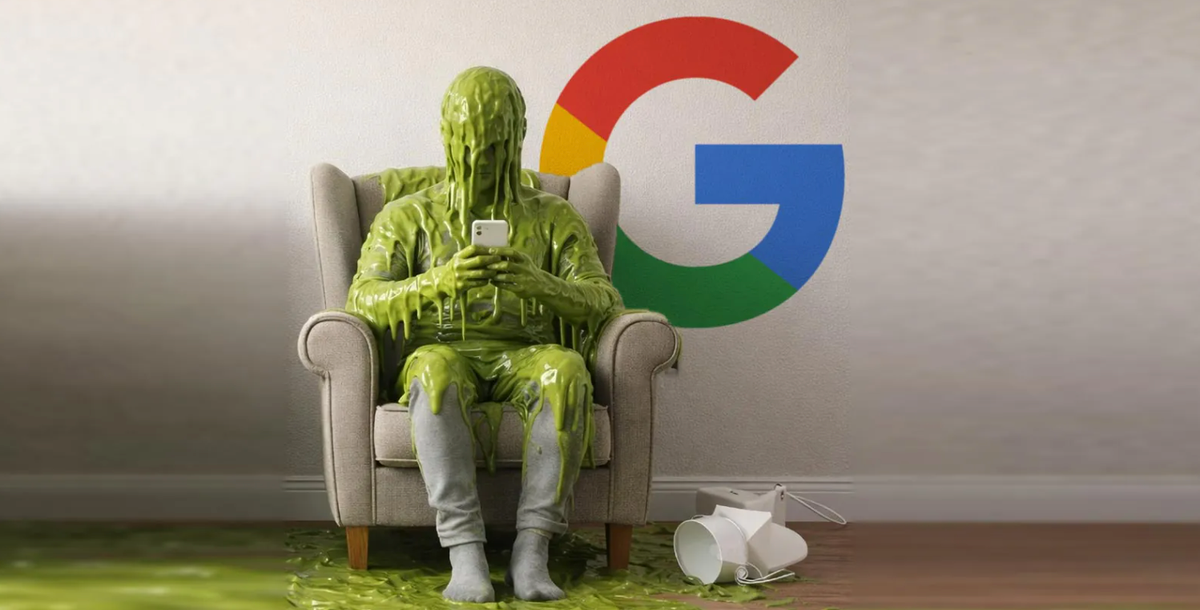
Google researchers have published a paper describing the system apparently behind YouTube's mass removal of AI-generated spam channels — and the numbers are significant. Over six months, the system terminated 50,000 coordinated clusters covering 130,000 channels. The paper was surfaced by Jim Louderback's Inside the Creator Economy newsletter and analyzed further by Search Engine Journal.
The system is called the Scalable Cluster Termination System, or S-CTS. Its official paper title is "Scalable Detection of Adversarial Synthetic Slop and Coordinated Media Abuse: A LoRA-Enabled Multimodal Defense System." One important caveat before going further: Google does not always confirm which research systems are deployed in production or where they run. Treat this as published research describing how such a system would work, not a confirmed description of live YouTube infrastructure.
How S-CTS actually works
The key shift from previous enforcement approaches is scale. Rather than evaluating one video at a time for policy violations, S-CTS asks a different question: is a group of accounts sharing the same AI-generated template?
The system uses two components in combination. A content classifier spots templated, scripted narratives — it uses text embeddings to detect non-human publishing frequency and semantic patterns that suggest the same origin script or API is generating content across multiple accounts. An infrastructure component then groups accounts that share those underlying patterns, and when enough accounts in a cluster reuse the same generative fingerprint, the entire cluster gets terminated together.
The paper reports a less than 1% overturn rate on terminations and a 32% reduction in cluster validation time compared to human review. The system also uses Low-Rank Adaptation (LoRA) to update its defenses quickly when spammers switch to a new generative model — without retraining the whole system from scratch. That adaptability is the part worth noting: this isn't a static rule set that bad actors can learn to route around once.
Why this aligns with what YouTube has been saying publicly
In his January 2026 letter, YouTube CEO Neal Mohan wrote that the company is "actively building on our established systems that have been very successful in combatting spam and clickbait, and reducing the spread of low quality, repetitive content." That's the same six-month window the paper covers. Separate reporting tracked 16 high-reach channels wiped or removed during that period — channels that collectively held roughly 35 million subscribers and 4.7 billion lifetime views.
YouTube has been explicit that AI itself isn't the target. AI-assisted work with real human input and proper disclosure stays eligible for monetization. The stated target is mass-produced, templated content with no genuine human creative contribution.
The part that should concern legitimate creators
Here's where the nuance matters for anyone making content professionally.
Louderback's analysis makes a point worth sitting with: the same behaviors that make a legitimate media operation efficient — shared templates, synced upload schedules, common production infrastructure across multiple channels — can look identical to a coordinated slop factory to a pattern-matching system. S-CTS is detecting coordination signals, not creative quality. A production company that runs multiple channels under shared infrastructure, publishes on a consistent schedule, and uses the same editorial template across content could theoretically match the same pattern as a spam network.
The 1% overturn rate sounds low — until you do the math. One percent of 50,000 clusters is 500 clusters that appealed and won. That figure only counts creators with the resources to appeal and succeed. Anyone who never appealed, appealed and lost, or simply rebuilt somewhere else isn't included. And a successful appeal doesn't restore the subscribers, views, and algorithmic momentum lost while a channel sat dark during the process.
There's also a separate concern worth flagging that runs parallel to S-CTS: reporting has noted that YouTube's algorithm appears to favor videos with real human faces on camera. That's not the same distinction as human-made versus AI-made — it penalizes faceless creators who produce everything themselves, from voiceover explainers to ambient content and tutorials, without ever using generative AI at all.
The broader pattern beyond YouTube
The cluster-level detection logic doesn't appear to be limited to video. SEO analysts tracking sites running scaled AI content have documented a recurring shape: rapid growth, a traffic peak, then a steep collapse once Google's systems accumulate enough signal. The S-CTS paper cites Sentence-BERT as a tool for catching AI-generated text that's been surface-reworded but retains the same underlying semantic structure — which suggests this kind of coordinated detection could reach web publishing as easily as video.
What this means in practice
For creators using AI tools responsibly — as part of a production process that involves genuine human judgment, editorial decisions, and creative contribution — the explicit YouTube policy is on your side. The harder question is whether the automated detection system can reliably make that distinction at scale, given that it's pattern-matching on infrastructure and publishing behavior rather than evaluating creative intent.
The 130,000 channels are almost certainly mostly spam. The question worth asking isn't whether the purge was justified — it almost certainly was. It's whether the false positive rate, at this scale, is something legitimate creators need to be aware of and plan around.