Is the Canon EOS R8 Mark II a Good Video Camera? Here’s What $1,899 Gets You
The $1,899 Canon EOS R8 Mark II adds 7.5-stop IBIS to uncropped, oversampled 4K60, Canon Log 3, and false color. Here’s what it offers video shooters, and what it leaves out.

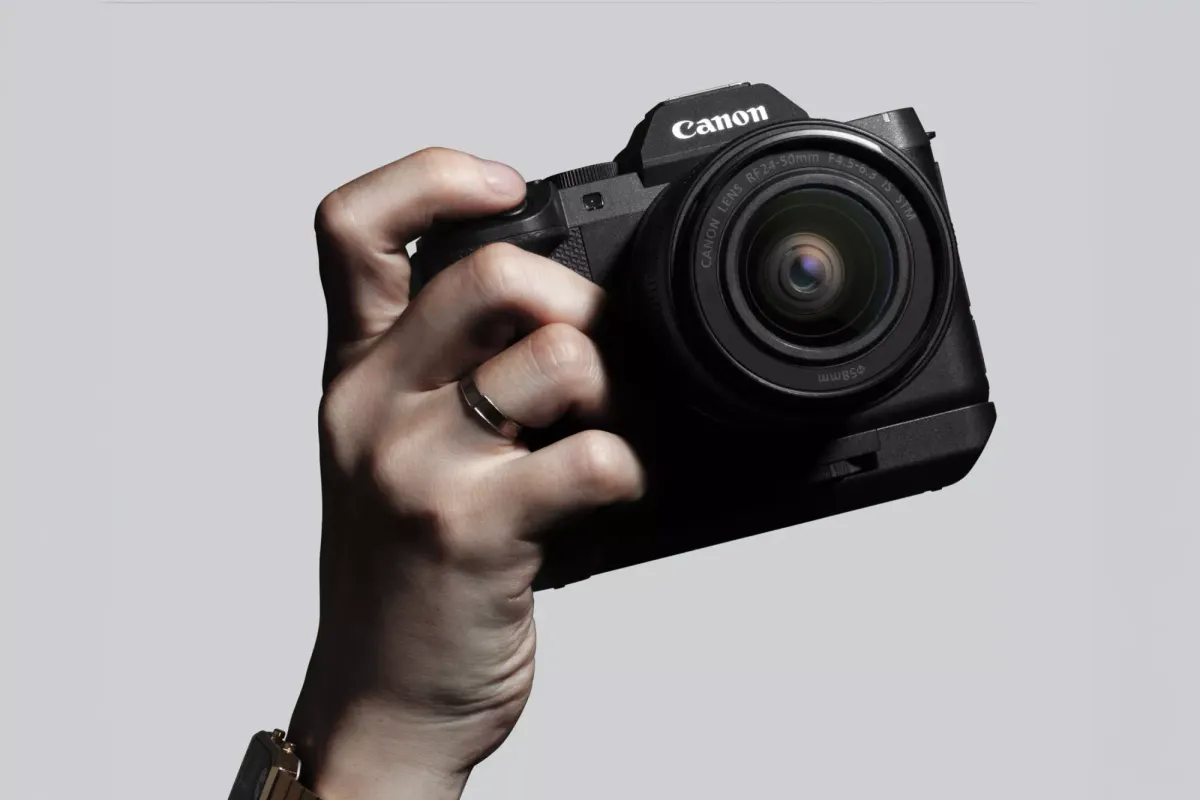
The Canon EOS R8 Mark II started shipping October 20, and it fixes the original R8’s biggest weakness for video: it now has in-body image stabilization. It’s priced at $1,899 body only, or $2,099 with the RF 24-50mm kit lens.
For video shooters, it’s a strong, lightweight full-frame hybrid with clean 4K, Canon Log 3, and real exposure tools. It also leaves out a few features that compact cinema-style cameras now offer.
The Big Change: In-Body Stabilization
The original R8 had no in-body stabilization, which made handheld video harder without stabilized lenses or a gimbal. The Mark II adds 5-axis IBIS rated at 7.5 stops at the center of the frame and 7.0 stops at the edges.
Canon says it’s the lightest full-frame mirrorless camera it makes with IBIS, at 546g with battery and card. That’s about 85g heavier than the original R8, and the body is slightly larger.
Video Specs
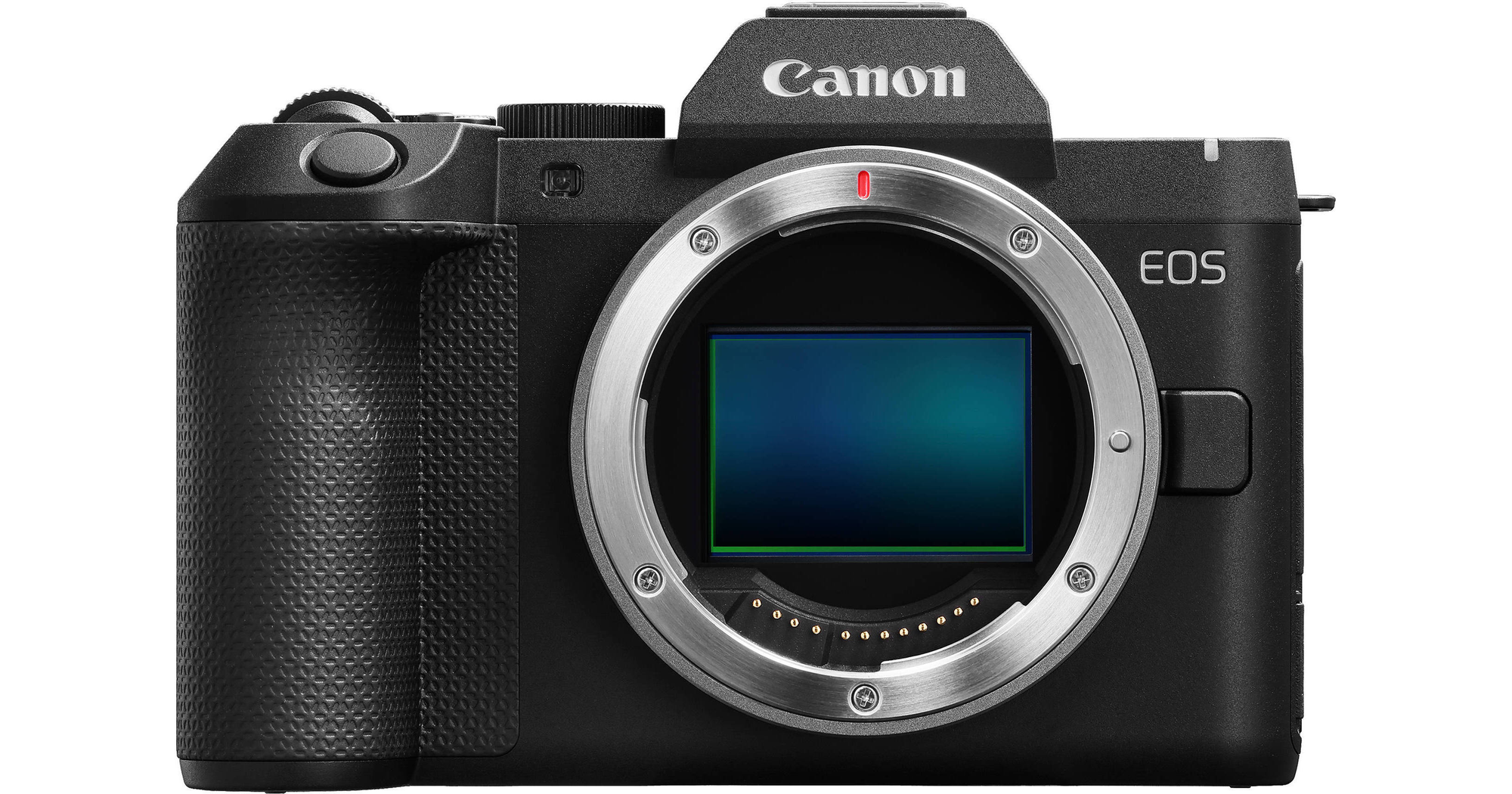
The R8 Mark II records uncropped 4K at up to 60p, oversampled from 6K, using the full width of its 24.2MP full-frame sensor. Full HD goes up to 180p for slow motion.
It records 10-bit internally in Canon’s XF-AVC S and XF-HEVC S formats, with 10-bit 4:2:2 and 4:2:0 options. Canon Log 3 is available, with Canon rating about 14 stops of dynamic range.
For where to place exposure when shooting Canon Log 3, see How to Expose S-Log3, C-Log2, and N-Log Without Guesswork.
Tools Video Shooters Will Use
The R8 Mark II includes zebras and false color for exposure, timecode, and a 3- or 5-second pre-recording buffer that captures moments before you hit record. A dedicated S&F position on the mode dial gives quick access to Slow and Fast recording.
Canon rates recording at up to 6 hours continuously below 100fps and up to 2 hours at 100fps or higher, depending on temperature and power.
Autofocus uses Dual Pixel CMOS AF II, with subject detection for people, animals, and vehicles, plus a new mode that prioritizes registered people. A new rear joystick makes moving the focus point easier.
Ports and Handling
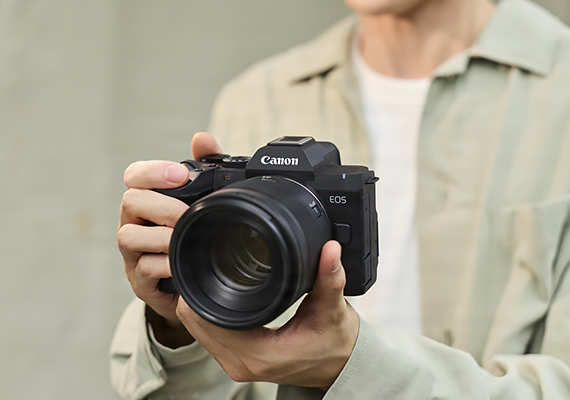
The camera has a 3.5mm mic input, a 3.5mm headphone jack, and micro HDMI. Its USB-C port supports fast data transfer, charging, power delivery, and webcam streaming.
The screen is a 3-inch vari-angle touchscreen, and the electronic viewfinder is a 2.36-million-dot OLED. It records to a single UHS-II SD card slot, now separate from the battery compartment.
What It Leaves Out
The R8 Mark II doesn’t record raw video, either internally or over HDMI. It also doesn’t offer open gate recording or proxy recording.
Battery life is modest, using the same LP-E17 battery as the original R8. Video shooters should plan on spares or USB-C power for long shoots.
The video specs are also mostly unchanged from the original R8. If you already own an R8 and use a gimbal or stabilized lenses, IBIS is the main reason to upgrade.
Competitive Context
The R8 Mark II’s closest competition for video includes Nikon’s Z5 IIC and Sony’s a7C II. The Z5 IIC adds internal raw video in a similar compact body, covered in Nikon Z5 IIC: Full-Frame Raw Video, and it’s also compared in Nikon Z5 IIC vs. Sony a7C II.
The new Sigma FP2 offers 6K open gate and ProRes RAW for $2,199, but without a built-in viewfinder or, based on Sigma’s announcement, in-body stabilization. For more, see Sigma FP2 or Sony FX3?.
The Signal in the Noise
The R8 Mark II is a good video camera for hybrid shooters, solo creators, and anyone who wants Canon’s autofocus and color in a small, stabilized full-frame body. Uncropped oversampled 4K60, Canon Log 3, false color, and long recording limits cover most YouTube, event, and documentary work.
If you need raw, open gate, or dual card slots, look elsewhere. The R8 Mark II is built for shooters who want reliable, lightweight video with minimal setup, not a cinema rig.
Would the R8 Mark II’s IBIS make it your next video camera? Share what you’d use it for in the comments.
Specs & Pricing
- Price: $1,899 body; $2,099 with RF 24-50mm f/4.5-6.3 IS STM
- Sensor: 24.2MP full frame
- Video: Uncropped 4K up to 60p (6K oversampled), Full HD up to 180p
- Recording: 10-bit XF-AVC S and XF-HEVC S
- Log: Canon Log 3 (~14 stops, per Canon)
- Stabilization: 5-axis IBIS, 7.5 stops (center)
- Exposure tools: Zebras, false color
- Recording limit: Up to 6 hours below 100fps; 2 hours at 100fps+
- Raw / open gate: No
- Media: Single UHS-II SD
- Ports: Mic, headphone, micro HDMI, USB-C
- Weight: 546g with battery and card