How Nathan Fielder’s 'You Can See Everything' Caught Every Moment With Three Cameras and Two Long Zooms
You Can See Everything was shot on ARRI Alexa 35 and Mini LF cameras with Angénieux 25-250mm zooms and a 12mm Ultra Prime. Here’s how the three-camera setup caught every moment.

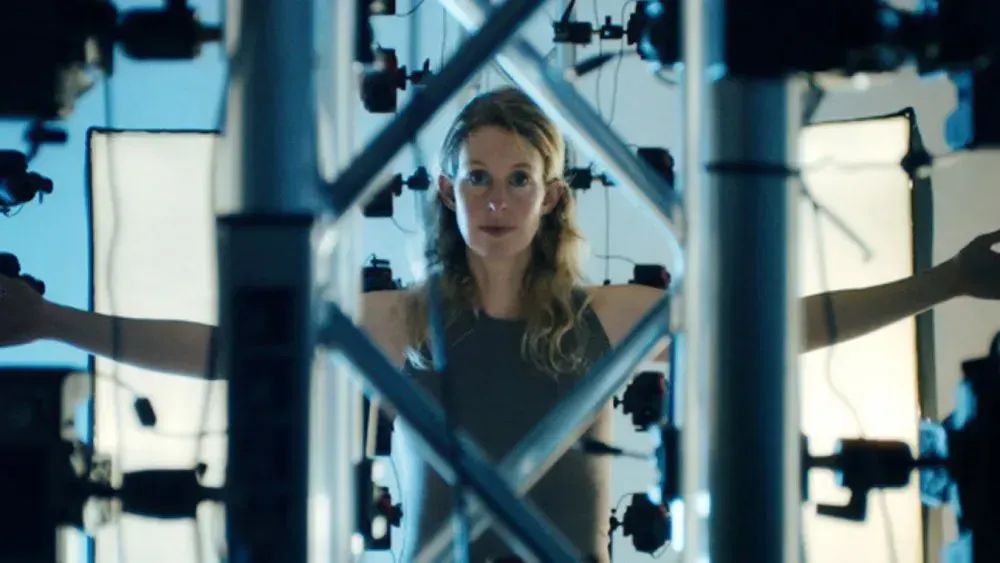
Nathan Fielder and Lance Oppenheim’s You Can See Everything follows Elizabeth Holmes and her partner, Billy Evans, in the weeks before Holmes reported to prison. Critics have praised the A24 documentary for its access, and many viewers have also noticed how cinematic it looks for a film shot in a family home.
The camera package behind it, confirmed by cinematographer David Bolen in an email reply shared on Reddit’s r/cinematography community, is a mix of modern ARRI cameras and a classic documentary zoom lens.
The Camera Package
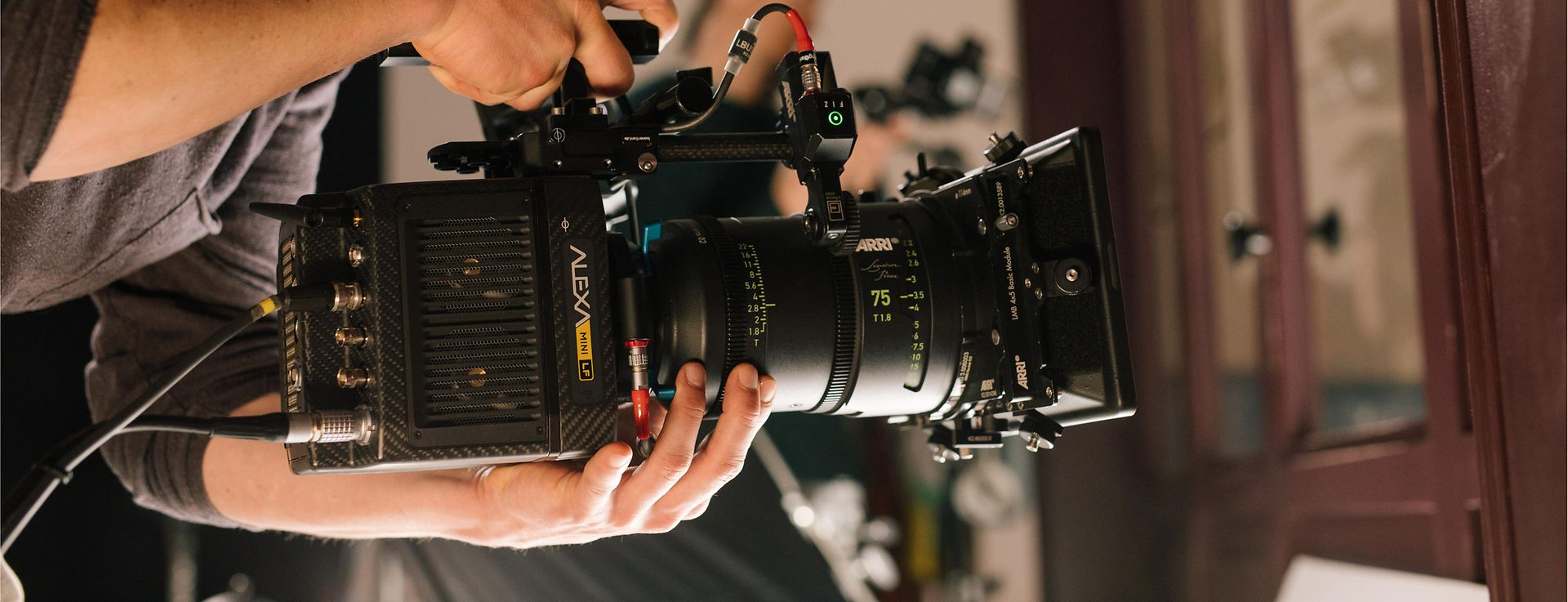
Bolen shot the film on the ARRI Alexa Mini LF and Alexa 35. For most of the coverage, the team used Angénieux 25-250mm HR zoom lenses, and the wide shots were captured on a 12mm ARRI Ultra Prime.
The Angénieux 25-250mm is a 10:1 cinema zoom that has been a staple of documentary and television work for decades. Its long range lets an operator go from a medium-wide shot to a tight close-up without changing lenses or moving the camera.
Why They Moved Away From Anamorphic
The production didn’t start that way. The filmmakers began with a single camera on an anamorphic lens, but they kept missing key moments while swapping lenses and repositioning.
After about a day, they switched to a multi-camera documentary setup. In unscripted scenes that can turn in an instant, the ability to cover the action continuously mattered more than the look of a single cinematic lens.
How the Three-Camera Setup Worked
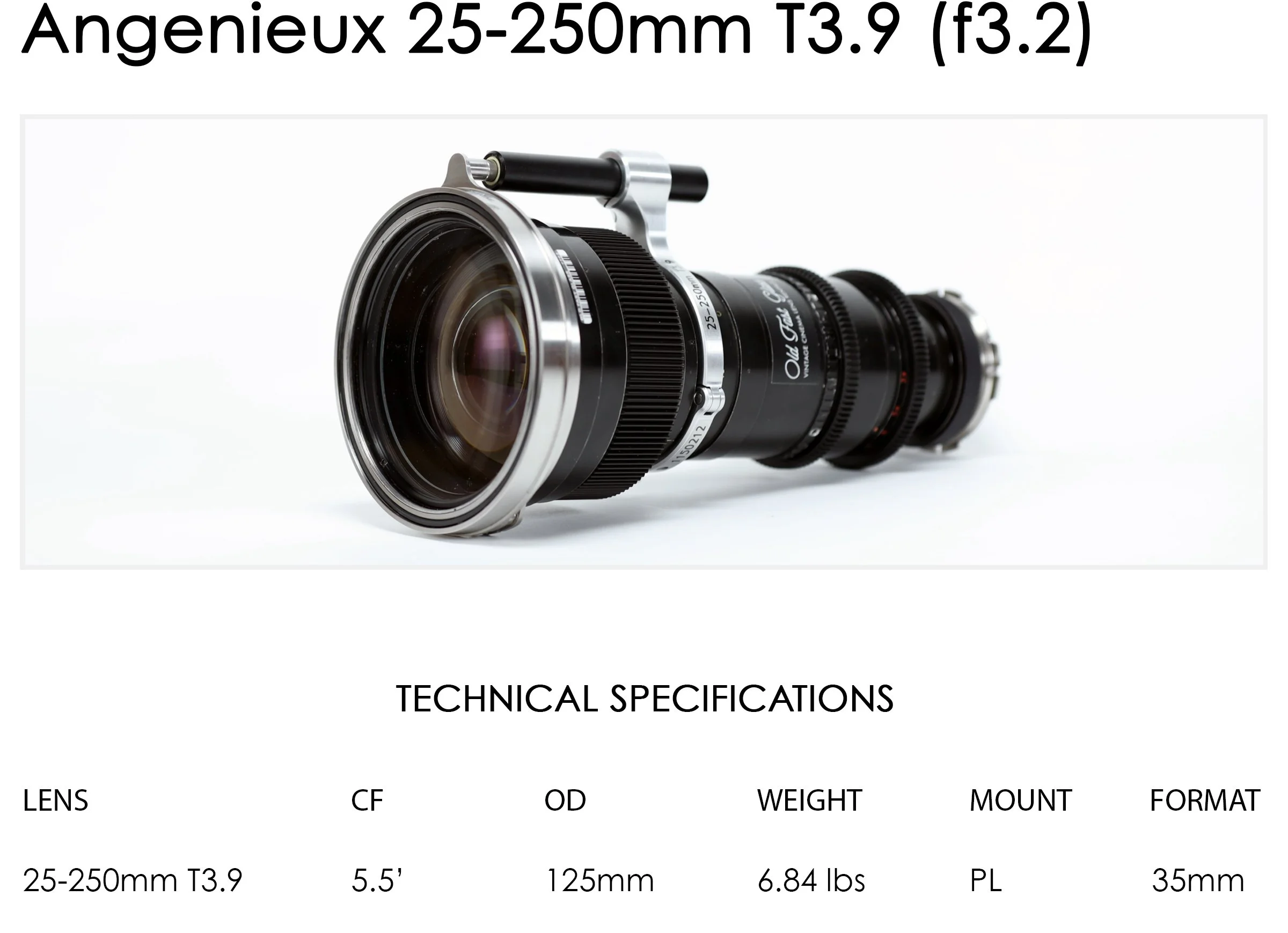
In an interview with Wired, Fielder described how the system came together. The team started with two cameras and grew to three, with one camera on the 12mm lens covering the main living area of the house.
The other two cameras, both on the 25-250mm zooms, were set up at the far ends of the house. That way, anything that happened could be caught in the wide shot and in close-ups at the same time, with the zooms able to go wide or very tight.
Fielder told Wired that only two camera operators worked inside the house, and Oppenheim sometimes watched from a monitor outside. Earlier reporting describes a crew of seven, sometimes filming 16 hours a day, with only four people allowed in the house at once.
Why This Approach Works for Documentary
The setup solves one of documentary filmmaking’s biggest problems: being in the right place at the right moment. Long zooms let operators stay at a distance and still get tight, intimate shots, which can make subjects less aware of the camera.
The 12mm wide camera acts as a safety net, capturing the full room so no moment is completely missed. Combined with the image quality of the Alexa cameras, the result looks closer to a narrative film than a typical observational doc.
Competitive Context
The Alexa 35 has become the go-to camera of the year. In IndieWire’s survey of fall 2026 festival films, it was used on 22 of 59 titles, more than any other camera.
You Can See Everything joins a run of fall releases with notable camera choices, including Alejandro G. Iñárritu’s Digger, covered in “Nothing Casual in Every Frame”: Inside the VistaVision Cinematography of Digger, and Dune: Part Three, covered in Dune: Part Three Trades Digital for IMAX Film, With Lenses Built Just for Arrakis.
The Signal in the Noise
The biggest takeaway for documentary filmmakers isn’t the camera brand. It’s the plan: cover the space with a fixed wide angle, place long zooms where they can see everything, and stay out of the way.
Most of that approach scales down. A locked-off wide camera and one or two operators on long zooms can work on much smaller productions, even with more affordable cameras and lenses.
Have you used a multi-camera setup like this for documentary work? Share how you approached it in the comments.
The Details
- Film: You Can See Everything (A24)
- Directors: Nathan Fielder and Lance Oppenheim
- Cinematographer: David Bolen
- Cameras: ARRI Alexa Mini LF, ARRI Alexa 35
- Zooms: Angénieux 25-250mm HR
- Wide lens: 12mm ARRI Ultra Prime
- Setup: Three cameras (one wide on the 12mm, two on zooms at the far ends of the house)
- Release: In theaters October 16, 2026
Resources & Reads
- r/cinematography: David Bolen’s camera details
- Nathan Fielder Tells Us Everything — Wired
- Nathan Fielder Didn’t Want to Be on Camera in You Can See Everything — The Hollywood Reporter
- The Most Popular Cinema Cameras of Fall 2026 — YMCinema
- “Nothing Casual in Every Frame”: Inside the VistaVision Cinematography of Digger