Dune: Part Three Trades Digital for IMAX Film, With Lenses Built Just for Arrakis
Dune: Part Three is the first film in the trilogy shot on film, using 65mm and IMAX cameras with custom spherical lenses Atlas built for Villeneuve and DP Linus Sandgren.

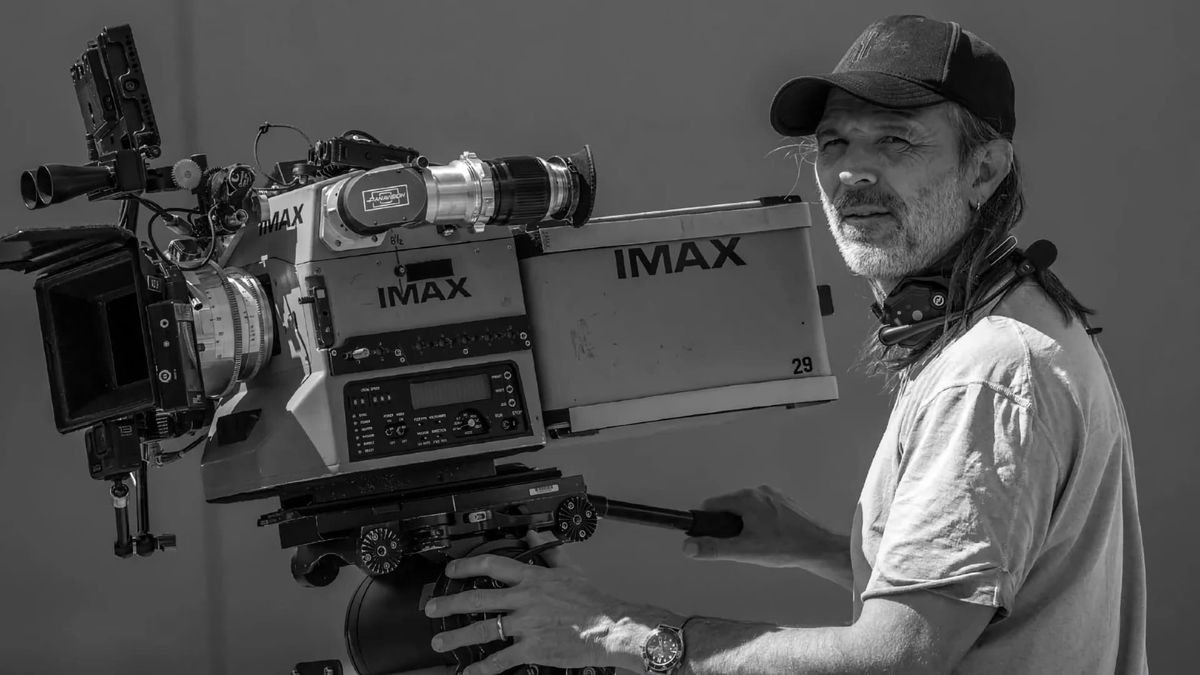
Denis Villeneuve’s Dune: Part Three is the first film in the trilogy shot on film. Cinematographer Linus Sandgren shot it primarily on 65mm film, with select sequences on 15/70 IMAX film. Atlas Lens Co. built custom spherical IMAX lenses for the production.
The film opens December 18 through Warner Bros. Pictures, with IMAX 70mm insider screenings starting December 14.
From Digital to Film
Dune and Dune: Part Two were shot digitally and then printed to 35mm film for their look. Part Three switches to capturing on film directly, with 65mm as the main format and IMAX film for select sequences.
The production also used IMAX-certified digital cameras for some desert scenes. Filming ran from July to November 2025 at Origo Film Studios in Budapest and in the Liwa Oasis in Abu Dhabi.
Sandgren took over as cinematographer from Greig Fraser, who shot the first two films. Fraser left because of a prior commitment to Sam Mendes’s Beatles films.
Custom IMAX Lenses From Atlas
Atlas Lens Co., best known for its Orion anamorphic lenses, built new spherical lenses designed for IMAX film. Villeneuve and Sandgren commissioned them, and Atlas developed new design and coating methods for the format, including building its own in-house coating equipment.
Sandgren told The Hollywood Reporter, “I envisioned lenses that could create specific optical characteristics, particularly the flares.” Villeneuve said the lenses helped capture Arrakis in a way unique to this film.
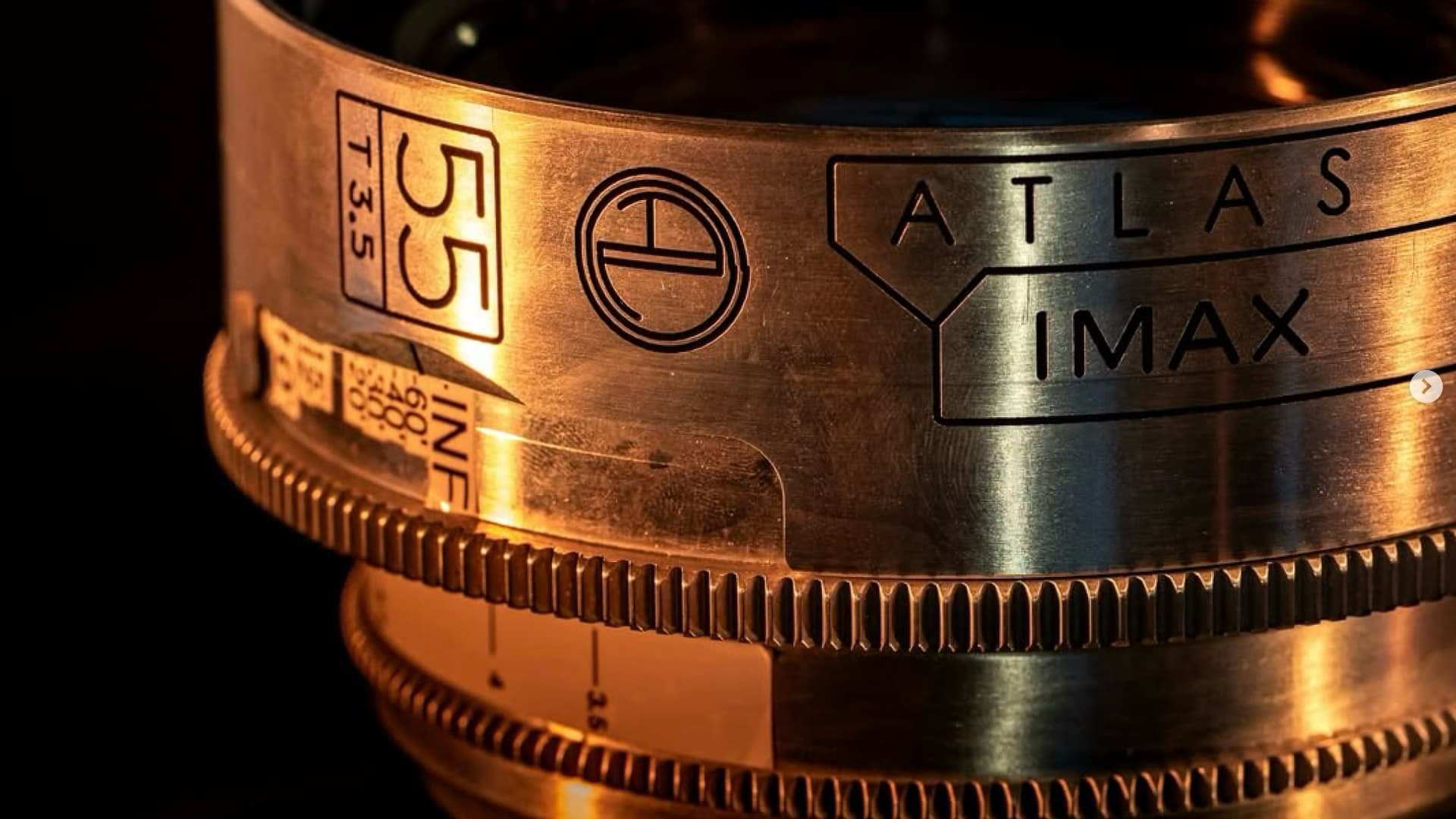
YMCinema reports that the set includes a 55mm T3.5 and an 80mm T3.5, with more focal lengths in development. Some reportedly cover a 100mm image circle, which required Atlas to build a dedicated projection and testing setup.
Why Spherical, and Why Flares Matter
Large-format film like IMAX uses a much larger frame than standard 35mm, so most existing cinema lenses can’t cover it. Productions often adapt medium-format still lenses, which can vignette at the edges or behave unpredictably under harsh light.
Building lenses from scratch let the team control coverage, vignetting, and how the glass flares in bright, high-contrast desert light. For a film set largely in the deserts of Arrakis, that flare character is a big part of the look.
Competitive Context
Dune: Part Three is one of several major 2026 releases shot on film. Christopher Nolan’s The Odyssey was shot entirely on IMAX film, and Alejandro G. Iñárritu’s Digger used 8-perf VistaVision, covered in “Nothing Casual in Every Frame”: Inside the VistaVision Cinematography of Digger.
Custom lenses are becoming a common part of these large-format productions. On Digger, Leitz rebuilt a 25mm ELSIE into a custom 21mm for the film’s wides.
The Signal in the Noise
The switch from digital to film is the bigger story here. The first two Dune films set a high bar with digital capture, and Part Three will show how film and IMAX change the look of the same world.
For cinematographers, the custom Atlas glass is a reminder that lens choice drives as much of a film’s look as the camera. Flare, falloff, and coverage were all designed around this one film.
Will you see Dune: Part Three in IMAX 70mm, or is the format not a big draw for you? Share your take in the comments.
The Details
- Release: December 18, 2026 (IMAX 70mm insider screenings from December 14)
- Director: Denis Villeneuve
- Cinematographer: Linus Sandgren
- Formats: 65mm film (primary), 15/70 IMAX film (select sequences), IMAX-certified digital (some desert scenes)
- Lenses: Custom spherical IMAX lenses by Atlas Lens Co.
- Reported focal lengths: 55mm T3.5, 80mm T3.5, more in development
- Filming: July–November 2025, Budapest and Abu Dhabi