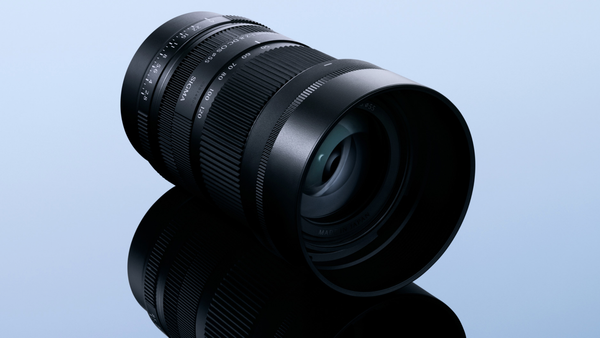
“Nothing Casual in Every Frame”: Inside the VistaVision Cinematography of Digger
Emmanuel Lubezki shot Iñárritu’s Digger on a rebuilt 1950s VistaVision camera with Leitz ELSIE and Panavision lenses. Here’s the camera package and why they chose it.

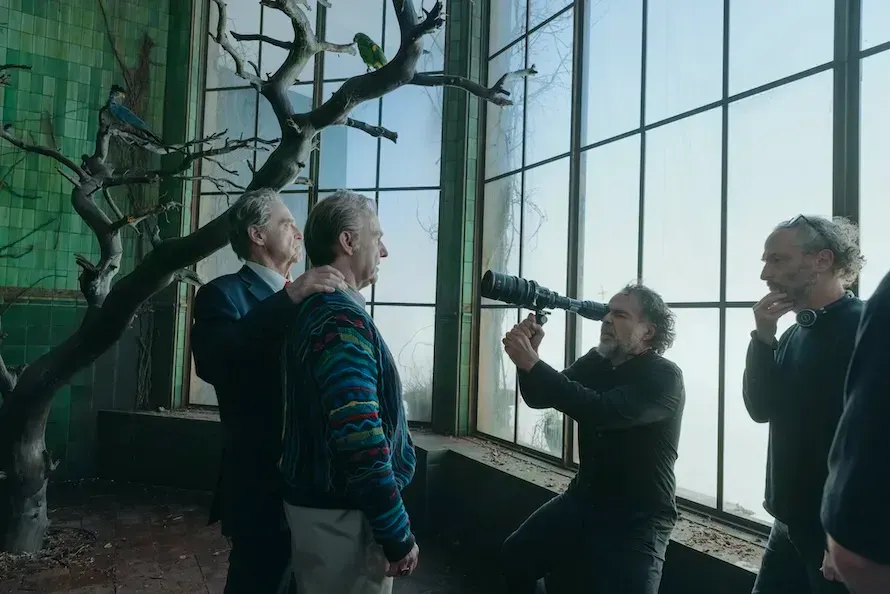
Alejandro G. Iñárritu’s Digger, starring Tom Cruise, was shot by Emmanuel “Chivo” Lubezki on 8-perf 35mm VistaVision. That’s a film format Paramount introduced in 1954 that has been making a comeback.
A new behind-the-scenes video from Panavision and Warner Bros. features Iñárritu and Cruise discussing the film’s visual approach. Here’s the camera and lens package Lubezki used, and why the team chose a format that’s this demanding.
The Camera: A Rebuilt 1950s Mitchell
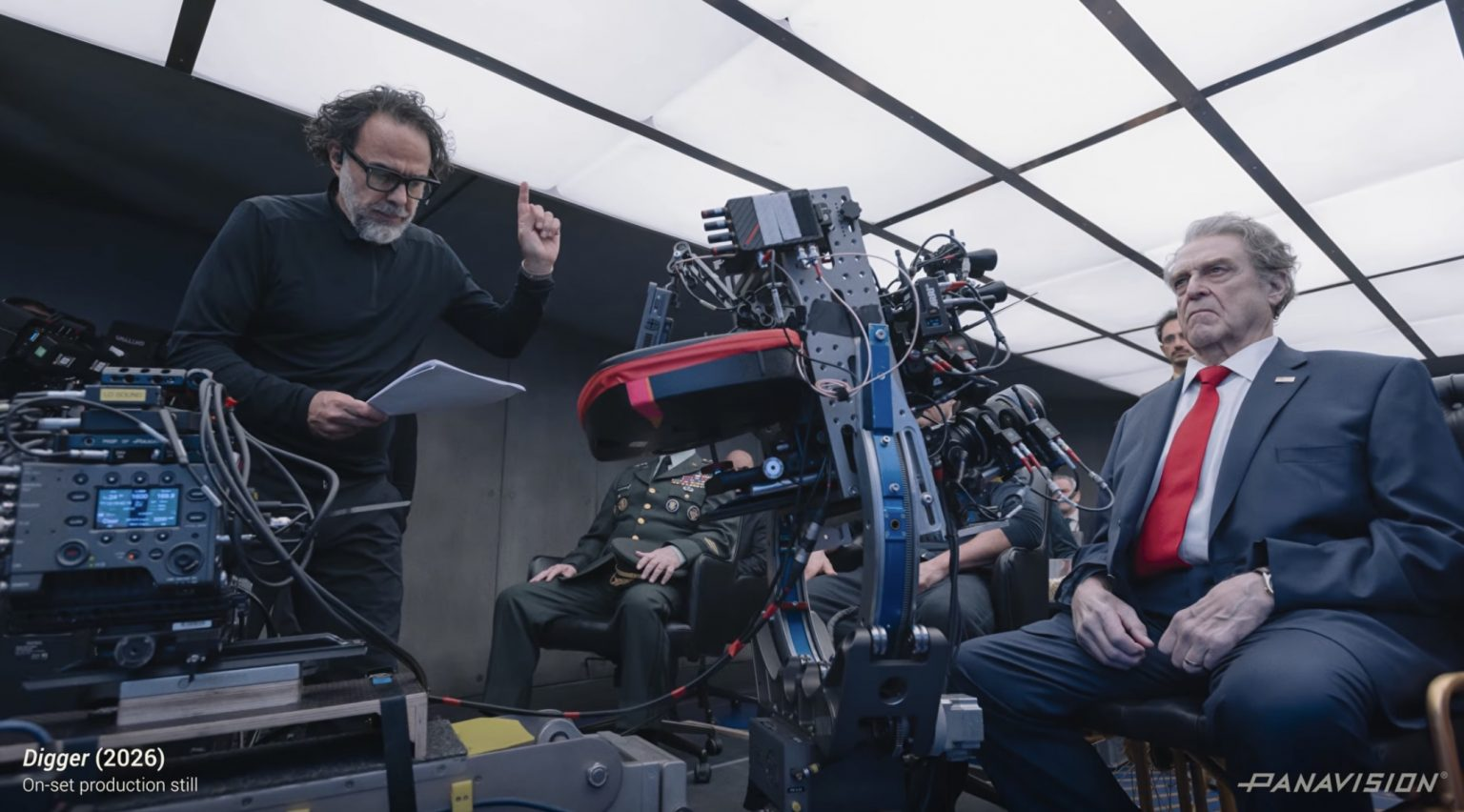
Digger’s main camera was a Beaumont VistaVision camera, built around modified Mitchell movements from the 1950s. It shoots one format, 8-perf 35mm at a 1.5:1 aspect ratio.
VistaVision runs 35mm film horizontally through the camera instead of vertically. Each frame spans eight perforations instead of the usual four, which roughly doubles the negative area.
The production used the Sony Venice 2 and ARRI Alexa Mini LF as B cameras, according to Newsshooter’s breakdown.
The Lenses: Leitz ELSIE and Custom Glass
Lubezki’s main lenses were Leitz ELSIE primes, along with custom-adapted Panavision H Series primes and Panavision SLZ zooms. Much of the film was shot on a 29mm ELSIE.
For the extreme wides, Leitz built a custom 21mm by rebuilding a 25mm ELSIE with new front elements and a new housing. Cruise says in the video that Iñárritu and Lubezki designed specific lenses for the VistaVision format.
Why VistaVision
Iñárritu wanted deep focus and wide lenses, with everything in the frame sharp, so audiences could take in the whole image like a painting. In the Panavision video, he says “There is nothing casual in every frame.”
He also told Exclaim! the format had to be justified and wasn’t something to use casually. He called shooting this way a pain, but added, “But it’s worth it — every single frame — worth it.”
The tradeoffs are real. VistaVision needs a lot of light, especially for interiors. The camera is loud enough to need a soundproofing blimp, and each magazine runs about four minutes.
Iñárritu said the production could make it work because it had the budget, stages at Pinewood, and a strong film lab.
Release Formats
Digger opened in the U.S. and U.K. on October 2 through Warner Bros. Pictures. It uses a variable aspect ratio: 1.50:1 in native VistaVision and IMAX presentations, 1.43:1 in IMAX with Laser, and 1.85:1 for standard screens.
The film has had a slow start at the box office, with about $29 million worldwide as of October 9 against a reported $125 million budget.
Competitive Context
Digger is the latest in a run of VistaVision productions. The Brutalist and One Battle After Another both shot in the format, putting it back in front of awards voters and cinematographers.
The format’s influence also shows up in digital cinema. Large-format sensors on cameras like the Alexa Mini LF and Venice 2 are close to VistaVision’s frame size, and “VV” labels on lenses and sensors, like RED’s V-Raptor VV and Nikon’s upcoming Z Cinema VV lenses, refer to this format.
The Signal in the Noise
For most filmmakers, the takeaway is the look rather than the format. Wide lenses, deep focus, and carefully staged frames are choices you can make on any large-format camera.
VistaVision film remains rare and expensive. That Digger’s production chose it anyway, B cameras and all, shows how much Iñárritu and Lubezki valued the image detail and the discipline the format forces on set.
Would you shoot on VistaVision film if you had the budget, or does large-format digital get you close enough? Share your take in the comments.