Sigma 50-120mm f/2.8: A Lightweight Telephoto Zoom for the FX30 and Other APS-C Cameras
Sigma’s $799 50-120mm f/2.8 DC OS gives APS-C cameras like the Sony FX30 a stabilized 75-180mm equivalent zoom with minimal focus breathing.

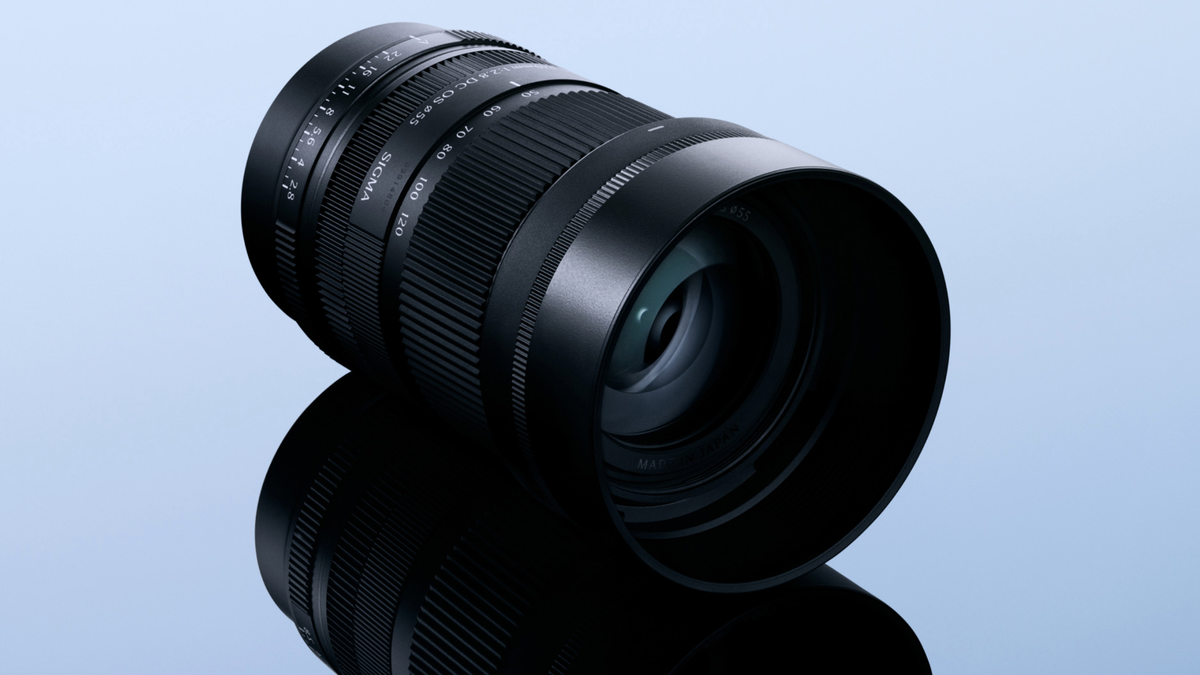
Sigma has introduced the 50-120mm f/2.8 DC OS Contemporary, a stabilized telephoto zoom for APS-C cameras. It’s available for Sony E, Fujifilm X, and Canon RF mounts, and it lists for $799.
On APS-C, the lens covers roughly 75-180mm in full-frame terms at a constant f/2.8. It weighs 390g in Sony E and Fujifilm X versions, which makes it a natural fit for compact video bodies like the Sony FX30.
A Long Zoom Built for Video
Sigma says the optical design minimizes focus breathing, so the frame stays steadier when you pull focus between subjects. That matters most for interviews, documentary work, and any shot where focus moves during the take.
For a refresher on why this matters, see What Is Focus Breathing?.
Autofocus uses Sigma’s HLA linear motor, which is designed to be fast and quiet. The 11-blade rounded diaphragm keeps out-of-focus highlights smooth across the aperture range.
Stabilization on a Lightweight Lens
The 50-120mm includes Sigma’s OS2 optical stabilization, rated at 6.5 stops at the wide end and 4.5 stops at the long end under CIPA standards. That’s a big advantage on APS-C bodies without in-body stabilization, and it pairs with in-body systems on cameras that have them.
At 390g (410g for Canon RF), it’s light enough for handheld work and smaller gimbals. It measures about 99mm long and takes 55mm filters, which keeps ND and VND filters small and affordable.
Sigma also removed the focus mode and OS switches from the barrel, keeping the design simple. Those settings are handled through the camera.
Close Focus and Build
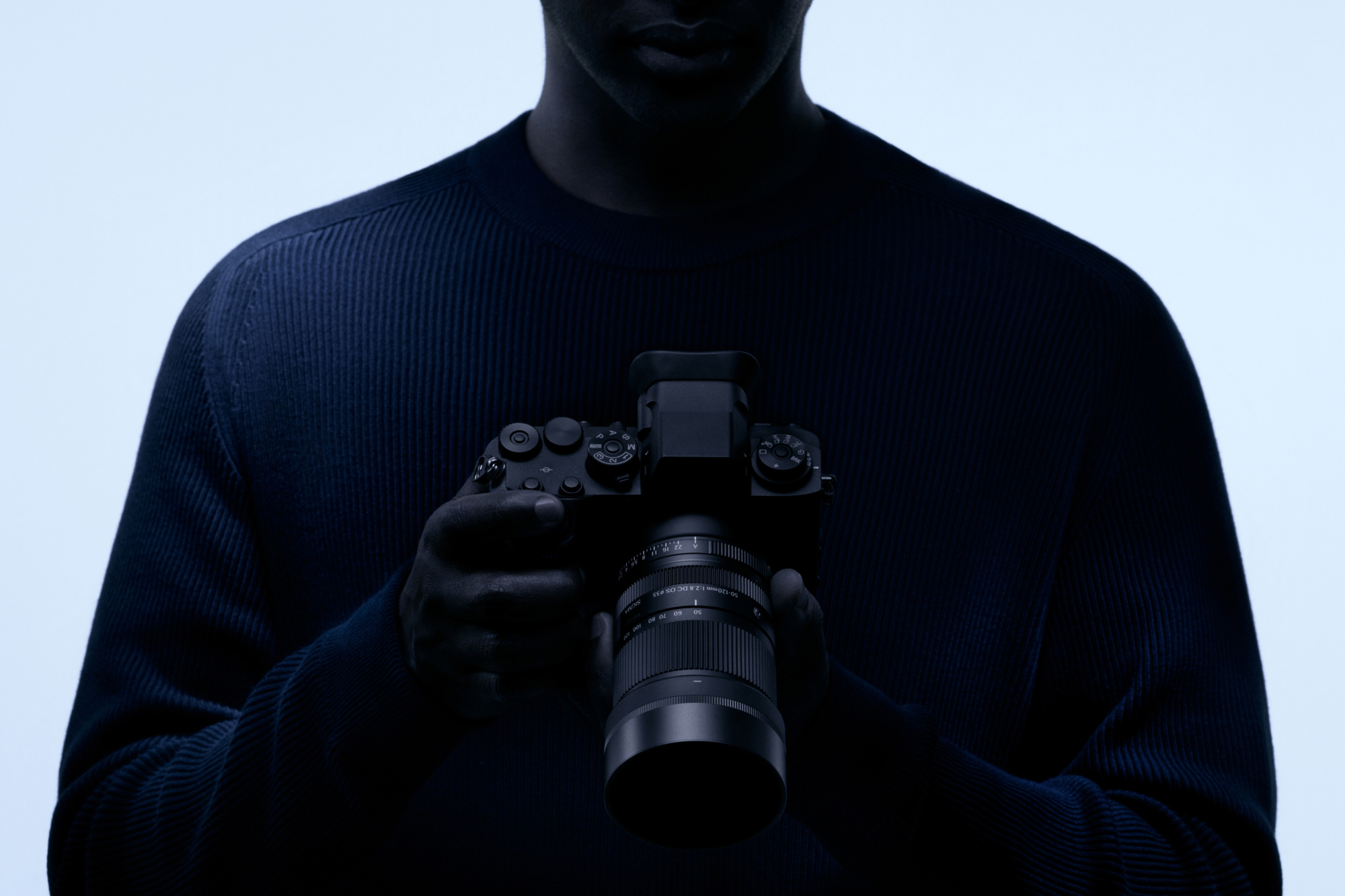
Minimum focus distance is 23cm at 50mm and 55cm at 120mm. Maximum magnification is 1:3 at the wide end, which is close enough for product shots and tight details without a dedicated macro lens.
The optical design uses 18 elements in 13 groups, including one FLD, three SLD, and four aspherical elements. The lens is dust- and splash-resistant, and the front element has a water- and oil-repellent coating.
Who It’s For
APS-C video shooters have had limited options for a fast, stabilized telephoto zoom that doesn’t add much weight. The 50-120mm fits cameras like the Sony FX30, a6700, and ZV-E10 II, the Fujifilm X-H2S and X-S20, and Canon’s APS-C RF bodies like the EOS R7.
It pairs naturally with Sigma’s 18-50mm f/2.8 DC DN. Together, the two lenses cover roughly 27-180mm equivalent at f/2.8.
If you’re building out a Sony APS-C rig, see How to Build a Sony a6700 Camera Rig.
The lens is priced at $799 on Sigma USA’s website. Fstoppers reports it ships October 22.
Competitive Context

The most direct comparison is Fujifilm’s XF 50-140mm f/2.8 R LM OIS WR, which covers a similar range at f/2.8 but weighs about 995g. Exact pricing is available on Fujifilm’s website.
Sony E-mount APS-C shooters have mostly relied on slower zooms like the E 70-350mm f/4.5-6.3 G OSS, or full-frame telephotos that add size and cost. Canon’s RF APS-C lineup has no f/2.8 telephoto zoom.
The Signal in the Noise
For APS-C video shooters, this lens fills a real gap. A constant f/2.8, strong stabilization, minimal focus breathing, and a 390g body make it a practical interview and documentary lens on cameras like the FX30.
At $799, it costs less than most full-frame telephoto alternatives and much less in weight. Hands-on reviews should show how well the focus breathing and stabilization hold up in real video use.
Specs & Pricing
- Price: $799
- Mounts: Sony E, Fujifilm X, Canon RF
- Focal length: 50-120mm (about 75-180mm equivalent)
- Aperture: f/2.8 constant, minimum f/22
- Stabilization: OS2, 6.5 stops (wide) / 4.5 stops (tele)
- Autofocus: HLA linear motor
- Minimum focus: 23cm (wide) to 55cm (tele)
- Maximum magnification: 1:3 (wide)
- Filter size: 55mm
- Weight: 390g (Sony E, Fujifilm X), 410g (Canon RF)
- Optics: 18 elements in 13 groups, 11-blade diaphragm
- Build: Dust- and splash-resistant
Is a fast, stabilized telephoto zoom the missing piece in your APS-C kit? Share what you’d pair it with in the comments.