The Best Accessories for the Canon EOS C80
Tilta and SmallRig both built dedicated cage systems for the C80. Here's how their tiered vs. modular approaches actually compare.

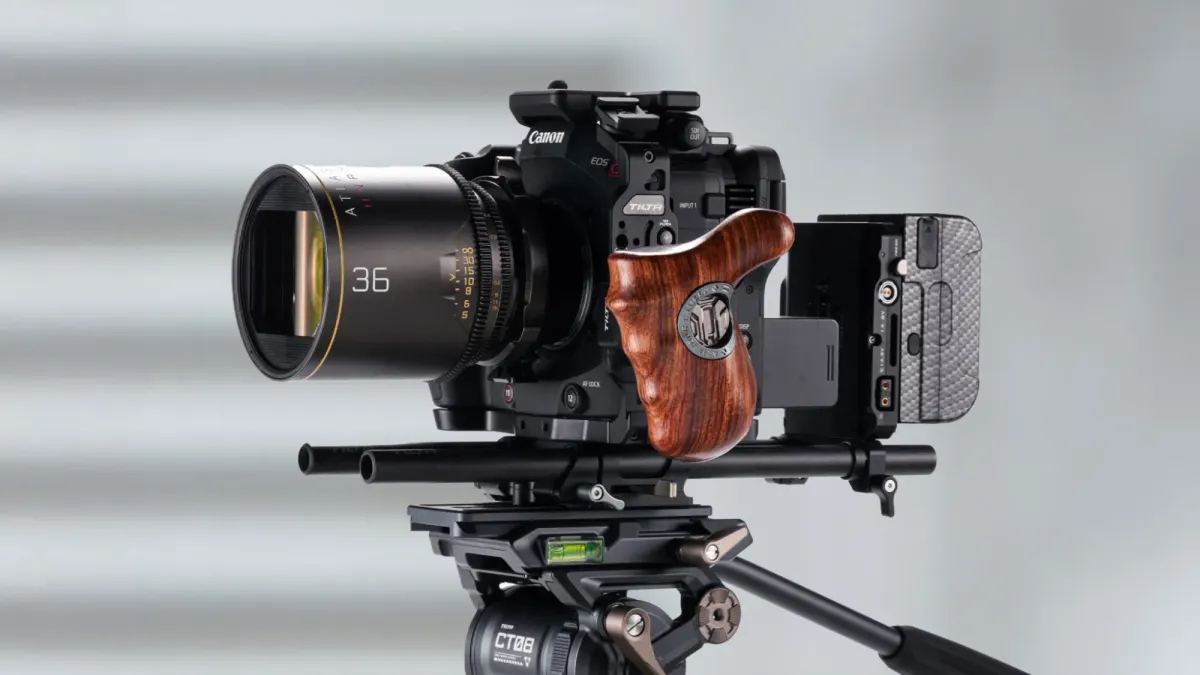
The C80 ships with a usable top handle and mounting points out of the box, so like the Fujifilm Eterna 55, its accessory ecosystem is additive rather than foundational. Two major cage makers, Tilta and SmallRig, both built dedicated systems specifically for this camera, and the tiered approach each takes says a lot about how to think about your own build.
Tilta: Three Tiers, One Base Cage
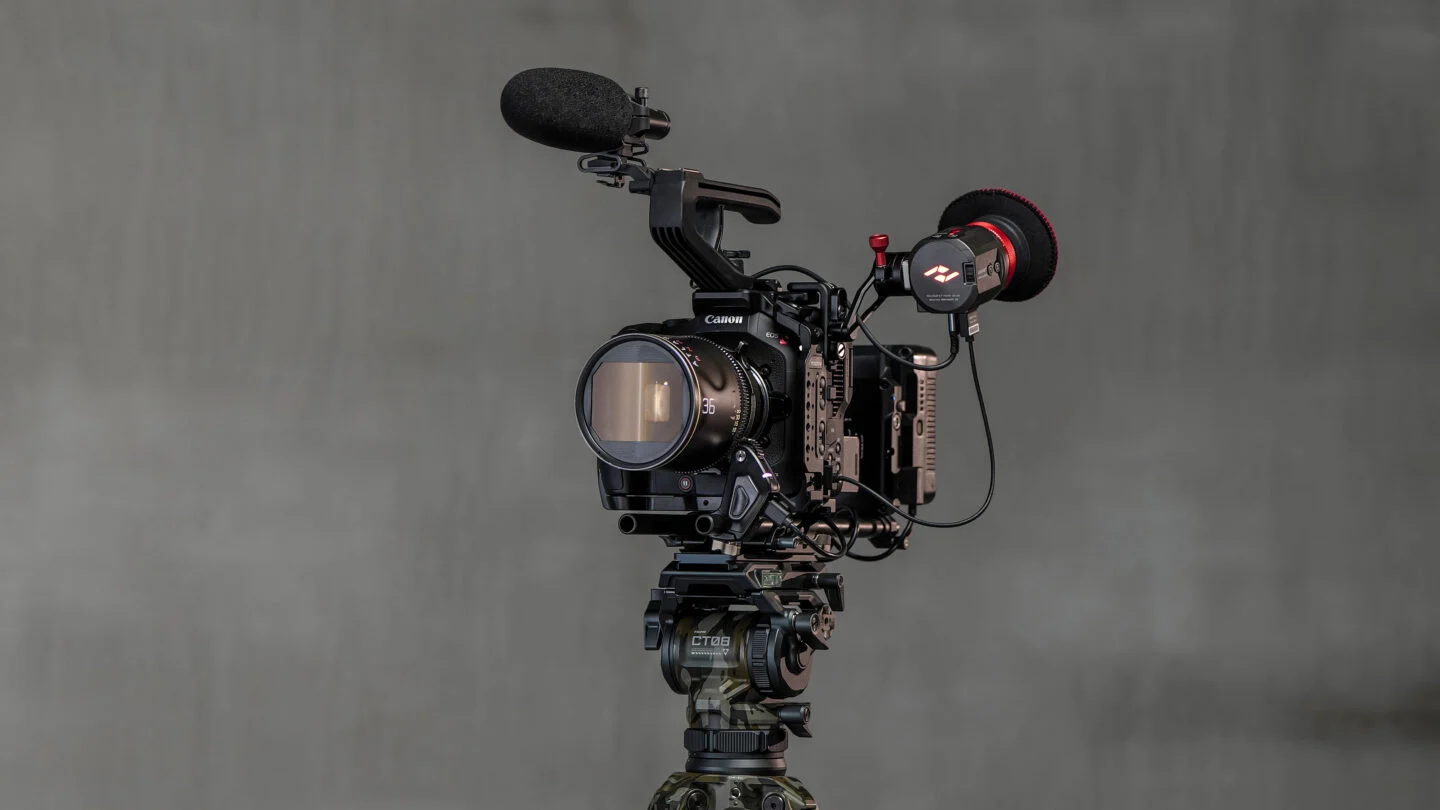
Tilta's C80 lineup starts with a Base Kit: a top plate, left and right side arms, bottom plate, NATO rail attachment, HDMI cable clamp, and cold shoe receiver, all built to keep the camera's original top handle mounting point fully accessible for anyone who wants to preserve stock functionality. The Advanced Kit adds a 15mm LWS baseplate, a Xeno NATO side handle, and two 15mm aluminum rods on top of the base cage. The Pro Kit goes further still, adding a V-mount battery plate with 60W USB-C PD, P-Tap, and 2-pin Lemo power options, a wooden side handle, a carbon fiber rod set, and a mini tool kit, effectively a complete production-ready rig in one purchase.
SmallRig: One Modular Cage, Multiple Configurations
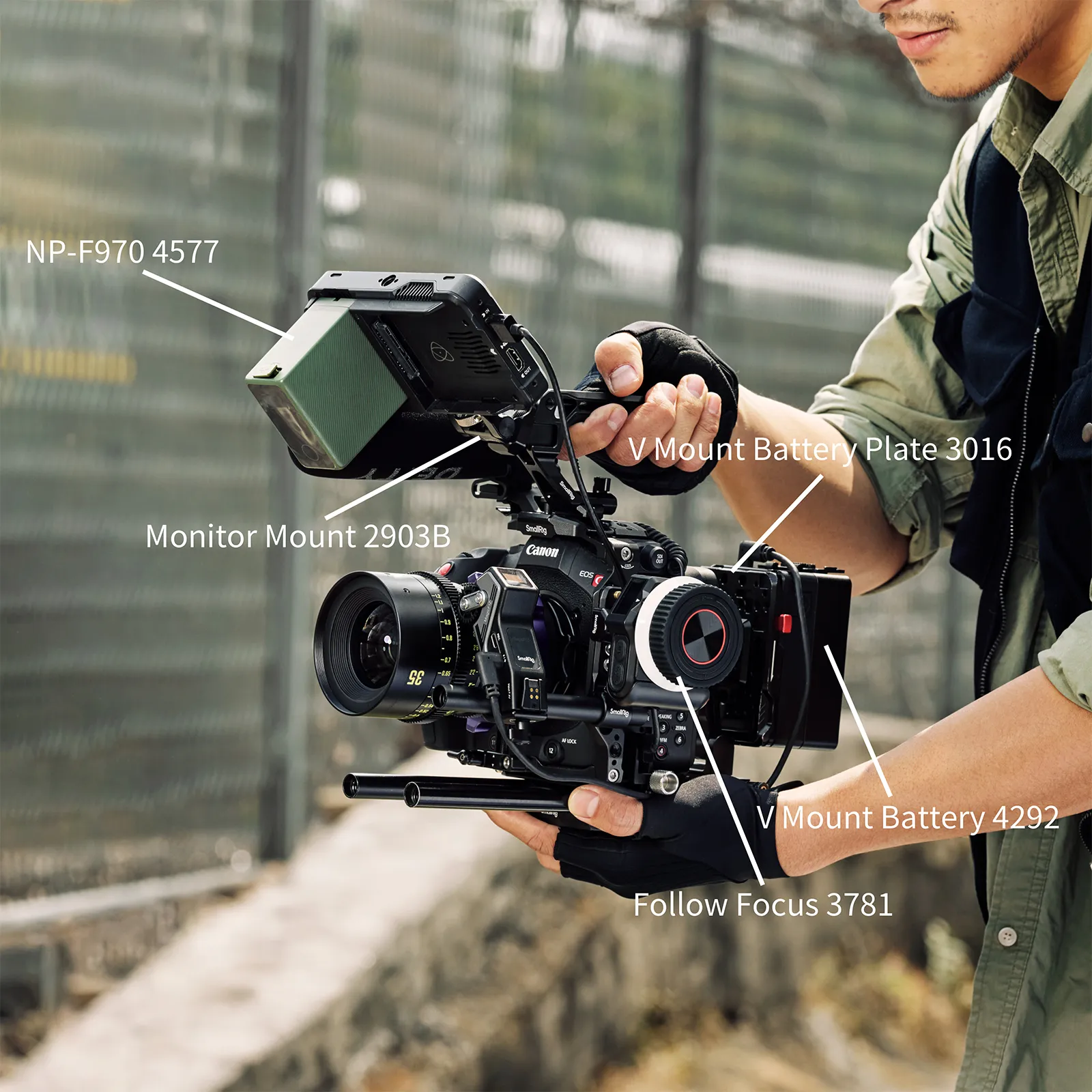
SmallRig takes a different approach with a single modular cage (kit 5136/5810) rather than tiered kits. The top plate, baseplate, and right side plate can each be used independently depending on the shot, and the detachable baseplate switches between a standard mount configuration for tripods and ARRI BP8 baseplates, or direct mounting to DJI RS 2, RS 3 Pro, and RS 4 Pro gimbals once removed. The right side plate is contoured specifically for vertical shooting stability, with an anti-twist quick-release plate built in.
What Both Systems Preserve
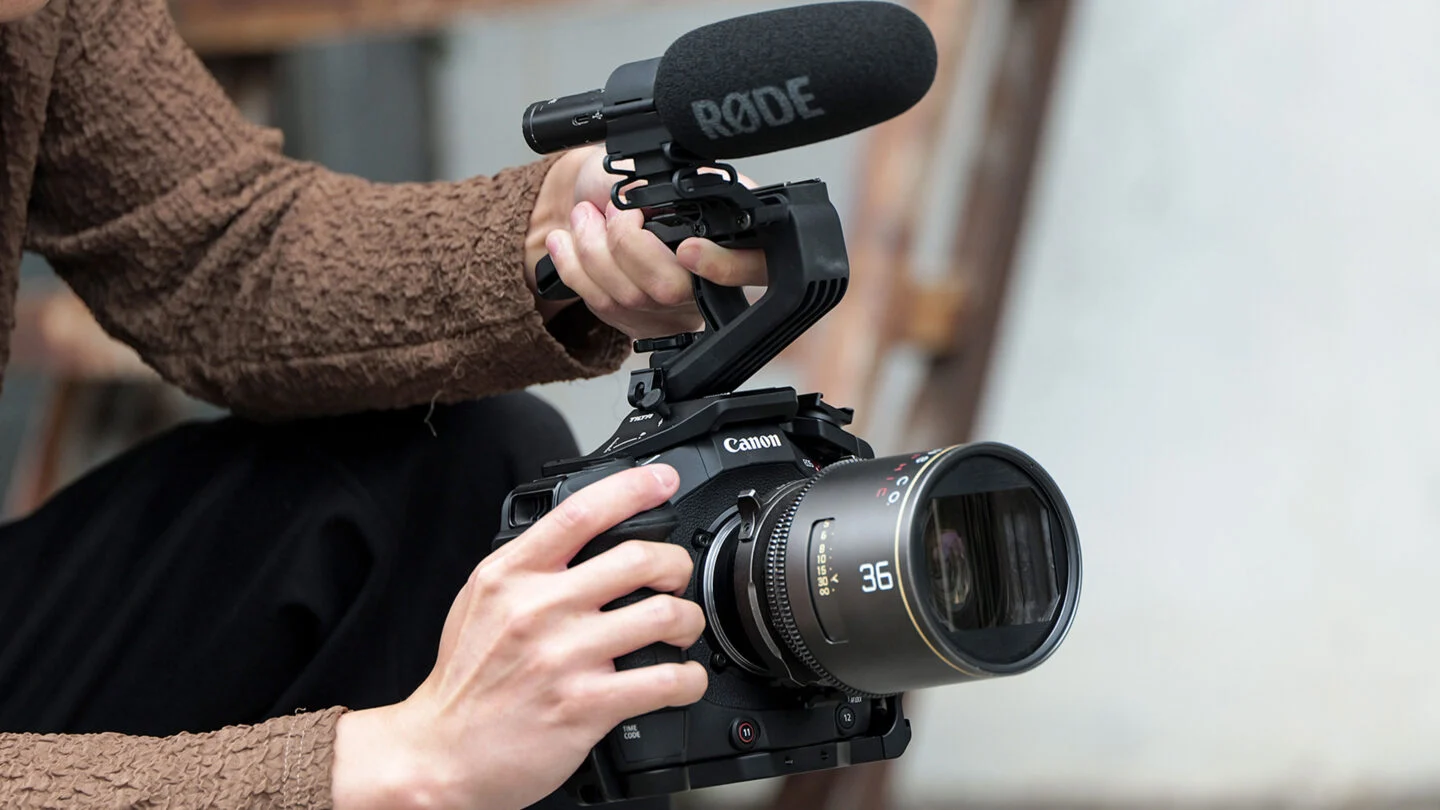
Both Tilta and SmallRig specifically design their top plates to leave the C80's native top handle mounting point unobstructed, a deliberate choice that respects the fact that Canon's stock handle is genuinely usable rather than something to immediately replace. That's a meaningfully different philosophy than cages built for cameras with weak or absent stock ergonomics.
Competitive Context
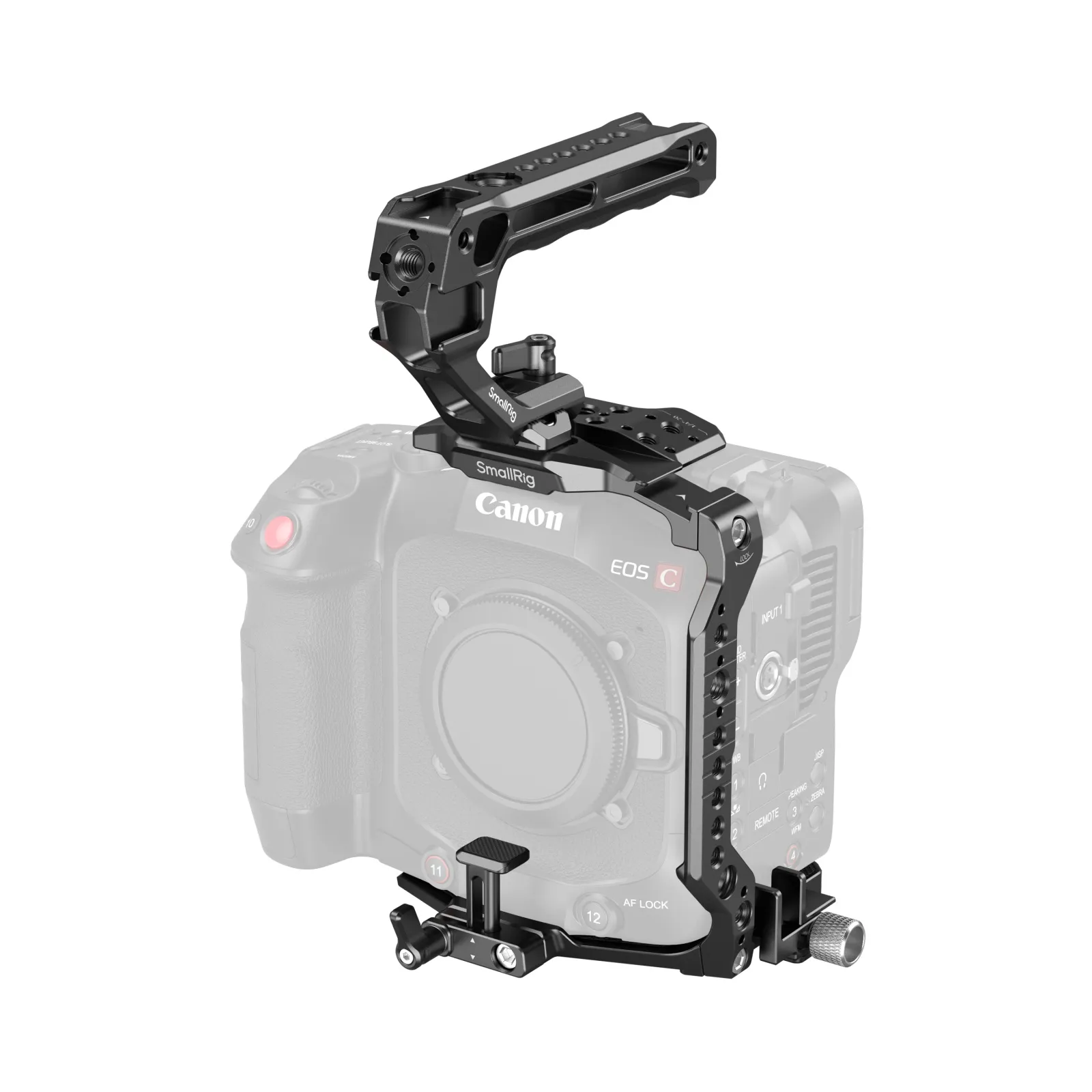
The tiered-versus-modular split between Tilta and SmallRig roughly maps to how you plan to shoot. If you know upfront you want a full production rig with V-mount power and rod-based accessories, Tilta's Pro Kit gets you there in one purchase. If you want to reconfigure between handheld, tripod, and gimbal setups regularly without committing to one fixed build, SmallRig's single modular cage covers more ground with fewer separate purchases.
The Signal in the Noise
Both companies building dedicated, C80-specific hardware (not just universal cages retrofitted to fit) signals real confidence in this camera's staying power in the market, consistent with the value proposition that's made it a popular mid-tier pick since launch. For most buyers, the choice comes down to whether you'd rather buy your production setup as one complete kit or build it incrementally as your actual needs become clear.
Would you rather commit to Tilta's tiered kit system upfront, or start minimal with SmallRig's single modular cage and add pieces as needed?
The Details
- Tilta Base Kit: top plate, side arms, bottom plate, NATO rail, HDMI clamp, cold shoe receiver; preserves native top handle mount
- Tilta Advanced Kit: adds 15mm LWS baseplate, Xeno NATO side handle, two 15mm aluminum rods
- Tilta Pro Kit (V-Mount): adds V-mount battery plate (60W USB-C PD, P-Tap, 2-pin Lemo), wooden side handle, carbon fiber rod set, mini tool kit
- SmallRig Cage Kit (5136/5810): single modular cage, detachable baseplate switches between tripod/ARRI BP8 mounting and direct DJI RS 2/3 Pro/4 Pro gimbal mounting
- Exact pricing for all kits available on Tilta's and SmallRig's respective websites