Canon C80 vs. C400: What $2,500 More Actually Buys
The C80 and C400 share the exact same sensor. Here's the short, specific list of what the extra $2,500 actually buys.

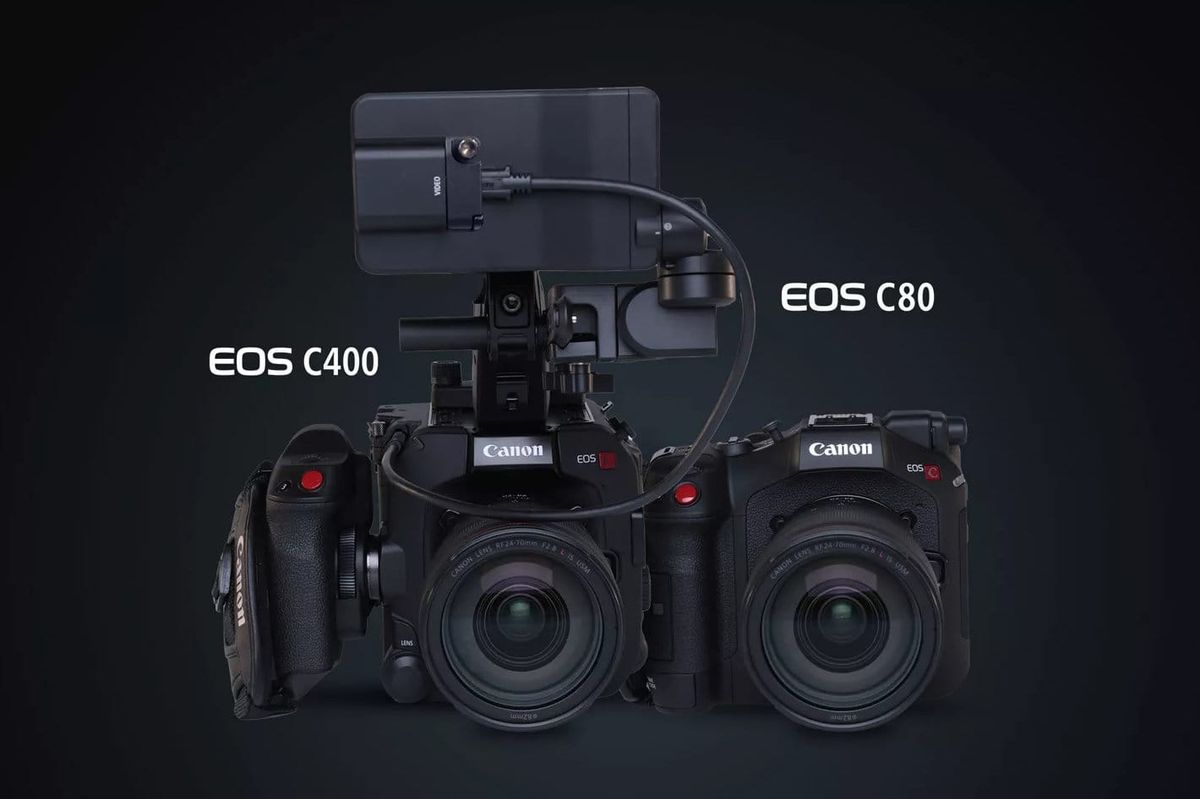
The C80 and C400 share the exact same 6K full-frame back-illuminated stacked sensor, same triple base ISO (800/3200/12,800), same claimed dynamic range. The $2,500 gap between them, roughly $5,500 versus $7,999, comes down to a short, specific list of what Canon held back to hit that lower price point.
What the C400 Actually Adds
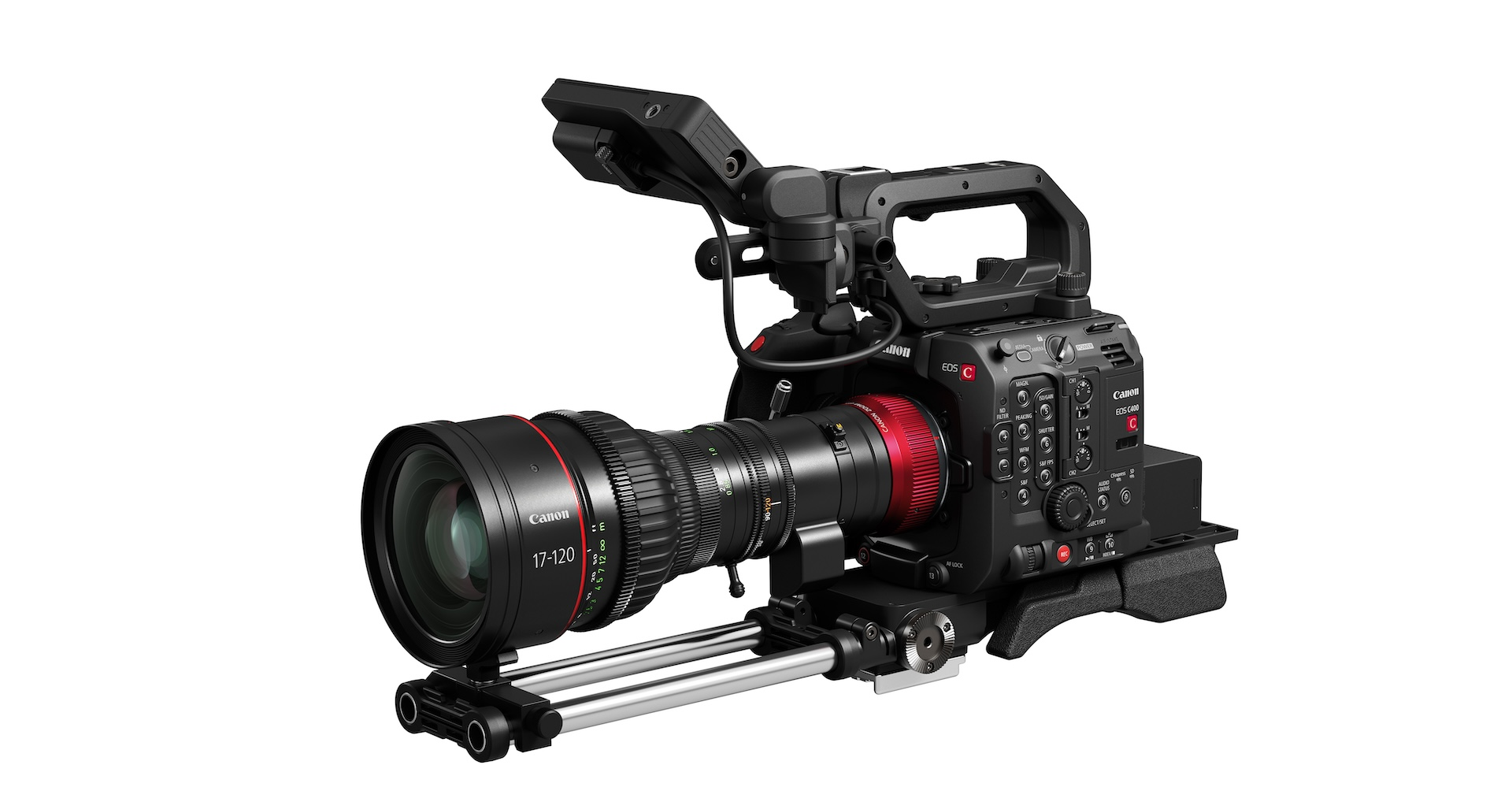
The single biggest functional difference is frame rate: the C400 records 6K RAW up to 60p, while the C80 caps out at 6K30p internally. For anyone who needs full-resolution slow motion or higher frame rate delivery at 6K, that's not a minor gap, it's the difference between a usable feature and a hard ceiling.
The C400 also adds a CFexpress card slot alongside SD, letting it record RAW to CFexpress while simultaneously writing to SD, something the C80's SD-only dual-slot design simply can't replicate at the same bitrates. That's a real practical advantage for productions relying on simultaneous backup or dual-format recording.
Autofocus: A Possible Edge for the C400
Canon's materials describe the C400's autofocus as "Dual Pixel CMOS AF II with EOS iTR AF X," while the C80's materials reference Dual Pixel CMOS AF II without that same additional branding. Whether that reflects a genuine hardware or software difference in subject tracking, or just inconsistent marketing copy between the two product pages, isn't fully clear from Canon's public materials, worth verifying directly with Canon or in hands-on testing if autofocus precision is a deciding factor for you.
What's Actually Identical
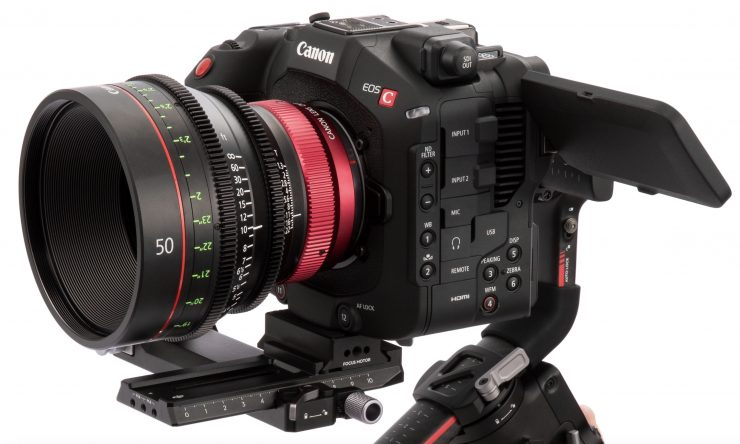
Sensor, resolution, base ISO structure, dynamic range claims, RF mount, and core color science are all shared between the two cameras. Neither is a downgraded or crippled version of the other in image quality terms, the C80 genuinely inherited the C400's core imaging capability rather than a lesser approximation of it.
Competitive Context
This is a cleaner "what does the premium buy" story than most sensor-sharing comparisons, because the list of differences is short and specific rather than spread across a dozen small compromises. Canon didn't nerf the C80's image quality to hit its price point, it limited frame rate ceiling and card-slot flexibility instead, arguably the two features easiest for a smaller production to live without.
The Signal in the Noise
For most solo shooters and small crews, the C80 delivers nearly everything the C400 offers at the sensor level for $2,500 less, and the C400's advantages (6K60p, CFexpress simultaneous recording) matter most to productions with specific, demanding delivery requirements rather than general-purpose cinema work. This is one of the cleaner cases in Canon's lineup of a genuinely worthwhile step-down rather than a compromised budget option.
Does 6K60p or CFexpress simultaneous recording matter enough to your actual deliverables to justify the $2,500 gap, or does the C80 cover everything you'd realistically need?
The Details
- Canon EOS C80: ~$5,500, 6K30p RAW cap, dual SD card slots only (V90 required for RAW), Dual Pixel CMOS AF II
- Canon EOS C400: $7,999.00, 6K60p RAW capable, CFexpress + SD dual slots (simultaneous RAW + backup recording), Dual Pixel CMOS AF II with EOS iTR AF X
- Shared specs: 6K full-frame BSI stacked sensor, triple base ISO (800/3200/12,800), 16 stops claimed dynamic range, RF mount, Cinema RAW Light format