X100VI vs. GR IV: Which One Actually Fits a Filmmaker's Life Outside Work
A cinema rig doesn't come to dinner. Here's which compact camera actually earns a spot in a filmmaker's everyday bag.

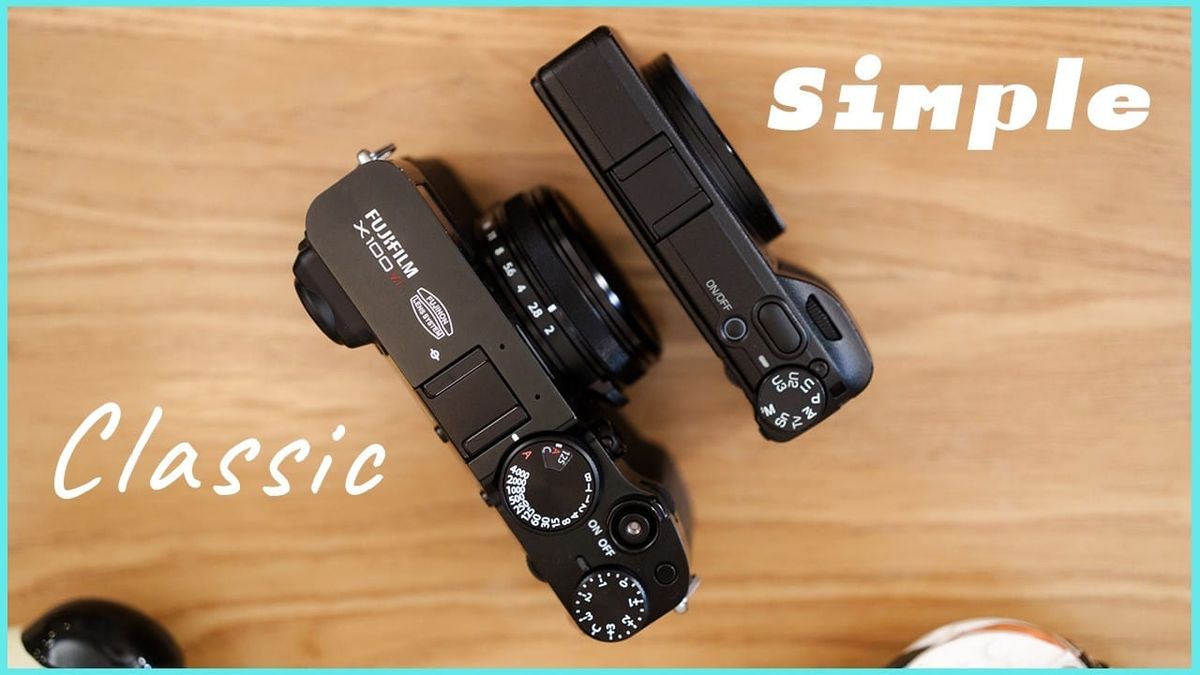
A cinema rig doesn't come with you to dinner, on a flight, or on a walk through a city you're visiting for the first time. That's the actual use case behind this comparison: which compact camera earns a permanent spot in your bag when the professional gear stays behind.
Two Very Different Ideas of "Compact"
The X100VI is a metal, rangefinder-style body with a hybrid optical/electronic viewfinder, physical dials, and a 40.2MP APS-C sensor behind a fixed 23mm f/2 lens (35mm full-frame equivalent). It's genuinely well-built and feels like a real camera in hand, but it's not pocketable in the way the name "compact" implies, you're carrying this cross-body or in a bag, not slipping it into a jacket.
The GR IV goes the opposite direction entirely: ultra-slim, rear-LCD-only, no viewfinder at all, built around a 25.7MP APS-C sensor and an 18.3mm f/2.8 lens (28mm equivalent). It's small enough to disappear into a jeans pocket, which is the entire point of the GR line and has been since the film era.
Video Isn't Really a Fair Fight Here
Worth being upfront about this: the X100VI shoots genuinely usable video, up to 6.2K/30p and 4K/60p. The GR IV caps out at 1080p/60fps with no 4K option at all, video has never been Ricoh's priority with this line, and the IV doesn't change that. If you want a compact that can occasionally step in for B-roll or a quick interview setup, that capability only exists on one side of this comparison.
What Each Camera Actually Asks of You
The X100VI rewards engagement: manual dials, a viewfinder to compose through, Fujifilm's film simulations baked into JPEGs you might actually want to share straight off the camera. It's a camera you deliberately pick up and shoot with, not one you forget you're carrying.
The GR IV asks for almost nothing. Turn it on, and Ricoh's signature Snap Focus mode lets you shoot from the hip at a pre-set focus distance with essentially no shutter lag, built for the exact moment when raising a camera to your eye would mean missing the shot entirely.
Competitive Context
Both cameras have gone genuinely viral well beyond typical camera-enthusiast circles, driven partly by TikTok attention on the X100 line specifically, and both have suffered real, sustained stock shortages as a result, in some regions the X100VI has sold via lottery rather than standard preorder. That's a real signal that demand for a well-made compact, separate from any cinema camera or phone, hasn't gone away, if anything it's intensified.
The Signal in the Noise
For a filmmaker, the honest framing is less "which is the better camera" and more "which failure mode do you want." The X100VI can let you down by being too much camera to carry every single day. The GR IV can let you down by tempting you to leave your only camera at home because it's easy to forget you own it. Neither is wrong, they're just built around different relationships with the person carrying them.
Do you want a camera you deliberately choose to bring, or one small enough that leaving it behind never feels like a real decision?
The Details
- Fujifilm X100VI: ~$1,599, 40.2MP APS-C sensor, 23mm f/2 (35mm equivalent), hybrid OVF/EVF, 6-stop IBIS, video up to 6.2K/30p and 4K/60p
- Ricoh GR IV: ~$1,496.95, 25.7MP APS-C sensor, 18.3mm f/2.8 (28mm equivalent), rear LCD only (no viewfinder), 5-axis sensor-shift stabilization, video capped at 1080p/60p (no 4K)
- Both cameras have experienced sustained global shortages tied to viral social media demand