H3 Max Now Ships With 5 Built-In Styles, Including a Full VHS Look
fal added 5 built-in visual styles to H3 Max, including a VHS preset with adjustable tape damage, all priced at $0.08 per second.

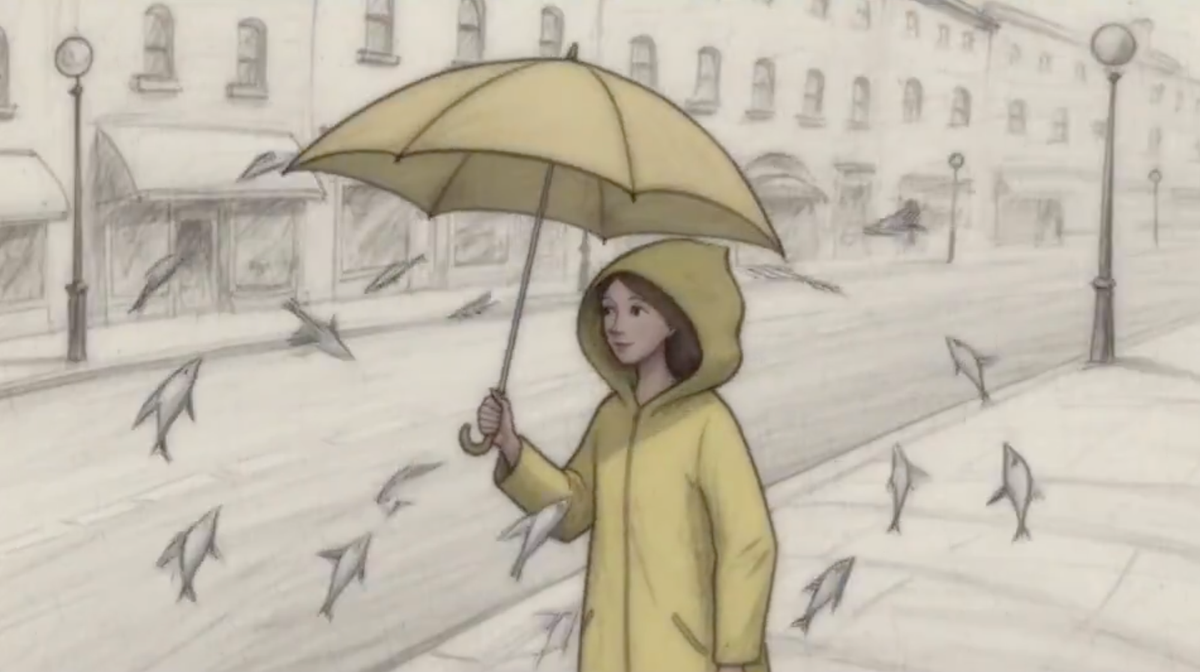
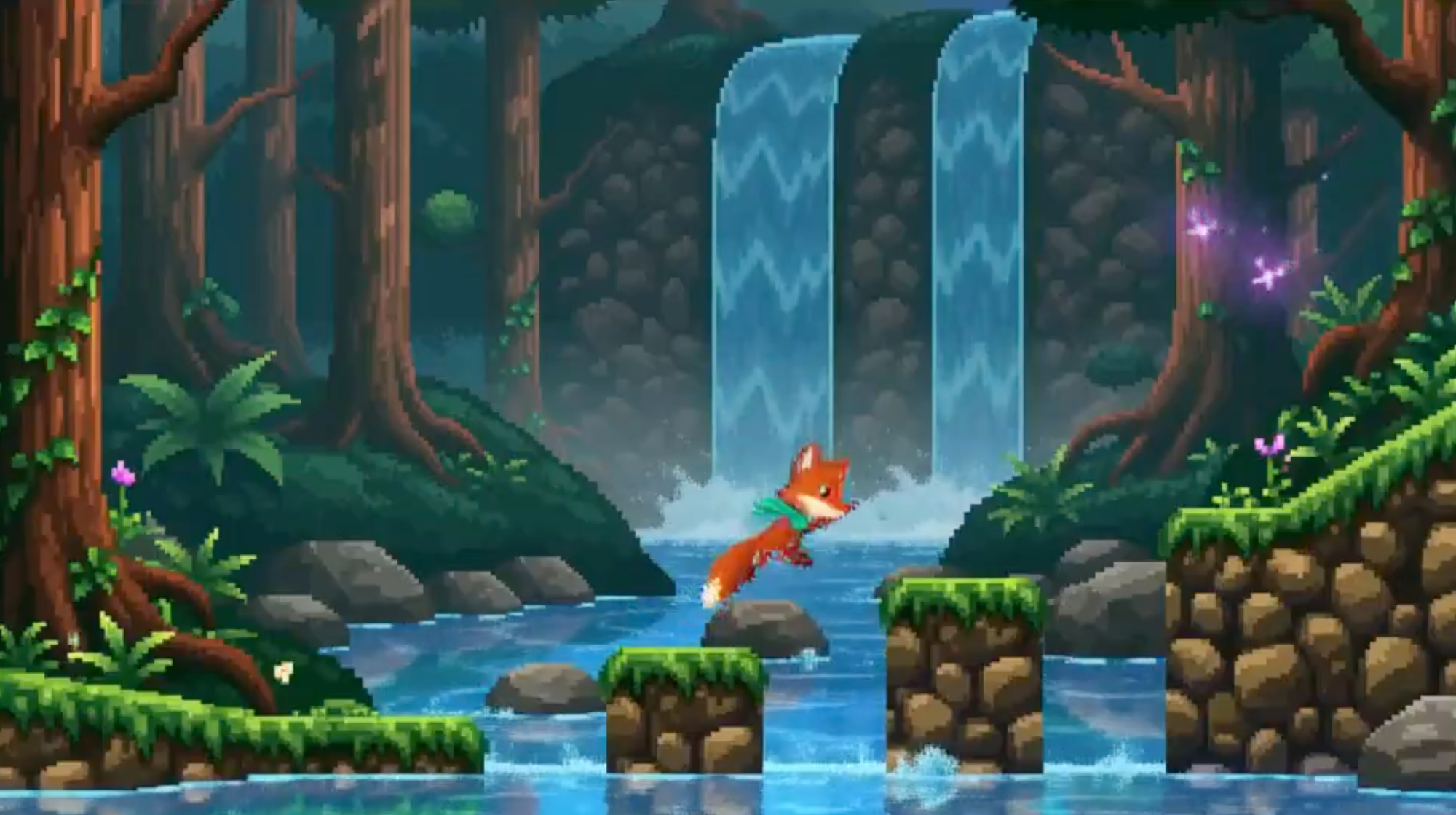
fal added five built-in visual styles directly to H3 Max, its fast MiniMax H3 video model: 16-bit pixel art, hand-drawn, low-poly, 70s retro toon, and VHS. Instead of trying to describe a specific look in a text prompt and hoping the model interprets it consistently, each style is now its own dedicated endpoint tuned specifically for that aesthetic.
What Each Style Actually Does
H3 Max Styles are now live on fal.
— fal (@fal) September 21, 2026
H3 Max is our fastest frontier video model. Now, you can generate with a specific visual aesthetic built directly into the model:
- 16-bit pixel art, hand-drawn, low-poly, 70s retro toon, and VHS
- Generate from a text prompt or reference… pic.twitter.com/fJAamm8QEe
All five generate 768p video with synced audio, from either a text prompt or an optional first-frame reference image, supporting clips from 5 to 15 seconds long. fal describes each as capturing its own specific textures, color palettes, motion, and visual details, rather than applying a generic filter over standard output.
The VHS style stands out with an extra layer of control: adjustable tape damage, ranging from subtle analog noise up to strong tracking distortion and signal breakup. That's a genuinely deep, specific feature for a single preset, letting you dial in exactly how degraded the footage looks rather than getting one fixed intensity.
Why a Dedicated VHS Style Is Notable
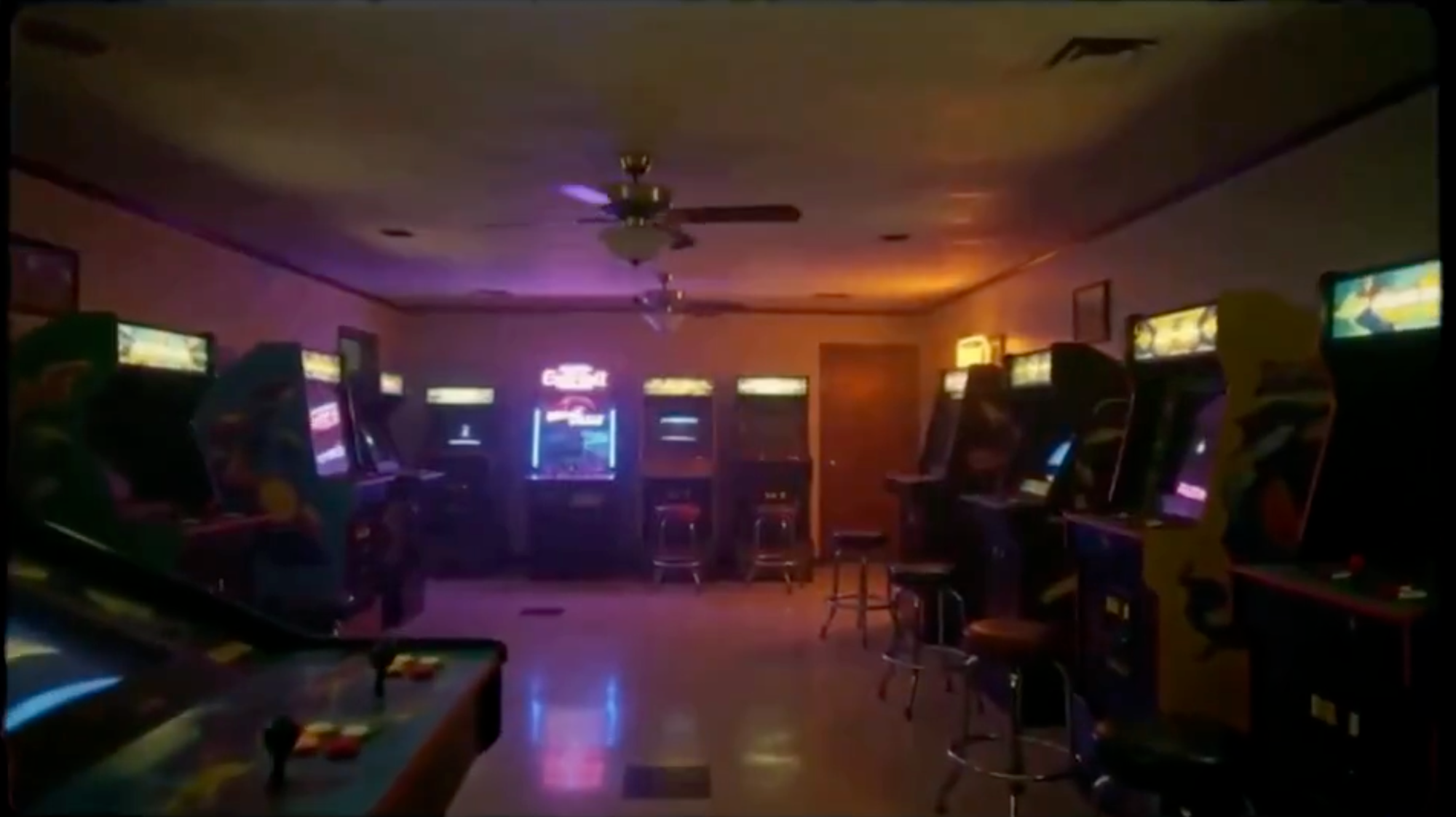
Recreating convincing analog video damage, tracking errors, chroma bleed, tape wear, has historically been something creators had to build themselves, either through custom LoRA training or manual post-production work. A style like this baked directly into a major, fast, officially supported model signals that specific retro aesthetics have real enough demand to justify dedicated engineering, not just a niche prompt trick.
Pricing
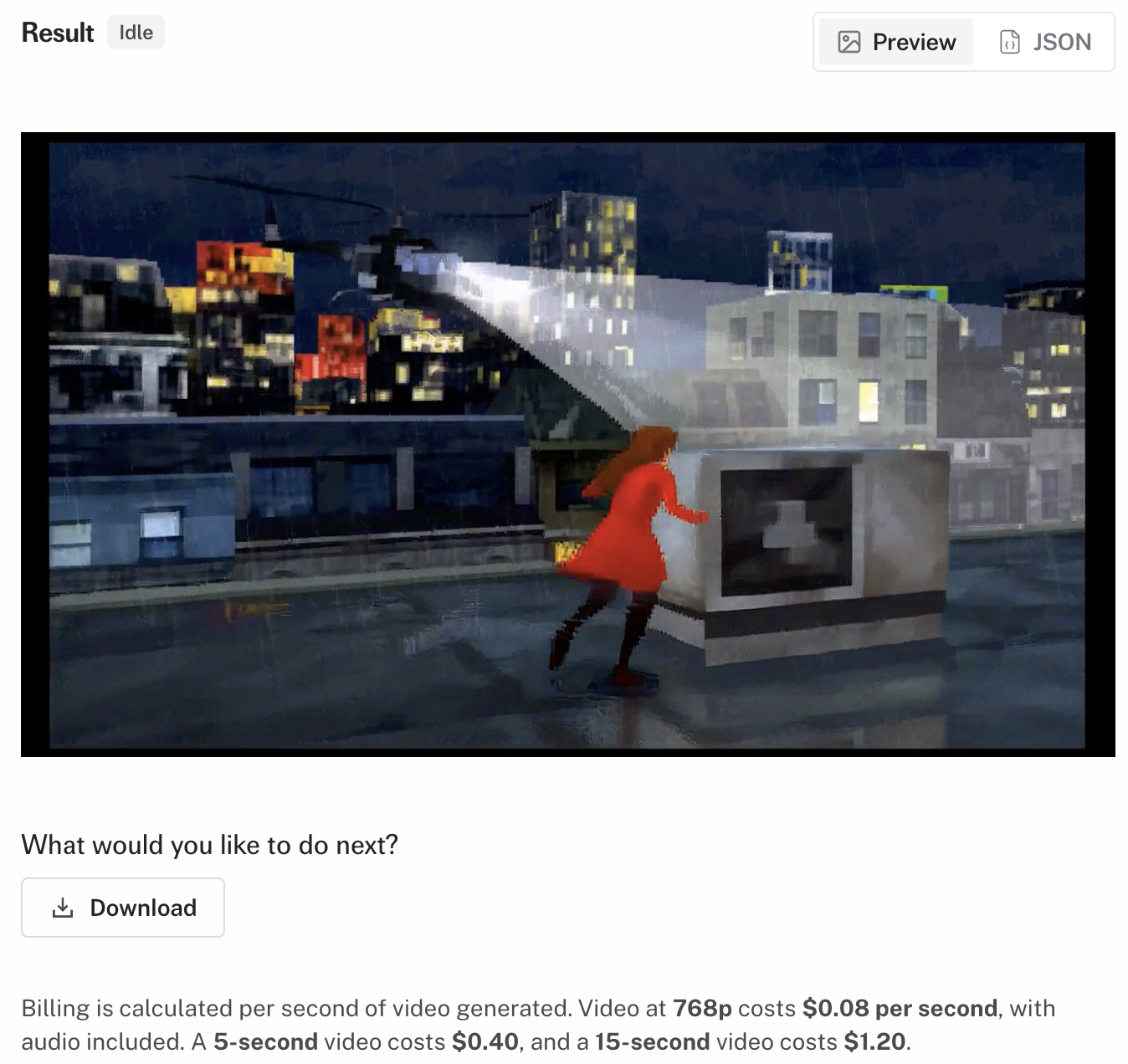
All five styles share the same pricing: $0.08 per second of 768p video, audio included. A 5-second clip costs $0.40; a 15-second clip runs $1.20. That matches H3 Max's existing standard pricing structure, these style presets aren't a premium add-on, just a more targeted way to reach a specific look through the same model.
Competitive Context
Style-locked generation endpoints are becoming a real pattern across AI video platforms, rather than relying entirely on prompt engineering to nail a consistent aesthetic, providers are increasingly shipping purpose-built presets tuned for popular, specific looks. That tracks with a broader shift in how these tools are being used: less "describe anything imaginable" and more "reliably nail this exact style, every time."
The Signal in the Noise
Dedicated style endpoints solve a real, practical problem: prompt-based style control is inconsistent, the same descriptive words can produce meaningfully different results across generations. A model specifically tuned for one aesthetic removes that guesswork, at the cost of flexibility, you're choosing from five specific looks rather than describing an infinite range of styles yourself.
Would a fixed set of dedicated style presets like this cover what you'd actually want from an AI video tool, or does that trade too much creative flexibility away compared to prompting a style yourself?
Specs & Pricing
- Styles: 16-bit pixel art, hand-drawn, low-poly, 70s retro toon, VHS
- Base model: H3 Max, fal's speed-optimized MiniMax H3 variant
- Output: 768p video with synced audio
- Duration: 5-15 seconds
- Input: text prompt or optional first-frame reference image
- VHS-specific control: adjustable tape damage, from subtle analog noise to heavy tracking distortion
- Pricing: $0.08/second (all styles); $0.40 for 5s, $1.20 for 15s