Lumix SHX1 SSD Recording: The 2 TB Limit, the Card Lockout and the SD Proxy Option

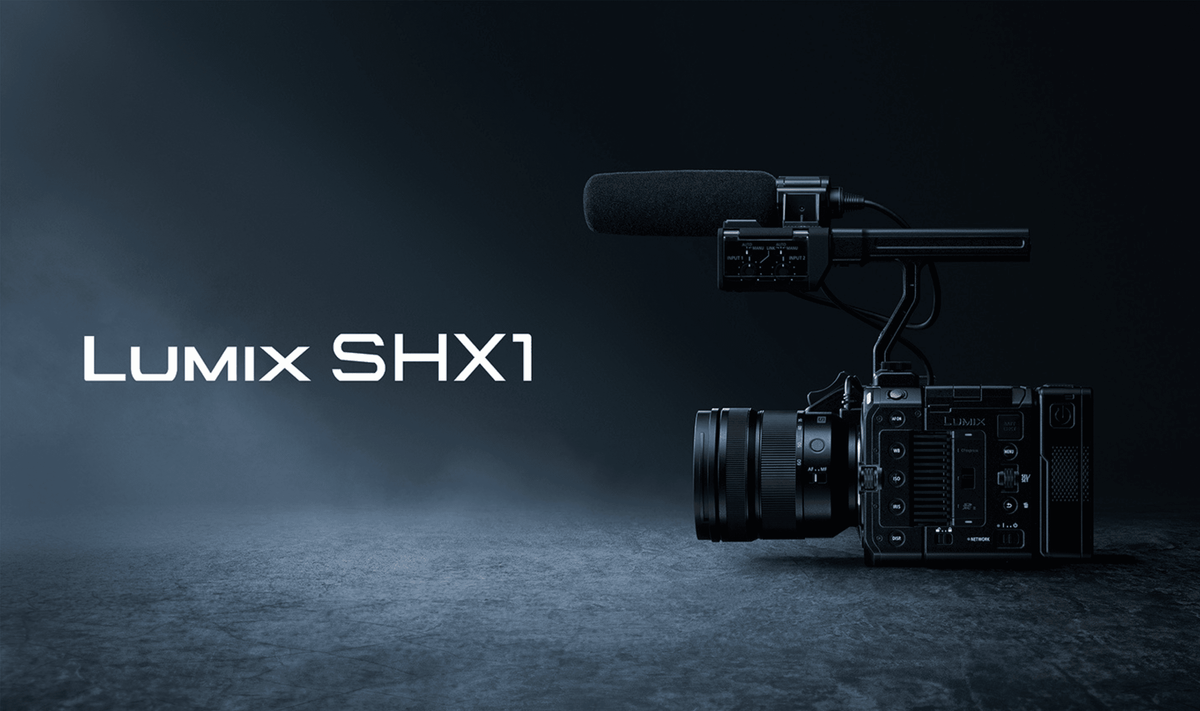
The Lumix SHX1 records Blackmagic RAW directly to an external USB-C SSD, a first for a LUMIX camera, and the drive comes with rules that card recording doesn’t have.
Panasonic limits the SSD to 2 TB, locks out card recording while the drive is in use, and still allows a proxy file to run to an SD card.
What Records Where
The SHX1 splits its two RAW formats across different media.
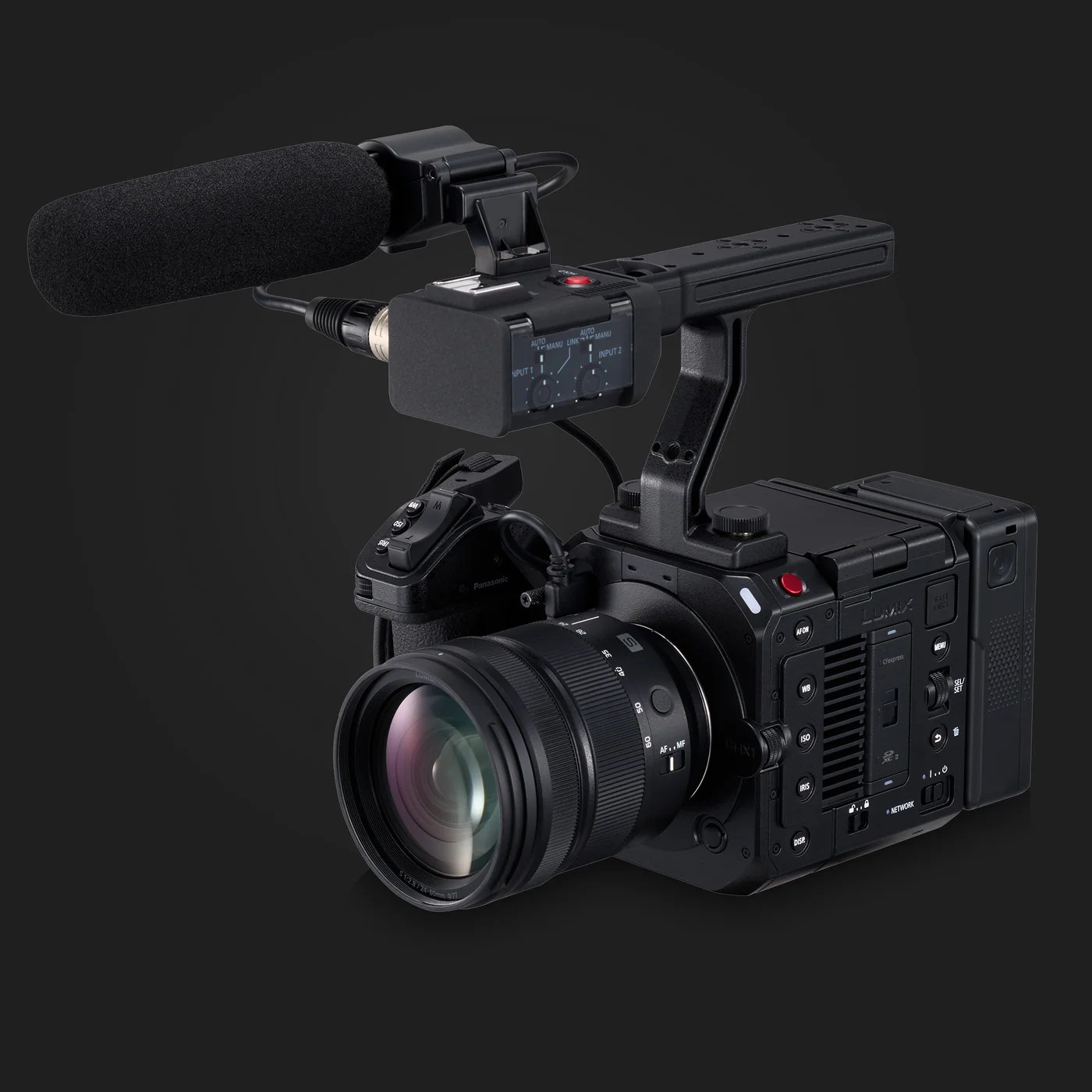
Blackmagic RAW records to an external SSD over USB-C, with no external recorder needed. Apple ProRes RAW HQ and ProRes RAW record internally to a CFexpress Type B card.
The body has dual card slots for CFexpress Type B and SD, with a lock lever on the card door.
It also has two locking USB-C terminals. One handles the SSD connection, and the other takes USB Power Delivery.
The 2 TB Limit
Panasonic’s footnote says to use an external SSD of no more than 2 TB that is compatible with USB Type-C.
Panasonic recommends SSDs it has confirmed, and says compatibility isn’t guaranteed on every drive.
The company keeps the latest information on external SSDs on its support site, so the list can change after launch.
The Card Lockout
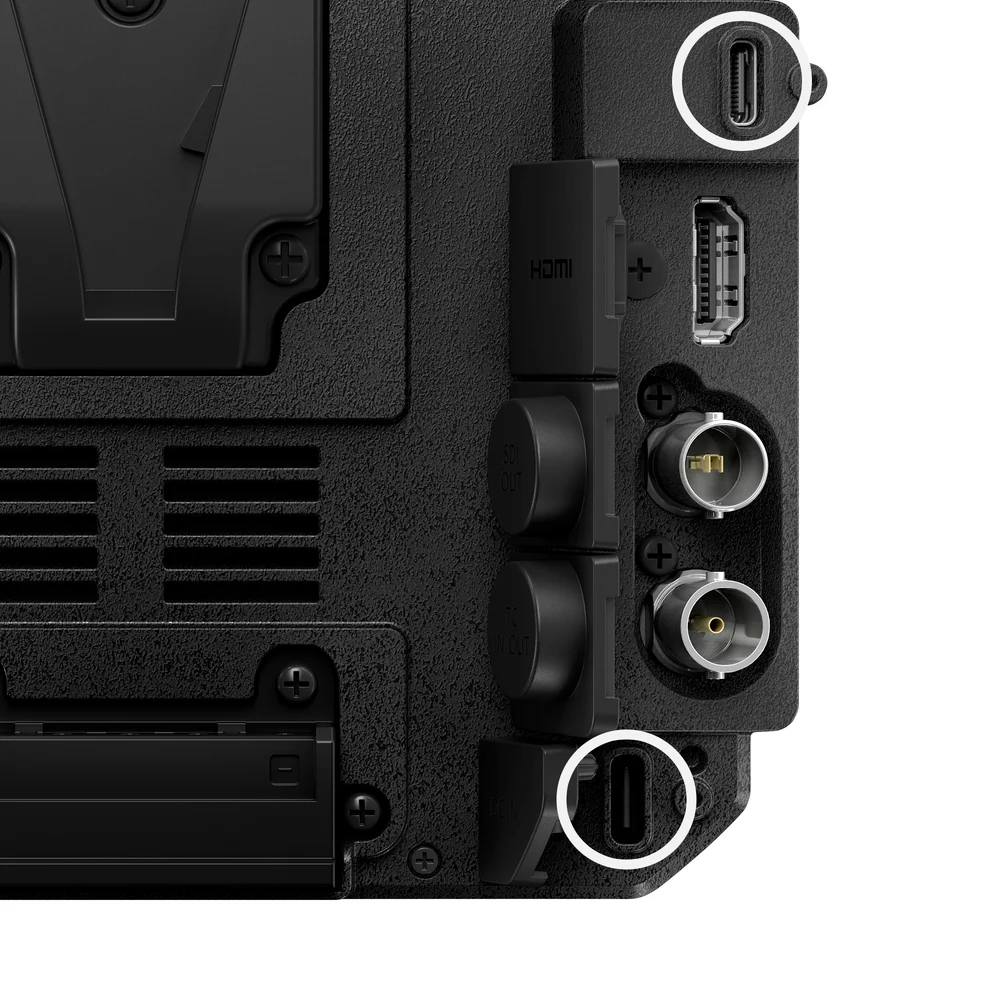
While the camera records to an external SSD, it can’t record at the same time to an SD card or a CFexpress Type B card.
That means a Blackmagic RAW recording has a single destination. There is no second card copy of the same clip running alongside the drive.
The SD Proxy Option
Panasonic does allow one exception. The main video can record to the SSD while a proxy file records to an SD card at the same time.
A proxy gives an editor a lightweight copy to work with while the full-quality RAW files stay on the drive.
Blackmagic RAW Modes

Panasonic lists Open Gate recording in Blackmagic RAW at 6K 24p, with a slight crop. It also lists 6K 30p and 5.1K 60p in 3:2, alongside 3.8K 48p 4:2:2 10-bit recording.
Blackmagic RAW files open in DaVinci Resolve without conversion, and Blackmagic color science can be selected to help match footage with Blackmagic cinema cameras.
What Panasonic Hasn’t Published
Panasonic’s announcement doesn’t list bitrates, file sizes or recording times per drive.
That leaves one open question for planning: how long a 2 TB drive lasts in each Blackmagic RAW mode.
Competitive Context
The SHX1’s SSD route is one of two RAW approaches among compact cinema cameras.
Sony’s FX5 records 16-bit X-OCN RAW internally, with dual slots for CFexpress Type A and UHS-II SD cards. BRC compared the two bodies in Lumix SHX1 vs Sony FX5.
For background on the sensor-area recording the SHX1 offers in Blackmagic RAW, see what open gate means.
The Signal in the Noise
For anyone planning to shoot Blackmagic RAW, the SSD is part of the camera kit, because it’s the only way the camera records that format.
ProRes RAW users need a CFexpress Type B card instead, and Panasonic’s release doesn’t tie either format to a particular drive or card model.
The 2 TB cap and the card lockout shape the workflow. The drive is the only recording destination for that format, and the SD proxy is the one thing that can run beside it.
Panasonic’s list of confirmed SSDs is the reference to check before buying a drive.