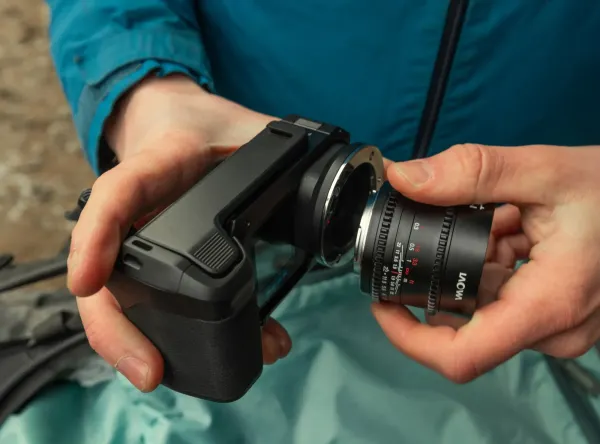
Nikon ZR vs. Z6III: Nikon Makes Its Own Case for the Cinema Body
Nikon published its own ZR vs. Z6III comparison. Same 24.5MP sensor, but R3D RAW, a 4-inch screen and 32-bit audio make the case for the ZR.

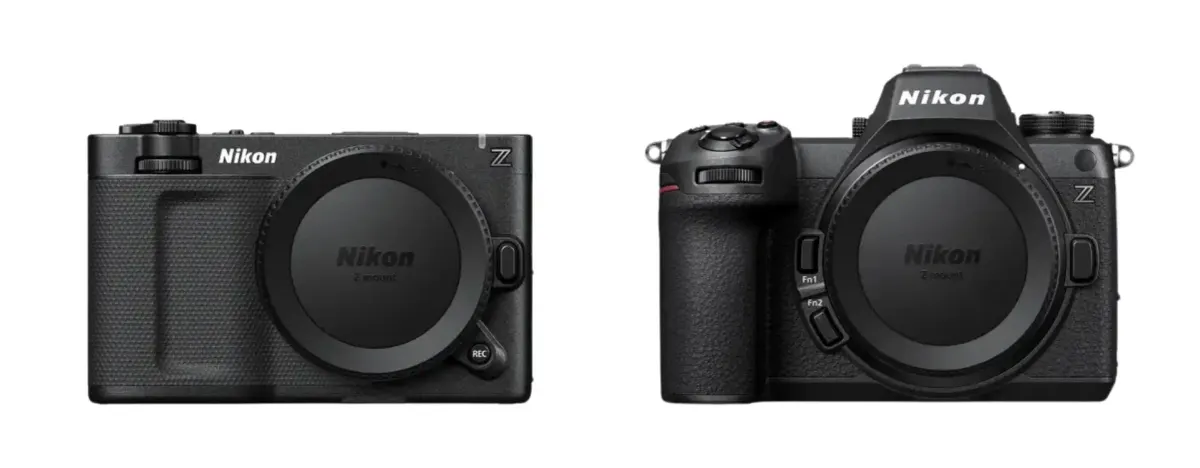
Nikon India has published a comparison of the ZR and the Z6III, two cameras built around the same 24.5MP partially stacked full-frame sensor and EXPEED 7 processor. Nikon’s argument is that the split between them is about handling and workflow, not image quality, and that the ZR is the one built for filmmaking.
The question matters because the cameras sit close on price. On Nikon USA, the ZR, now sold as the Nikon RED ZR, starts at $2,199.95, while the Z6III currently starts at $1,999.95.
What Nikon Says Sets the ZR Apart
The biggest difference is RED’s influence. The ZR records internal 6K/60p R3D NE, a 12-bit RAW format developed with RED, alongside N-RAW and ProRes RAW HQ. Nikon claims over 15 stops of dynamic range in R3D NE, based on its own measurements.
The ZR also swaps the Z6III’s viewfinder for a 4-inch, 1,000-nit DCI-P3 monitor. It adds 32-bit float audio recording through its built-in mics or a compatible external input, which means far less worry about clipped audio.
It’s also lighter, at about 540g versus about 670g for the Z6III, body only. Nikon pitches it for solo and small-crew work like weddings, short films, documentary and fast-paced handheld video.
What the Z6III Keeps
Nikon positions the Z6III for hybrid stills and video work, such as events, portraiture and wildlife. It has a 5,760k-dot electronic viewfinder rated at 4,000 nits, a mechanical shutter and slightly stronger stabilization, at 8.0 stops versus 7.5 for the ZR.
On video, it still records internal 6K/60p N-RAW and 6K/30p ProRes RAW HQ, so RAW shooters aren’t left out. It also uses a full-size UHS-II SD slot and a full-size HDMI port, where the ZR uses a UHS-I microSD slot and micro HDMI.
DPReview’s review of the ZR flagged those ports as drawbacks, along with the lack of an open gate mode. Because the ZR has no mechanical shutter, flash sync is limited to 1/60 second, which matters to anyone who also shoots stills.
Firmware Is Still Moving the ZR Forward
Nikon USA lists ZR Firmware 2.0 as in development. It adds Log3G10, adjustable high-ISO noise reduction in H.265, and focus peaking in R3D NE.
That puts more of RED’s color pipeline into a $2,200 body. For background on Nikon’s other RAW format, see What Is N-RAW? Nikon’s RAW Video Format Explained.
Competitive Context
The ZR’s closest rivals are compact full-frame video bodies like Sony’s FX3 line and Panasonic’s Lumix S9. DPReview found the ZR’s rolling shutter better controlled than the S9’s, and preferred its autofocus and controls.
Within Nikon’s own lineup, the Z5 IIc is the budget alternative, covered in Nikon Z5 IIc vs. Nikon ZR. The Z6III sits in between as the hybrid choice.
The Signal in the Noise
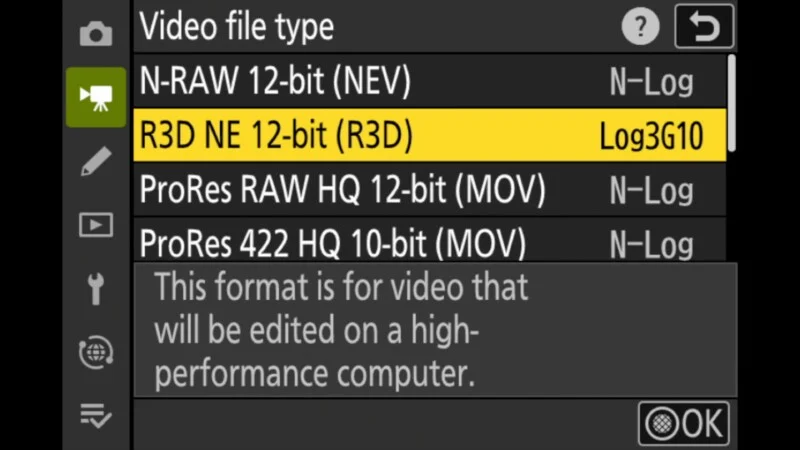
Nikon is clearly steering filmmakers toward the ZR, and the case holds up for video-first shooters. R3D NE, the big monitor and 32-bit float audio are real workflow upgrades, and the $200 premium is small for what they add.
The Z6III still makes more sense for anyone who shoots stills as often as video, or who wants a viewfinder and full-size ports. Its current $1,999.95 price makes it one of the stronger hybrid deals in full frame.
Which would you pick for your kit: the ZR or the Z6III? Share what tipped the decision in the comments.
Specs & Pricing
| Nikon RED ZR | Nikon Z6III | |
|---|---|---|
| Price (Nikon USA) | $2,199.95 | $1,999.95 |
| Sensor | 24.5MP partially stacked full frame | 24.5MP partially stacked full frame |
| Top RAW recording | 6K/60p R3D NE, N-RAW, ProRes RAW HQ | 6K/60p N-RAW, 6K/30p ProRes RAW HQ |
| Viewfinder | None | Yes |
| Rear screen | 4-inch, 1,000-nit | 3.2-inch |
| Audio | 32-bit float | Standard |
| Stabilization | Up to 7.5 stops | Up to 8.0 stops |
| Mechanical shutter | No | Yes |
| Second card slot | microSD | Full-size SD |
| Weight (body only) | About 540g | About 670g |