The Best Micro Four Thirds Lenses for GoPro's Mission 1 Pro ILS
The Mission 1 Pro ILS requires fully manual MFT glass. Here's GoPro's own recommended Laowa lineup plus budget alternatives worth knowing.

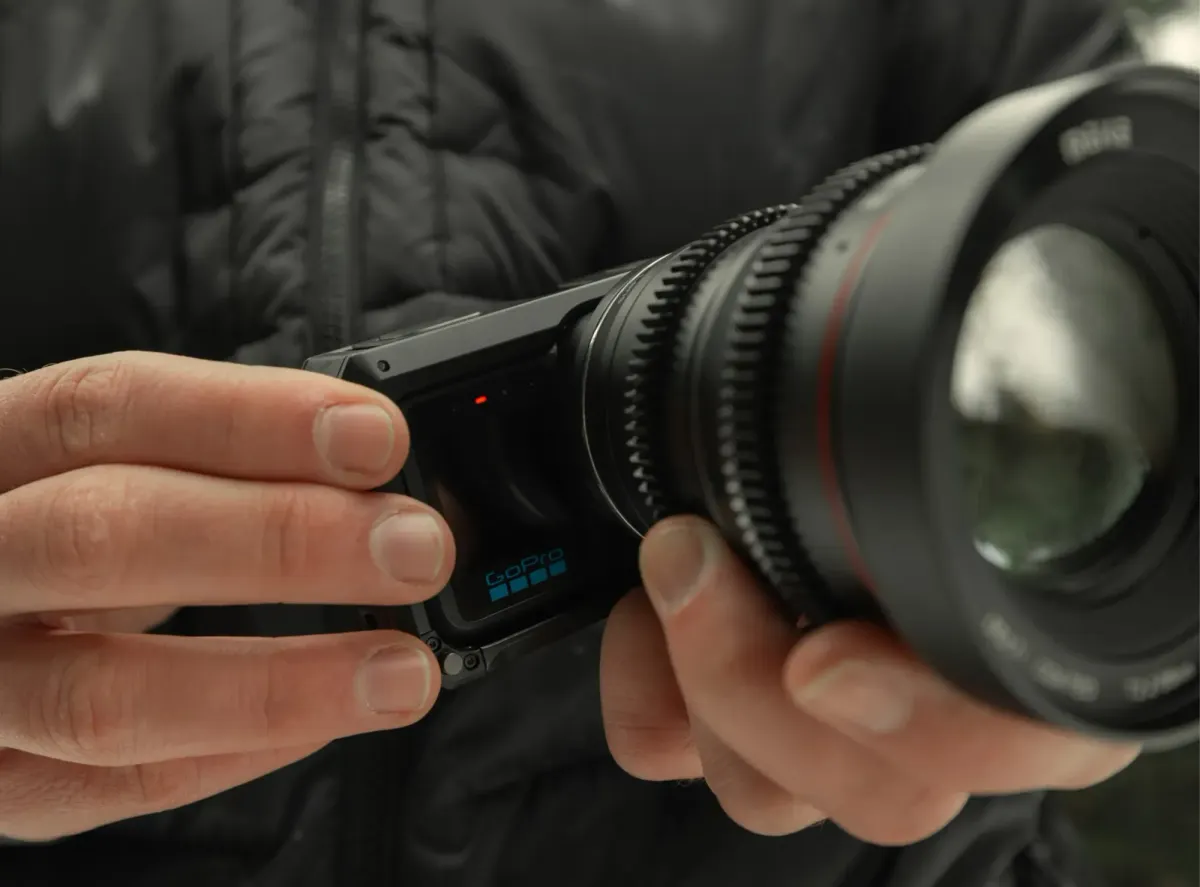
GoPro's Mission 1 Pro ILS opened the company's ecosystem to Micro Four Thirds glass for the first time, but the mount comes with a real constraint: no electronic contacts at all. Every lens on this camera has to be fully manual, focus and aperture both, which rules out the vast majority of modern MFT autofocus lenses right out of the gate. Here's what actually works, starting with GoPro's own testing picks.
The Crop Factor You Need to Account For
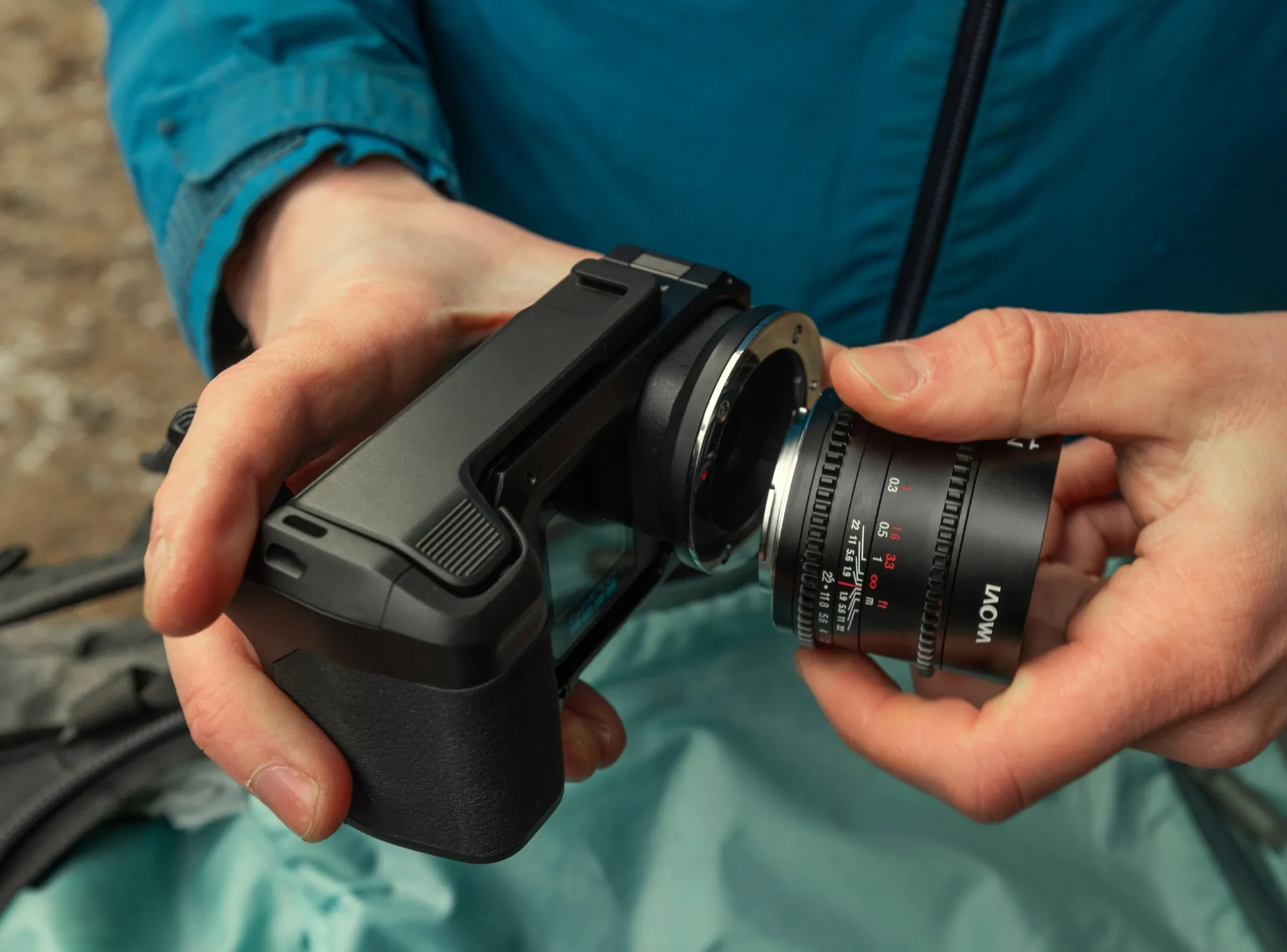
Before choosing glass, it's worth understanding what a Micro Four Thirds lens actually does on this camera. The Mission 1 Pro ILS uses a 1-inch sensor, smaller than a native MFT sensor, so an MFT lens mounted here produces a tighter field of view than it would on an actual Micro Four Thirds camera body. GoPro's own product page states a 3x crop factor relative to full frame; independent reviewers at PetaPixel and TechRadar measured closer to 2.7x in hands-on testing. Either way, a 7.5mm MFT lens behaves more like a roughly 20mm-equivalent lens here, not the 15mm-equivalent it would be on a true MFT body. Worth doing that math before ordering a specific focal length expecting a particular framing.
GoPro's Own Recommended Lineup
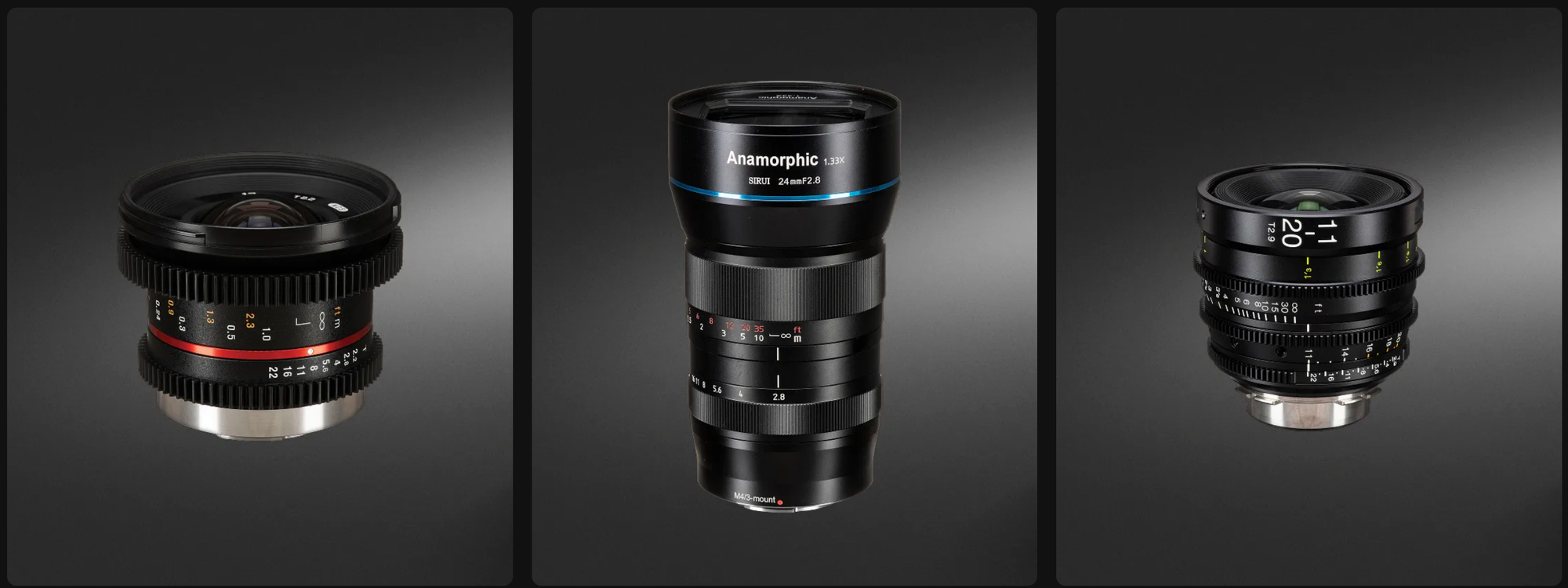
Ahead of launch, GoPro loaned a curated set of Laowa lenses to reviewers and creators for testing, giving a real starting point rather than a generic "best MFT lenses" list:
- Laowa 4mm f/2.8 Circular Fisheye — a 210° circular fisheye built for full 360° panoramas and VR-style footage
- Laowa 6mm T2.1 Zero-D MFT Cine — the widest rectilinear cine lens available for Micro Four Thirds, 121.9° angle of view, minimal distortion
- Laowa 7.5mm f/2 Zero-D ("Compact Dreamer") — a 110° ultra-wide rectilinear lens, the widest f/2 optic in the MFT lineup, well suited to astro and low-light work
- Laowa 9mm f/2.8 Zero-D — a compact wide-angle prime, 100° angle of view, close to zero distortion
- Laowa 17mm f/1.8 C-Dreamer — a fast standard prime at 65° angle of view (34mm full-frame equivalent), suited to street, travel, and portrait work
- Laowa 4.5-10mm f/2.8 CF Zoom Fisheye — a parfocal zoom shifting from a 180° circular fisheye to a full-frame diagonal fisheye without swapping glass
- Laowa 50mm T2.9 Macro APO MFT Cine — an apochromatic macro cine lens capable of up to 2x magnification
Multiple independent reviewers, including PetaPixel and Engadget, actually shot with the 7.5mm Compact Dreamer during testing, making it the closest thing to a proven default wide-angle option right now.
Budget Alternatives Worth Knowing
The Laowa lineup isn't the only option. GoPro's own HyperSmooth compatibility list explicitly includes several budget fisheye lenses alongside the Laowa 4mm: the 7Artisans 6mm f/2, 7Artisans 7.5mm f/2.8, Brightin Star 7.5mm f/2.8, and Meike 7.5mm f/2.8, all of which get in-camera stabilization support out of the box. Engadget and Yahoo's review team also tested a 7Artisans 25mm alongside the Laowa 7.5mm, giving the camera a genuinely usable standard-length option well below Laowa pricing.
For rectilinear lenses beyond fisheye, GoPro states it has tested focal lengths from 6mm to 500mm for HyperSmooth compatibility, with lenses up to 50mm guaranteed to perform well and anything longer delivering more variable results.
Competitive Context
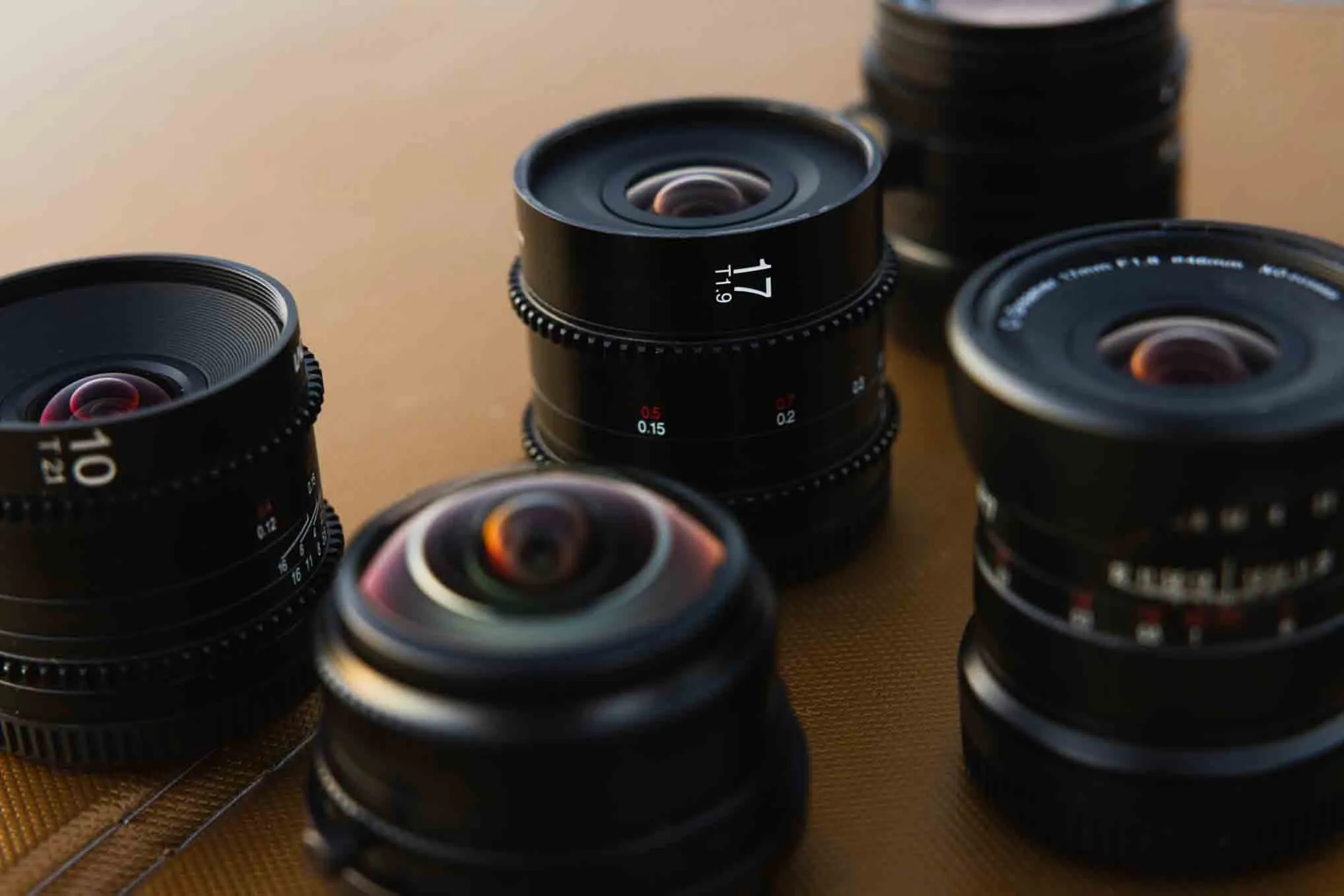
Kowa, Veydra, and Zeiss all make cinema-oriented MFT glass that predates this camera entirely, and at least one reviewer noted borrowing lenses from those brands for more comprehensive testing beyond what GoPro provided. That's a meaningful signal: this camera didn't create a lens ecosystem from scratch, it opened access to one that's existed for cinema shooters for years, just never been mountable on a GoPro body before.
The Signal in the Noise
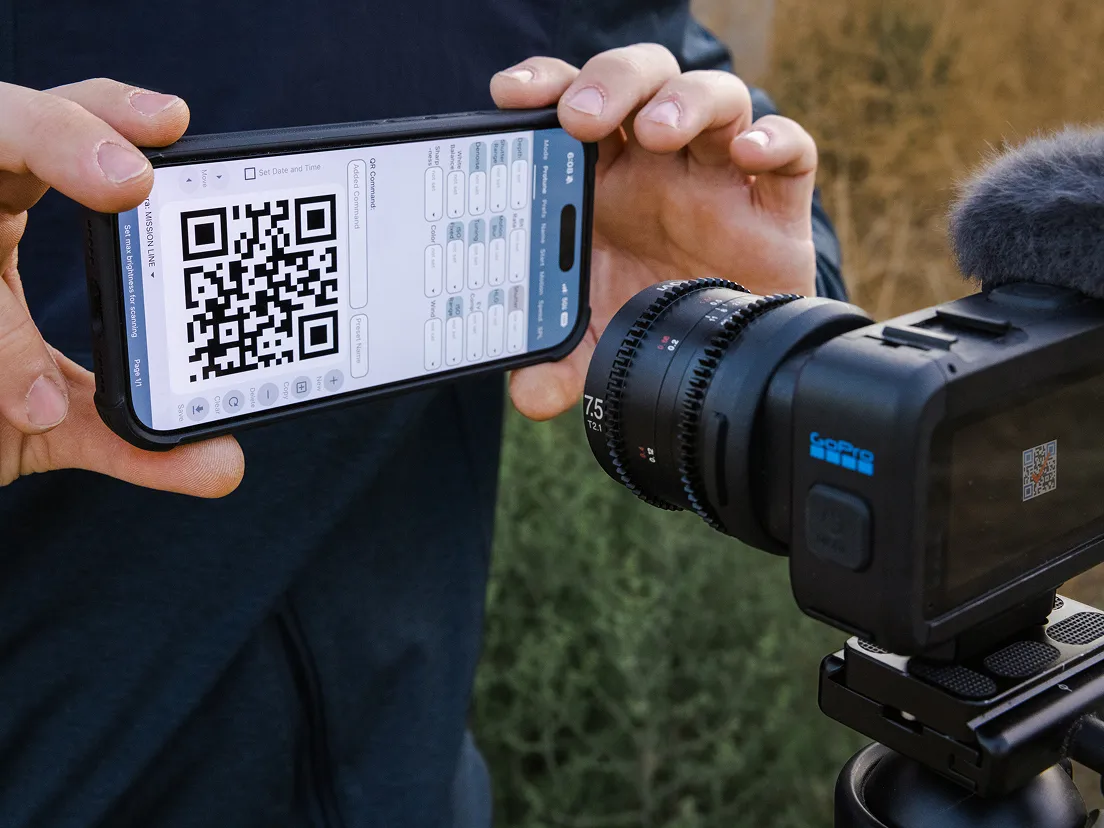
GoPro is betting that opening its rugged, compact form factor to real interchangeable glass is worth sacrificing autofocus and one-button simplicity for. The lens choice matters more here than on almost any other GoPro product, because the Mission 1 Pro ILS ships with no lens included at all. Whatever you mount first will define what this camera can actually do for you.
Which use case would push you toward the fisheye end of this lineup versus the standard-length options, action mounting or narrative filmmaking?
Specs & Pricing
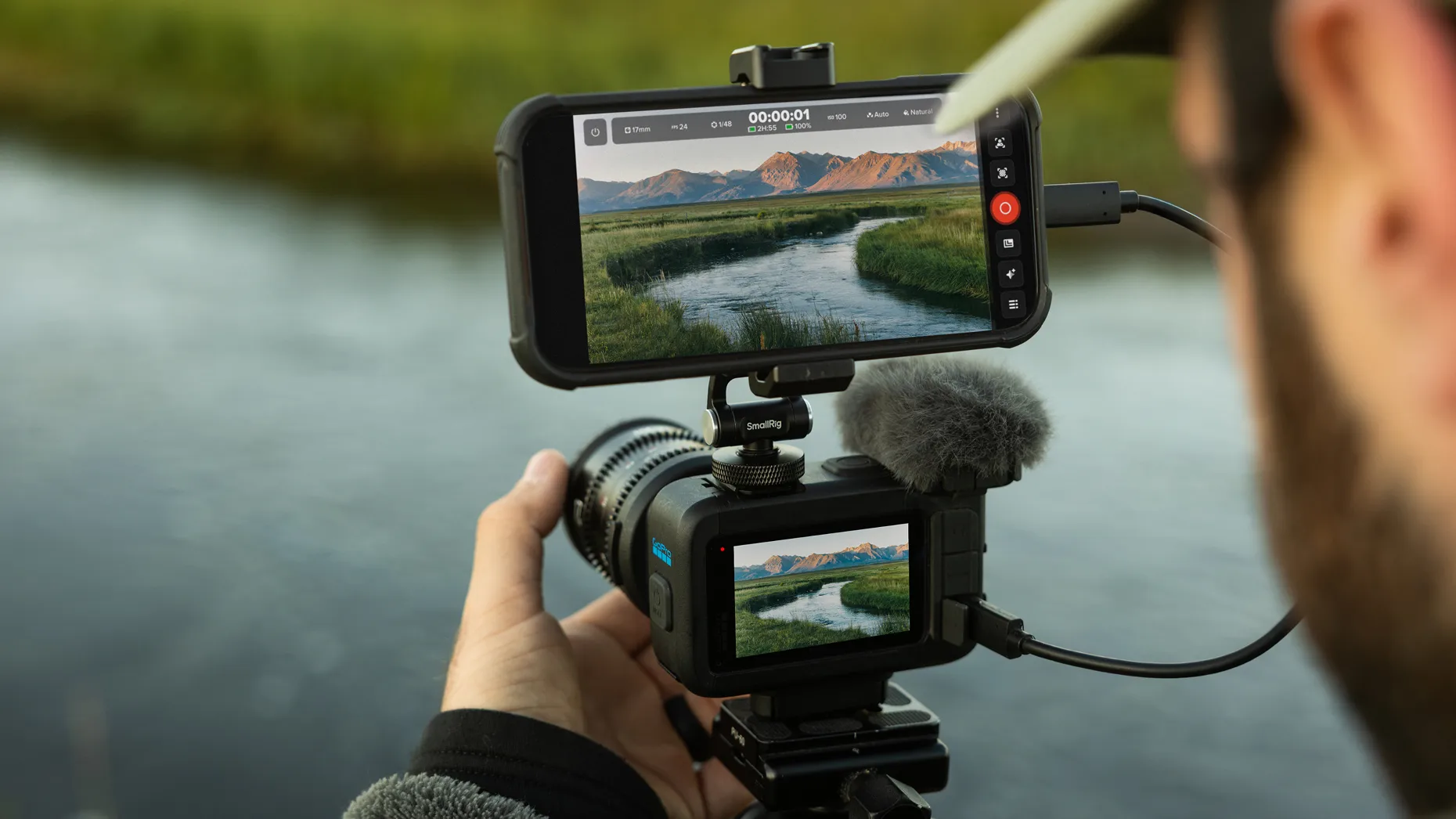
- Camera: GoPro Mission 1 Pro ILS, $699.99 body only, lenses sold separately
- Weight consideration: GoPro recommends added support for MFT lenses heavier than 250g
- Laowa 7.5mm f/2 "Compact Dreamer": 110° AOV, manual focus/aperture, historically priced around $499 (check Venus Optics or B&H for current pricing)
- HyperSmooth-compatible fisheye lenses: Laowa 4mm f/2.8, 7Artisans 6mm f/2, 7Artisans 7.5mm f/2.8, Brightin Star 7.5mm f/2.8, Meike 7.5mm f/2.8
- HyperSmooth-compatible rectilinear range: 6mm to 500mm tested, guaranteed performance up to 50mm
- Requirement: all lenses must be manual focus with manual or fixed aperture (no greater than f/4.5); electronically controlled lenses are not supported