The Best Cards for the Sony FX5, and the One Certification That Actually Matters
The Sony FX5's top RAW modes require VPG400-certified cards specifically. Here's what actually qualifies, and what's worth buying instead.

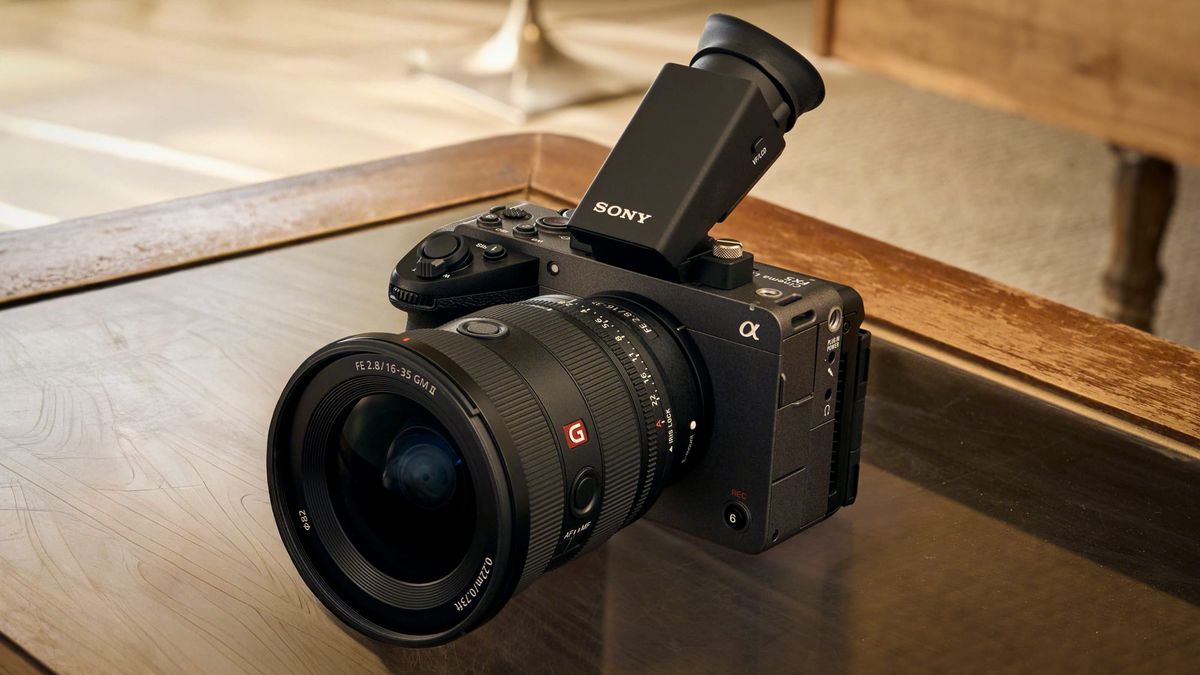
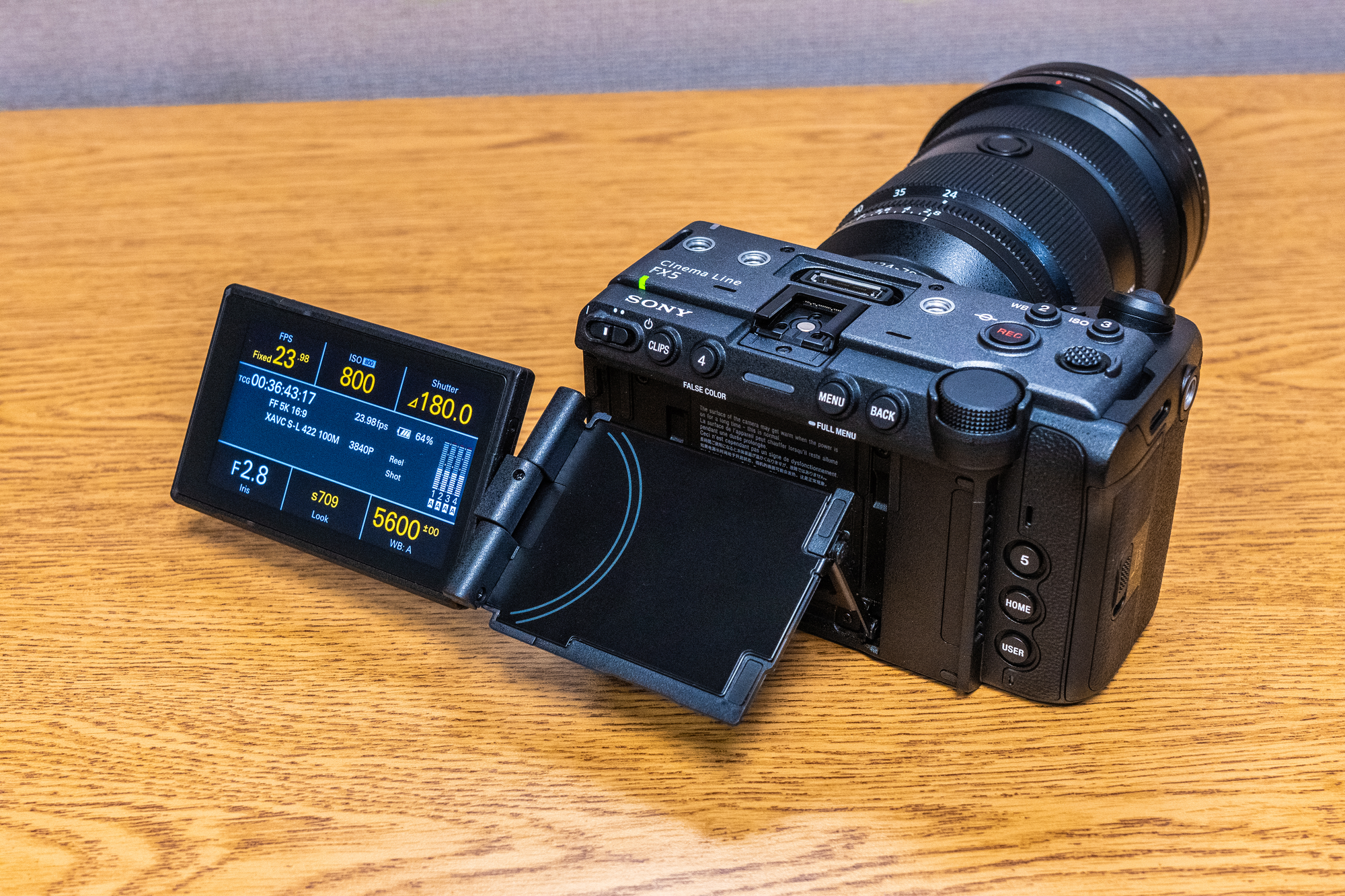
Sony's FX5 buries a real cost surprise in its spec sheet: the camera's most demanding recording modes, including 16-bit RAW and Open Gate, require CFexpress Type A cards carrying a VPG400 certification specifically, not just any fast card. That single requirement can add hundreds of dollars to a card budget most buyers don't see coming.
What VPG400 Actually Means

VPG stands for Video Performance Guarantee, a standard set by the CompactFlash Association. A VPG200 card guarantees a minimum sustained write speed of 200 MB/s; VPG400 guarantees 400 MB/s. The distinction matters because a card's advertised maximum speed and its guaranteed minimum sustained speed are two different numbers, and video recording cares about the sustained figure, not the peak burst number printed on the box.
Best Real-World Performance: OWC Atlas Pro CFexpress 4.0 Type A
The OWC Atlas Pro line delivers real-world sustained write speeds that independent testing has measured well above the VPG400 threshold, in torture tests from diglloyd, the Atlas Pro actually out-sustained official VPG400-rated Sony TOUGH cards at the same task. It's rated up to 1,700 MB/s write and 1,850 MB/s read, with capacities up to 960GB, and OWC's rugged build handles impact, bend, and temperature extremes well.
One nuance worth knowing: OWC's Atlas Pro line currently carries an official VPG200 certification rather than VPG400, despite real-world speeds that clear the VPG400 bar in testing. If the FX5 checks for the certification flag itself rather than just measuring actual throughput, some of the camera's most demanding RAW modes could flag a warning even though the card performs the job fine, similar to how Sony's own Burano handles non-VPG-certified cards: a warning appears, but recording still proceeds normally. For everyday 4K and most high-frame-rate work, this isn't a practical concern. For buyers who specifically need the official VPG400 flag recognized without any warning, one of the certified options below is the safer pick.
Officially VPG400-Certified Options
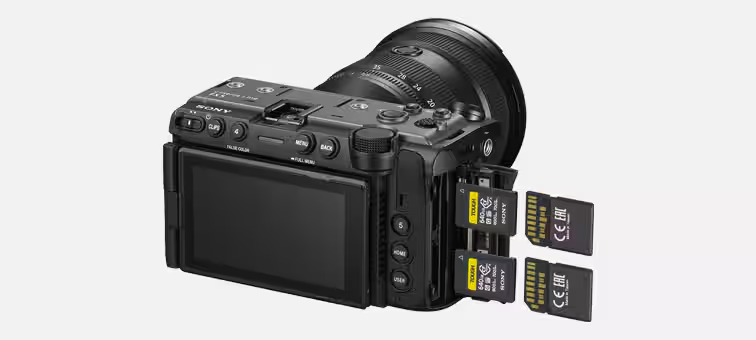
For anyone who wants zero ambiguity, several cards carry the actual VPG400 certification:
- Exascend Essential Pro CFexpress 4.0 Type A — up to 1,800 MB/s read, 1,650 MB/s write, capacities to 1TB, officially VPG400-certified
- Sony CEA-G Series — Sony's own cards, VPG400-certified across the line, though pricing runs high at the top end (Sony's 1920GB Tough card runs close to $1,500)
- Novachips Express Series — a genuine value pick per PetaPixel's own testing, with a 1.6TB VPG400-certified card priced around $449, well below comparable capacity from other certified brands
Backup and Everyday Use: UHS-II SD Cards
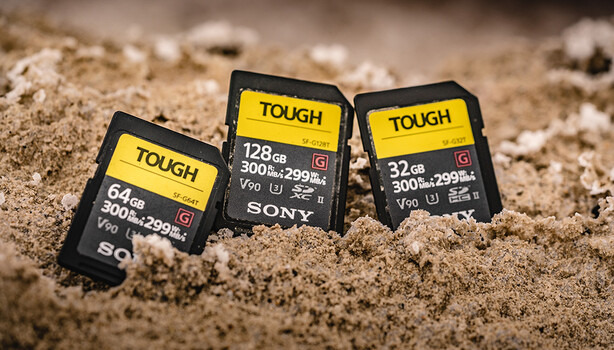
For standard 4K recording (not the camera's highest RAW or high-frame-rate modes), a V90-rated UHS-II SD card handles the job and makes a smart, cheaper second-slot backup. SanDisk Extreme Pro V90 and Sony's own TOUGH SF-G series both show up repeatedly as reliable picks in this tier.
Competitive Context
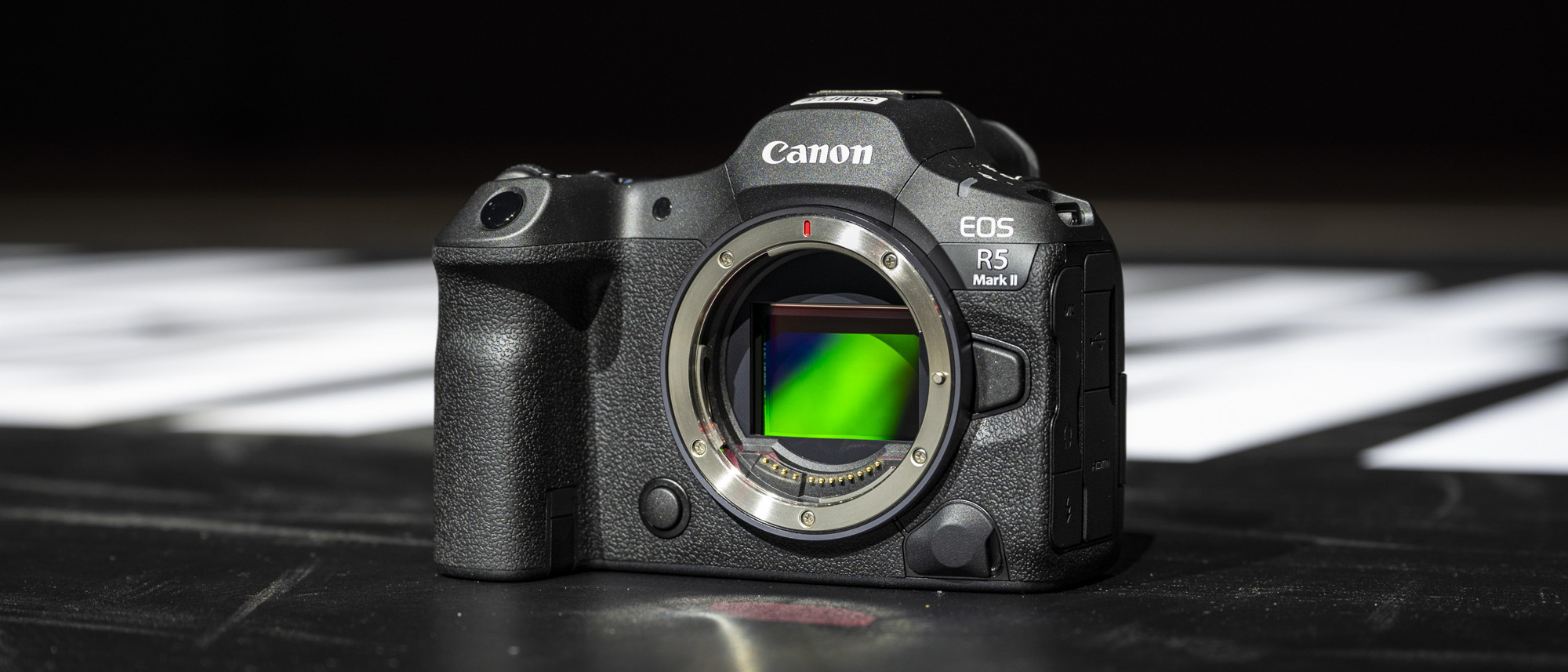
The FX5's requirement isn't unique to Sony's ecosystem, Canon's R1 and R5 Mark II also recommend VPG400 for their most demanding modes, and the Sony Burano set this precedent before the FX5 did. But the FX5 is a more accessible camera at a lower price point than the Burano, which means more buyers are hitting this requirement for the first time without expecting it, and without the budget cushion a higher-end cinema camera purchase implies.
The Signal in the Noise
The real lesson here goes beyond the FX5 specifically: a card's certification badge and its actual measured performance aren't always the same story, and buyers who only shop by certification label can miss genuinely excellent, better-value options, while buyers who only shop by advertised max speed can get burned by a card that can't sustain that speed under real recording load. Checking both the certification and independent real-world test data before buying is worth the extra ten minutes.
Would you rather pay for the officially certified card with zero ambiguity, or trust independent real-world testing over a certification label if the performance numbers back it up?
Specs & Pricing
- VPG standard: VPG200 = 200 MB/s minimum sustained write; VPG400 = 400 MB/s minimum sustained write
- OWC Atlas Pro CFexpress 4.0 Type A: up to 1,700 MB/s write, 1,850 MB/s read, up to 960GB, officially VPG200-certified
- Exascend Essential Pro CFexpress 4.0 Type A: up to 1,650 MB/s write, 1,800 MB/s read, up to 1TB, VPG400-certified
- Sony CEA-G Series: VPG400-certified across the line; pricing runs from roughly $100 (80GB Lexar-tier cards) to nearly $1,500 (Sony's 1920GB Tough card)
- Novachips Express Series: 1.6TB, VPG400-certified, priced around $449, a strong value option per PetaPixel's testing
- SD backup option: SanDisk Extreme Pro V90 or Sony TOUGH SF-G, sufficient for standard 4K modes, not the FX5's top-tier RAW modes