C80 or FX5: The Real Difference Isn't Price, It's Ecosystem
The C80 and FX5 are priced within a few hundred dollars of each other. The real decision is ecosystem, not value.


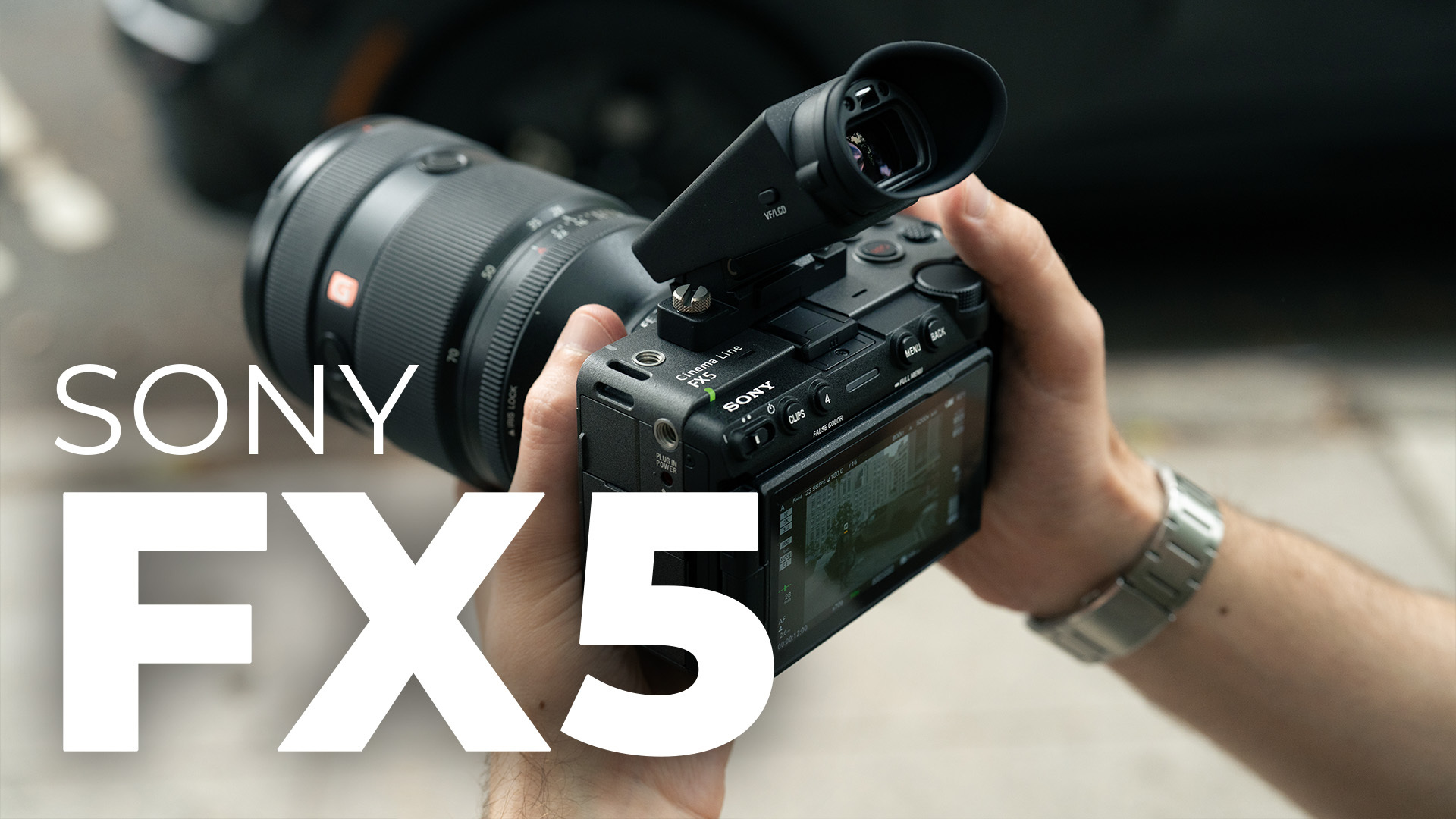
Canon's C80 and Sony's FX5 land within a few hundred dollars of each other, roughly $5,500 for the C80 against $4,899.99 to $5,499.99 for the FX5 depending on configuration. Unlike most of the comparisons in this series, this one isn't really about which camera costs less for more. It's about which ecosystem you're actually buying into.
Resolution and Sensor
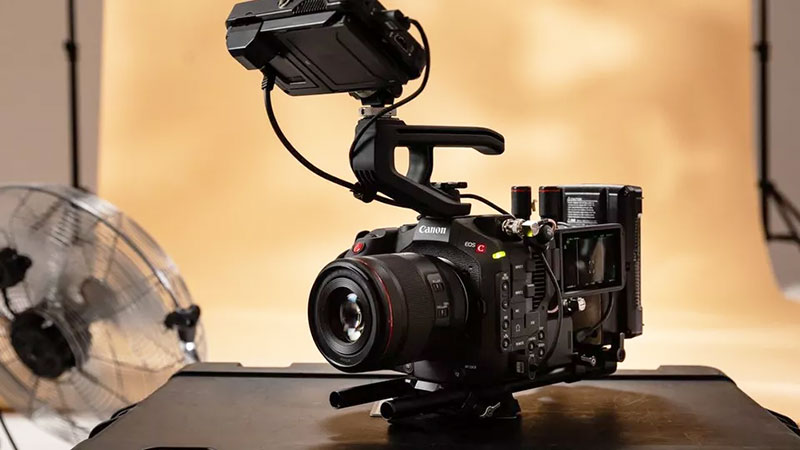
The C80 uses a 6K full-frame back-illuminated stacked CMOS sensor (26.67MP), the same sensor found in Canon's pricier C400, offering triple base ISO (800, 3200, 12,800) and up to 16 stops of claimed dynamic range. The FX5 counters with a 16.6MP full-frame stacked sensor capturing 5K Open Gate, with 15+ stops of dynamic range and three base ISO points (800, 4,000, 12,800) of its own. The C80 wins on raw resolution; the FX5's stacked design still delivers genuinely fast readout and reduced rolling shutter.
Autofocus: Two Mature Systems, Genuinely Close
Canon's Dual Pixel CMOS AF II and Sony's on-sensor phase-detect system are both well-established, well-refined autofocus lineages rather than one clearly outclassing the other.
This is closer to a toss-up than most brand comparisons in this space, the real difference usually comes down to which ecosystem's lenses and color science a shooter already prefers, not which autofocus system is objectively better.
RAW Format Is the Real Fork in the Road
Here's where the ecosystem decision actually gets made. The C80 records internal 12-bit Cinema RAW Light up to 6K30, a Canon-proprietary format tied to its own post-production tools and workflow assumptions.
The FX5 records internal 16-bit X-OCN RAW, Sony's own proprietary format with its own set of ecosystem dependencies. Neither format is objectively better, but committing to either camera means committing to that manufacturer's RAW pipeline and the software support built around it.
Card Ecosystems Are Genuinely Different
This is a bigger practical difference than it might first appear. The C80 uses dual SD card slots only, no CFexpress option exists at all, and its internal RAW recording requires a V90-rated card. The FX5 requires CFexpress Type A cards carrying a VPG400 certification specifically for its most demanding RAW modes, a notably more expensive and less common card format than standard SD media.
If ongoing media costs and card availability matter to your budget, the C80's SD-only approach is meaningfully cheaper and easier to source in a pinch.
Competitive Context
Both cameras are positioned similarly within their respective lineups: accessible entry points into their manufacturer's higher-end cinema ecosystem, the C80 sharing DNA with the C400, the FX5 serving as a stepping stone toward Sony's VENICE and Burano line. Neither is trying to be the flagship; both are trying to be the affordable door into one.
The Signal in the Noise
With price this close and autofocus this evenly matched, the deciding factor for most buyers won't be a spec sheet number, it'll be which manufacturer's lenses, RAW format, and existing gear you're already invested in. Switching ecosystems for either camera means committing to new lenses, new card types, and a new RAW workflow, not just a different body.
If you weren't already invested in either lens ecosystem, would resolution, card cost, or RAW format be the deciding factor for you?
The Details
- Canon EOS C80: ~$5,500, RF mount, 6K full-frame BSI stacked sensor (26.67MP), triple base ISO (800/3200/12,800), 16 stops dynamic range, Dual Pixel CMOS AF II, internal 12-bit Cinema RAW Light up to 6K30, dual SD card slots (V90 required for RAW)
- Sony FX5: $4,899.99 body-only / $5,499.99 with XLR handle, E-mount, 16.6MP full-frame stacked sensor, 5K Open Gate, 15+ stops dynamic range, three base ISO points (800/4,000/12,800), on-sensor phase-detect autofocus, internal 16-bit X-OCN RAW, CFexpress Type A (VPG400 required for top RAW modes) + SD card slots