Opus 5.5 Just Got Cheaper and Faster, Here's Why That Matters for Your Claude Workflows
Claude Opus 5.5 is 40% cheaper and 30% faster than Opus 5. Here's what that means for AI editing, pitch decks, and screenwriting tools built on Claude.

Anthropic released Claude Opus 5.5 today, and the headline numbers are a 40% cost reduction and 30%+ faster output generation compared to Opus 5. Those aren't filmmaking-specific improvements on their own, but they directly affect three Claude-powered workflows BRC has covered this year: AI-assisted editing in DaVinci Resolve, pitch deck and treatment drafting, and the Claude Skills screenwriting pack.
What Actually Changed
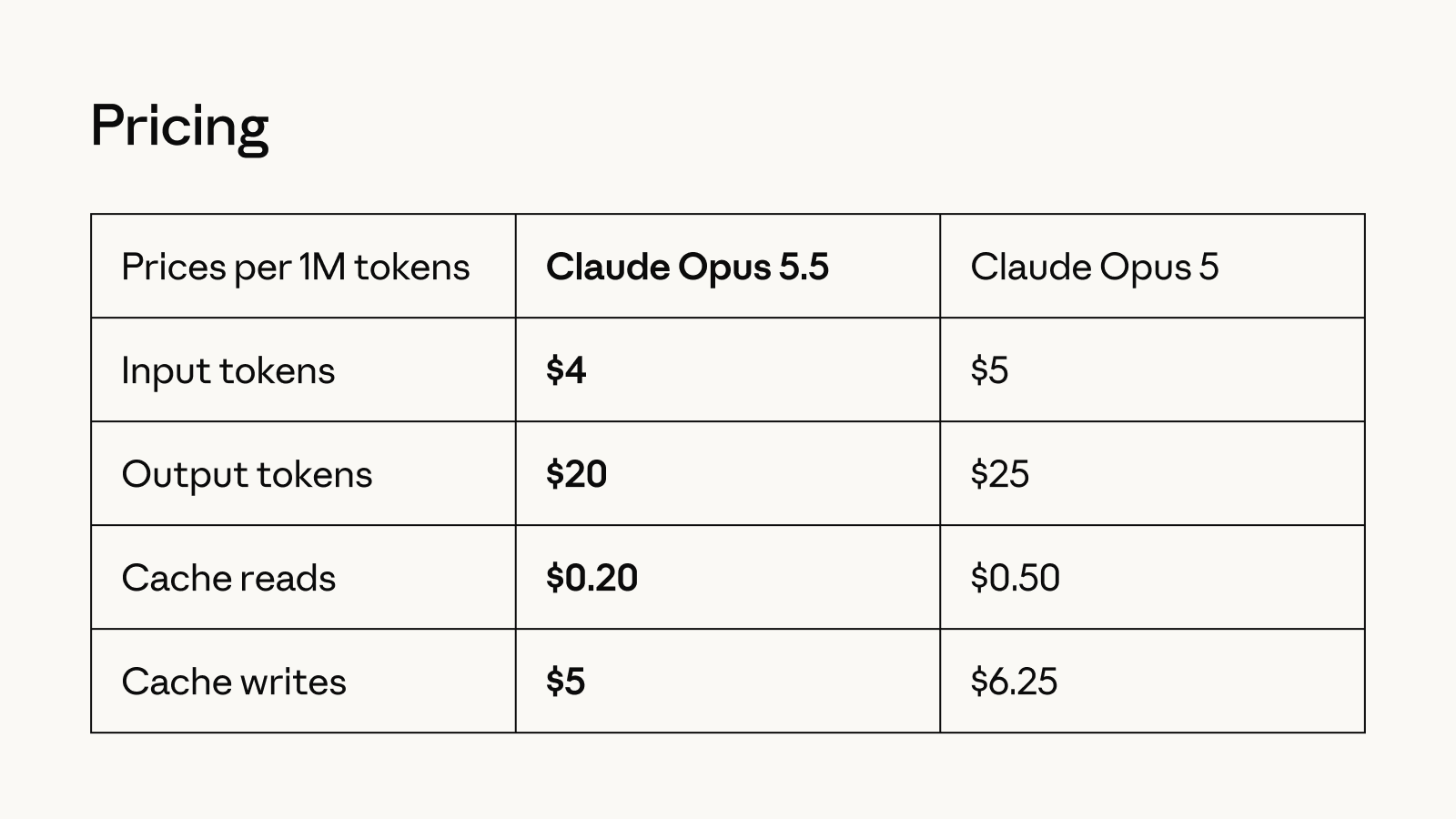
Pricing dropped across the board: input tokens now run $4 per million (down from $5), output tokens $20 per million (down from $25), and cache reads, which make up the majority of agentic and coding task costs, dropped 60%, from $0.50 to $0.20 per million tokens. Anthropic also increased five-hour usage limits on Pro, Max, Team, and seat-based Enterprise plans, and added a saveable rate limit reset users can trigger whenever they choose, rather than waiting on a fixed schedule.
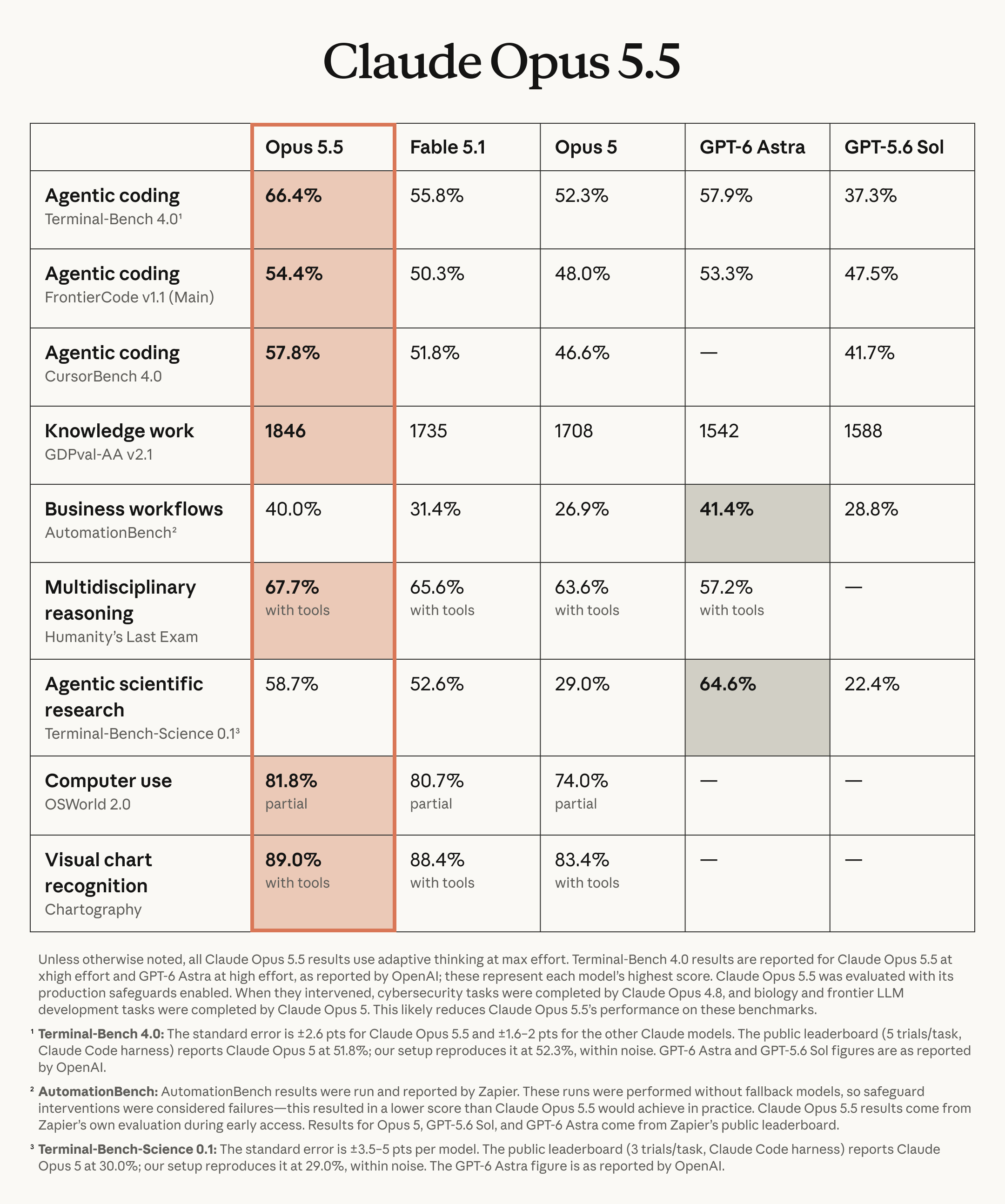
Opus 5.5 also scored notably higher on OSWorld 2.0, a computer use benchmark, 81.8% versus Opus 5's 74.0%. That's the specific capability behind Claude's ability to actually operate software directly, like navigating and editing inside DaVinci Resolve, rather than just describing what to do.
What This Means for AI-Assisted Editing
If you've been using Claude's native DaVinci Resolve integration, covered here as a real, working AI editing workflow, faster output and improved computer use performance both matter directly. Faster generation means less waiting between iterations on a rough cut. Better computer use scores suggest more reliable execution of the fine-grained timeline actions, clip trims, transitions, marker placement, that a real editing session depends on.
The cost drop matters too, especially for cache reads specifically. An iterative editing session, upload footage, get a cut, give notes, repeat, relies heavily on cached context from earlier in the conversation. A 60% reduction there meaningfully lowers the real cost of a full editing session for anyone running this workflow regularly rather than as a one-off test.
What This Means for Pitch Decks and Screenwriting
Claude's Docs and Slides tools, covered here as a real way to build a pitch deck without leaving a conversation, benefit from Opus 5.5's communication improvements directly. Anthropic specifically cites testers finding the model's writing "clearer and easier to follow," putting the most important information up front and following stated writing rules more consistently, exactly the qualities that matter when drafting a treatment or a deck meant to actually persuade someone.
The screenwriting skills pack covered here, built from craft books and produced scripts, also benefits from the underlying model improvements even though the skill content itself hasn't changed. A model that follows instructions more precisely and communicates more clearly should produce more usable output when working through that same structured reference material.
Competitive Context
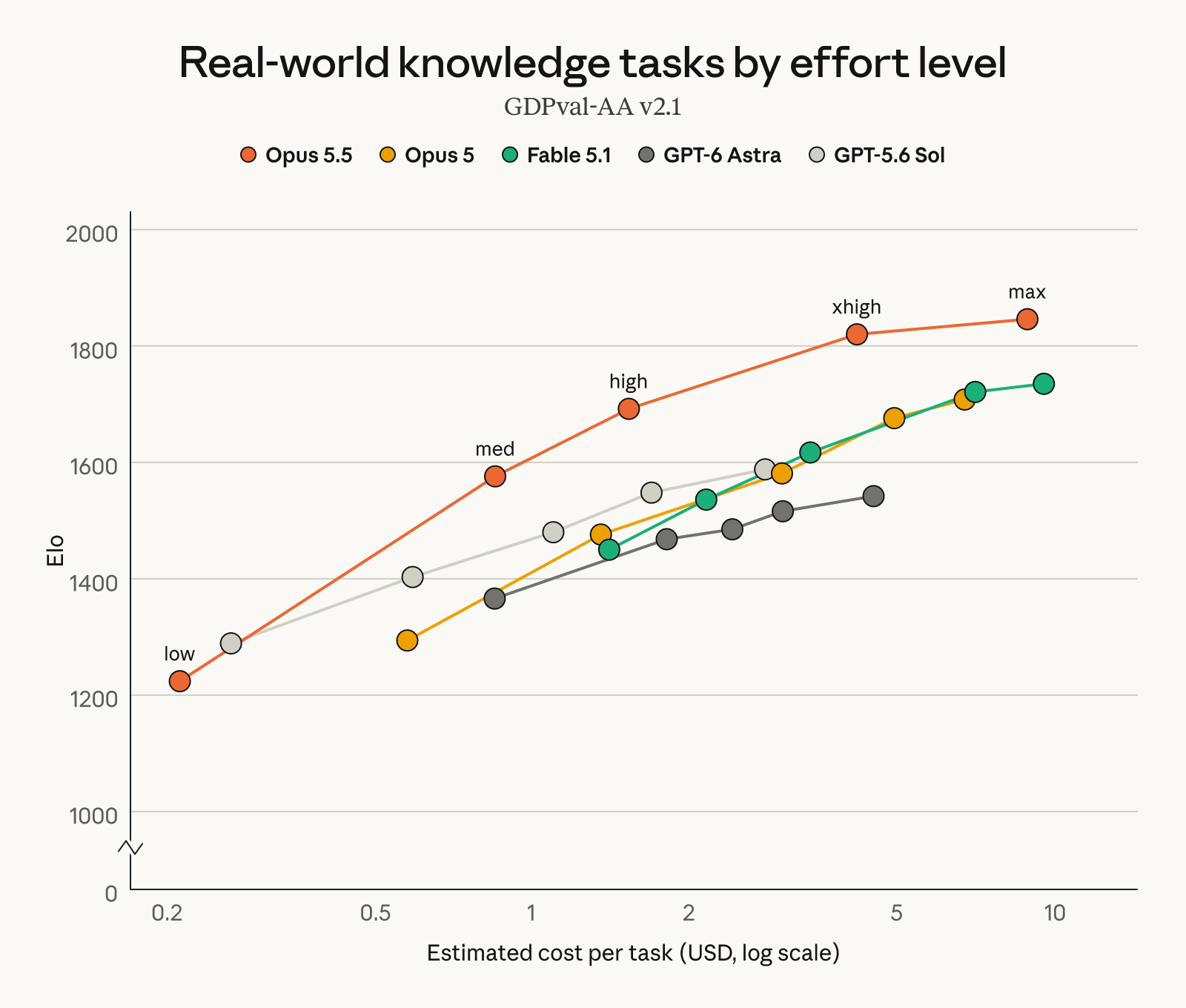
Anthropic's own benchmarks position Opus 5.5 as leading in agentic coding, computer use, and knowledge work specifically, while explicitly noting that raw benchmark margins have become a less reliable signal of real-world difference at this capability level. That's a reasonable caveat worth applying here too: the numbers are real, but whether they translate into a meaningfully better editing or pitch-deck-building experience is something worth testing directly against your own actual workflow rather than taking on faith.
The Signal in the Noise
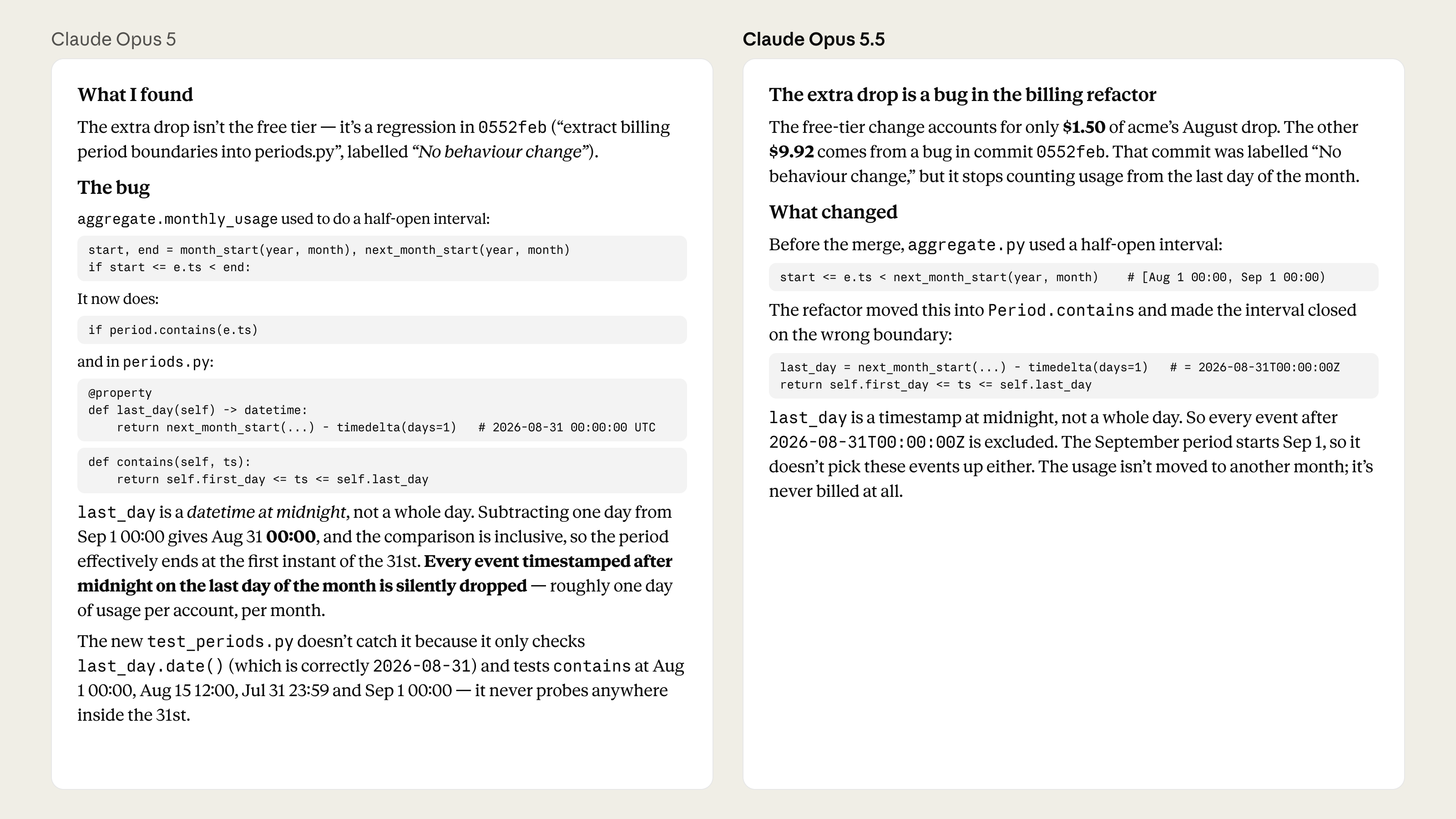
None of this changes what these tools fundamentally do, Claude still can't replace the creative judgment that makes a cut or a pitch actually work. What it changes is the economics and friction of using these workflows regularly rather than occasionally. A 40% cost reduction and meaningfully faster responses lower the real barrier to treating Claude as a genuine part of your production pipeline instead of an occasional experiment.
Does a real price and speed improvement change how often you'd actually use Claude for editing or pre-production work, or was cost never really the limiting factor for you?
The Details
- Release: Claude Opus 5.5, by Anthropic, September 22, 2026
- Cost: 40% less than Opus 5 on typical workloads; input tokens $4/M, output $20/M, cache reads $0.20/M (60% reduction)
- Speed: 30%+ faster output generation than Opus 5
- Computer use (OSWorld 2.0): 81.8%, up from Opus 5's 74.0%
- Communication: improved clarity, less jargon, better adherence to stated writing style rules
- Access: available now across Claude Platform, AWS, Google Cloud, Microsoft Azure; increased usage limits on Pro, Max, Team, and seat-based Enterprise plans