A $2,000 Film Made by Two Brothers With AI Just Got Into Tribeca. No Cameras. No Actors. No Crew.
The first fully AI-generated feature at a major festival premieres at Tribeca June 10. It cost $2,000, took three months, and was made from a living room. Here's the story.

On June 10, the Tribeca Film Festival will screen the first fully AI-generated feature film accepted to a major festival. It cost $2,000, took three months, and was made from a living room in London. Make of that what you will.
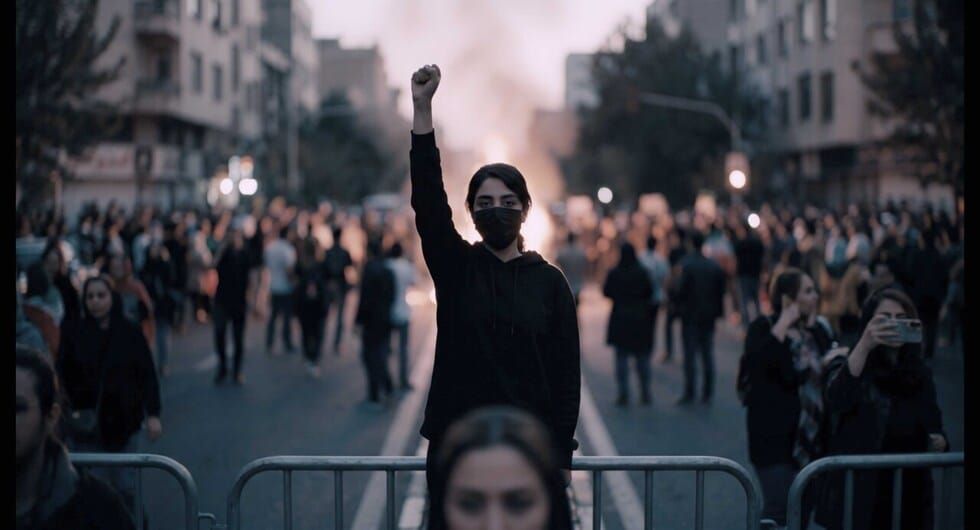
In January 2026, Iranian security forces killed more than 7,000 civilians during a communications blackout. Ash Koosha, a musician and tech entrepreneur who fled Iran with his brother Pooya in 2009, wanted to make a film about it. He had no crew, no actors, no access to Iran, and no traditional production budget. He had AI tools and three months.
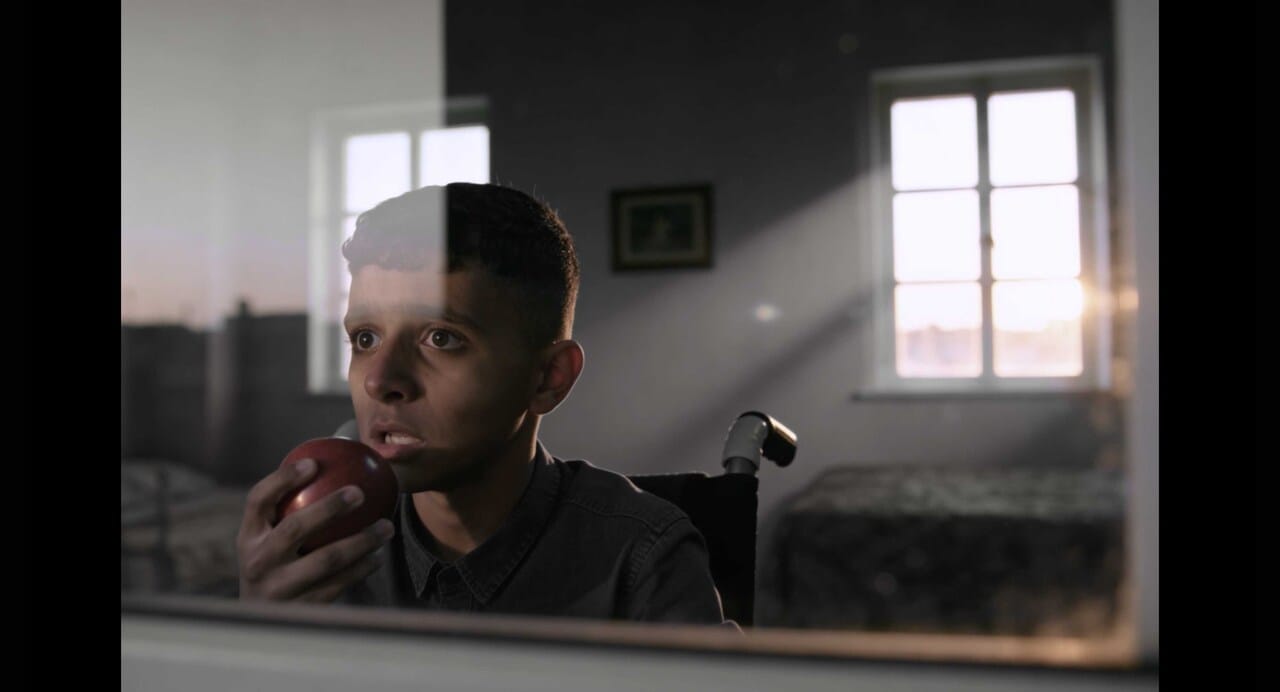
The result is Dreams of Violets — a 75-minute docudrama that premieres at Tribeca on June 10 at the AMC Flatiron Theatre in New York. It is the first full-length, live-action film completely generated by AI to be accepted by a major film festival.
Every image, every character, every scene was generated using AI. The production used Kling AI for video generation, Anthropic's Claude for language-related editing, Google's Gemini and Nanobanana for research and imagery, and Fountain 0's own technology for blocking and frame accuracy — all from Koosha's home in London. The total cost was approximately $2,000.
The Film Itself
Dreams of Violets is a 75-minute docudrama inspired by real events from 47 years of Iranian civilian resistance. Through the eyes of five strangers, it brings protest footage to life with raw immediacy. The film is built from journalistic reports, photographs, and eyewitness accounts — a fictionalized memorial for events that happened, as Koosha put it, "behind a wall I cannot cross."
Koosha has been direct about what the film is and isn't. "I understand that an AI-generated film about people who actually died raises difficult questions," he said in a statement. The film is not a technology demonstration. It's an attempt to bear witness to something that conventional filmmaking couldn't reach.
Whether the execution justifies the approach is a question audiences will answer for themselves when it screens June 10.
What the Industry Thinks

The film has landed in a filmmaking community that is genuinely divided.
Director Darren Aronofsky has embraced AI through his studio, Primordial Soup. Director Steven Soderbergh has defended use of Meta AI software in his 2026 documentary about John Lennon, which debuted at Cannes earlier this month.
On the other side: James Cameron has said AI will never replace actors and artists in his films, a sentiment echoed by Guillermo Del Toro, who said he'd "rather die" than use generative AI.
Tribeca co-founder Jane Rosenthal framed the film as an example of emerging technologies being used "not simply as tools of innovation, but as vehicles for deeply human storytelling." The festival is defending its decision to program it.
Separately, AI production company Particle6 generated significant backlash while promoting Tilly Norwood, a fully AI-generated "actress" it hoped to market as a star — a reminder that not all AI film applications are being received the same way.
The Number That Changes the Conversation
$2,000.
That's the production budget for a 75-minute feature that got into one of the most respected film festivals in the United States. Ash Koosha stressed the advantages for "the many independent filmmakers and would-be independent filmmakers, whose biggest barrier is access to money to make their films."
That's a different conversation than whether AI filmmaking is artistically valid. It's a conversation about access — who gets to make films, and what the barrier to entry actually is.
For context: a modest independent feature film typically costs between $500,000 and several million dollars. The GoPro MISSION 1 Pro we reviewed this week costs $699. The tools Koosha used to make Dreams of Violets are available to anyone with a computer and an internet connection.
What Comes Next
The Koosha brothers have two more films in development through Fountain 0, their AI production company. Pooya Koosha said he expects each subsequent film to improve on its AI production techniques.
Koosha has said he sees AI as a genre comparable to animation — a distinct mode of filmmaking with its own language and its own possibilities, not a replacement for live-action production. That framing puts it alongside stop-motion, documentary, and experimental film as a category that operates by different rules and opens different doors.
Whether Dreams of Violets is good — whether it succeeds as a film on its own terms — is something reviewers and audiences will weigh in on starting June 10. What's already true, regardless of that verdict, is that it exists. A film that couldn't have been made any other way, made by two people from a living room, now screening at Tribeca.
The landscape is changing. This is what that looks like.