GoPro Stock Falls Below $1, Triggering NASDAQ Compliance Warning
GoPro's stock has traded under $1.00 for 30 straight days, triggering a NASDAQ compliance warning, the latest setback in a rough stretch for the action-camera maker.

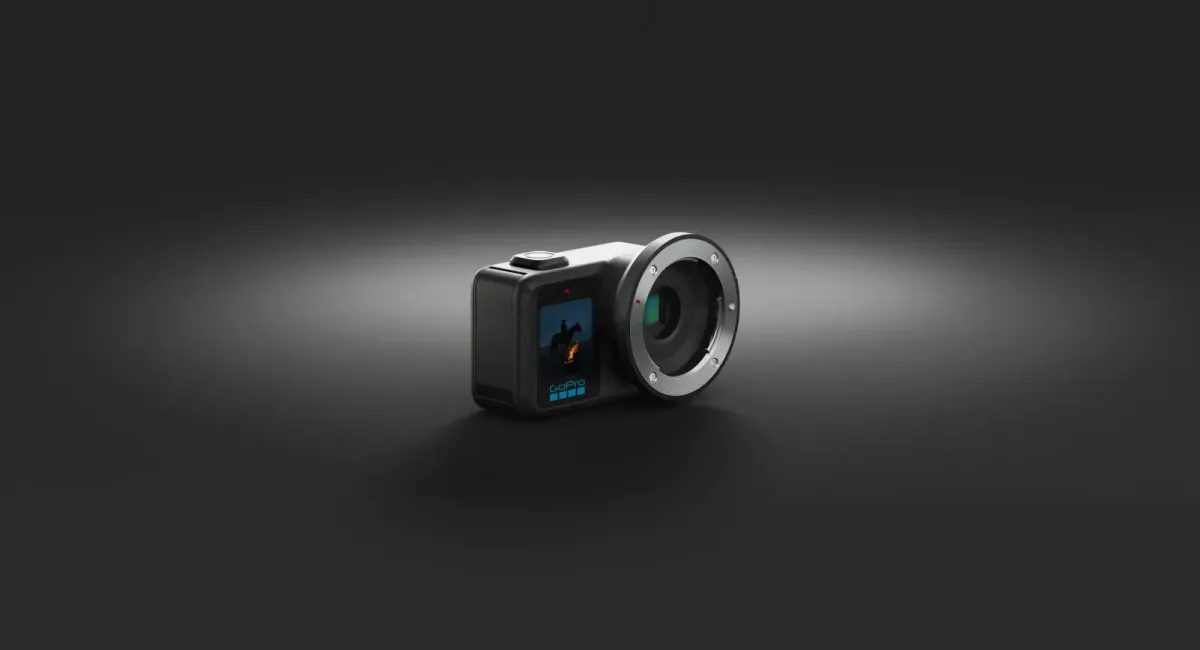
GoPro's stock has traded under $1.00 per share for 30 consecutive days, putting the company in violation of NASDAQ's minimum bid price listing rule.
The company now has a 180-day grace period to bring its share price back above the threshold before NASDAQ can take further action, which could include delisting or a move to a different market.
A Company Already Under Pressure
The stock slide isn't happening in isolation. GoPro laid off roughly a quarter of its staff in November 2024, and the pressure has only intensified through 2026.
In early June, GoPro warned in an SEC filing that it had "substantial doubt" about its ability to continue as a going concern. The company cited its current debt obligations and rising costs tied to the ongoing memory and storage chip shortage as unsustainable at its present pace. That filing followed an announcement weeks earlier that GoPro was reviewing strategic options, including a potential sale or merger.
Just a couple of weeks ago, founder and CEO Nick Woodman said he was effectively lending the company $20 million through personal stock purchases — a move that signals both confidence and how tight things have gotten internally.
Why the Stock Price Matters Now
NASDAQ requires listed companies to maintain a minimum bid price of $1.00 per share. Falling below that for 30 consecutive trading days triggers a formal notice of noncompliance, which is what's happened here.
The 180-day grace period gives GoPro time to regain compliance, typically by getting the share price back above $1.00 for a sustained period. Companies in this position sometimes execute a reverse stock split to artificially raise the per-share price, though GoPro hasn't announced any such plan.
Competitive Context
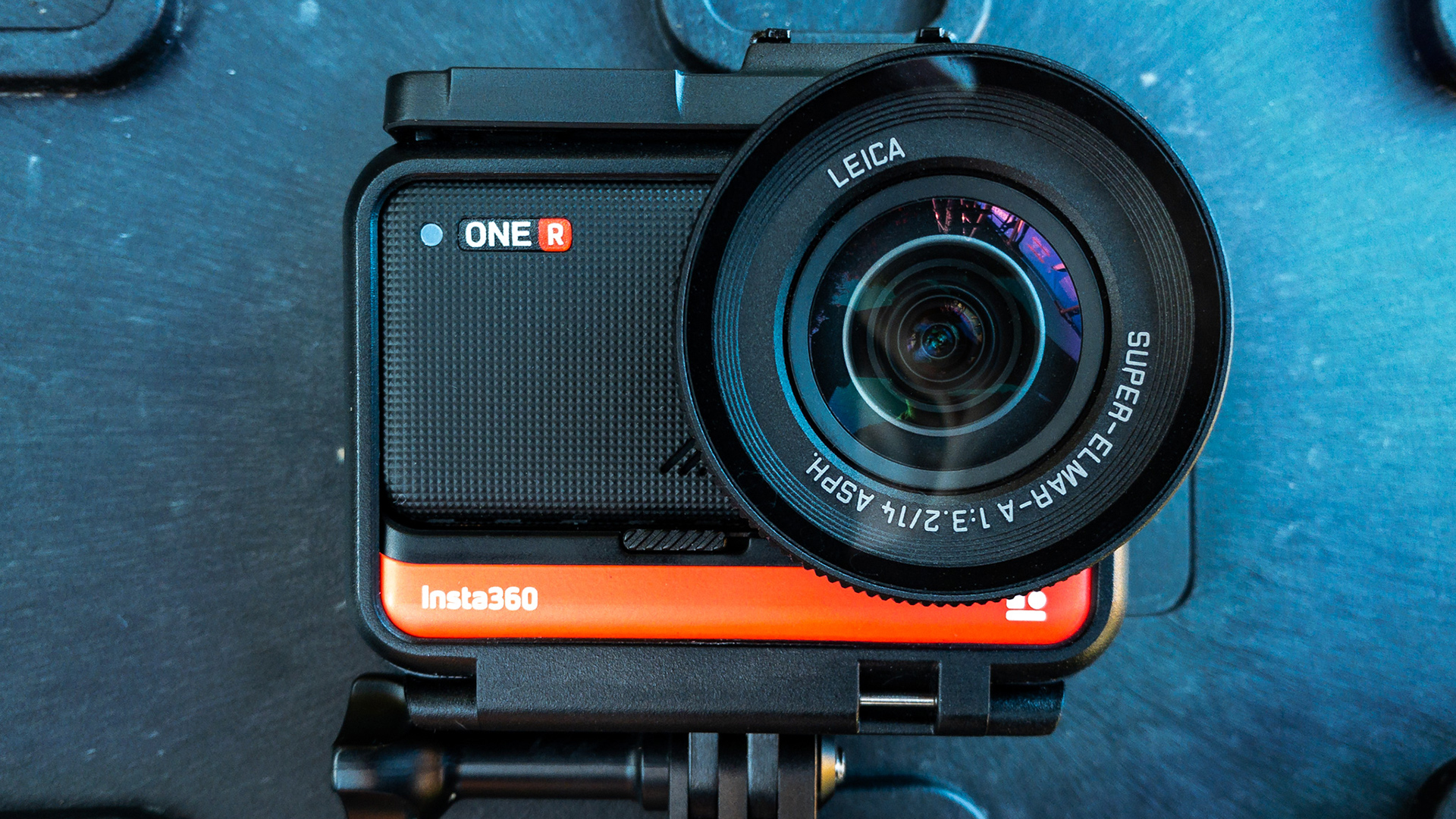
GoPro's core action-camera business has faced sustained competitive pressure from Insta360 in particular, including a recent international trade dispute over patents that only partially went GoPro's way. Insta360 and DJI have both continued expanding market share in the category GoPro once defined, while GoPro's own product cadence has slowed.
The Signal in the Noise
None of this happened suddenly. GoPro has been signaling distress in a fairly linear fashion since late 2024: layoffs, a going-concern warning, a founder personally propping up the balance sheet, and now a NASDAQ compliance violation. The 180-day window gives room for a turnaround, a reverse split, or a sale — but it doesn't change the fact that GoPro, once the defining name in action cameras, is now managing survival-level financial risk rather than product strategy.
For anyone with GoPro gear as part of a working kit, this is more a signal to watch than an immediate concern — software support and warranty service aren't disappearing tomorrow. But it's a reasonable moment to think about whether a company at this level of financial strain is one to keep building a workflow around long-term.