GoPro Mission 1 Pro ILS vs. Panasonic GH7: Which MFT System Actually Wins
The ILS and GH7 both mount MFT glass, but they're built for opposite philosophies. Here's the real tradeoff, and who each fits.

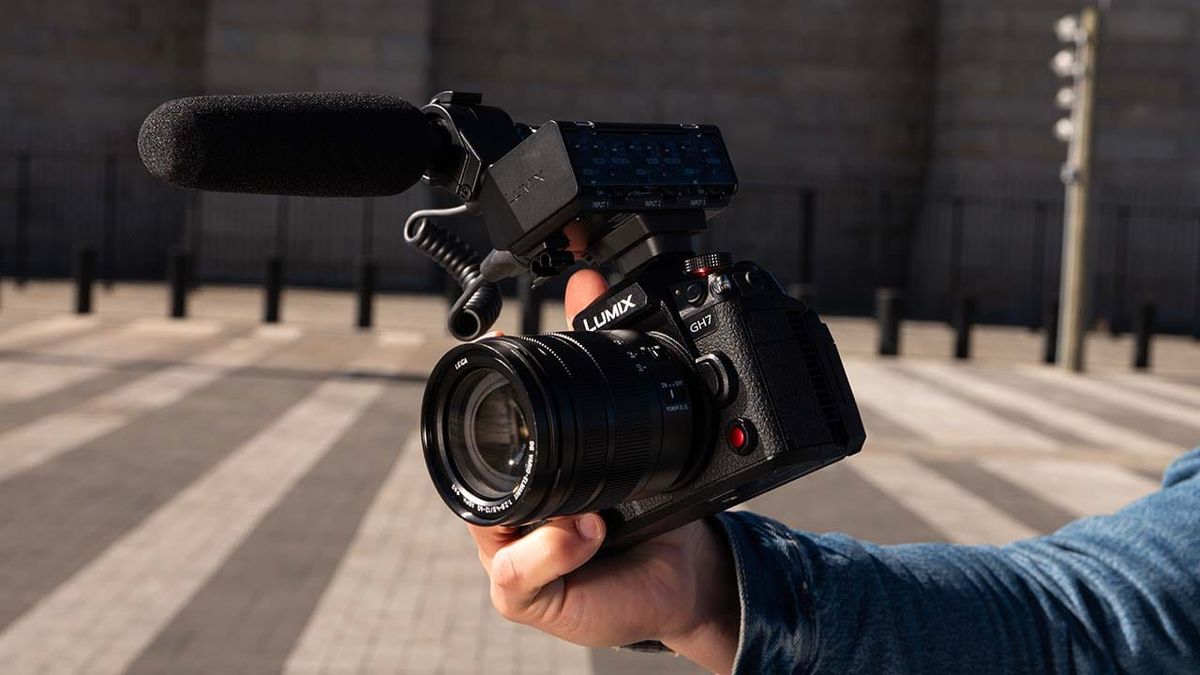
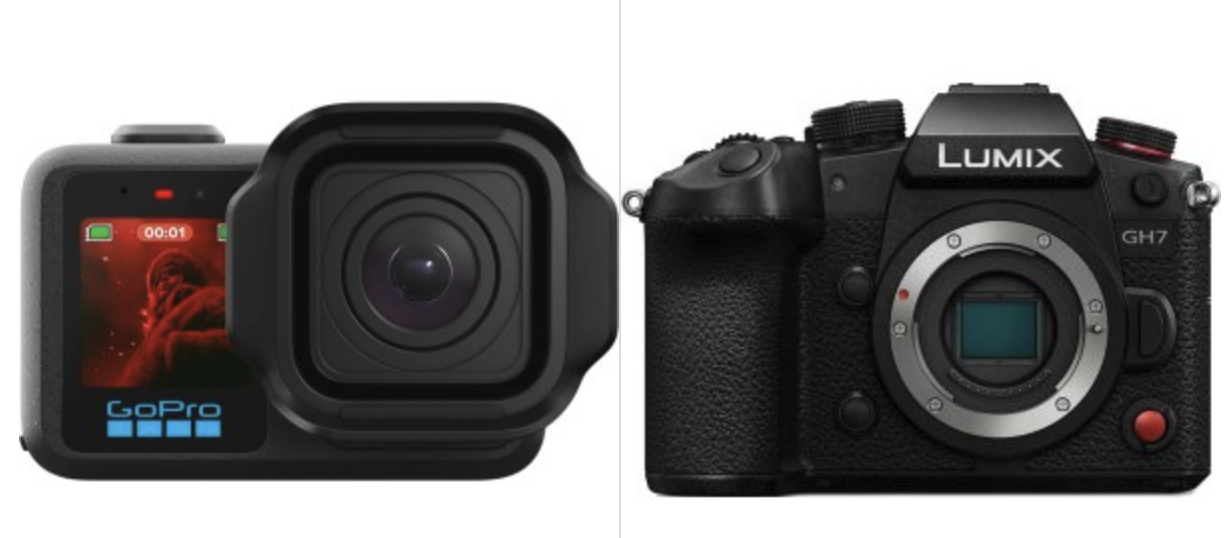
The Mission 1 Pro ILS and the Panasonic GH7 both mount Micro Four Thirds glass, but they're built for almost opposite philosophies. The GH7 is a full autofocus hybrid camera with IBIS, an EVF, and native support for the entire MFT autofocus lens ecosystem.
The ILS is a $699.99 action-camera body that happens to accept MFT lenses manually, at less than a third of the GH7's price. Anyone buying MFT glass for serious video work is genuinely choosing between two different tools here, not two versions of the same camera.
Autofocus Is the Biggest Functional Gap
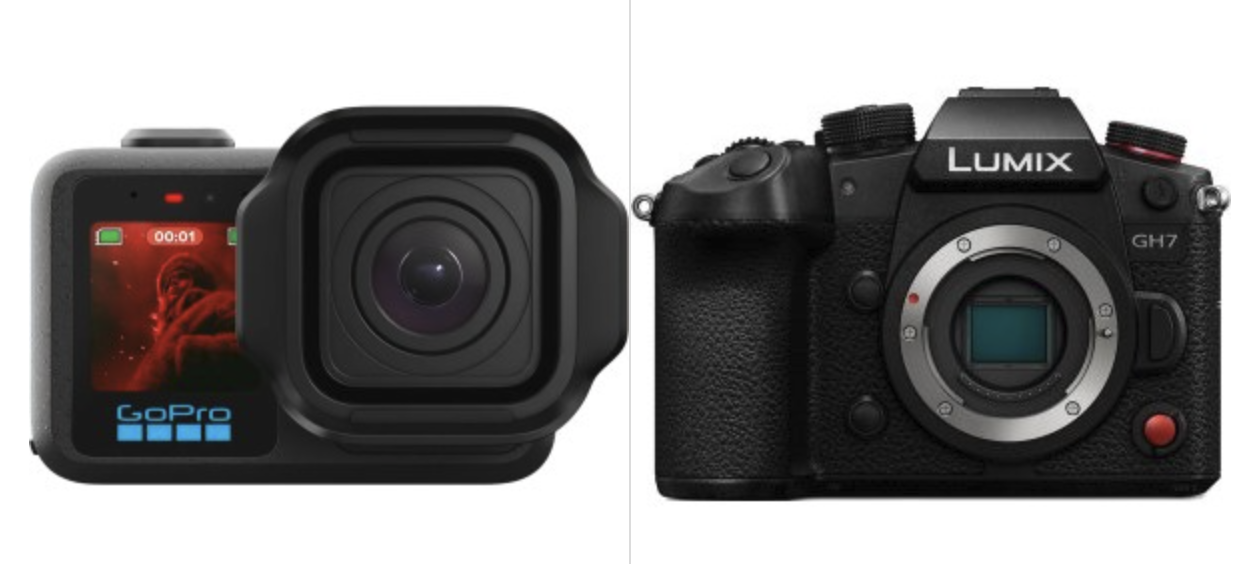
The GH7 uses Phase Detection Autofocus with real-time AI subject recognition covering humans, animals, cars, motorcycles, trains, and airplanes, a mature, fully modern autofocus system built to work with any native MFT autofocus lens exactly as intended.
The ILS's MFT mount has no electronic contacts at all, meaning every lens is manual focus and manual aperture regardless of what the lens itself supports. Focus assistance comes from peaking and punch-in magnification on a small rear display, or through the free MISSION Monitor app on a phone or tablet. If autofocus matters to your workflow, this is the single biggest gap between the two cameras, not a minor inconvenience.
Resolution and Format
The ILS shoots up to 8K60 with Open Gate capture, genuinely higher resolution than the GH7's 6K ceiling. But the GH7 counters with internal Apple ProRes RAW recording and 32-bit float audio, the first interchangeable lens digital camera to offer that audio format internally, giving it real post-production flexibility the ILS's more consumer-oriented codec approach doesn't match.
More pixels doesn't automatically mean more usable footage. The GH7's RAW workflow and audio format give editors headroom the ILS's higher resolution alone doesn't replace.
Body, Stabilization, and Handling
The GH7 includes in-body image stabilization with perspective distortion correction for video, a built-in EVF, and a traditional camera body with the full stills capability of Panasonic's G9 II baked in. It's also a much larger, heavier camera by design.
The ILS weighs just 197g and skips IBIS in favor of GoPro's HyperSmooth digital stabilization, along with no built-in EVF at all, relying on the rear display or the app-based monitor instead. That size difference is a real advantage for tight spaces, vehicle mounts, or rigs where the GH7 simply won't fit.
Competitive Context
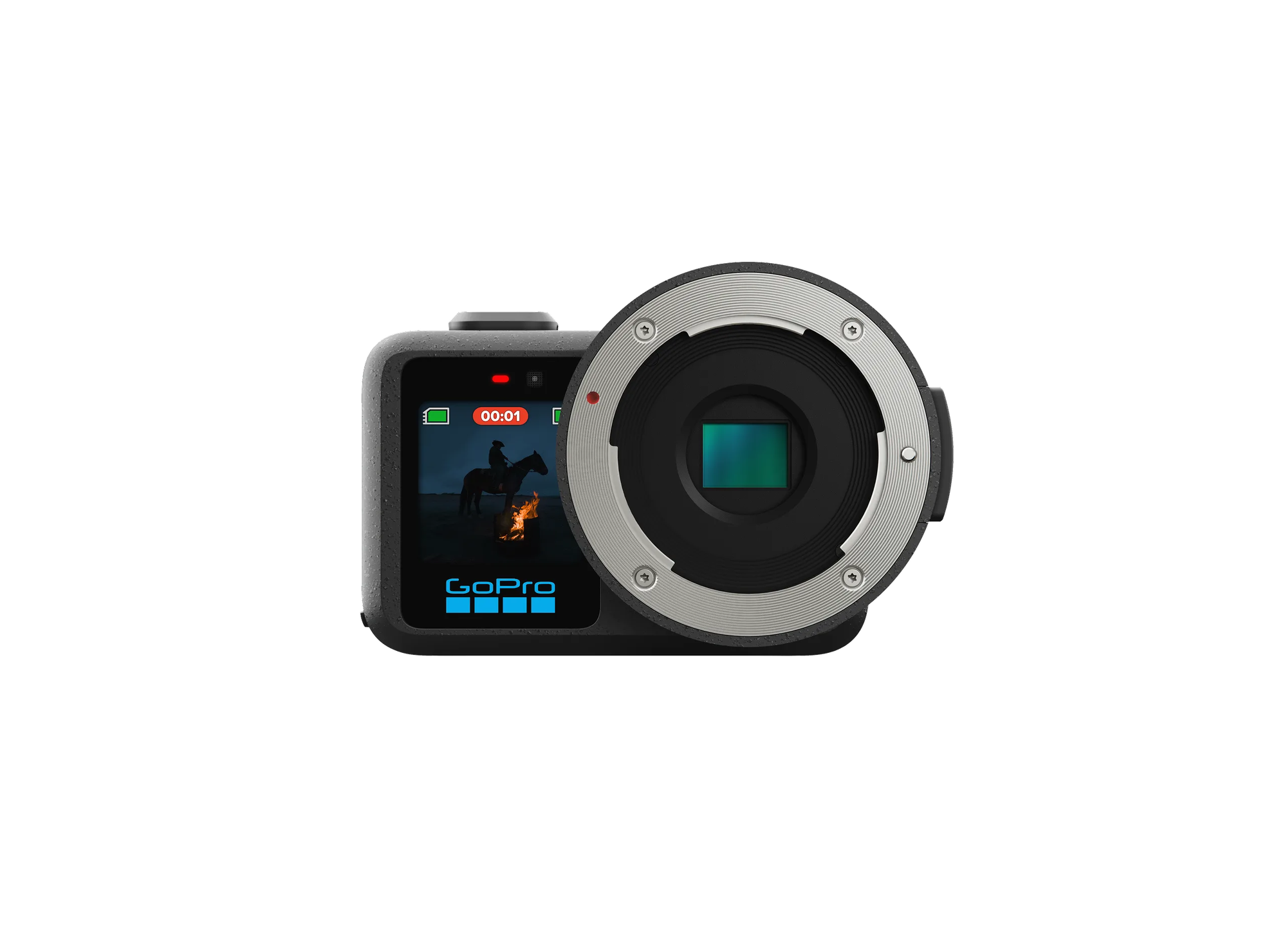
At $2,199.99 MSRP (frequently discounted toward $1,797 or lower), the GH7 costs roughly three times the ILS's $699.99 price, and lenses are additional for both systems. That price gap buys genuine hybrid capability: full autofocus, IBIS, RAW recording, real stills performance. What the ILS buys instead is GoPro's ruggedness, extreme compactness, and a materially lower entry cost into MFT glass.
The Signal in the Noise
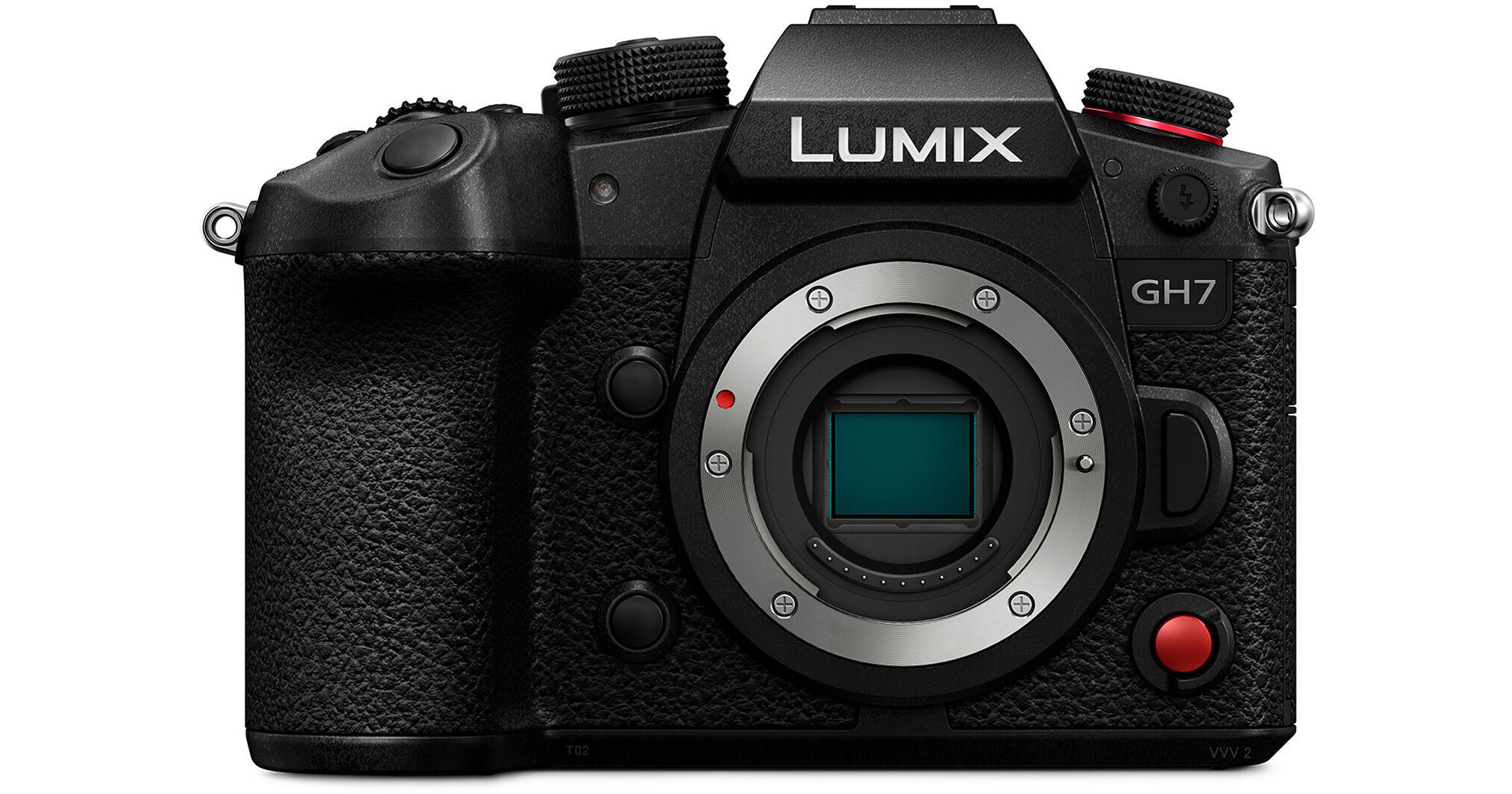
This isn't really a case of one camera outclassing the other. The GH7 is a legitimate professional hybrid tool that happens to share a lens mount with a much cheaper action camera. The ILS's real appeal is reach, letting GoPro's existing ecosystem and rugged form factor access MFT glass for the first time, not competing directly with dedicated MFT cinema cameras on capability. Buying MFT lenses commits you to a mount, not a specific camera, and that's worth remembering before assuming either is the "right" choice outright.
Would the ILS's size and price make sense as a second camera alongside a GH7 or similar MFT body, rather than a replacement for one?
Specs & Pricing
- GoPro Mission 1 Pro ILS: $699.99 (lenses sold separately), 50MP 1" sensor, 8K60 Open Gate, manual focus/aperture MFT mount, no IBIS (HyperSmooth digital stabilization only), no built-in EVF, 197g
- Panasonic Lumix GH7: $2,199.99 MSRP (often discounted to $1,797–$1,619), 25.2MP Four Thirds sensor, 6K video, PDAF with AI subject recognition, internal ProRes RAW, 32-bit float audio, IBIS with distortion correction, built-in EVF, full stills capability
Resources & Reads
PetaPixel's hands-on Mission 1 Pro ILS review