GoPro's MISSION 1 Pro Is the First Action Cam That Thinks It's a Cinema Camera
The first reviews of GoPro's MISSION 1 Pro are in. 8K 60fps, a 1-inch sensor, GP-Log 2, and a clear pitch to serious filmmakers. Here's what they found.

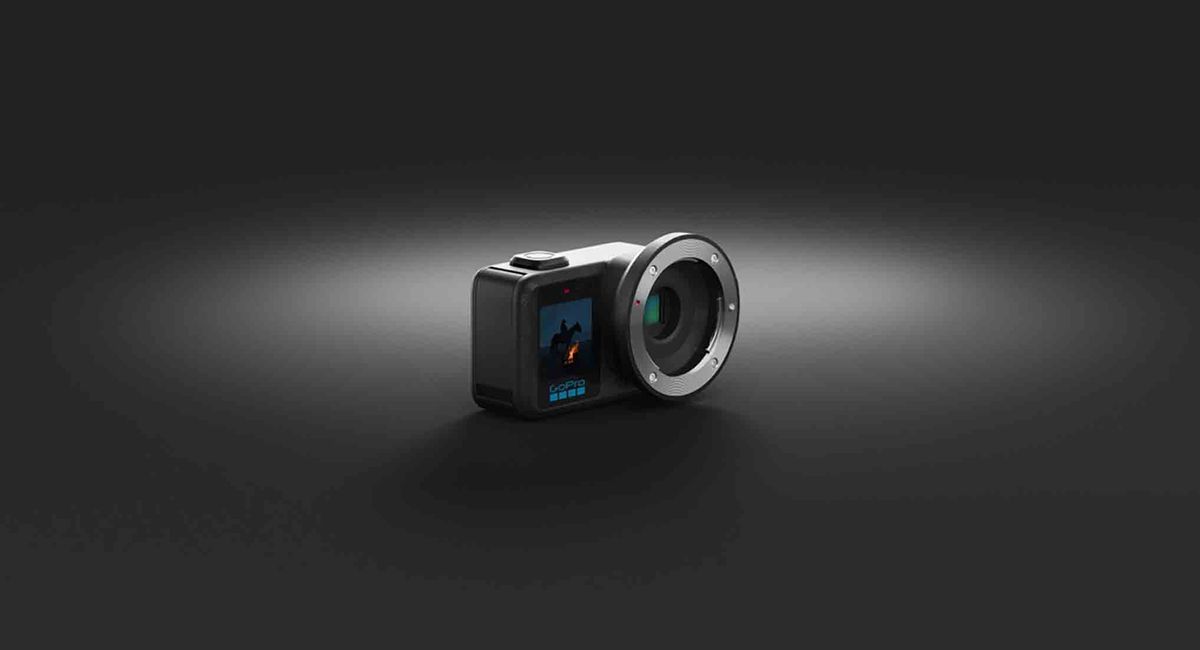
8K 60fps, a 1-inch sensor, GP-Log 2, and $699. The reviews are in — and GoPro may have actually done it.
GoPro has spent the last several years watching DJI and Insta360 eat its lunch in the consumer action cam market. The MISSION 1 Pro, which began shipping May 28 starting at $599 for the base model and $699 for the Pro, is not a response to that competition. It's a deliberate pivot away from it.
Tom's Guide put it plainly: GoPro designed this camera not for beginners shooting TikToks, but to capture content creators further down their experience pipeline — when they start to get really serious. The MISSION 1 family is positioned as a portable alternative, perhaps replacement, to traditional full-sized mirrorless cameras and cinema gear.
That's an ambitious claim. Based on first reviews, it's not entirely wrong.
What's New That Actually Matters
The headline spec is the sensor. The MISSION 1 Pro is built around GoPro's largest action cam sensor ever — a 1-inch chip paired with the GP3 chipset — capable of recording 8K at 60fps, Open Gate video, and up to 960fps slow motion. That's a meaningful jump from the Hero 13 Black in every measurable way.
Low light performance has historically been GoPro's biggest weakness against DJI and Insta360. That changes here. DroneXL's two-month review found the MISSION 1 Pro now lands in the same ballpark as Insta360 and DJI for low light, calling it leagues ahead of the Hero 13 Black across pretty much every scenario. GP-Log 2 support in low light mode is a genuine addition for anyone color grading their footage — previous GoPros made that workflow unnecessarily painful.
Dynamic range and color accuracy are both improved, with reviewers noting the camera produces footage that grades cleanly — something that's historically required significant post work on action cam footage.
The physical design has also been rethought. Larger displays than any previous GoPro, a refined menu system with customizable touchscreen controls, PD 2.0 fast charging (80% in roughly 20 minutes, versus the previous 2.5-hour full charge), and GoPro's magnetic quick-release system now standard. RedShark News noted the optional metal cage grip system as a standout accessory — it allows the MISSION 1 to be held like a compact stills camera, which changes how it integrates into a production workflow.
The Trade-offs
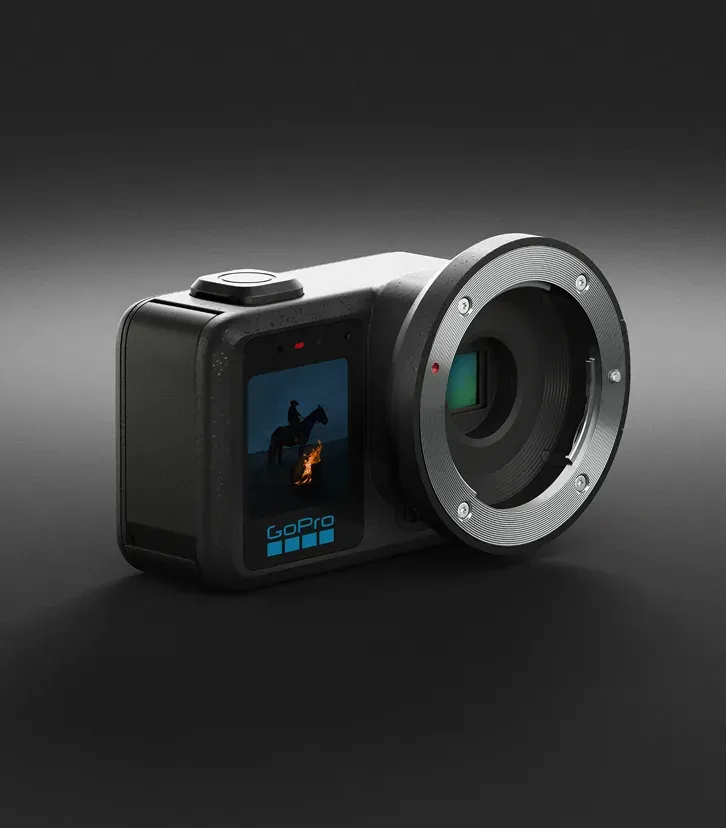
The size and weight increase is real. The MISSION 1 Pro is noticeably thicker and heavier than the Hero 13 Black — that's the cost of the larger sensor. For helmet mounts, bike mounts, and traditional action cam applications, it's a consideration. For filmmakers using it as a compact B-camera or POV unit on a production, it's largely irrelevant.
Firmware is still being finalized. GoPro hasn't yet allowed media to publish footage from final production units, with notable improvements still coming to image quality including low light mode, underwater modes, and Log modes. The cameras that shipped are running pre-final firmware. That's worth knowing — the reviews in hand are based on hardware that isn't fully cooked yet.
Price is the other honest conversation. At $699 for the Pro body alone, it's significantly more expensive than the DJI Osmo Action 6. Tom's Guide called it eye-wateringly expensive. For a dedicated action cam user, that's a real barrier. For a filmmaker looking for a rugged, waterproof, pocketable camera that shoots 8K and grades well — the comparison set is different.
The GoPro Context
The MISSION 1 launched while GoPro is navigating genuine financial uncertainty. Shares fell 8% after the company disclosed substantial doubt about its ability to continue as a going concern. Quarterly earnings will be watched closely for signs of how well the new camera is selling.
That context matters, but it doesn't change what the camera is. The MISSION 1 Pro is the best video quality GoPro has ever shipped. Whether it's enough to stabilize the company is a different question — but for filmmakers evaluating it as a tool, the financial story is separate from the product story.
Who Should Actually Buy It
If you're a solo filmmaker, documentary shooter, or content creator who's wanted an action cam that integrates into a serious production workflow — shoots log, grades well, handles low light — the MISSION 1 Pro is the first GoPro that genuinely fits that description.
If you're a casual shooter who wants something to strap to a helmet for weekend adventures, the Hero 13 Black at half the price still makes more sense.
The MISSION 1 Pro isn't trying to be everything to everyone. That's a departure for GoPro, and based on the first reviews, it's the right call.