Higgsfield's Genjutsu Tries to Transfer an Entire Performance, Not Just Motion
Higgsfield's new Genjutsu tool recasts an entire shot, camera, timing, and world, not just facial motion onto a new character.

Higgsfield released Genjutsu, positioned as "our strongest AI video transformation tool yet." The pitch: upload a video, and either keep the motion, camera movement, and timing while rebuilding everything else around it, or swap one specific element, an outfit, a location, a product, while leaving the rest of the shot untouched.
Two Distinct Techniques, Not One Blanket Effect
Introducing Higgsfield Genjutsu.
— Higgsfield AI 🧩 (@higgsfield) September 1, 2026
Our strongest AI video transformation tool yet.
Upload your video, add your character, and transfer the exact motion in a few clicks: acting, lip sync, camera movement, and VFX, with every detail held consistent.
Try it for free on Higgsfield. pic.twitter.com/NmoXtlwlX0
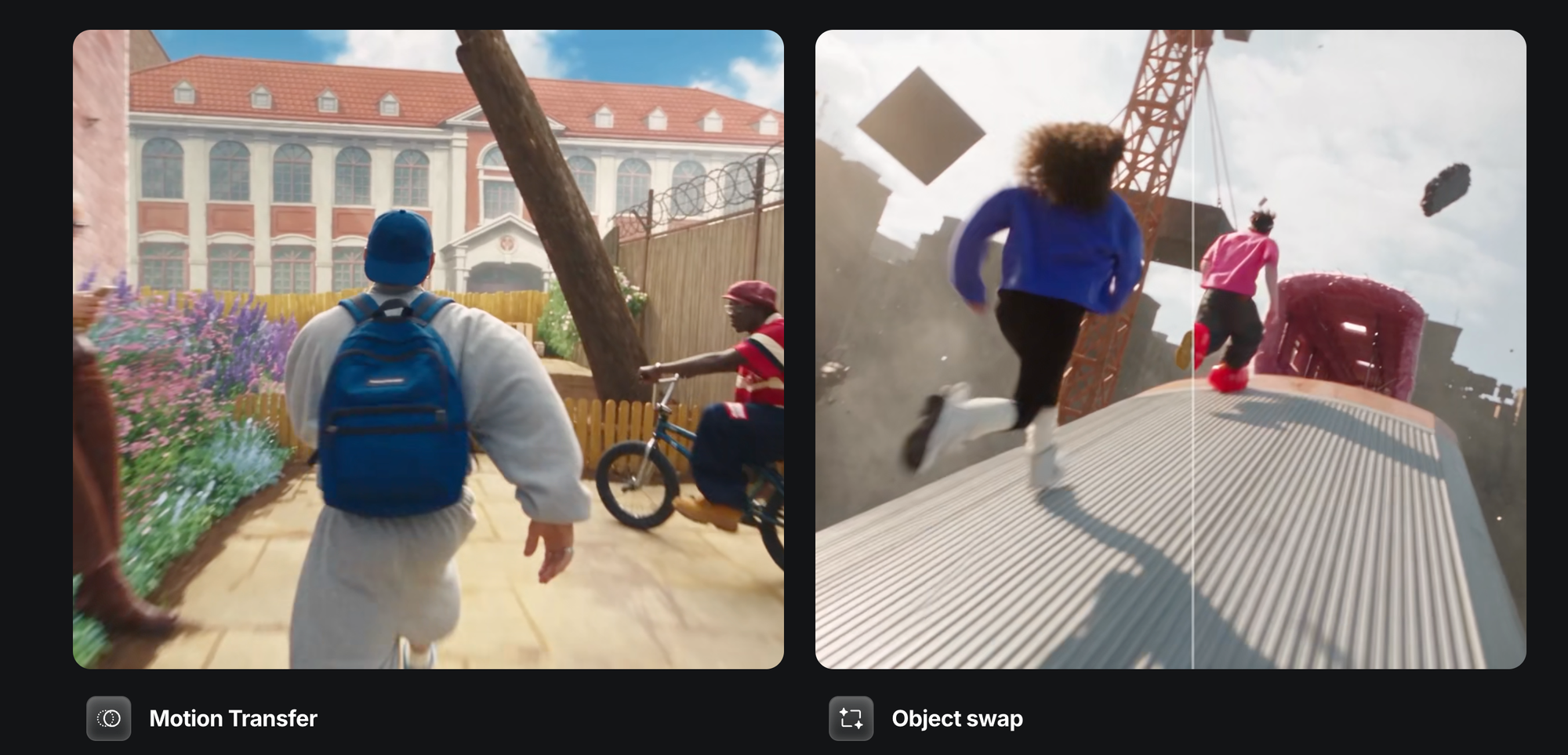
Genjutsu splits into Motion Transfer and Object Swap, and Higgsfield is explicit these solve different problems. Motion Transfer keeps the original motion, camera work, and timing intact while rebuilding the cast, location, and visual world from reference images, essentially recasting an entire performance while preserving exactly how the shot was blocked and moved.
Object Swap works the opposite way, changing one targeted element, a character, wardrobe, product, or location, while leaving everything else in the original footage untouched.
That's a real scope difference from a basic motion-transfer feature, which typically maps movement from one subject onto another and stops there. Genjutsu treats the entire shot, camera included, as material to preserve or rebuild.
What It Actually Accepts
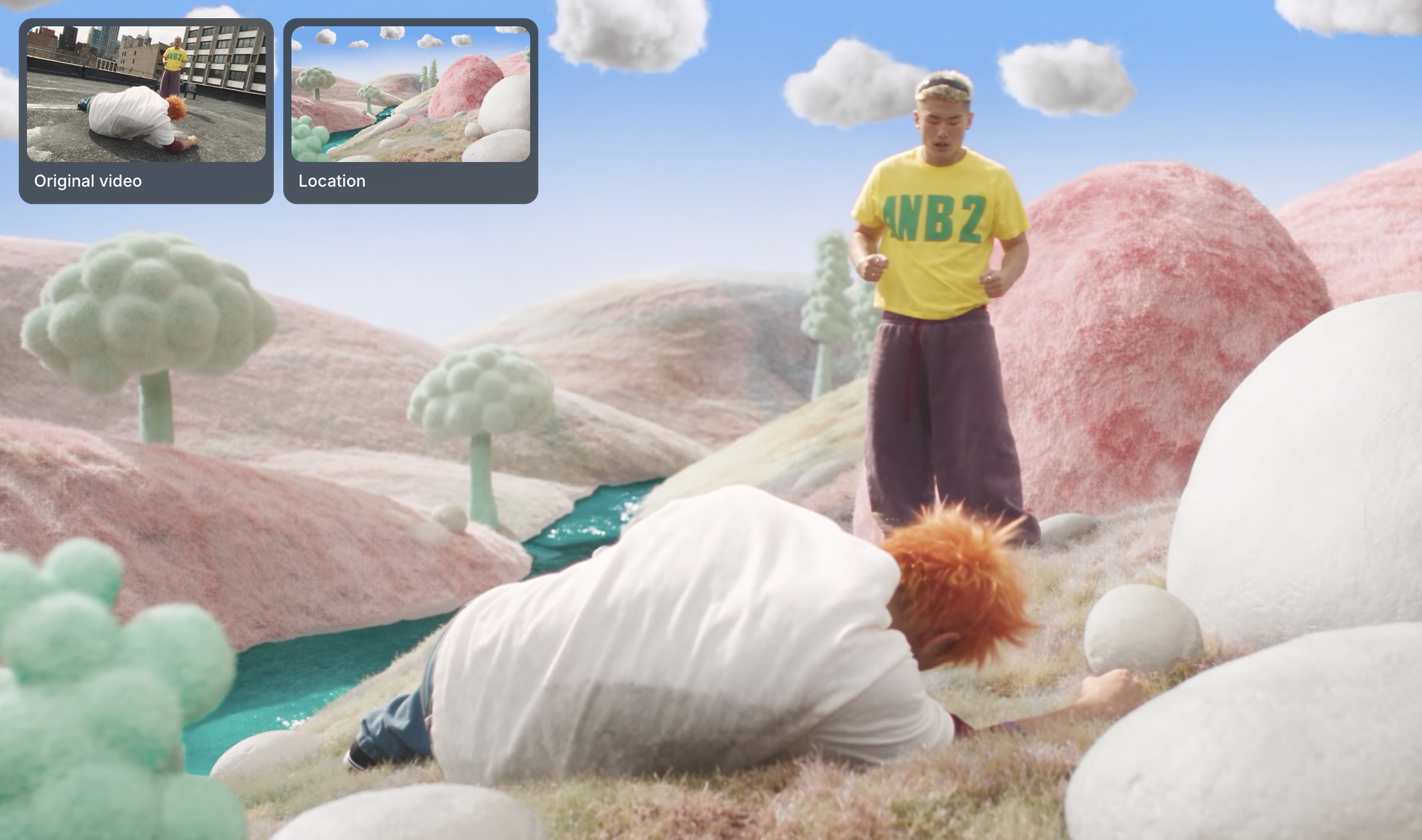
Reference videos run from 3 to 30 seconds, and the tool accepts up to 40 reference images for characters, products, wardrobe, and other visual elements. No editing experience is required; the stated workflow is upload footage and references, choose a technique, describe the change, and generate. Pricing runs through Higgsfield's standard credit system, with cost shown before each generation.
The Use Cases Higgsfield Is Actually Targeting
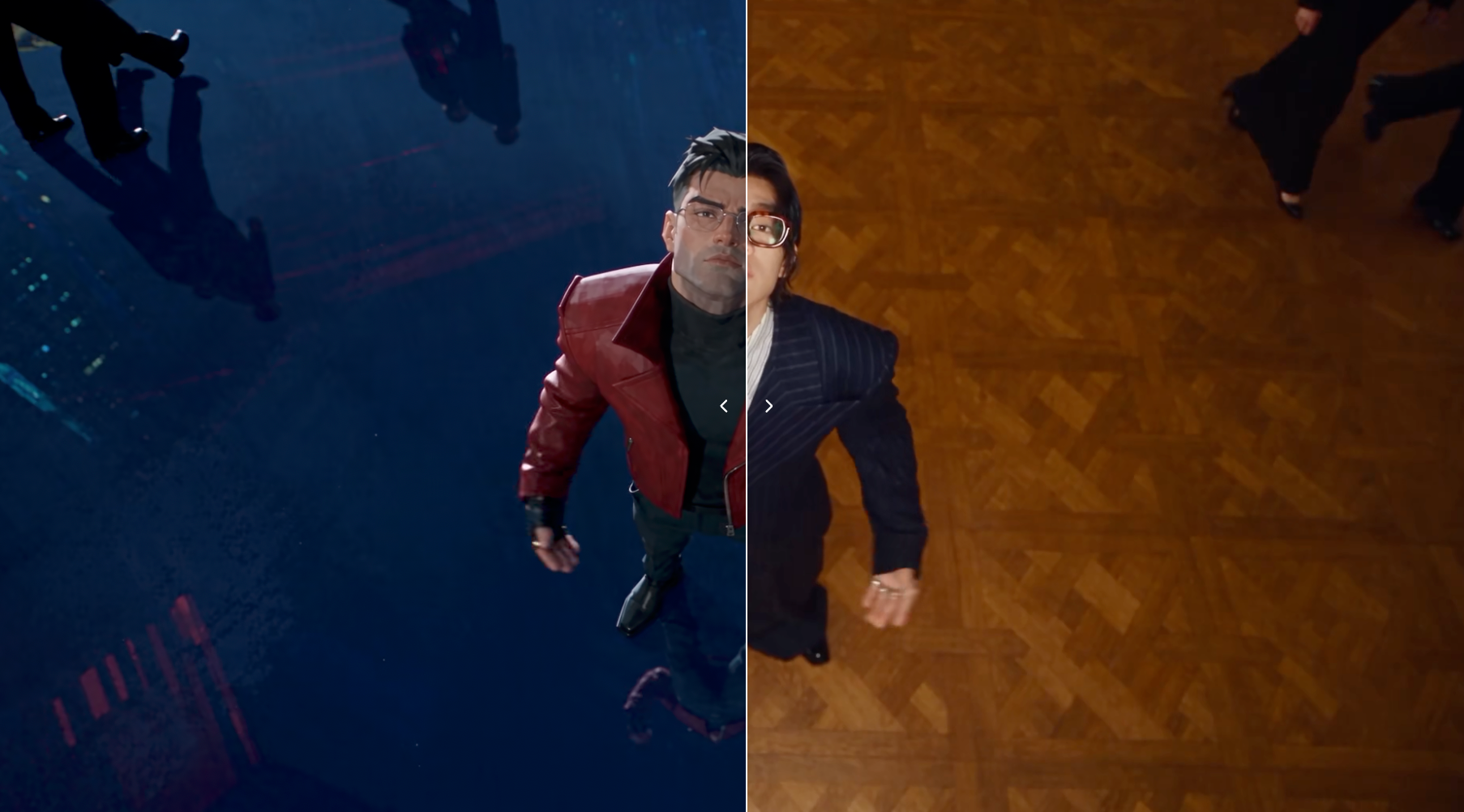
Higgsfield's own examples lean heavily commercial: turning a plain phone video into a finished-looking ad with new wardrobe, set, and grade, multiplying a single ad into dozens of variants before creative fatigue sets in, localizing one campaign across different regions with different characters and locations while keeping the same edit, and maintaining a consistent AI influencer character across scenarios.
Filmmaking use cases (recasting a scene, previsualizing a location change) are plausible extensions of the same tool, but the marketing focus here is squarely on marketing and ad production, not narrative film.
The Signal in the Noise
Whether this is a genuinely new capability or a more polished, unified version of motion transfer Higgsfield already offered through third-party models depends on how well it actually holds consistency across a full recast, camera, timing, cast, and world all rebuilt together, rather than just facial motion mapped onto a new face.
That's a harder problem than single-subject motion transfer, and the real test is in output quality under real use, not the launch demo reel.
Would recasting an entire shot's cast and world while preserving exact camera movement and timing be genuinely useful for your workflow, or is object-level swapping the more practical tool of the two?
The Details
- Tool: Higgsfield Genjutsu, launched September 1, 2026
- Two modes: Motion Transfer (preserves motion/camera/timing, rebuilds scene) and Object Swap (changes one element, preserves the rest)
- Reference video length: 3–30 seconds
- Reference images: up to 40 per generation
- Pricing: standard Higgsfield credit system, cost shown before generating
- Commercial use: permitted under Higgsfield's Terms of Use