How to Build a Shot List From a Script
A shot list is the bridge between a written script and a production day. Here's how to build one that actually serves you on set.

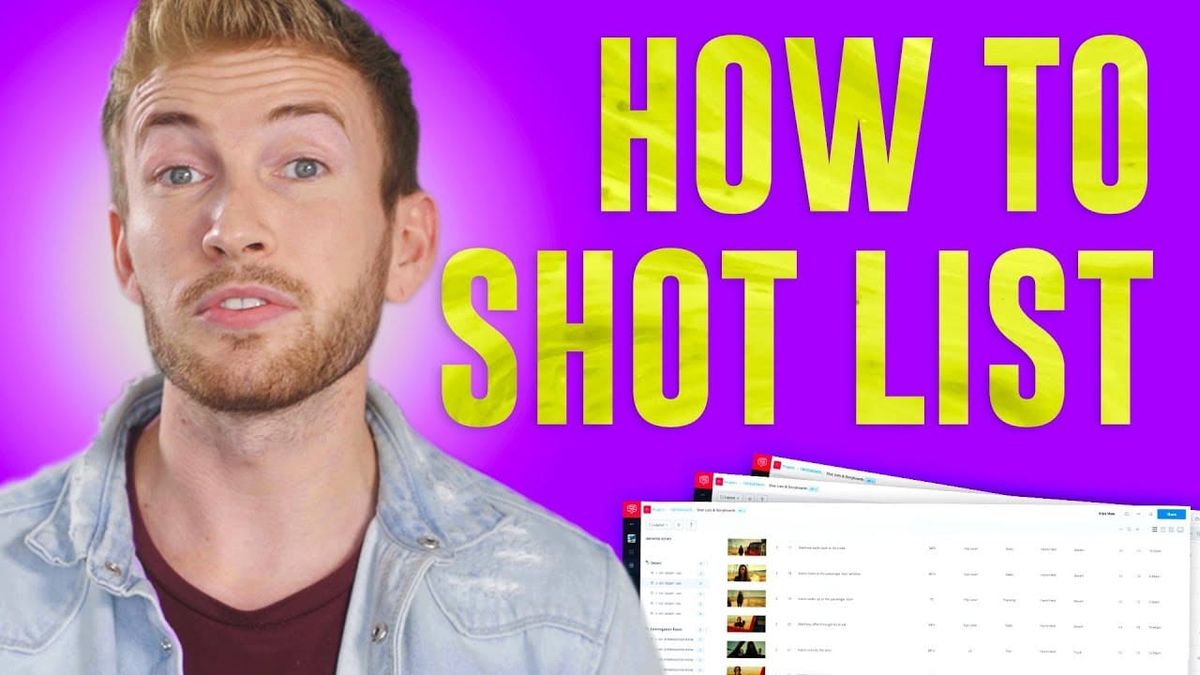
A shot list is the bridge between a written script and a production day. Without one, you're making decisions on set under pressure, with a crew standing around and a clock running. With one, those decisions are already made — and the day is about execution, not invention.
Building a good shot list is a skill that develops with experience, but the fundamentals are straightforward enough to apply on your first project.
Start by Reading the Script as a Director
Before you write a single shot, read the script the way a director reads it — not for story, but for space, movement, and coverage. Where are the characters? How are they moving? What needs to be seen for the scene to work? What's the emotional tone and how does the camera serve it?
Make notes in the margins. Circle moments that require specific shots. Flag scenes with complex blocking that will need careful planning. This read-through is where the shot list actually begins.
Line the Script
Lining a script is a classic pre-production technique where you draw vertical lines alongside dialogue and action to map out camera coverage. Each line represents a camera setup — a master shot, a medium, a close-up, an insert.
You're essentially visualizing the edit before it happens. Which lines of dialogue will be covered by the master? Where do you cut to a close-up? Are there reaction shots you need? Lining makes these decisions explicit before you're on set.
Build the List by Scene and Setup
A shot list is typically organized by scene number, then by individual setups within that scene. Each setup gets its own line with the following information:
Shot number, scene number, shot size (wide/medium/close), camera angle, camera movement if any, lens if specified, subject, and any notes about the shot's purpose or specific framing.
Don't over-specify unless you need to. A shot list is a communication tool, not a constraint. The goal is to make sure everyone on the crew understands what's being captured and why.
Lead With the Master Shot
For each scene, identify the master shot first — the wide shot that covers the full geography of the scene and establishes spatial relationships between characters. Everything else builds from there.
Coverage typically moves from wide to tight: master, medium shots, close-ups, inserts. This sequence makes sense both editorially (you want options at every size) and practically (shooting wide first means you're not backed into a corner if you run out of time).
Group Shots by Lighting Setup
On a production day, time is lost every time you change a lighting setup. A shot list organized to minimize lighting changes — even if that means shooting scenes out of order — can save significant time.
Group all the shots that share a lighting setup together, even if they're from different scenes. Shoot them consecutively, then move the lights and shoot the next group. The script supervisor tracks continuity. The shot list tracks efficiency.
Know What You Can Cut
A shot list is a plan, not a contract. On every production day, something takes longer than expected. When time is short, knowing in advance which shots are essential and which are nice-to-haves lets you make fast decisions without compromising the edit.
Mark your must-have shots clearly. Everything else is coverage that improves the edit but doesn't break it.