How to Use AI to Write a Filmmaker Grant Application
AI handles the structural and drafting work of grant applications effectively — here's how to use it while keeping the authentic voice that reviewers respond to.

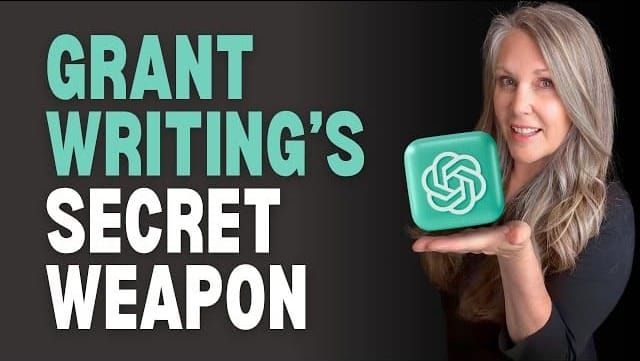
Grant applications are among the most time-consuming documents a filmmaker produces — and among the most formulaic. Each application asks for variations on the same information: what the project is, why it matters, why you're the right person to make it, and what you'll do with the money. AI handles the structural and drafting work of that process more effectively than almost any other filmmaking task.
The caveat is significant: a grant application written entirely by AI and submitted without careful human revision will read like one. The authentic voice and specific personal perspective that grant reviewers respond to has to come from you.
Starting With a Strong Brief
Before you open an AI tool, write a one-page brief about your project in plain language. What is it about? Why does it matter to you? What do you want audiences to feel or understand? What is your specific connection to the subject? What makes your approach different from how this subject has been treated before?
This brief becomes the raw material you give the AI. The more specific and personal it is, the better the AI's output will be. Vague input produces vague output.
Drafting the Project Summary
Paste your brief into an LLM and ask it to draft a project summary for the specific grant you're applying to. Include the grant's stated priorities and criteria in your prompt — ask the AI to frame the project in language that addresses those criteria directly.
Review the draft critically. The AI will produce grammatically clean, well-organized prose that addresses the stated criteria. What it often lacks is the specific detail and personal voice that makes a project summary feel genuine rather than generated. Add those elements manually.
Compressing to Word Counts
One of the most practically useful applications of AI in grant writing is working within strict word or character limits. Grant applications frequently require you to describe a complex project in 250 words, or articulate your artistic vision in 500 characters.
Paste your longer draft and ask the AI to compress it to the required length while preserving the key points. Then edit the compressed version to restore anything the AI cut that was essential. This is significantly faster than trying to cut your own writing down to size.
Artist Statements and Bios
Artist statements are notoriously difficult to write — they require a kind of self-aware articulation of your creative practice that most filmmakers find uncomfortable. AI can produce a first draft that you then revise heavily toward your actual voice.
The same applies to filmmaker bios for grant applications. Give the AI your credits, your background, and the tone of the grant — more formal for institutional funders, more personal for arts councils — and ask it to draft a bio in the appropriate register.
The Human Review Step
Every AI-assisted grant application needs thorough human revision before submission. Read it aloud. Does it sound like you? Does the passion for the project come through? Are the specific details that make your project unique present, or has the AI smoothed them into generic language?
The goal is AI-assisted writing that sounds entirely human. If it sounds like it was generated, revise until it doesn't.