Finishing Your Film Is Not the Finish Line: A Guide to Self-Distribution for Indie Filmmakers
Producer Jeff Deverett makes the case that finishing your film is when the real work starts. Here's his framework for self-distribution using aggregators like FilmHub — and why no deal beats a bad deal.

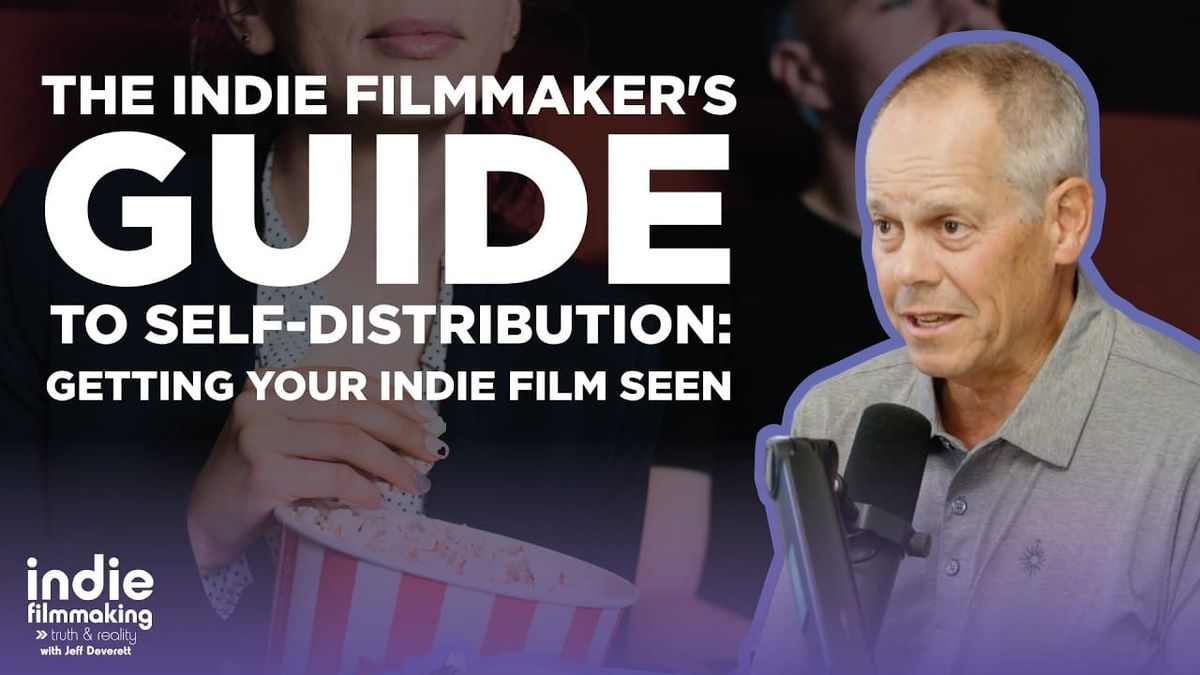
Most indie filmmakers treat the end of post-production as the end of the project. Filmmaker and producer Jeff Deverett spends a lot of time explaining why that's wrong, and what actually comes next.
The short version: finishing the movie is when the work of getting it seen begins. Distribution and marketing are a separate, longer, and in some ways harder process than making the film itself.
The Distinction That Changes Everything
Deverett draws a clean line between two things that most filmmakers conflate: distribution and marketing.
Distribution is the process of creating access — getting your film onto platforms where audiences can find it. Marketing is the process of creating awareness and enticing those audiences to actually watch. As he puts it: "Marketing is by far more challenging than directing in a different way and it involves so much creativity."
Both are necessary. Neither is optional. And completing one doesn't accomplish the other. A film on every streaming platform with no marketing is invisible. A marketing campaign for a film with no distribution path sends audiences nowhere.
The Self-Distribution Formula
For filmmakers bypassing traditional distribution deals, Deverett's framework is two-part: get access in place, then build awareness.
On the access side, his primary recommendations are YouTube for direct upload and FilmHub as an aggregator for platform placement. YouTube is straightforward — largest platform, no gatekeeping, immediate access for any audience you can drive there. FilmHub works differently: it submits films to streaming platforms on the filmmaker's behalf, taking a 20% revenue fee without requiring the long-term contracts that traditional distribution deals often demand. Other aggregators he mentions include Bitmax, Premier Digital, and Giant Films, each with their own platform relationships and fee structures.
The aggregator model is worth understanding specifically because of what it's not. A traditional distribution deal can lock a filmmaker into a 15-year term with high recoupable costs, poor reporting, and little visibility into where the film is going or how it's performing. An aggregator relationship is more transactional: they submit, platforms accept or decline, revenue splits on whatever the film earns. Less upside potential than a major distribution deal, but also dramatically less downside risk.
Deverett's most direct piece of advice on traditional deals: "No deal is better than a bad deal — as soon as you take that bad deal you're going to be locked into it and you're going to regret the day that you did it."
The Marketing Problem
Access is the easier half of self-distribution. Marketing is the part most filmmakers underestimate, underfund, and underplan.
Deverett's recommended tools include social media, paid advertising, and influencer or content creator partnerships — with a specific caveat on the last one. Verifying actual audience engagement, not just follower counts, matters before paying anyone to promote a film. A creator with 100k followers and 0.5% engagement is a worse marketing investment than one with 10k followers and genuine community interaction.
The most interesting marketing approach he describes is hyper-targeting niche audiences based on the film's subject matter. His example: a film about gymnastics marketed directly to gymnastics clubs, schools, and community organizations — people with a pre-existing reason to care about the story, rather than generic film audiences who need to be convinced from scratch. That kind of targeted outreach requires legwork, but it can outperform broad paid advertising for films with clear niche appeal.
What Bad Distribution Deals Actually Look Like
For filmmakers evaluating traditional deals, Deverett identifies the specific terms worth watching for: contract lengths of 10–15 years, high recoupable costs that must be paid back before the filmmaker sees revenue, and poor reporting that makes it impossible to verify what the film is actually earning.
Those terms are common enough in the independent distribution market that knowing what to look for before signing anything is worth the time. An entertainment lawyer reviewing a distribution agreement before signing is not optional — it's the minimum.
Competitive Context
The traditional independent distribution landscape has a well-documented problem with filmmaker-unfriendly terms. The aggregator model has grown substantially over the past decade as filmmakers have found that direct platform relationships, even with revenue sharing, often produce better outcomes than distribution deals that promise more but deliver less.
FilmHub has become one of the more visible players in the US aggregator space. Its 20% fee and non-exclusive approach is a meaningful differentiator from traditional deals, though it also means the filmmaker retains full responsibility for driving audience to wherever the film lands.
The Signal in the Noise
The most useful reframe in Deverett's breakdown is also the simplest: finishing the movie is not finishing the job. Filmmakers who treat distribution and marketing as an afterthought — something to figure out after the film is done — consistently get worse outcomes than filmmakers who plan the release strategy during production.
That doesn't mean every indie film needs a full marketing budget and a distribution strategy mapped out before the first day of principal photography. It means understanding early that the back half of the process exists, costs time and money, and requires a different set of skills than making the film itself.
Resources & Reads
- Jeff Deverett's full video: https://www.youtube.com/watch?v=iRokNTDIKks
- FilmHub aggregator platform: https://filmhub.com
- Bitmax distribution: https://www.bitmaxmedia.com
- IFP's independent distribution resources: https://www.ifp.org