An Indie Filmmaker's Actual Workflow for an AI-Assisted Short Film
An indie filmmaker's real AI production workflow: script first, visual style second, generation last. Here's how it actually worked.

Google ran Flow Sessions, a five-week cohort giving 10 independent filmmakers direct access to its AI tools, Gemini, Nano Banana Pro, and Veo, to produce short films. The results screened at Soho House New York, and one filmmaker's actual workflow is worth breaking down in detail, because it's a genuinely useful counterpoint to the "just type a prompt and get a movie" assumption still floating around AI filmmaking conversations.
The Film and the Filmmaker
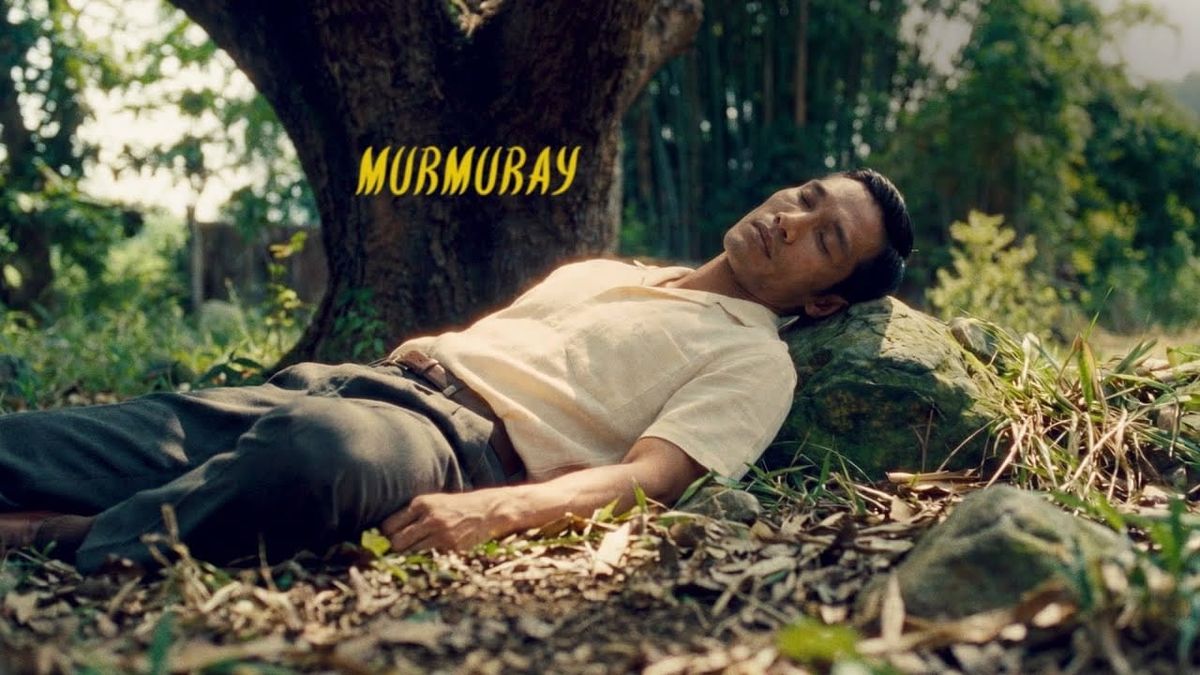
Indie filmmaker Brad Tangonan made a short called "Murmuray," which he describes as a family story rooted in his own background. The film follows a Filipino man walking through his childhood home in rural Hawai'i, discovering a family shrine, and being pulled into a dreamlike sequence involving a masked woman speaking Ilocano, a language widely spoken in Hawaii's Filipino community. According to TechCrunch's coverage, the finished film carries the same tactile nature shots and desaturated highlights recognizable from Tangonan's prior, non-AI work.
The Actual Production Order
Here's the part that matters most for anyone trying to understand what AI-assisted filmmaking actually looks like in practice. Tangonan wrote the script for "Murmuray" without AI involvement at all, then gathered visual references to build a shot list the traditional way. Only after that groundwork was in place did AI enter the process: he fed his references into Nano Banana Pro to generate images matching his established visual style, and those style-consistent images became the foundation for video generation in Veo.
That ordering, script and visual planning first, generation last, is the opposite of how a lot of "AI film" skepticism assumes these projects get made.
Why This Distinction Matters
Tangonan addressed the "AI slop" criticism directly: "AI is a facilitator. I'm still making all the creative decisions." His broader point, paraphrased from his TechCrunch interview, is that AI-generated content collapses into generic slop specifically when someone hands over creative decision-making entirely, but a filmmaker with an established voice and visual style tends to produce something that still reads as distinctly theirs, tool notwithstanding.
Other participants in the same cohort reinforced the same pattern from different angles. Filmmaker Keenan MacWilliam reportedly took specific care to ensure her short "Mimesis" read as an extension of her own visual language rather than a blend of other artists' work, and another participant, Hal Watmough, noted that even having made his film largely solo, that shouldn't be the standard model for telling a story, pointing to the value an actor friend's involvement added to his process.
Competitive Context
This kind of structured, filmmaker-led workflow sits in real contrast to lower-effort AI content flooding social platforms, prompt in, clip out, no underlying script or visual planning behind it. Google's own framing behind the Flow Sessions program leans into democratizing access rather than replacing filmmaking judgment, giving creators tools to tell stories they otherwise couldn't afford the budget or crew for, not a shortcut around the actual creative work.
The Signal in the Noise
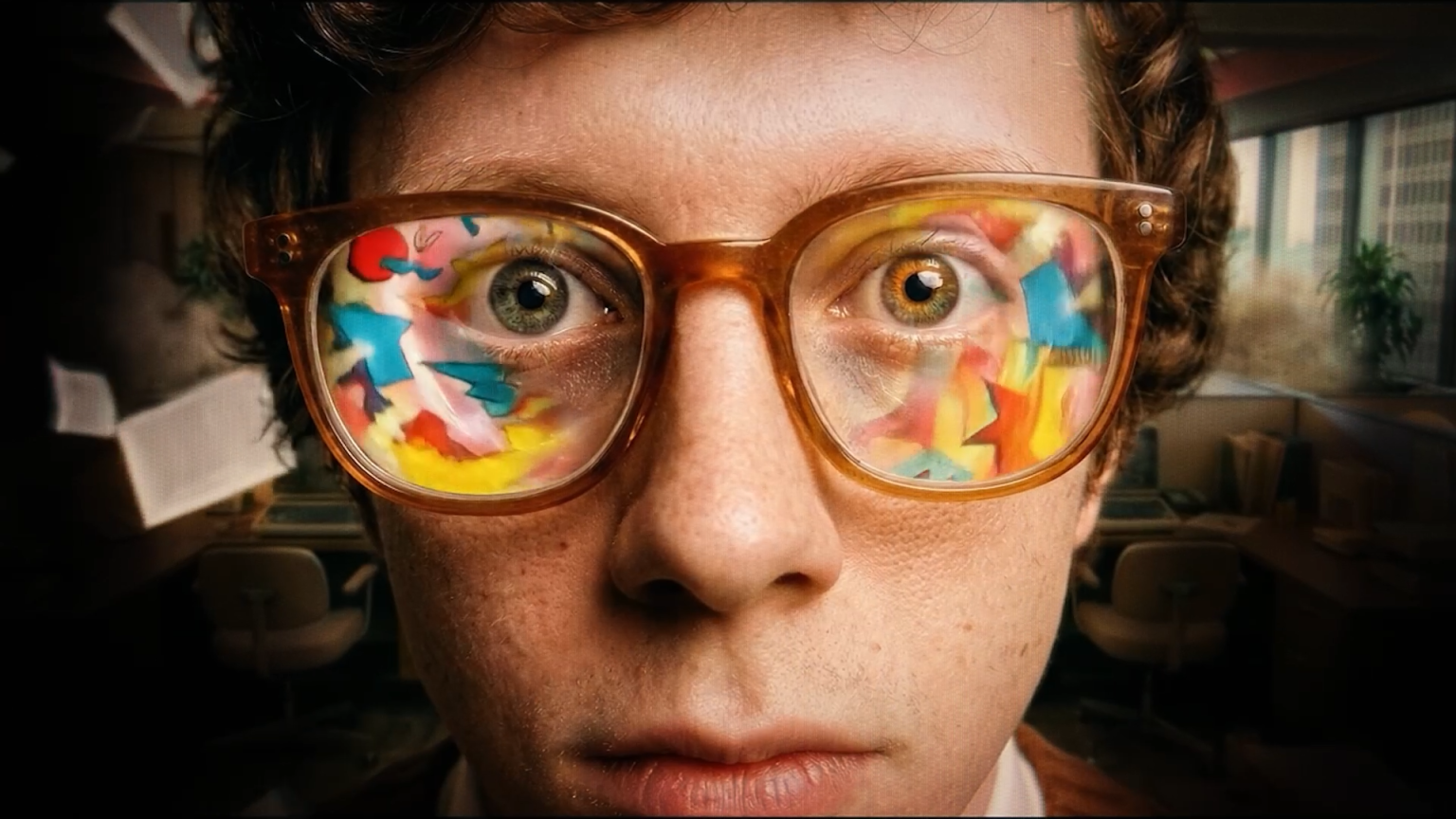
The workflow detail here is the real takeaway, not the fact that AI tools were involved at all. Script first, visual reference and style development second, generation last, is a genuinely replicable structure for anyone trying to use these tools without producing something that reads as generic. The tools didn't make the creative decisions in this case, they executed decisions a filmmaker had already made.
Does knowing the actual order these tools got used in change how you'd think about incorporating AI into your own workflow, versus starting from a blank prompt?
The Details
- Program: Google Flow Sessions, a five-week cohort giving 10 independent filmmakers access to Gemini, Nano Banana Pro, and Veo
- Screening location: Soho House New York
- Featured film: "Murmuray" by Brad Tangonan
- Workflow order: script written without AI, visual references gathered traditionally, then Nano Banana Pro for style-consistent images, then Veo for video generation
- Other participating films referenced: "You've Been Here Before" (Hal Watmough), "The Antidote to Fear is Curiosity" (Tabitha Swanson), "Mimesis" (Keenan MacWilliam)