What is a Large Language Model and Why Should Filmmakers Care?
A Large Language Model is an AI system trained on text to understand and generate language. Here's what LLMs actually do and how filmmakers are using them today.

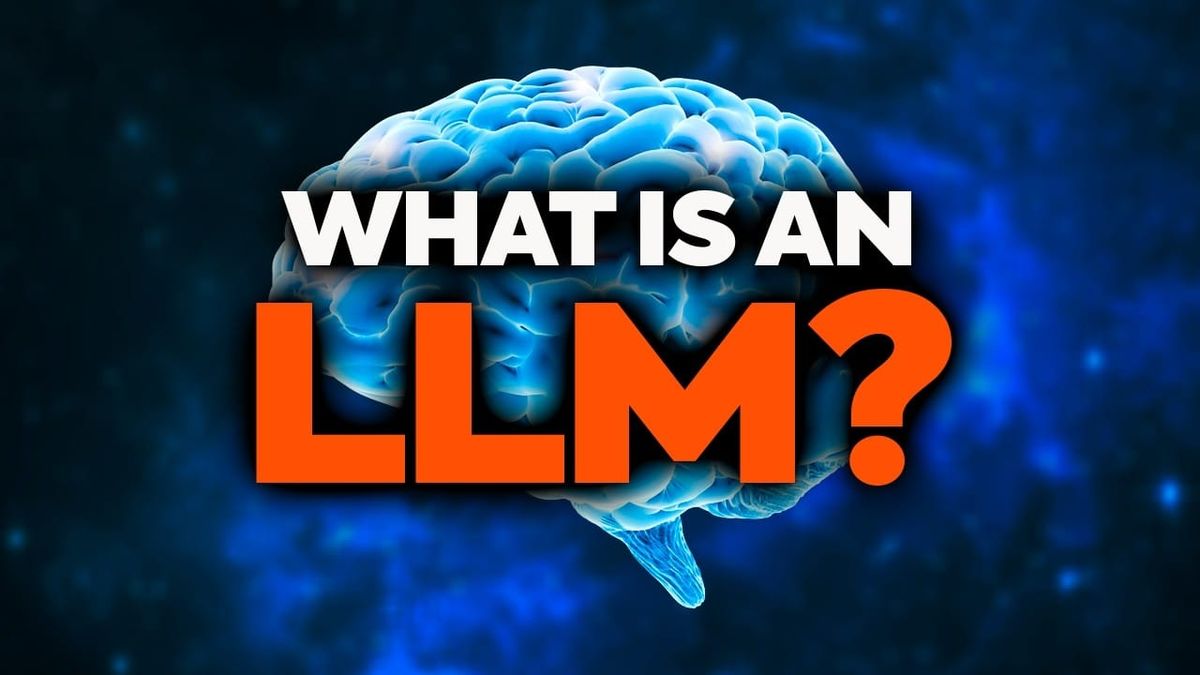
A Large Language Model is an AI system trained on enormous amounts of text data — books, articles, websites, code, scripts — to understand and generate human language. The training process teaches the model statistical relationships between words, phrases, and concepts at a scale that produces output that can feel remarkably like human writing, reasoning, and conversation.
Claude, ChatGPT, and Gemini are all Large Language Models. So is the AI powering the writing assistant in your word processor, the chatbot on your streaming platform's help page, and the tool summarizing your emails.
For filmmakers, LLMs represent a genuinely useful category of tool that's worth understanding — not because they'll replace creative work, but because they change what a single person can accomplish in a day.
What LLMs Actually Do
LLMs generate text based on patterns learned during training. When you ask an LLM to write a character biography, draft a scene, or generate a list of interview questions, it's producing output that statistically fits the context you've provided based on everything it's seen during training.
This is not understanding in the human sense. LLMs don't have intentions, experiences, or creative instincts. What they have is an extraordinarily large database of language patterns that can be applied to almost any text-based task quickly and at scale.
For practical purposes, the distinction matters less than the results. When an LLM helps you break a story structure, research a location, or draft a grant application in minutes, the creative value is real regardless of the mechanism.
How Filmmakers Are Using LLMs Today
The applications that have proven most useful for filmmakers span the entire production lifecycle.
In development and pre-production, LLMs accelerate research, help identify plot holes, generate character backgrounds, produce first-draft treatments, and create production planning documents. A task that might take a day of research and writing can often be compressed into hours.
On set, LLMs can handle communication tasks — professional emails to locations, talent agents, and vendors. They can generate schedule adjustments when a shoot day changes and produce safety briefings for complex setups.
In post-production and distribution, they can transcribe and organize interview footage, write voiceover drafts, generate SEO-optimized descriptions for online platforms, and produce press materials for festival submissions.
What LLMs Can't Do
LLMs cannot replace the judgment, taste, and creative vision that defines good filmmaking. They can generate a first draft, but they don't know whether it's good. They can produce ten versions of a treatment, but they can't tell you which one resonates.
They also have no access to real-time information without search tools, can hallucinate facts and sources, and have no understanding of the specific context of your project unless you provide it.
The most effective use of LLMs in filmmaking is as a tool for acceleration and iteration — getting to a working draft faster, exploring more options, handling the administrative burden of production. The creative judgment remains entirely human.