What's the Actual Goal of AI Filmmaking Right Now? Virality, Festivals, or Something Else Entirely?
Are AI filmmakers chasing the latest models toward viral clout, festival recognition, or real careers? Here's what the actual evidence shows, and why the Kane Parsons comparison is more complicated than it looks.


Every time a new model drops, Seedance 2.5, Veo 3.1, Kling 3.0, AI filmmakers move fast to test it, post the results, and chase the next one. It's worth asking a genuinely honest question about where all of that is actually headed. Is the end goal a viral clip on X or Facebook? A film festival slot? An actual industry career? And if it's the last one, what does that career even look like?
The honest answer is that it's mostly the first thing, with a much smaller, much newer track record building toward the third. Here's what the actual evidence shows.
The Viral Economy Is the Default, Not the Exception
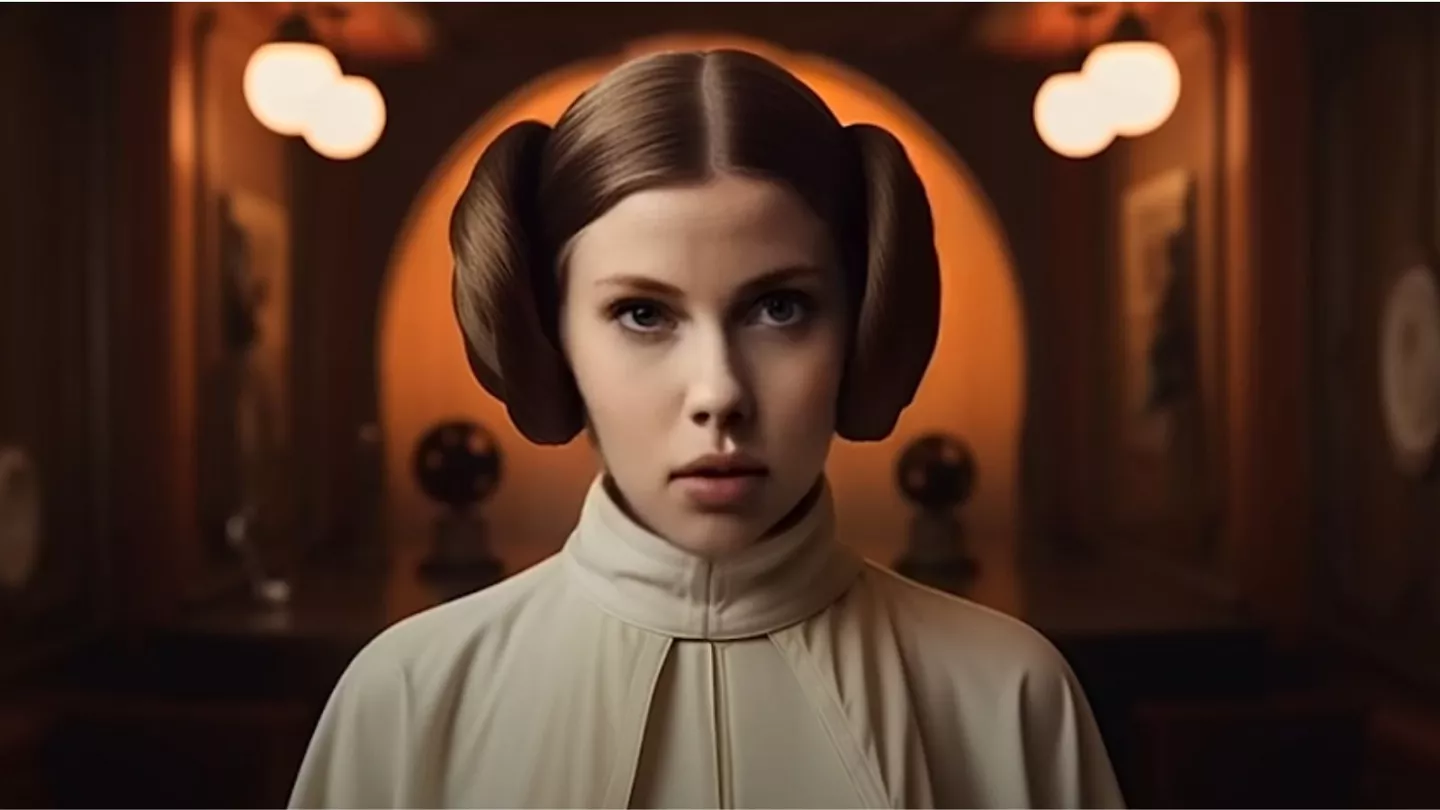
Most AI-generated video chasing the latest model release isn't aimed at a festival or a studio deal at all. It's optimized for algorithmic engagement, short clips built to perform well on X, Facebook, TikTok, or Shorts, monetized through ad revenue or platform payouts rather than any kind of narrative or career-building goal.
That's the same content ecosystem YouTube's own enforcement crackdown has been targeting, terminating over 130,000 channels tied to templated, low-originality AI content over the past six months.
This isn't a knock on that content existing, plenty of legitimate creators make a living producing fast, engagement-driven video. But it's worth being clear-eyed that this is the large, default category, and it's structurally different from the smaller group of people using the same tools to build toward something like an actual filmmaking career.
The Kane Parsons Question, Answered Honestly
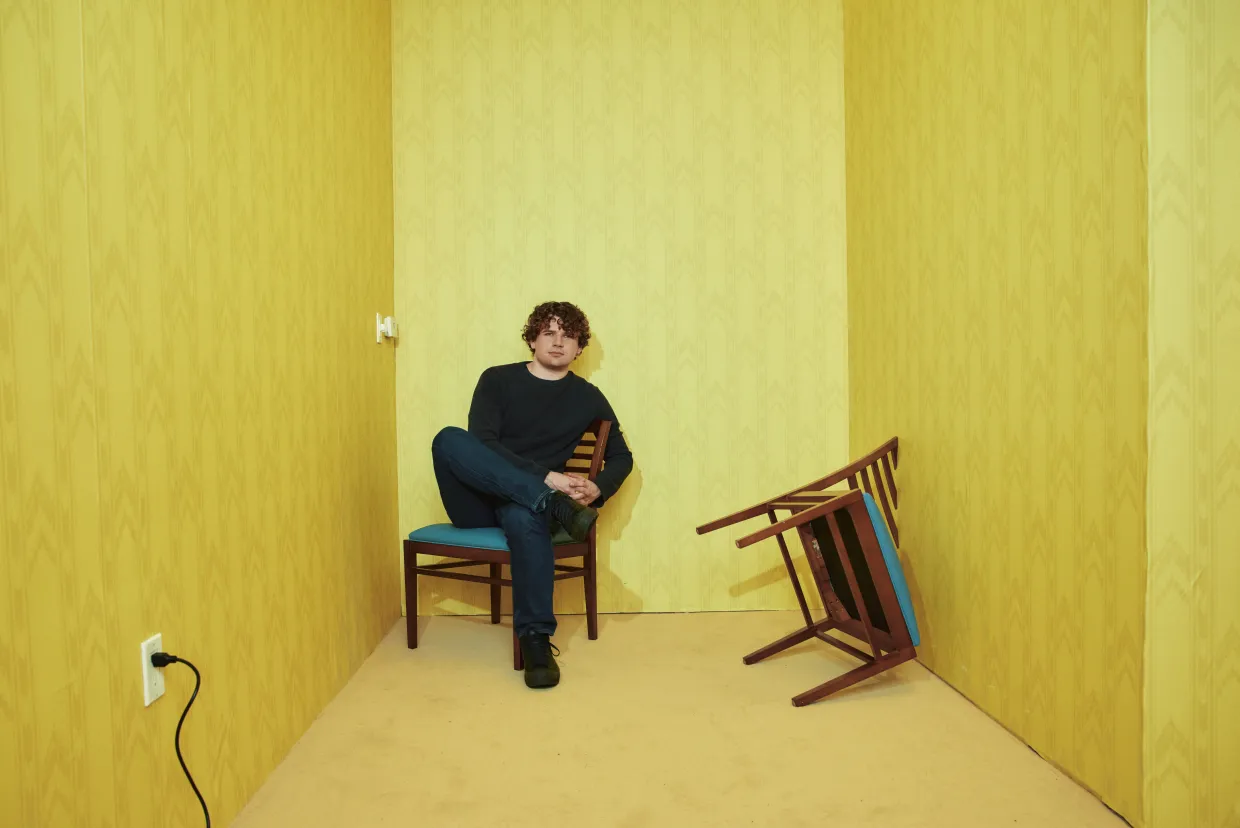
Your instinct to bring up Kane Parsons is exactly the right benchmark, and it comes with an important correction worth sitting with: Kane Parsons isn't actually an AI filmmaker in the generative-video sense.
Backrooms started as a nine-minute short Parsons built alone in Blender at 16, using traditional 3D animation and VFX skill, not Runway, Kling, or any generative AI video tool. A24 signed him to direct the feature while he was still in high school, the film made $374 million worldwide against a $10 million budget, and he's now reportedly negotiating a three-year, $65 million first-look deal with A24, while Warner Bros., Universal, and Sony all compete to pull him away instead. Curry Barker, whose Obsession followed a similar YouTube-to-studio arc, has taken the same path. Both have publicly rejected generative AI tools specifically.
So the real path Parsons represents is: self-taught digital craft, built and posted independently on YouTube, that gets discovered and scaled by a studio. That's an aspirational path for any young, internet-native filmmaker, AI-assisted or not. The question worth actually asking is whether a generative-AI-specific version of that same pipeline exists yet.
The Closest Real Analog: Gossip Goblin
The single best current comparison is Zack London, who works under the name Gossip Goblin. His feature Gods Don't Give Gifts, made entirely with generative AI video tools by a team of 10 artists over two months, opens in U.S. theaters October 30, a genuine theatrical release, not a festival screening or a streaming drop. The Hollywood Reporter has called him "the George Lucas of AI filmmaking," language that signals trade press treating AI-native creators as legitimate filmmakers rather than a novelty act.
That's real, meaningful traction. It's also, honestly, a smaller and earlier-stage outcome than what Parsons has: a limited theatrical release built on an existing online following, not yet a multi-studio bidding war with a nine-figure valuation attached.
The Institutional On-Ramp: Aronofsky's Primordial Soup
A second, different path is being built by established filmmakers rather than emerging ones. Darren Aronofsky's Primordial Soup, launched in partnership with Google DeepMind, mentors emerging directors making short films with generative tools like Veo. The first, Ancestra, directed by Eliza McNitt, premiered at Tribeca in 2025. The company is now raising $15 million and hiring "generative artists" specifically, signaling real institutional investment in building out a pipeline, mentorship, festival premieres, funded development, rather than relying purely on virality to surface talent.
This is arguably the more career-shaped path of the two: it looks less like "post until you go viral" and more like a traditional studio talent pipeline, just built specifically around generative tools instead of traditional production.
Where Festivals Actually Fit
The AI film festival circuit is real and growing fast, Runway's own festival received nearly 3,000 submissions in a recent cycle, screens finalists at Alice Tully Hall (the same Lincoln Center venue that hosts the New York Film Festival every fall), and has struck a deal with IMAX for a genuine commercial theatrical run for its top films. Cash prizes run into the tens of thousands of dollars.
Worth being precise here: this is legitimate, real infrastructure, but it's still a self-contained AI-specific ecosystem, not equivalent to landing in Sundance or Cannes' main competition. BAFTA's recent move to require disclosure of AI tool use in awards submissions is a useful signal of where the broader industry actually stands right now: increased scrutiny and formal guardrails, not full mainstream acceptance into traditional prestige circuits yet.
So Is a Parsons-Style Outcome Actually Possible for an AI Filmmaker?
Based on where things stand today, honestly: not yet, but the direction is pointing that way. No generative-AI-native creator has landed a Parsons-scale, multi-studio bidding war. The clearest current proof points are theatrical distribution (Gossip Goblin) and studio-backed development pipelines (Primordial Soup), genuine progress, but a meaningfully earlier stage than what Parsons achieved.
The broader industry momentum is real, though. Netflix has disclosed generative AI appearing in roughly 300 of its titles already. Major studios are quietly adopting the technology even as high-profile young filmmakers like Parsons and Barker publicly reject it. Money is flowing into AI-native studios at real scale.
If that trajectory holds, a Parsons-style outcome for someone working primarily in generative AI seems plausible within the next few years, but it hasn't happened yet, and there's a genuine irony worth sitting with: the industry's most celebrated young digital-native filmmaker right now built his career specifically without the tools this entire conversation is about.
The Signal in the Noise
The honest takeaway is that "AI filmmaking" isn't one path, it's at least three distinct ones running in parallel: a large, engagement-driven content economy chasing viral clips, a small but real theatrical and festival track (Gossip Goblin, Runway's IMAX deal), and an even smaller, institutionally-backed mentorship pipeline (Primordial Soup) that most resembles a traditional career on-ramp.
Most people chasing the latest model release are in the first category. The people actually building toward something like a Kane Parsons outcome are a much smaller group, working in the second and third, and the industry hasn't yet produced a headline-grabbing success story on that scale for someone working primarily with generative tools. It's coming. It just isn't here yet.
Resources & Reads
- YouTube's AI Slop Crackdown Just Revealed Its Real Scale — BRC
- Can You Make Money as an AI Filmmaker in 2026? — BRC
- Kane Parsons in Talks With A24 on Three-Year $65M Deal — Coverage on World of Reel
- YouTuber and AI Filmmaker Gossip Goblin Releasing AI Feature Film in Theaters This Fall — Coverage on IndieWire
- Darren Aronofsky's AI Studio Primordial Soup Raising $15 Million — Coverage on Variety