ARRI's LogC3 Is Now on Your Phone — But Don't Throw Out Your ALEXA Yet
ARRI's LogC3 and Wide Gamut 3 are now built into HONOR's Robot Phone. Here's what's genuinely confirmed, and the key specs still missing before this means anything for real production.

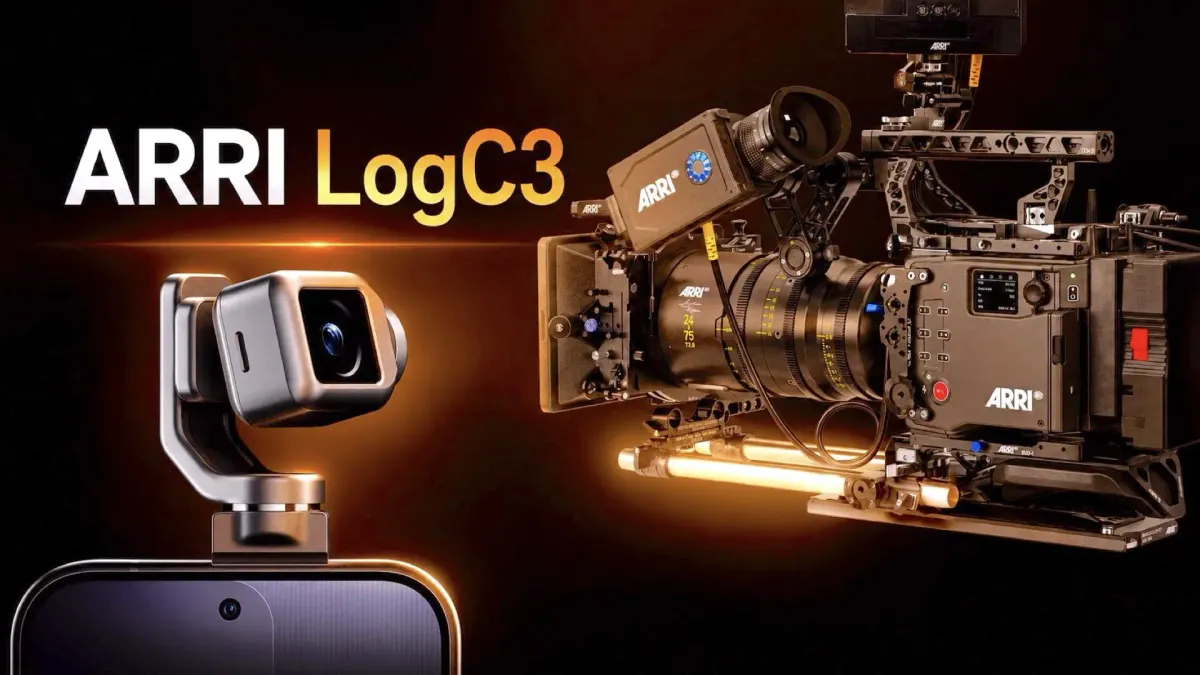
ARRI and HONOR demonstrated a working cinema imaging pipeline built into a smartphone this week, at the HONOR Imaging Technology Launch in Hengdian, China. The Robot Phone, launching August 12, incorporates ARRI LogC3, ARRI Wide Gamut 3, and selectable ARRI Looks, alongside a manual camera interface built around Exposure Index rather than conventional smartphone ISO controls.
This isn't a branded filter pack. ARRI's Director of Image Science, Harald Brendel, presented the collaboration directly at the event, and the company has been explicit that the goal is bringing real color management and structured image control to mobile production, not a preset bundle. That's a meaningfully different claim than the usual "cinematic mode" marketing language phone makers throw around, and it's worth taking seriously. It's also worth treating with real skepticism until the actual recording specs are public.
What's Actually Confirmed
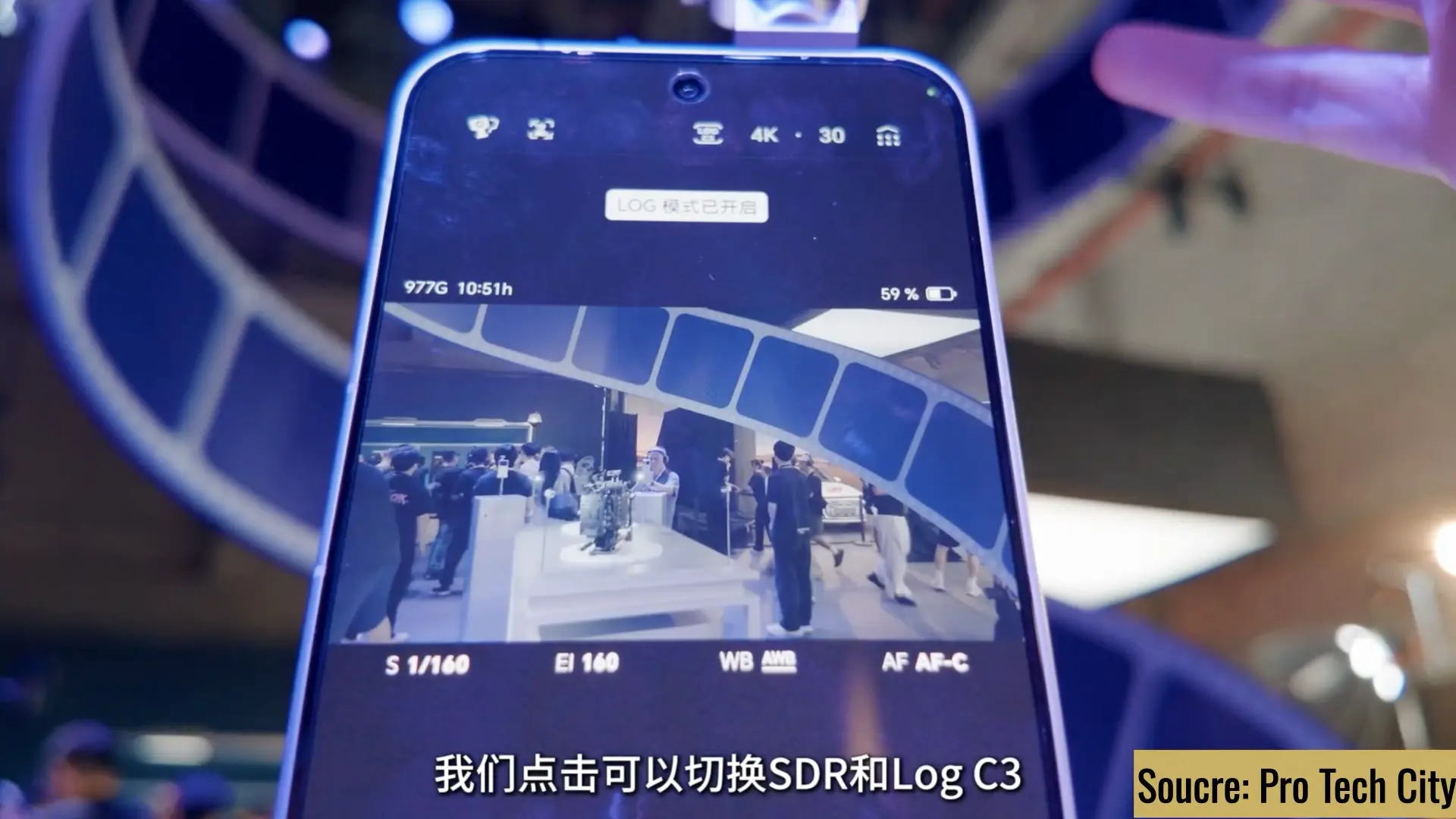
LogC3 is the logarithmic transfer function tied to previous-generation ARRI digital cinema cameras, designed to preserve tonal information for color grading rather than baking in a final look at capture. ARRI Wide Gamut 3 is the corresponding wide color space. On the Robot Phone, users can switch directly between SDR and LogC3 from the camera interface, and footage shown at the event confirmed Log is a genuine recording mode, not a preview-only visual filter.
The manual interface goes further than most phone camera apps: shutter speed, Exposure Index, white balance, autofocus mode, exposure compensation, lens selection, Log/SDR toggling, and ARRI Look presets were all demonstrated live, with EI values displayed as EI 160 and EI 320, cinema camera terminology rather than standard ISO numbers. One monitoring tool shown resembled a false-color exposure overlay, genuinely useful for judging exposure on flat Log footage, where a standard preview image makes that judgment difficult.
Camera hardware is also confirmed: a 200MP main sensor (1/1.28-inch, f/1.6) mounted on the phone's signature three-axis titanium gimbal, paired with a 50MP ultra-wide and a 200MP periscope telephoto. The demonstrated recording mode ran 4K at 30fps across three selectable focal lengths (23mm, 46mm, 92mm).
What's Still Genuinely Unknown
This is the part worth not skipping past. HONOR has not yet disclosed recording bit depth, codec, bitrate, chroma subsampling, higher frame rate support, measured dynamic range, whether LogC3 works across all three lenses or just the primary camera, whether ARRI Looks are baked into the file or function only as a monitoring LUT, and whether the files carry the metadata professional grading software expects.
Those aren't small details. A wide-gamut Log image recorded in a heavily compressed 8-bit codec behaves nothing like the same image in 10-bit with strong chroma information, even with identical color science underneath. LogC3 and Wide Gamut 3 on a phone don't automatically mean ALEXA-level dynamic range; that still depends entirely on sensor size, exposure strategy, and the actual codec HONOR ships with, none of which have been confirmed.
The Gimbal Is the More Genuinely Novel Part
The imaging workflow is paired with the phone's defining hardware feature: a camera mounted on an articulated, mechanically stabilized module rather than software-only stabilization. Cinematographer Wang Boxue, who tested the device at the event, noted the value wasn't just image quality but the ability to get the camera into spaces a traditional setup couldn't reach, reducing production overhead while expanding where a shot is actually possible.
Stabilized movement alone isn't new; external gimbals already solve that problem well. What's more unusual is combining mechanical stabilization with Log recording, real color management, and manual exposure controls in one compact device. Whether that combination holds up in real production conditions depends on how reliably the mechanism operates and how quickly it responds, neither of which is knowable from a staged demo.
Competitive Context
This follows a wave of smartphone makers chasing "cinema-adjacent" positioning this year, from larger 1-inch sensors to LOFIC sensor technology aimed at wider dynamic range.
ARRI's involvement is the differentiator that matters most here: it's a real cinema equipment maker's own color science team directly involved, not a marketing partnership bolted onto an existing camera app. That lends more credibility than most phone-cinema crossover attempts, though credibility isn't the same as verified performance.
The Signal in the Noise
Treat the Robot Phone as a mobile camera adopting selected ARRI workflow components, not a replacement for an ARRI cinema camera, which is exactly the framing YMCinema's own reporting lands on.
The partnership has a genuinely tangible technical foundation this time, more concrete than the backlash-inducing announcement back in March. But until HONOR discloses codec, bit depth, and actual measured dynamic range, the honest read is: interesting direction, real collaboration, verdict pending.