How Shirogumi Built Godzilla Minus Zero With About 50 VFX Artists on One Floor
Shirogumi grew its Godzilla Minus Zero VFX team from 35 to about 50 artists, kept everyone on one floor and started previs from the first storyboard panel.

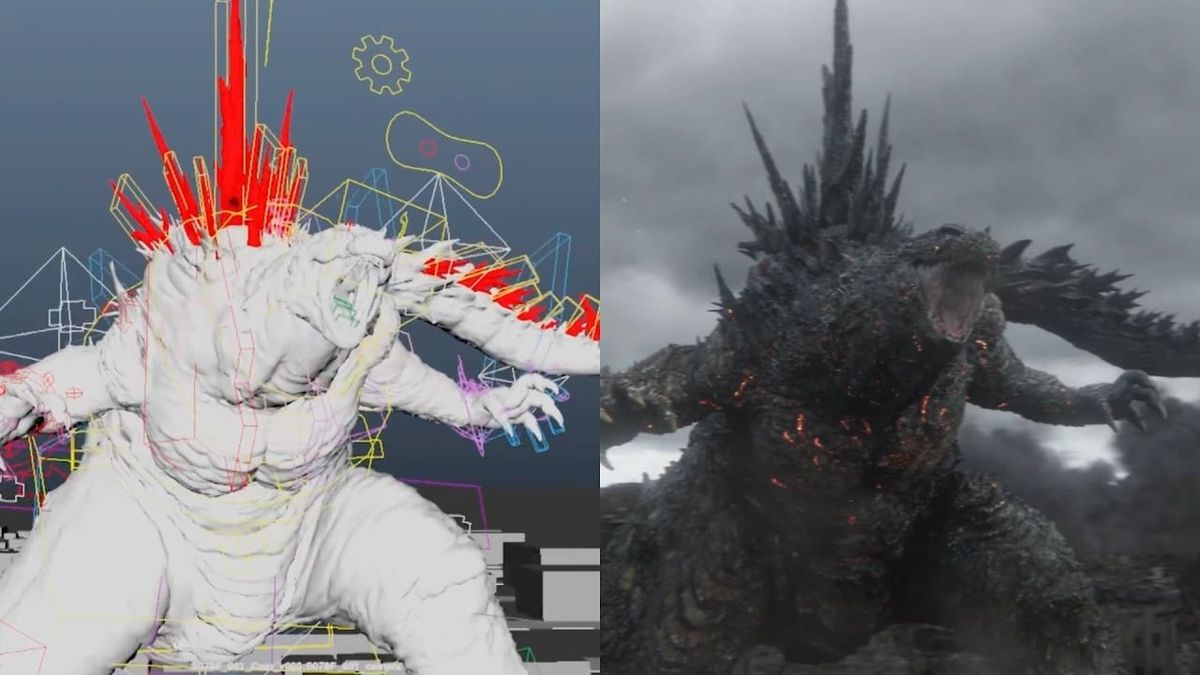
Godzilla Minus Zero's visual effects came from Shirogumi, the studio where director Takashi Yamazaki has worked since 1986, with a team of about 50 artists. That is up from 35 on Godzilla Minus One, and the sequel puts two kaiju on screen instead of one.
The studio kept the first film's working method: everyone on one floor, previs from the first storyboard panel and shots left unlocked for as long as possible.
From 35 Artists to About 50
On the first film, a 35-artist team produced roughly 600 VFX shots on a reported budget of less than $15 million. For the sequel, Inverse reports that the budget and the production team were scaled up after that success, with the VFX department growing to around 50 staff. No budget figure was given.
A.V. Club reports that Yamazaki described the expansion as vertical rather than horizontal. The pipeline changed little, and Shirogumi put its extra investment into new rendering servers that went to the expansive, scenery-heavy shots.
One Floor, Small Team
Producer Kazuaki Kishida told Inverse that Shirogumi kept its team small to preserve its culture, with all artists on one floor for fast feedback. He called it the "Japanese style" of filmmaking.
Yamazaki wrote, directed and supervised the visual effects, and he also served as chief storyboard artist. Takayuki Ueki was credited as VFX supervisor and Tatsuji Nojima as a VFX artist and compositor.
Previs From the First Storyboard Panel
Previs started as soon as each storyboard panel was finished, and it became the base for animation and effects. For practical shots, the previs went to set and the art department built physical sections with CG backgrounds added.
Yamazaki avoided locking shots early. He accepted a higher cost in exchange for flexibility in 3D space.
The sequel also had more pre- and post-production time than the first film. The team had done R&D for a 2025 theme park ride, Godzilla The Ride: Great Clash, where it first worked with King Ghidorah.
Why a Second Kaiju Cost So Much More
Yamazaki said two kaiju's destruction takes four or eight times the work, not double. The team built a full city, Matsumoto, for the Narukami dogfight so the camera could move freely, and Nojima told MobileSyrup that the city probably took more computing power than some of the kaiju action.
Ginza used a shared 360-degree background. Kaiju shots were done cut by cut, and the look was locked late in post.
Small crews handled individual sequences. Four animators worked on the Yahaza operation, three of them from previs through final animation, and four VFX artists worked on the Toyo Balloon running sequence. One ocean-rising shot of Godzilla had no live-action plate, took about 2 billion pixels of water effects and was built by two people.
The film was shot for IMAX, which increased the pixel count per frame and the workload, according to Inverse.
Competitive Context
Godzilla Minus Zero arrived alongside a run of large-format releases. Related BRC coverage includes Nolan's IMAX viewfinder for The Odyssey and the custom lenses on Dune: Part Three.
On the previs side, a code-based video model for previs covers one way newer tools are entering the same stage of production.
The Signal in the Noise
The "small team" label is relative. About 50 artists is a 40 percent increase over the first film, on a scaled-up budget, with more pre- and post-production time and a rendering upgrade. The practices that carried over are the ones that cost little: a single floor, previs tied to storyboards and late shot locking.
The late-locking approach has a stated cost. Yamazaki accepted higher expense for flexibility, and he said a second kaiju multiplied the work well beyond double. That trade-off is the part other small teams can test against their own schedules.
The interviews ran through translators, and none gave a shot count or software list. Those figures may emerge as the crew talks more about the film.