Best Cameras to Pair With the Sony FX5
The FX5 was designed for multi-camera work. Here's which cameras actually pair well with it, as an A-cam or a B-cam, and why color science matters more than specs.

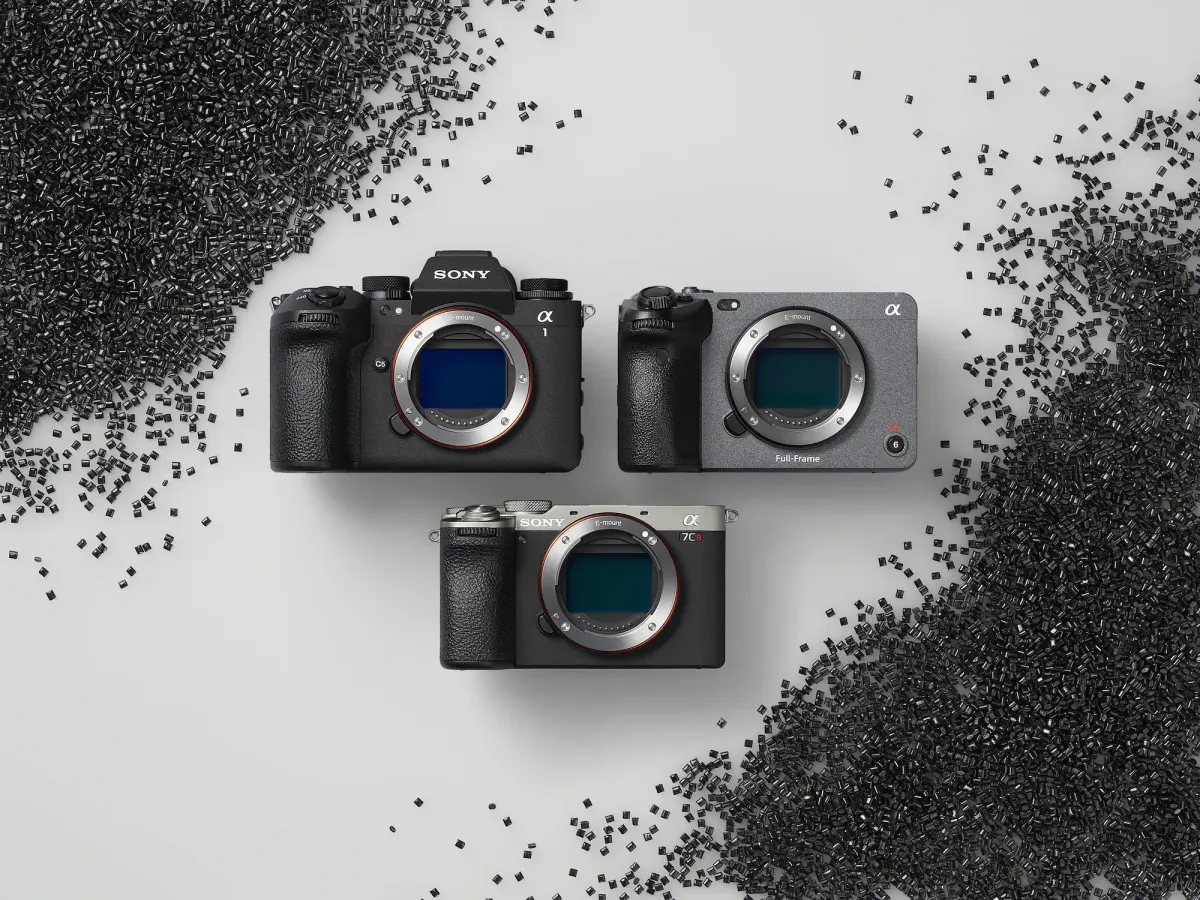
The FX5 was built with multi-camera work in mind from the start, and Sony has been explicit about it. Whether it's the anchor camera in a small production or the B-camera under something bigger, the real question isn't just "what pairs well," it's which combination actually matches in color science and workflow without forcing a heavy grading fix in post.
Why Color Science Matters More Than Specs Here
Sony's own FX5 marketing states directly that its S-Gamut3 and S-Gamut3.Cine color spaces are designed for "easier colour matching with VENICE 2 in multi-camera shoots." That's not incidental, it's a deliberate design choice, and it points to the actual framework worth using when picking a second camera: shared color science and shared codec family matter more for a clean multi-cam workflow than matching resolution or price tier exactly.
S-Cinetone, Sony's cinema color profile that debuted on the original VENICE and has since spread across the FX line and into current Alpha bodies, is the real unifying thread. Any camera in Sony's current lineup running S-Cinetone starts from a much closer color baseline than a mixed-brand setup ever could, cutting real time out of the color matching process in post.
If the FX5 Is Your B-Camera: Pair It With VENICE 2
This is the pairing Sony explicitly designed for. VENICE 2 as the A-camera and the FX5 as a compact, gimbal-friendly, or hard-to-reach B-camera, second angle, drone mount, tight interior space, gives you genuine color consistency without the workflow gap that usually comes from mixing a flagship cinema camera with a much smaller secondary body. Both share the S-Gamut3.Cine color space, and the FX5's own workflow (internal RAW recording, Open Gate scan modes) was built to echo VENICE 2's pipeline specifically, not just its color output.
The FX6 works as a similar secondary option under VENICE 2 or VENICE, and Sony markets it explicitly this way, "poised to both supplement your FX9 or VENICE capture." If budget doesn't stretch to a second FX5 or something in the VENICE line, the FX6 is a well-supported, S-Cinetone-native alternative at a lower price point.
If the FX5 Is Your A-Camera: Pair It With an Alpha Body
For solo shooters and small crews where the FX5 is the primary camera, a current-generation Sony Alpha body makes the most practical B-camera. The a7S III has long been a favorite pairing for FX-series cameras specifically because of its low-light sensitivity and video-first design, historically it required manual LUT work to approximate S-Cinetone, but that gap has narrowed considerably as Sony has extended native S-Cinetone support across more recent Alpha bodies.
The a9 III is worth considering specifically for its global shutter, useful if your B-camera role involves fast action, sports, or anything with flash photography crossover, situations where rolling shutter distortion becomes a real concern. A more budget-conscious pairing, the a7 IV, still shares E-mount compatibility, full-frame sensor size, and Sony's broader color science family, a reasonable B-camera for projects where the a9 III or a7S III's price premium isn't justified by the actual shot list.
What Actually Makes These Pairings Work
Beyond color science, the practical factors worth checking before committing to any second camera: E-mount compatibility (shared lens ecosystem means one lens set covers both bodies), matching sensor size (full-frame to full-frame keeps field of view and depth of field consistent across cuts), and codec compatibility in your editing pipeline (XAVC and X-OCN variants across Sony's lineup generally cut together cleanly, but worth confirming your specific NLE handles both without a transcode step).
Manual white balance matching remains worth doing regardless of how well the color science aligns on paper. Even cameras sharing the same color profile benefit from a unified white balance card check on set, small sensor and processing differences between models still show up under scrutiny, and a quick on-set check is cheaper than a color-matching pass in the grade later.
The Signal in the Noise
The FX5's actual advantage in a multi-camera kit isn't just its own spec sheet, it's how deliberately Sony built its color science to slot into the rest of the Cinema Line without a workflow tax. Whether the FX5 ends up as your compact B-camera under a VENICE 2 or FX6 setup, or your primary camera paired with an Alpha body for a leaner two-camera kit, staying inside Sony's current S-Cinetone ecosystem is the single biggest factor in whether your multi-cam footage cuts together cleanly or needs real grading work to unify.
What's your current multi-cam pairing with the FX5, or what are you considering? Curious what's actually worked for you in practice, drop it in the comments.