Sony FX5 Lens Guide: The Best Glass for Every Budget and Shooting Style
The Sony FX5 launches with full E-mount compatibility — here's the best glass to pair with it, from Sony's own Cinema Line primes to Sigma and Tamron alternatives at every budget level.

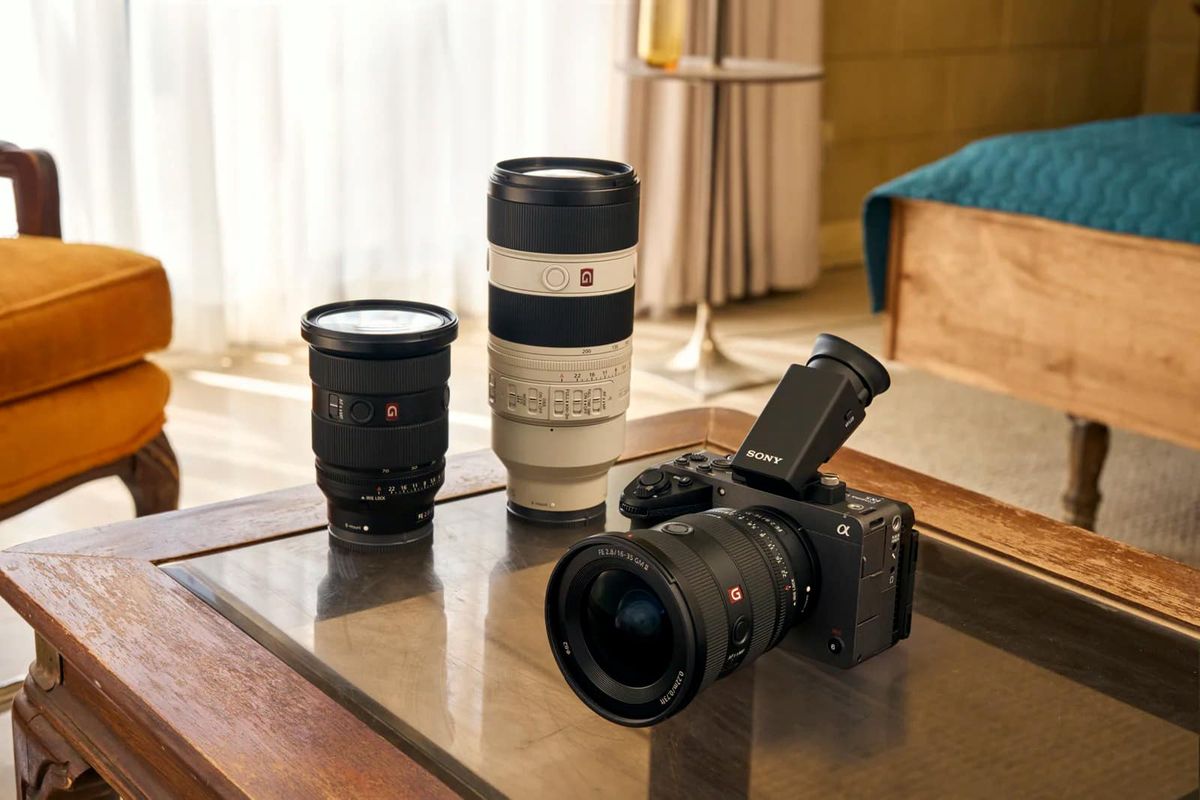
The Sony FX5 launched today with one of the most important assets any cinema camera can have: the most mature mirrorless lens ecosystem in the industry. Sony's E-mount is compatible with hundreds of native lenses from Sony, Sigma, Tamron, Zeiss, and Rokinon, plus adapted PL and EF glass via mount adapters. The FX5's full-frame sensor and X-OCN RAW output reward high-quality glass — here's what to pair with it.
A note on approach: this isn't a ranked list of the "objectively best" lenses. The right lens depends entirely on what you're shooting. This guide is organized by use case, with options at different budget tiers within each category.
For narrative and commercial work: Sony FE C Cinema Line
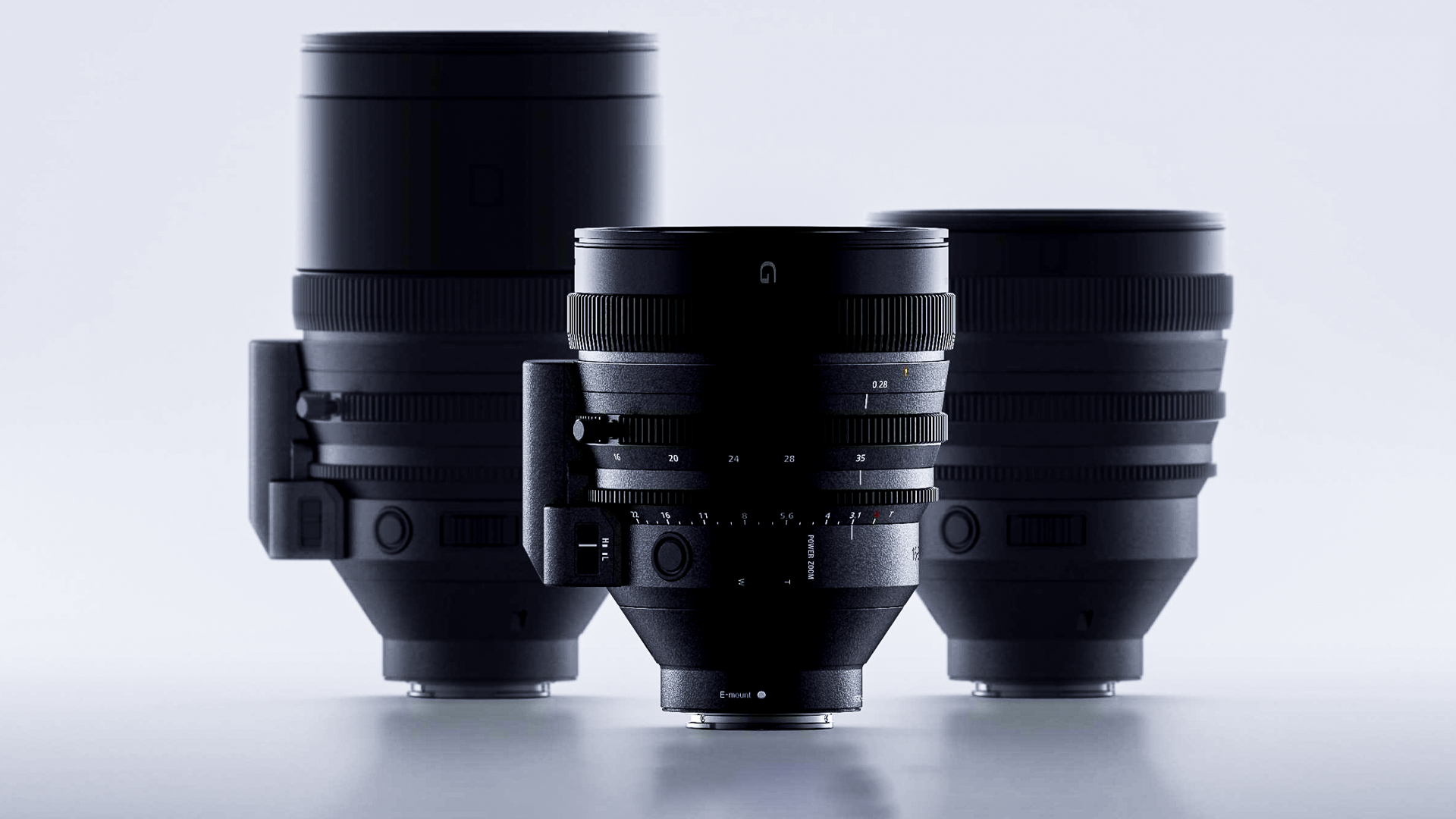
If you're building a cinema workflow around the FX5, Sony's own FE C Cinema Line lenses are the most purpose-built option. They're designed specifically for the Cinema Line bodies, with de-clicked aperture rings, 0.8 pitch follow focus gears, consistent 95mm front diameters across the lineup, and T-stop markings rather than f-stop markings for precise exposure matching between primes.
Sony FE C 16-35mm T3.1 G (~$2,999) — the wide zoom anchor of the Cinema Line. Constant T3.1 across the full zoom range, linear focus response, and the mechanical consistency cinema work demands. Covers wide establishing shots, environments, and interiors.
Sony FE C 24-105mm T4 G (~$3,299) — the workhorse zoom that covers most of what a narrative or commercial production needs in a single lens. T4 through the full range, anamorphic-compatible coating, de-clicked aperture. For owner-operators who want one lens that handles most situations.
For documentary and run-and-gun: Sony G Master zooms
The G Master zoom lineup is the most capable hybrid option on E-mount — professional optical quality with fast, silent autofocus that works seamlessly with the FX5's AI tracking system. For documentary work, event coverage, and solo operator situations where you can't stop to swap lenses, these are the practical anchors.
Sony FE 24-70mm f/2.8 GM II (~$2,299) — the standard zoom benchmark on E-mount. The second-generation version is significantly lighter than the original (695g vs 886g), with faster autofocus and improved sharpness wide open. f/2.8 throughout the range covers most documentary lighting conditions without pushing ISO. Pairs perfectly with the FX5's three base ISOs.
Sony FE 70-200mm f/2.8 GM OSS II (~$2,799) — the telephoto end of the documentary kit. f/2.8 throughout, Optical SteadyShot complementing the FX5's IBIS for longer handheld shots, and the kind of background separation that makes interview work look polished. The combination of GM II and 70-200 covers 95% of documentary shooting needs.
Sony FE 16-35mm f/2.8 GM II (~$2,199) — the wide end for run-and-gun. Faster than the Cinema Line equivalent at f/2.8, with GM autofocus. Gives up the de-clicked aperture and follow focus gears of the Cinema Line version, but for documentary work where autofocus matters more than manual exposure pulls, it's the better tool.
For maximum image quality: primes
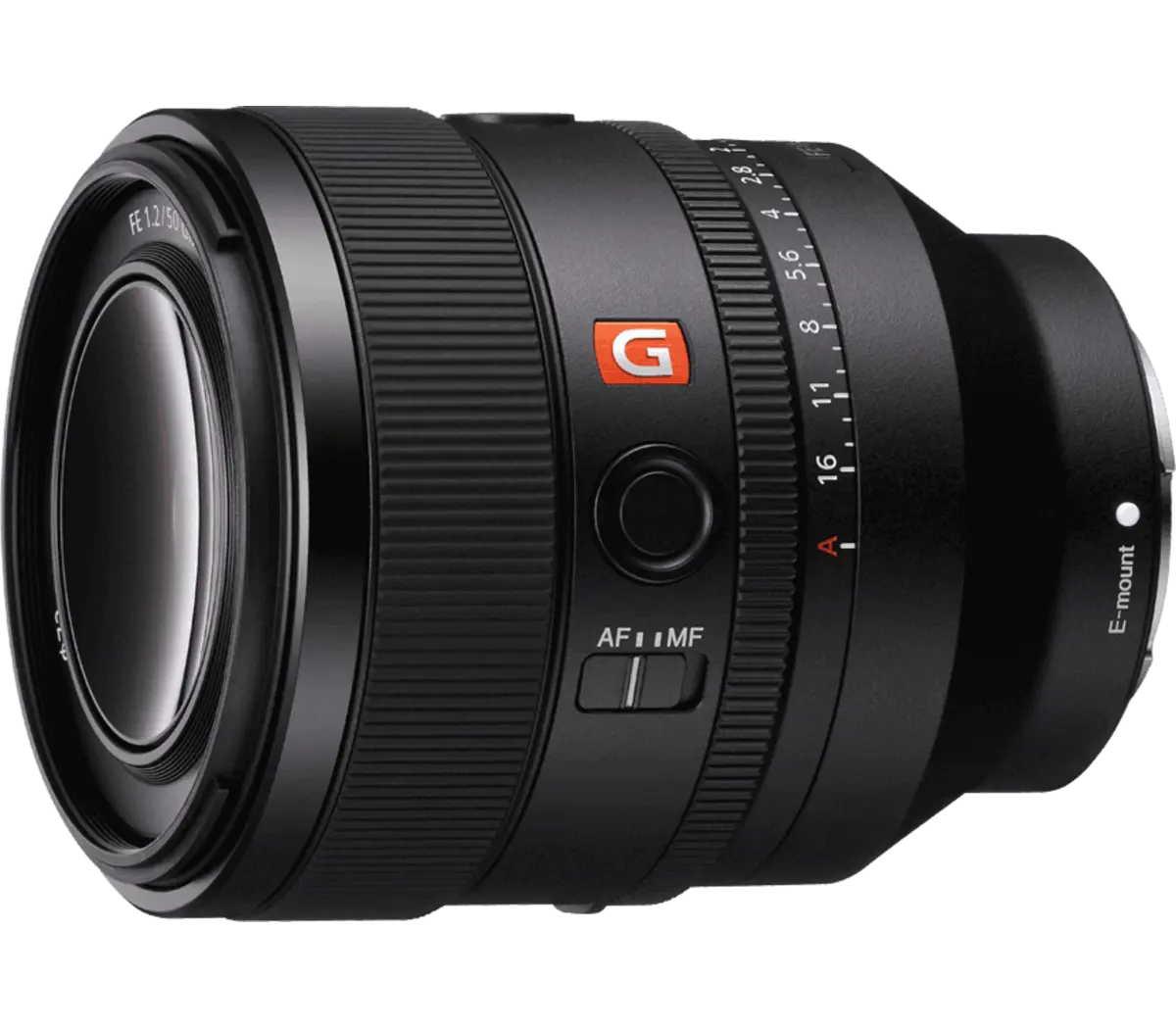
The FX5's X-OCN RAW codec and 16+ stops of dynamic range will reveal the character of whatever glass you put in front of it. For productions where optical quality is the priority — fashion, high-end commercial, music videos — primes are the answer.
Sony FE 50mm f/1.2 GM (~$1,999) — the standard prime that defines what Sony's GM optics are capable of. f/1.2 on a full-frame sensor produces the kind of image quality that requires the FX5's latitude to handle. Clinical sharpness at maximum aperture combined with smooth, gradual bokeh rendering. The lens that makes the FX5's sensor work hardest.
Sony FE 85mm f/1.4 GM II (~$1,799) — the portrait and interview prime. The second-generation version added the XD Linear Motor for dramatically faster autofocus, making it viable for run-and-gun interview work as well as controlled narrative shooting. On the FX5 at f/1.4, this produces images that are immediately identifiable as expensive-looking.
Sony FE 35mm f/1.4 GM (~$1,299) — the wide-normal prime that most narrative filmmakers reach for first. 35mm on full-frame sits in the range where perspective feels natural and depth of field at f/1.4 is shallow without being unusable. One of the most cinematic focal length and aperture combinations available on E-mount.
For budget-conscious productions: Sigma and Tamron
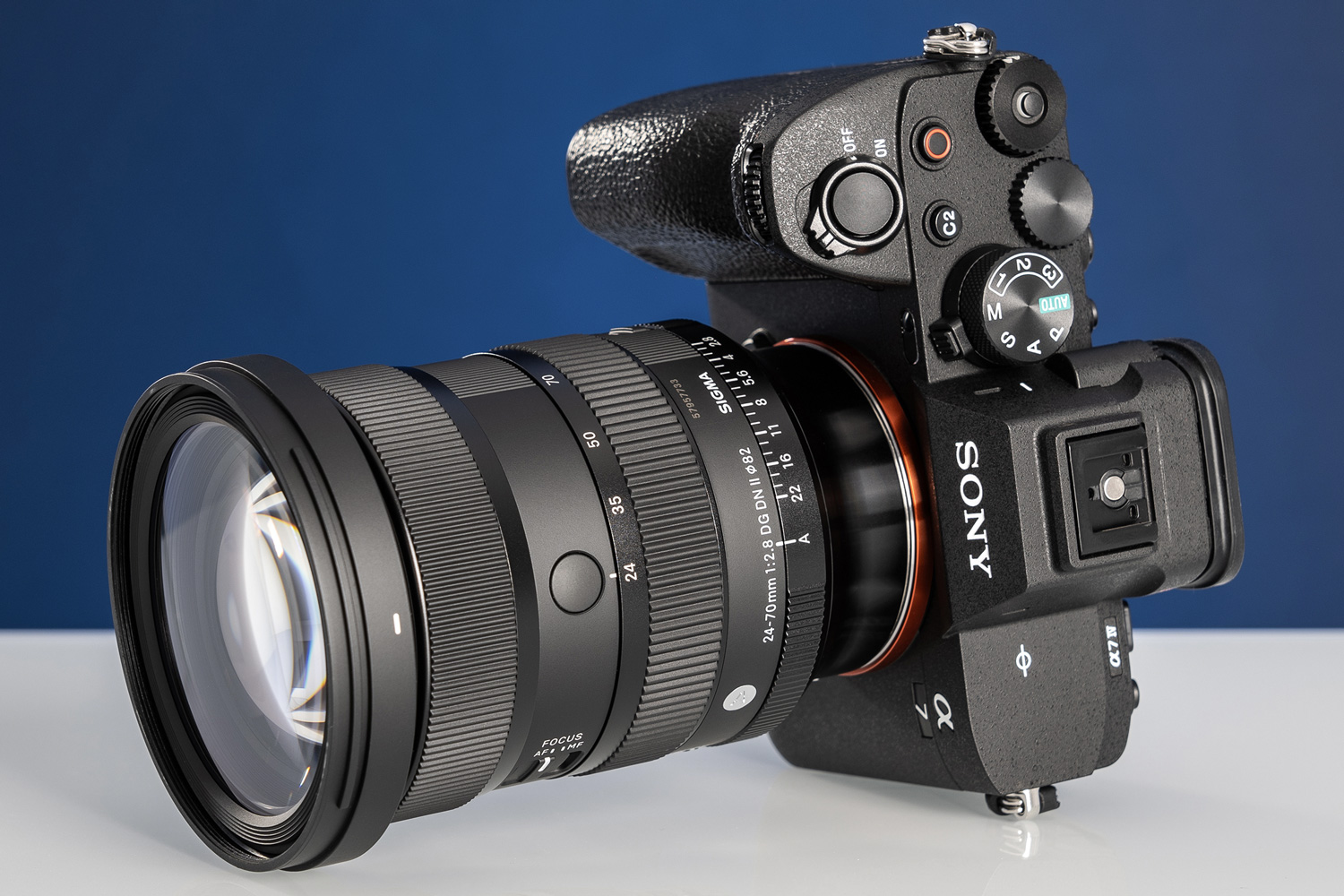
The FX5 doesn't require G Master glass to produce excellent results. Sigma and Tamron's E-mount lineups deliver genuinely impressive optical quality at significantly lower prices.
Sigma 24-70mm f/2.8 DG DN Art II (~$999) — the budget alternative to the Sony GM II that's frequently cited as producing comparable image quality. At $1,300 less than the Sony equivalent, the optical performance gap has closed so dramatically that most reviewers recommend it as the default recommendation for anyone who can't justify the G Master premium.
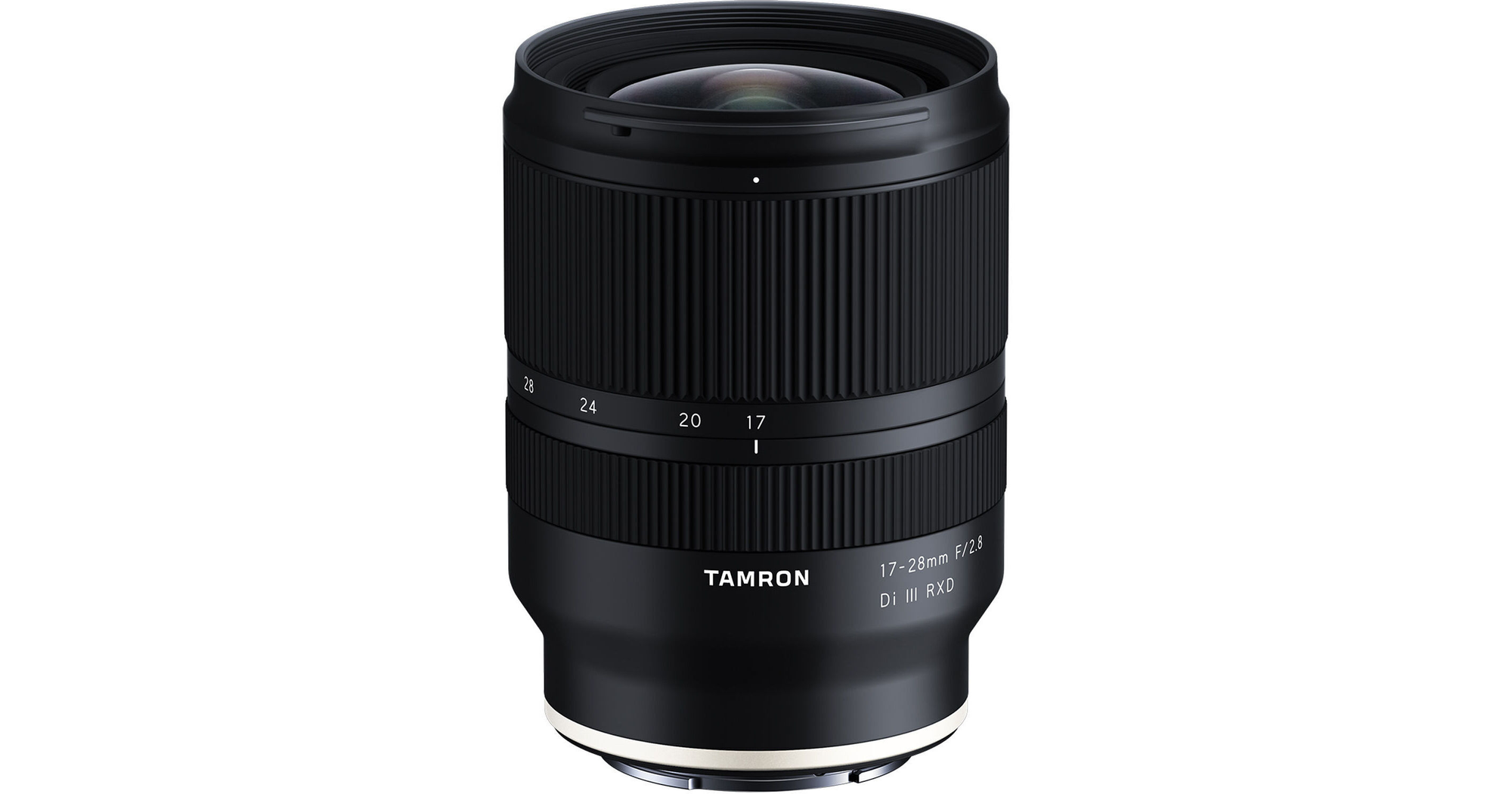
Tamron 17-28mm f/2.8 Di III RXD (~$699) — the wide zoom that's become a standard recommendation for Sony documentary shooters on a budget. 17mm on full-frame is significantly wider than the 24mm starting point of the standard zoom, opening up environments and establishing shots that a 24-70mm can't cover. At $699, it's one of the most capable wide zooms available at any price.
Sigma 50mm f/1.4 DG DN Art (~$799) — the standard prime alternative to Sony's f/1.2 GM. Marginally slower maximum aperture, significantly lower price, and optical quality that has been compared favorably to the GM in controlled testing. For productions that need fast prime quality without GM pricing, this is the default.
For cinema-specific workflow: adapted PL glass
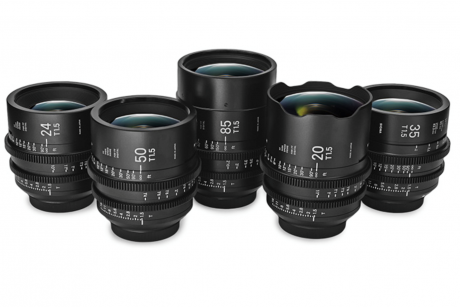
The FX5's E-mount accepts PL glass via adapter — the Metabones or Kipon PL-to-E adapters are the standard options. If you're building a kit around existing PL primes (Cooke S4/S7, ARRI Master Primes, Leica Summicron-C), the FX5's X-OCN RAW output is the codec those lenses deserve. For productions that already own PL glass, the FX5 is a more economical body option than the VENICE 2 while delivering the same codec.
Sigma Cine E-Mount High Speed Primes — Sigma rehouses its Art glass into full cinema housings with 0.8 pitch gears, 95mm front diameters, T-stop markings, and de-clicked apertures. The 18mm T1.5, 24mm T1.5, 35mm T1.5, 50mm T1.5, 85mm T1.5, and 135mm T2 form a consistent set that covers most narrative needs at a fraction of the cost of traditional cinema prime sets.
The practical starter kit for most FX5 owners
If you're building a kit from scratch around the FX5, the combination that covers the widest range of work at reasonable cost:
- Sony FE 24-70mm f/2.8 GM II or Sigma 24-70mm f/2.8 Art II — the primary zoom
- Sony FE 85mm f/1.4 GM II or Sigma 85mm f/1.4 Art — the interview and portrait prime
- Tamron 17-28mm f/2.8 — the wide end for environments and establishing shots
That three-lens combination covers 90% of what most productions require, at a total cost between $2,500 (Sigma/Tamron) and $6,800 (full Sony GM).