iQIYI’s New AI Film Studio Keeps the Actors and Generates Everything Else
iQIYI’s new AI film studio in Shanghai films real actors, then uses Seedance 2.5, Kling 4.0 and other models to change sets, lighting, costumes and props in post.


Chinese streaming platform iQIYI has opened what it calls China’s first AI film studio, and its approach is the opposite of a fully AI-generated movie. Actors perform on a real set, and AI handles much of what surrounds them: environments, lighting, costumes, makeup and props.
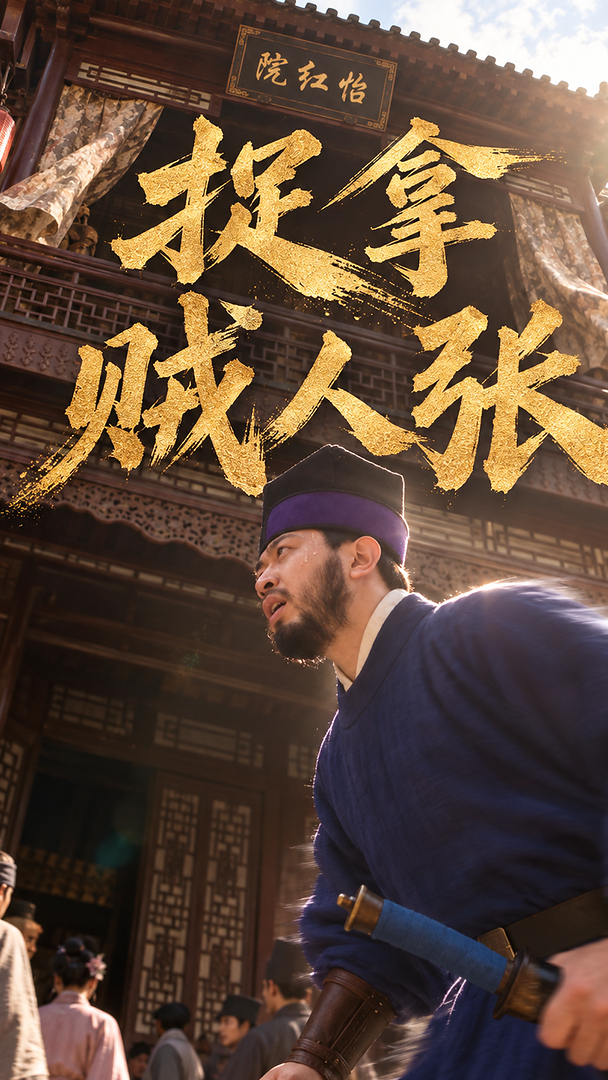
The studio’s first project, the streaming feature Cop in Trouble, began filming on October 28 at iQIYI’s Creative Center in Shanghai.
How the Studio Works
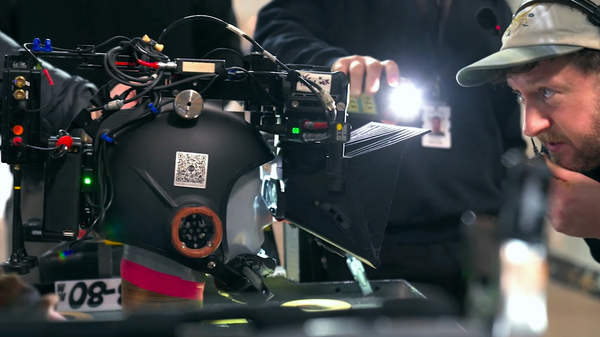
The studio is small, about 110 square meters, or roughly 1,200 square feet. iQIYI says it’s equipped for multi-camera shooting, synchronized high-resolution video and audio recording, digital continuity logging and real-time footage review.
Footage from the set syncs automatically to NadouPro, iQIYI’s AI-powered production platform. From there, filmmakers have access to nearly 30 AI models, including Seedance 2.5 and Kling 4.0, along with hundreds of production-focused AI agents that can generate new visual elements around the live-action footage.
The live-action recordings serve as the reference for the AI generation process, guiding character appearance, performance, composition, lighting and spatial relationships.
Performance First, Everything Else in Post
iQIYI’s pitch centers on the actors. “An actor’s performance is the core of any film or series,” said Liang Zhu, iQIYI’s vice president and head of intelligent production.
Zhu said the studio lets directors keep that performance while adjusting sets, lighting, costumes, makeup and props more flexibly after filming. In practice, that means decisions normally locked in on set can be revisited in post-production.
The First Film
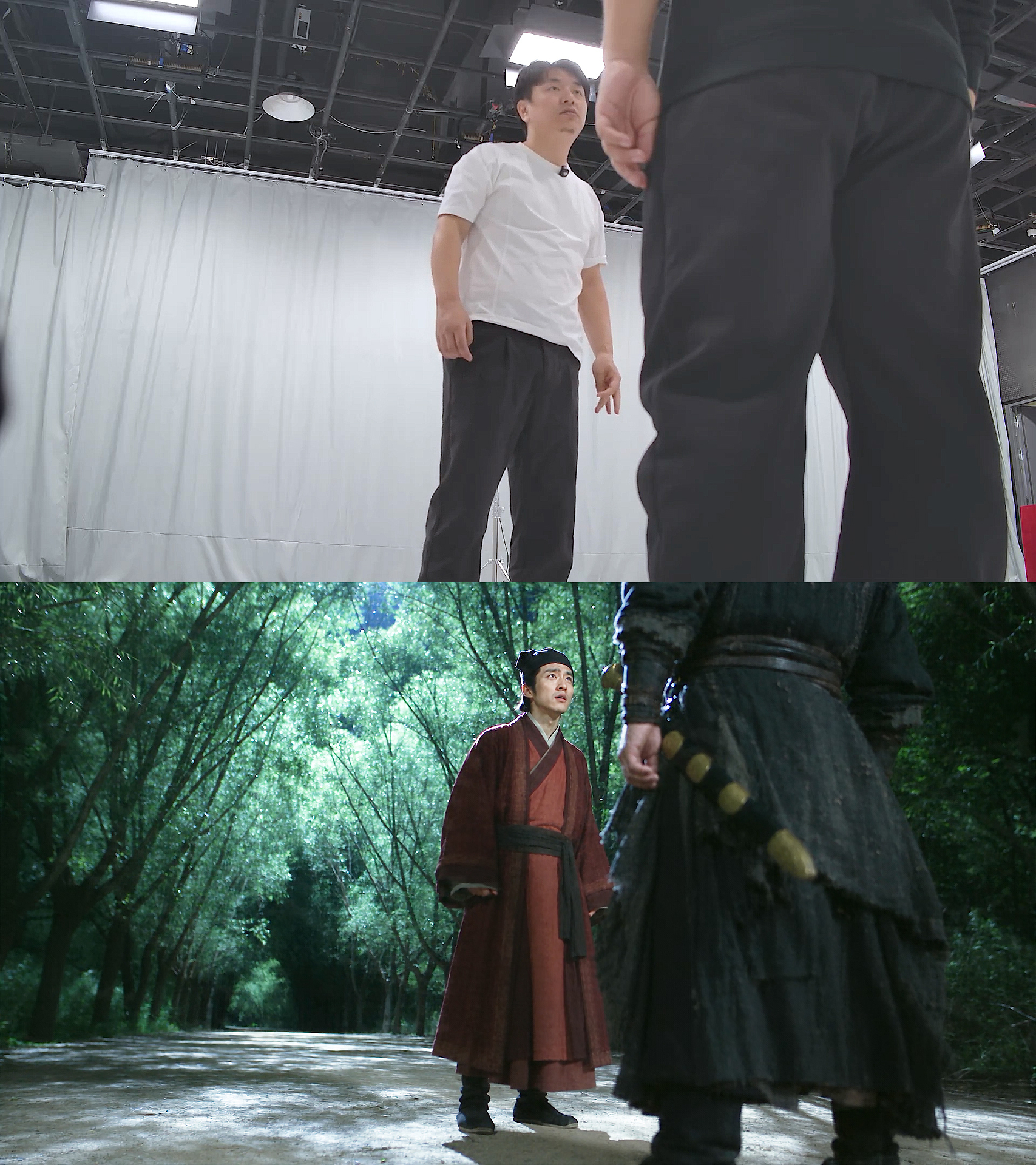
Cop in Trouble follows Jian Zhang, a low-ranking constable whose fame and fortune start to crack as his web of lies to catch a notorious outlaw unravels. iQIYI describes it as an “internet feature film,” a format made primarily for streaming.
iQIYI says the production captures everything from intimate conversations to action sequences that require precise coordination between performers and camera, which then feeds the AI environments and visual details added in post.
Why It Matters After Sanxingdui
The launch comes days after China’s first fully AI-generated theatrical feature, Sanxingdui: Future Past, struggled at the box office, covered in What China’s First AI Feature Flop Says About the “Cheaper Movies” Pitch. Audiences pointed to stiff, unnatural character performances as one of its biggest problems.
iQIYI’s hybrid model sidesteps that issue by keeping real actors at the center. It’s a different bet on where AI fits in production: not replacing performers, but replacing or reshaping much of what’s built around them.
What It Means for Crews
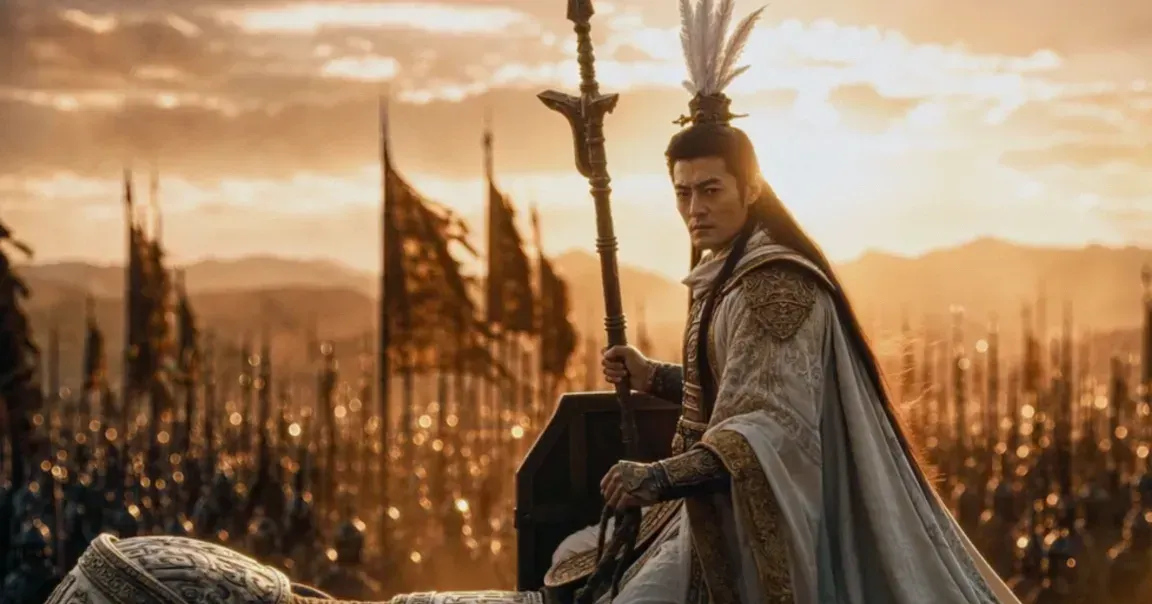
That shift has real consequences for film crews. Production design, set construction, wardrobe, makeup and lighting are all departments iQIYI says can now be adjusted or generated after the shoot, rather than finalized on set.
iQIYI frames this as creative freedom and efficiency, saying its earlier virtual production studio in Hengdian delivered efficiency gains of more than 30%. For the crafts whose work moves into an AI pipeline, the same efficiency means fewer days on set and fewer people needed to build the world on camera.
Competitive Context
Hybrid AI production is spreading across the industry. Hollywood studios and streamers are experimenting with AI for previs, environments and visual effects, while AI-native series and features continue to test distribution. iQIYI has also been building its NadouPro ecosystem through programs like its Global AI Creator Challenge, launched in September with Alibaba’s Wan 3.0.
For more on the models iQIYI’s pipeline uses, see How to Get Started With Seedance 2.5 on Dreamina, Runway and fal.
The Signal in the Noise
iQIYI’s studio is a more credible version of AI filmmaking than a fully generated feature, because it keeps the part audiences responded to least well in Sanxingdui: the performance. Shooting real actors in a small space and building the world around them is a practical model for streaming content on tight budgets.
The tradeoff is who does the building. If sets, costumes, makeup and lighting can be changed after the fact, much of that work moves from craftspeople on set to AI tools in post. How Cop in Trouble looks, and how audiences respond, will show whether the hybrid approach holds up.
Would you shoot a project this way, with real actors and AI-built worlds, or does it go too far? Share where you draw the line in the comments.
The Details
- Company: iQIYI
- Studio: AI Film Studio, iQIYI Creative Center Shanghai
- Size: About 110 square meters (roughly 1,200 square feet)
- On-set capabilities: Multi-camera shooting, synced video and audio, digital continuity logging, real-time review
- AI platform: NadouPro, with nearly 30 AI models, including Seedance 2.5 and Kling 4.0
- AI handles: Environments, lighting, costumes, makeup, props and other visual elements in post
- First project: Cop in Trouble, a streaming feature; filming began October 28, 2026
- Efficiency claim: 30%+ gains at iQIYI’s earlier Hengdian virtual studio