Sigma FP2 Lens Guide: The Best L-Mount Lenses for Video and Photo
The best L-Mount lenses for the Sigma FP2, from tiny I Series primes that keep it pocket-sized to the 28-70mm f/2.8, video-focused zooms, and the upcoming 50mm f/1.4 CL.

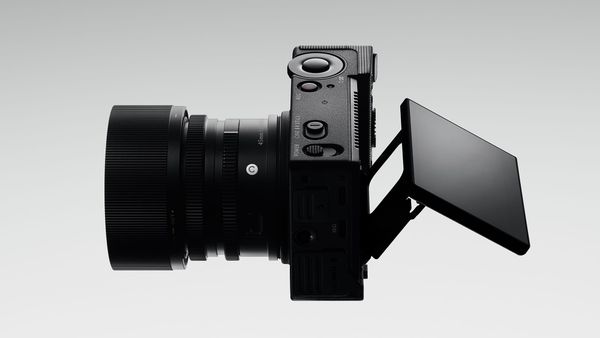
The Sigma FP2 is built around being small. At 446g with its battery, it’s one of the smallest full-frame cameras available, and a big lens can easily double its weight and undo the point.
Here are the best L-Mount lenses for the FP2, from tiny primes that keep it pocket-sized to zooms and video-focused glass for rigged builds. The FP2 ships November 11 for $2,199 body only.
Why Lens Size Matters on the FP2
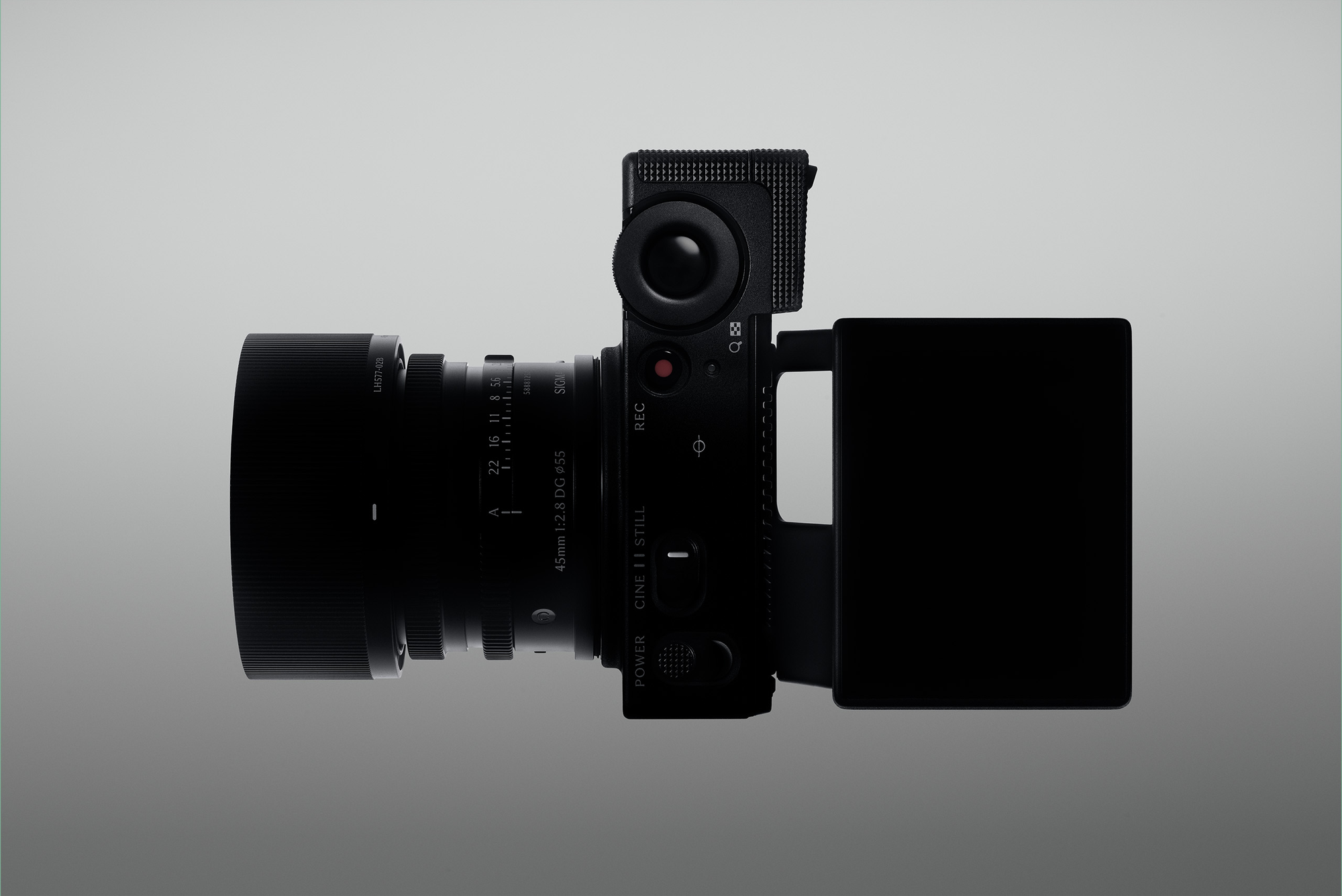
The FP2 has no built-in grip or viewfinder, so the lens makes up much of the camera’s size and balance. Compact primes keep it light enough for handheld shooting and small gimbals.
Most of Sigma’s compact primes also have manual aperture rings, which are useful for video, and many share 55mm or 58mm filter threads. That makes it easy to use one set of ND filters across lenses with a single step-up ring.
For background on the camera, see Sigma FP2 Announced: 24.5MP Stacked Sensor, 6K Open Gate, ProRes RAW, and 70GB Built In.
Best Kit Lens: Sigma 50mm f/2 DG Contemporary ($719)
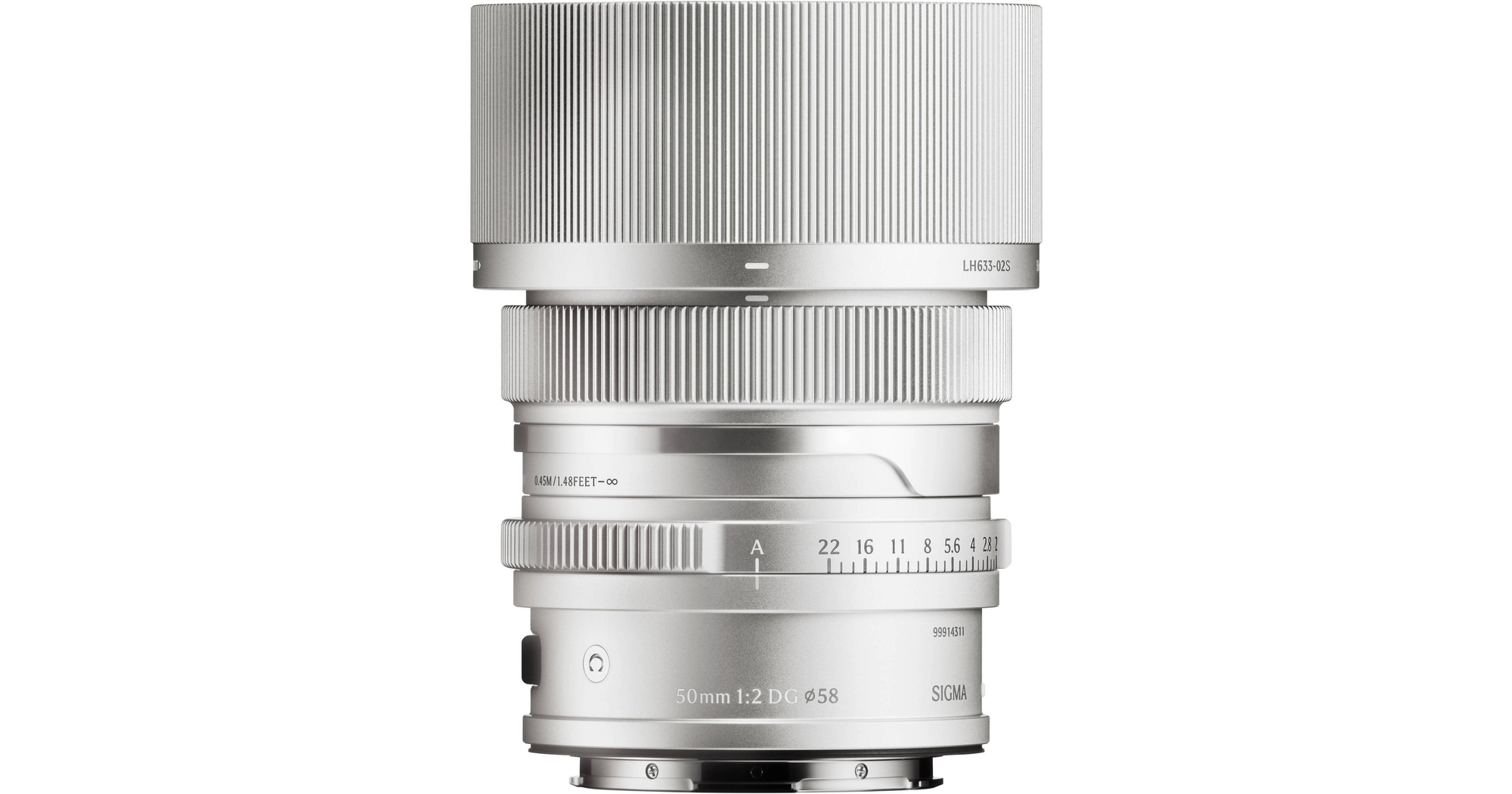
The 50mm f/2 is the lens Sigma bundles with the FP2, and it’s a natural first lens. It weighs 350g on L-Mount, uses 58mm filters, and has a manual aperture ring.
On its own it’s $719, but the FP2 kit with this lens is $2,749, or $550 more than the body. That makes the kit the better deal if you want a 50mm.
Smallest Everyday Lens: Sigma 45mm f/2.8 DG Contemporary ($619)
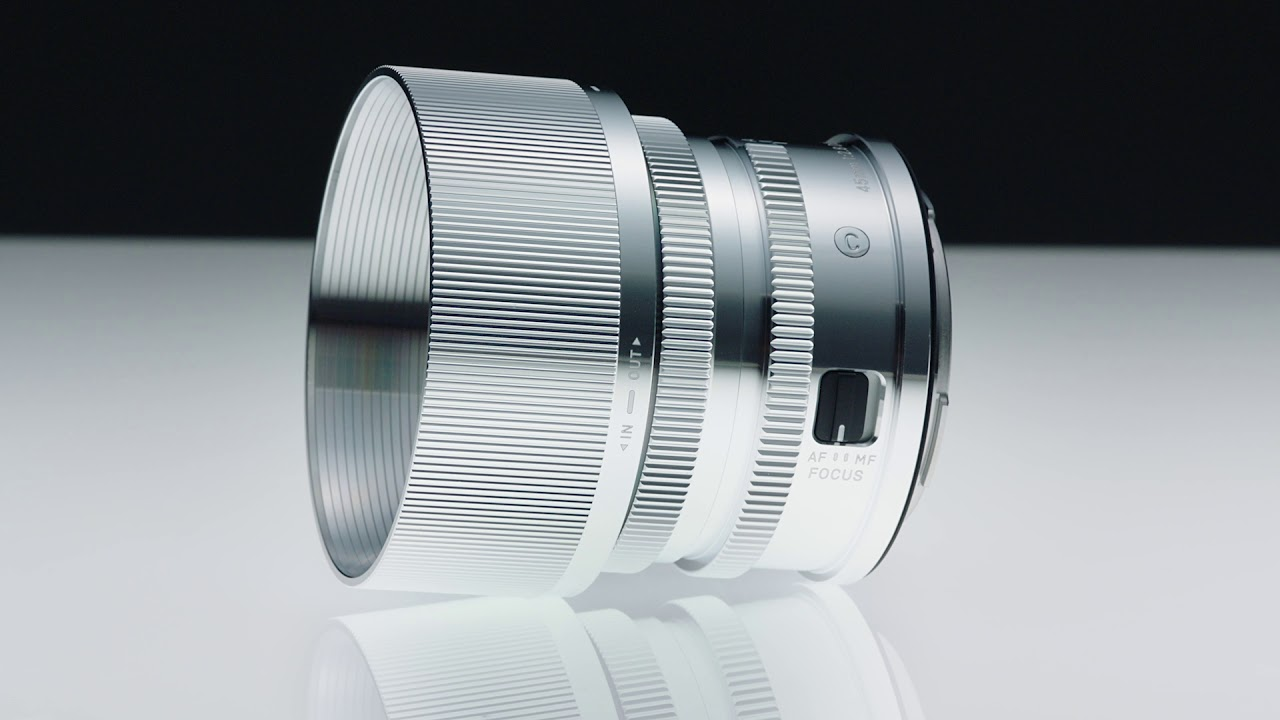
The 45mm f/2.8 was the original fp’s kit lens, and it’s still one of the best matches for the FP2’s size. It weighs 215g on L-Mount and uses 55mm filters.
It’s a slower lens than the 50mm f/2, but it’s much lighter. It’s the best pick if you want the smallest possible full-frame setup.
Best Wide Prime for Video: Sigma 35mm f/2 DG Contemporary ($719)
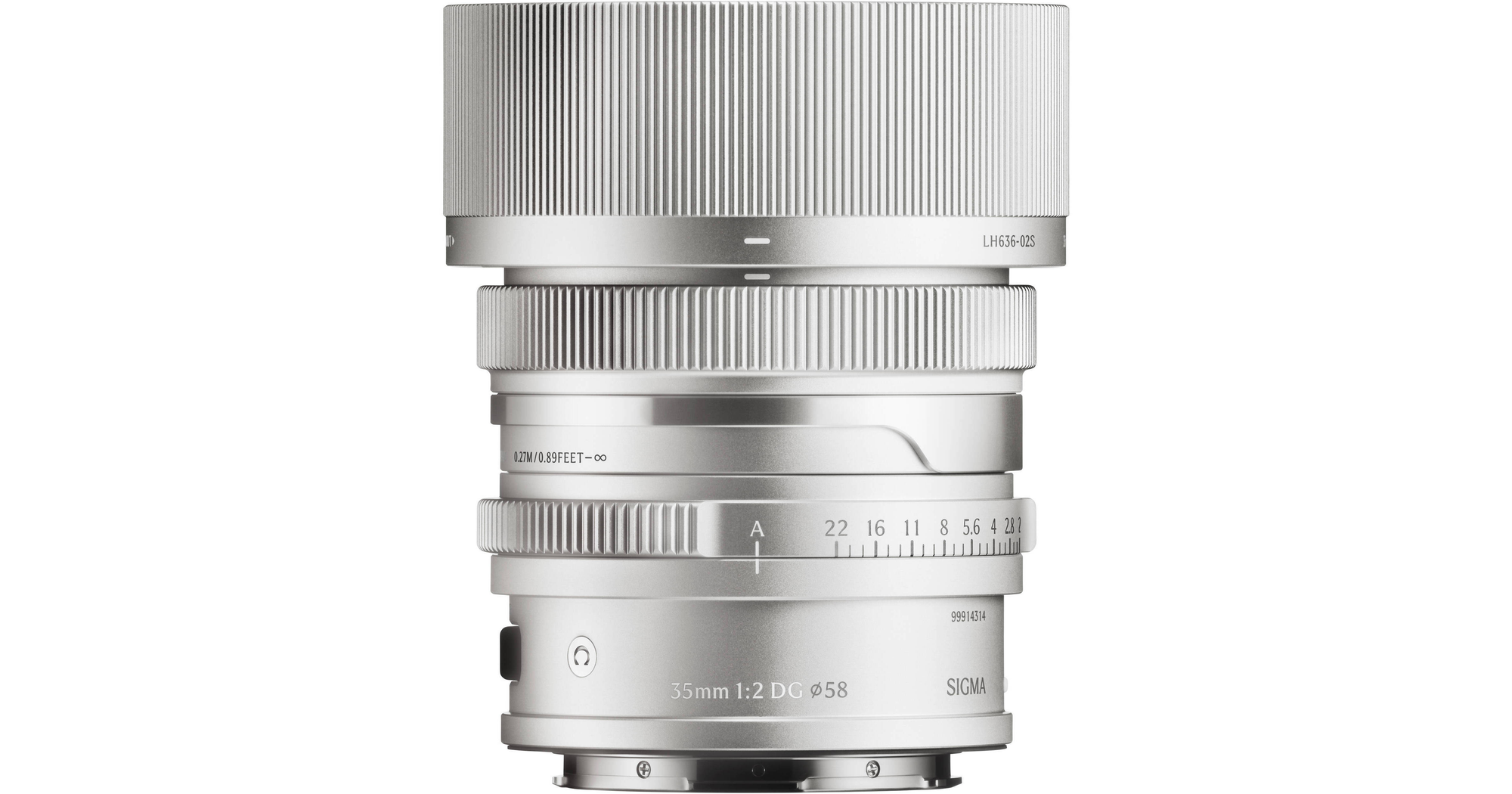
A 35mm is a common choice for documentary, run-and-gun, and interview B-roll. Sigma’s 35mm f/2 weighs 325g, uses 58mm filters, and has a manual aperture ring.
Ultra-Wide: Sigma 17mm f/4 DG Contemporary ($659)
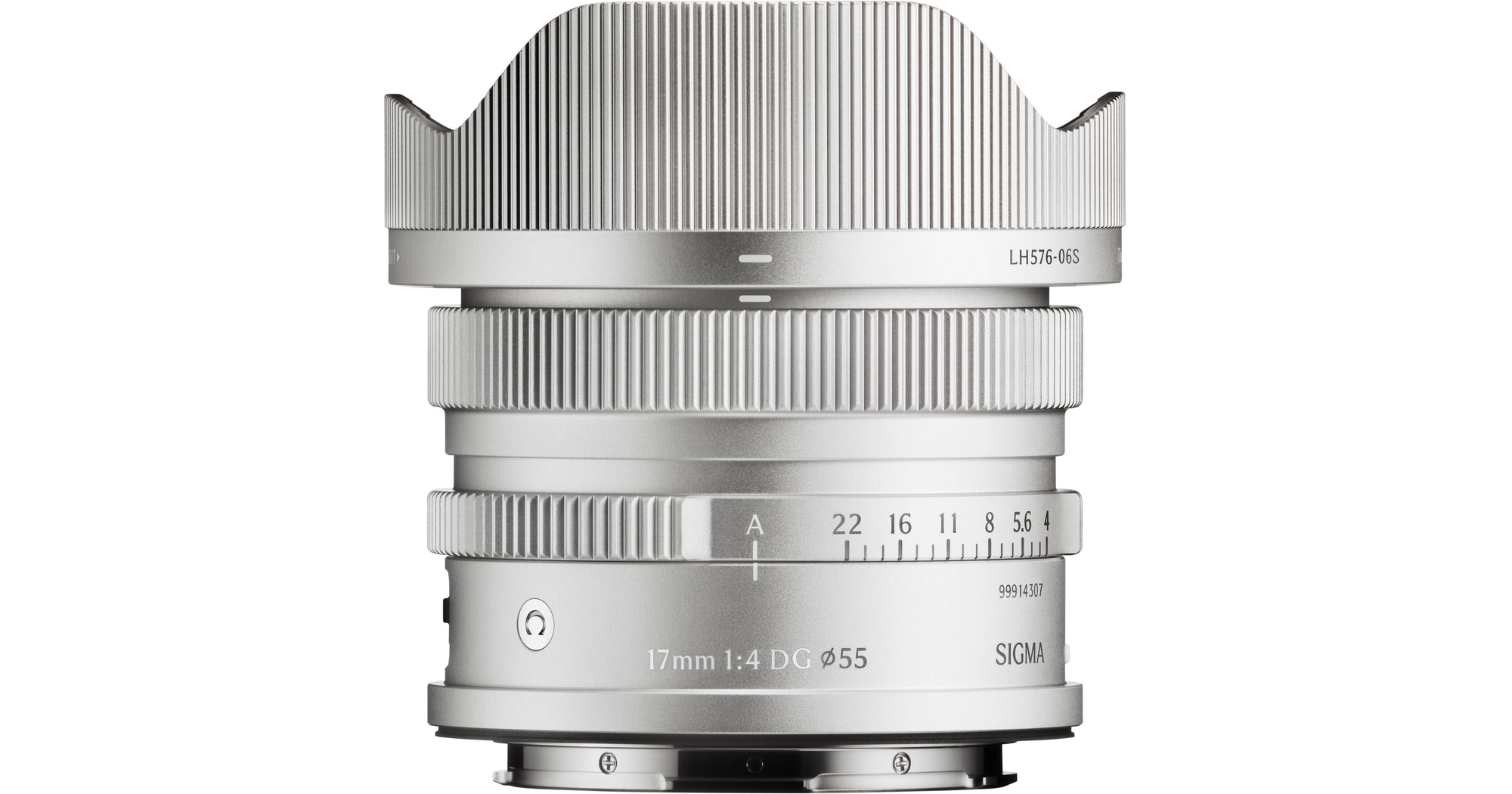
For interiors, tight spaces, and vlogging, the 17mm f/4 covers a lot of frame in a small package. It weighs 225g on L-Mount and uses 55mm filters.
Sigma’s I Series also includes a 20mm f/2, 24mm f/2, and 24mm f/3.5 if you want a different wide focal length. Exact pricing is available on Sigma’s website.
Compact Telephoto: Sigma 90mm f/2.8 DG Contemporary ($719)
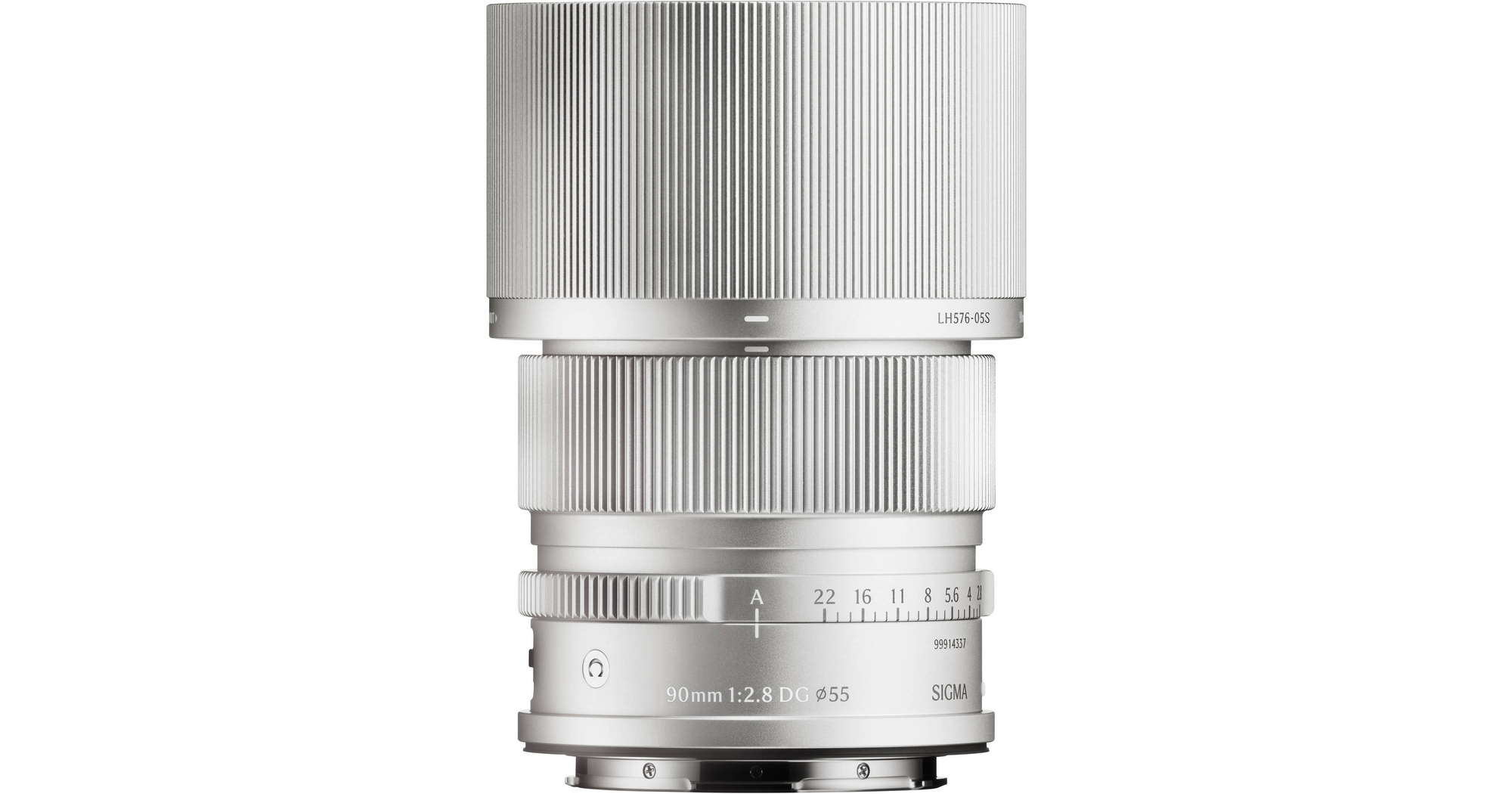
The 90mm f/2.8 is a small portrait and interview lens at 295g with 55mm filters. It’s a good match for tighter shots without adding a large telephoto to the rig.
Best All-in-One Zoom: Sigma 28-70mm f/2.8 DG DN Contemporary ($989)
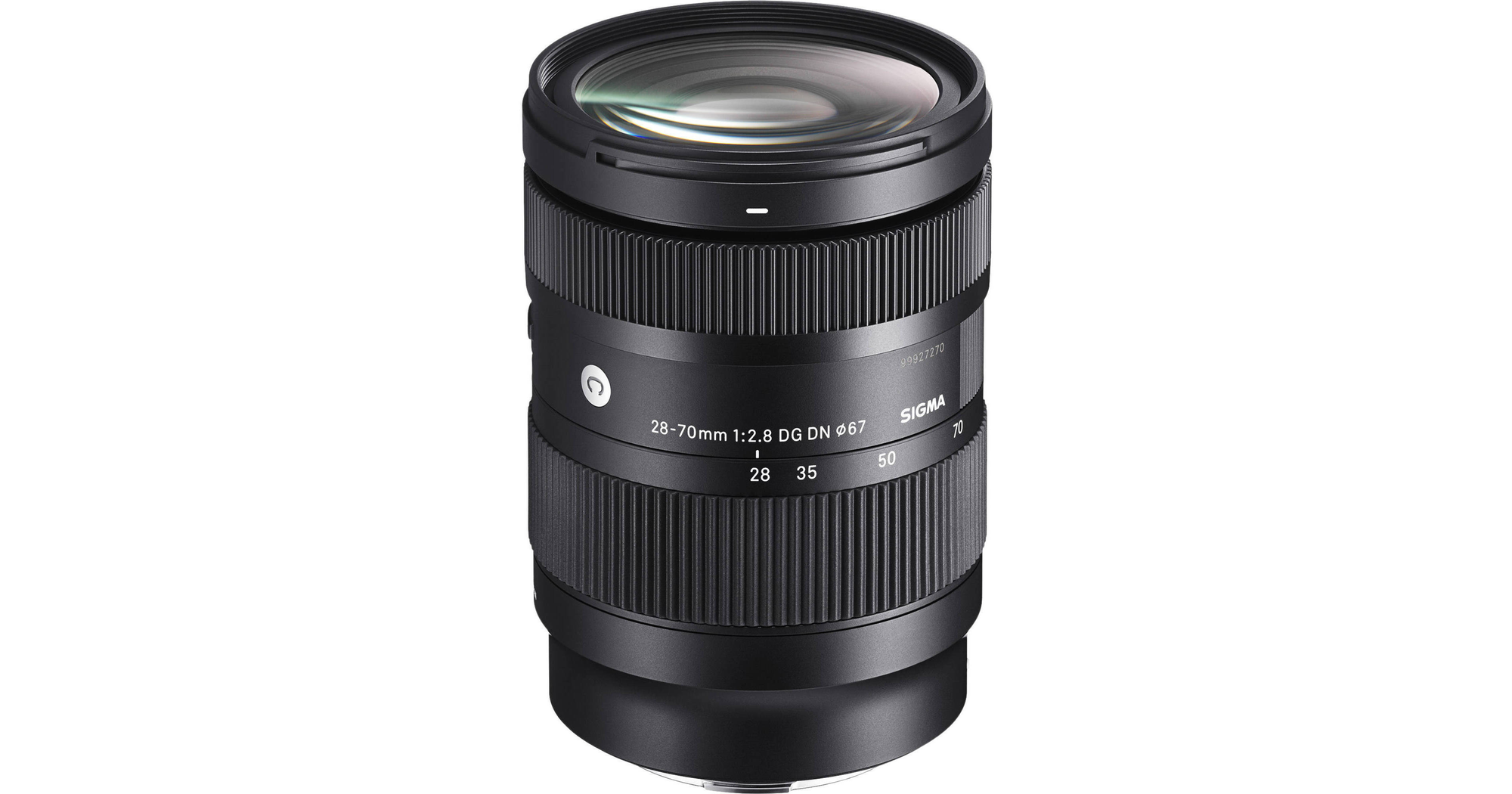
If you’d rather carry one lens, the 28-70mm f/2.8 covers the most common focal lengths at a constant f/2.8. At 470g, it’s one of the lightest full-frame f/2.8 standard zooms.
It focuses as close as 19cm at the wide end, which is useful for details and product shots. It uses 67mm filters.
Best Video Zoom for Rigged Builds: Sigma 28-45mm f/1.8 DG DN Art ($1,414)
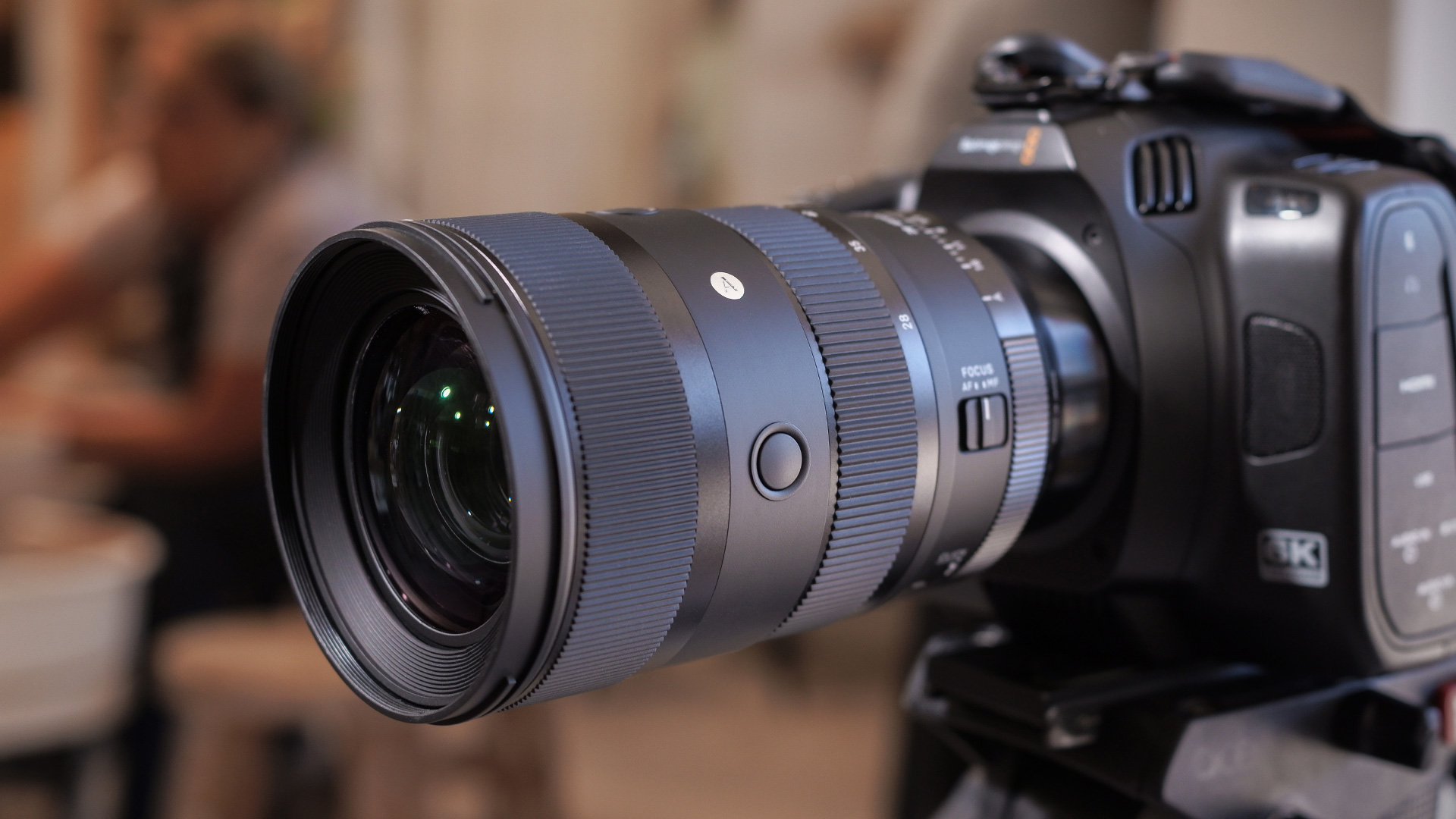
For a fully rigged FP2, the 28-45mm f/1.8 is built for video. Sigma designed it to minimize focus breathing, it has a near-silent autofocus motor and an aperture de-click switch, and its length stays the same when you zoom.
It weighs 960g and uses 82mm filters, so it’s far heavier than the FP2 itself. It makes the most sense on a cage, gimbal, or tripod setup rather than handheld.
For more on why breathing matters, see What Is Focus Breathing?.
Coming Soon: Sigma 50mm f/1.4 CL DG Contemporary
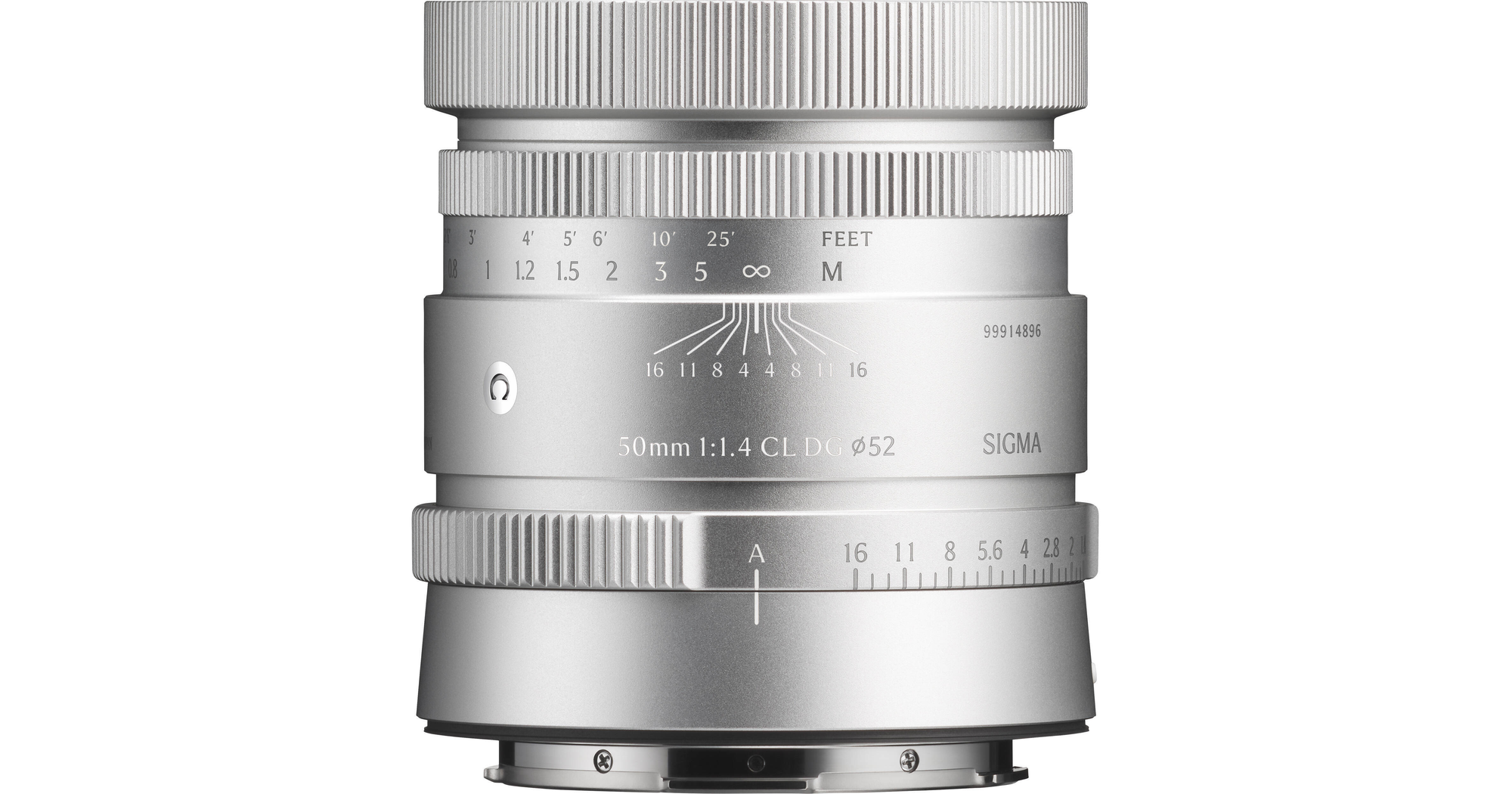
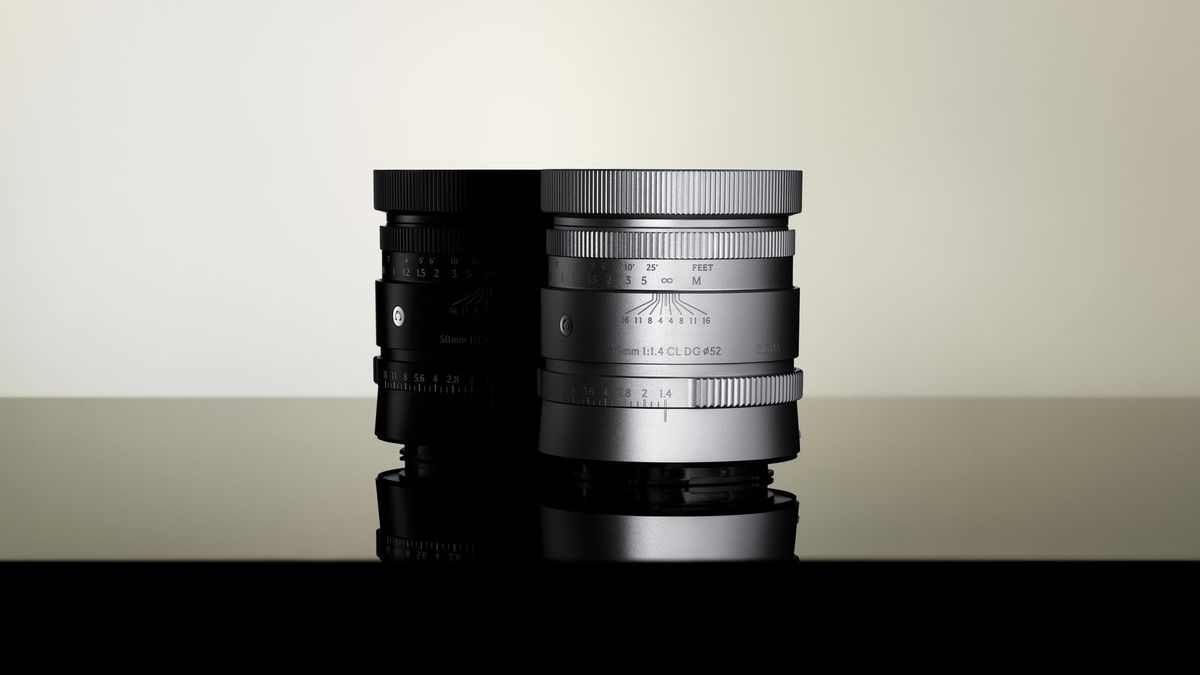
Sigma announced the 50mm f/1.4 CL alongside the FP2. It’s a compact, all-metal lens with an aperture ring and a new autofocus motor that lets you switch to manual focus just by turning the focus ring.
It’s due in early spring 2027, and US pricing hasn’t been announced. It’s worth waiting for if you want a faster, small 50mm for the FP2.
Beyond Sigma: Other L-Mount Options
The L-Mount system includes Panasonic and Leica lenses as well as Sigma’s. Panasonic’s Lumix S line includes compact zooms and a matched set of f/1.8 primes, and Leica offers premium, smaller primes at higher prices.
For cinema shooters, the FP2’s 6K open gate also pairs well with full-frame cine lenses, though they’ll add size and weight.
Competitive Context
Lens choice is one of the biggest differences between the FP2 and Sony’s FX3, which uses the larger E-mount system. For a full comparison, see Sigma FP2 or Sony FX3? What Actually Separates These Tiny Full-Frame Cinema Cameras.
Sigma makes most of these I Series lenses in Sony E-mount too, so the same compact-prime approach works across both systems.
The Signal in the Noise
For most FP2 owners, the 50mm f/2 kit is the easiest starting point. A second small prime like the 35mm f/2 or 17mm f/4 covers most shooting without growing the rig.
If you want one lens for everything, the 28-70mm f/2.8 is the best balance of size and flexibility. Save the 28-45mm f/1.8 for fully rigged video work where breathing and smooth zooming matter more than size.
Which lens would you pair with the FP2 first? Share your pick in the comments.
Specs & Pricing
| Lens | Price | Weight (L-Mount) | Filter |
|---|---|---|---|
| Sigma 17mm f/4 DG C | $659 | 225g | 55mm |
| Sigma 35mm f/2 DG C | $719 | 325g | 58mm |
| Sigma 45mm f/2.8 DG C | $619 | 215g | 55mm |
| Sigma 50mm f/2 DG C | $719 ($550 in FP2 kit) | 350g | 58mm |
| Sigma 90mm f/2.8 DG C | $719 | 295g | 55mm |
| Sigma 28-70mm f/2.8 DG DN C | $989 | 470g | 67mm |
| Sigma 28-45mm f/1.8 DG DN Art | $1,414 | 960g | 82mm |
| Sigma 50mm f/1.4 CL DG C | TBA (spring 2027) | TBA | TBA |