The Best Lenses for Fujifilm's GFX Eterna 55
The Eterna 55's massive sensor makes lens choice complicated. Here's the one purpose-built cine lens, plus native and adapted options.

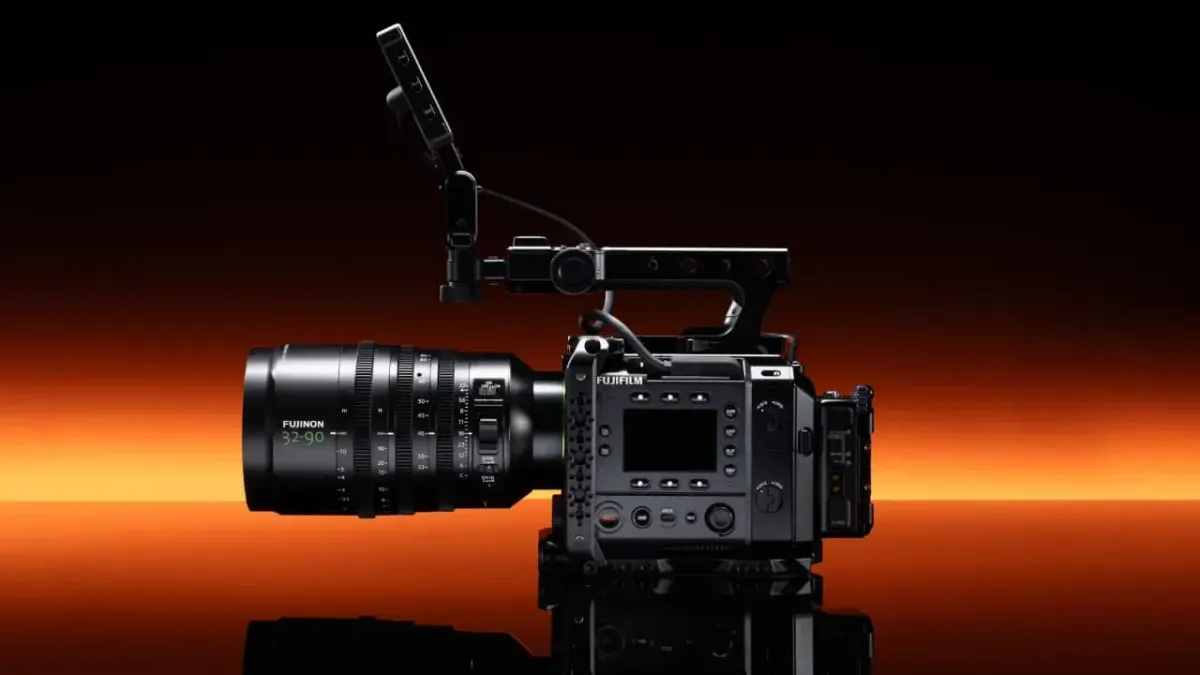
The Eterna 55's sensor is large enough that lens choice becomes a bigger conversation than usual.
At 44 x 33mm, it's larger than any full-frame cinema sensor, which means full coverage isn't guaranteed the way it would be on a standard cinema camera, and the options split cleanly into three tiers: one purpose-built cine lens, Fujifilm's broader stills-first GF lineup, and adapted glass from other systems.
The One Lens Built Specifically for This Camera
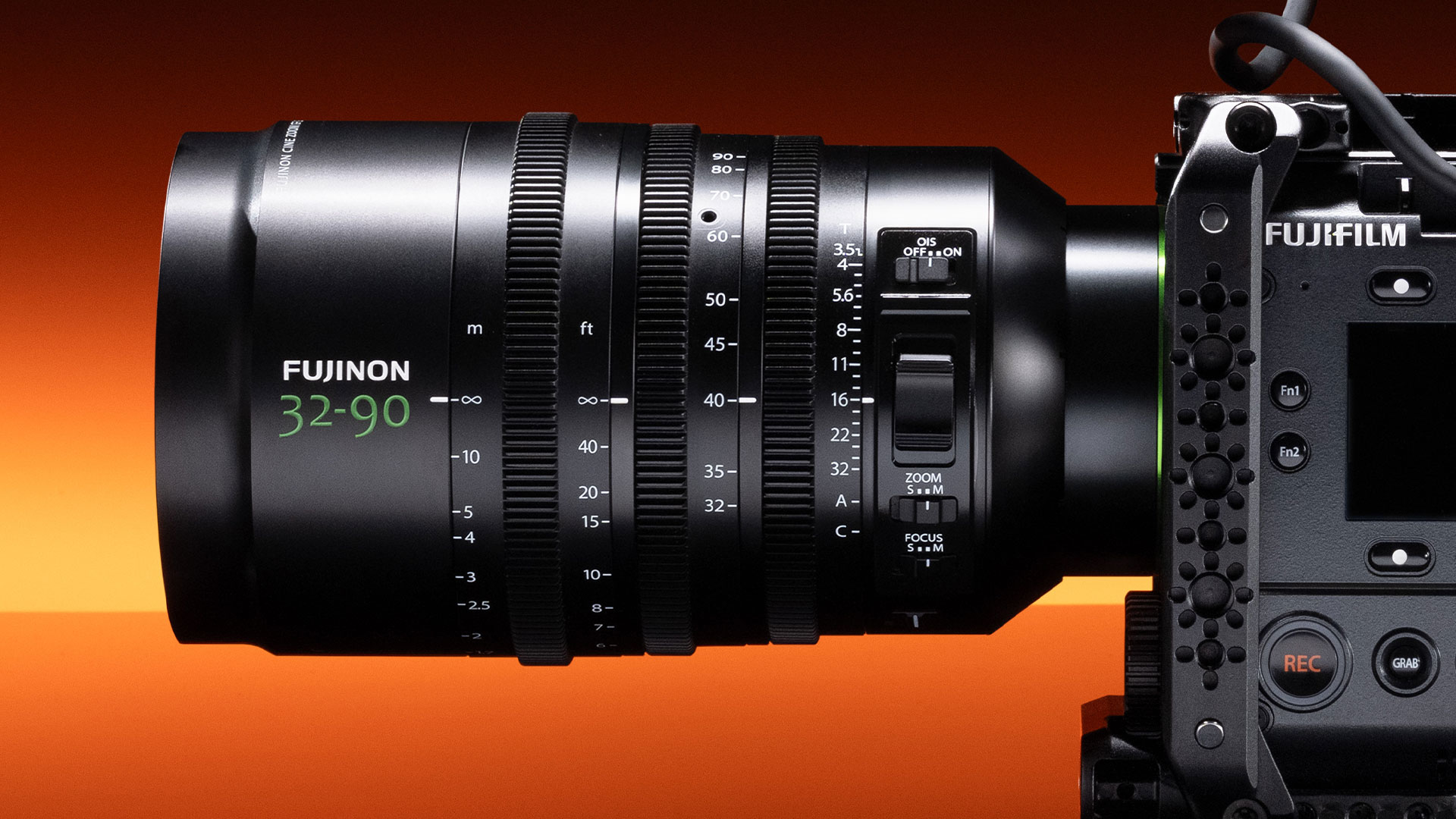
Fujifilm designed exactly one lens around the Eterna 55's actual production needs: the FUJINON GF 32-90mm T3.5 PZ OIS WR, priced at $5,999.95. It features power zoom, autofocus, and built-in optical image stabilization that communicates directly with the camera body for stabilization tuned to the specific focal length in use.
CineD's hands-on testing called it the best run-and-gun GF lens currently available, and it's the only lens in the lineup built with cine-specific conveniences like power zoom rather than stills-camera fly-by-wire focus.
Fujifilm's Broader GF Lens Lineup
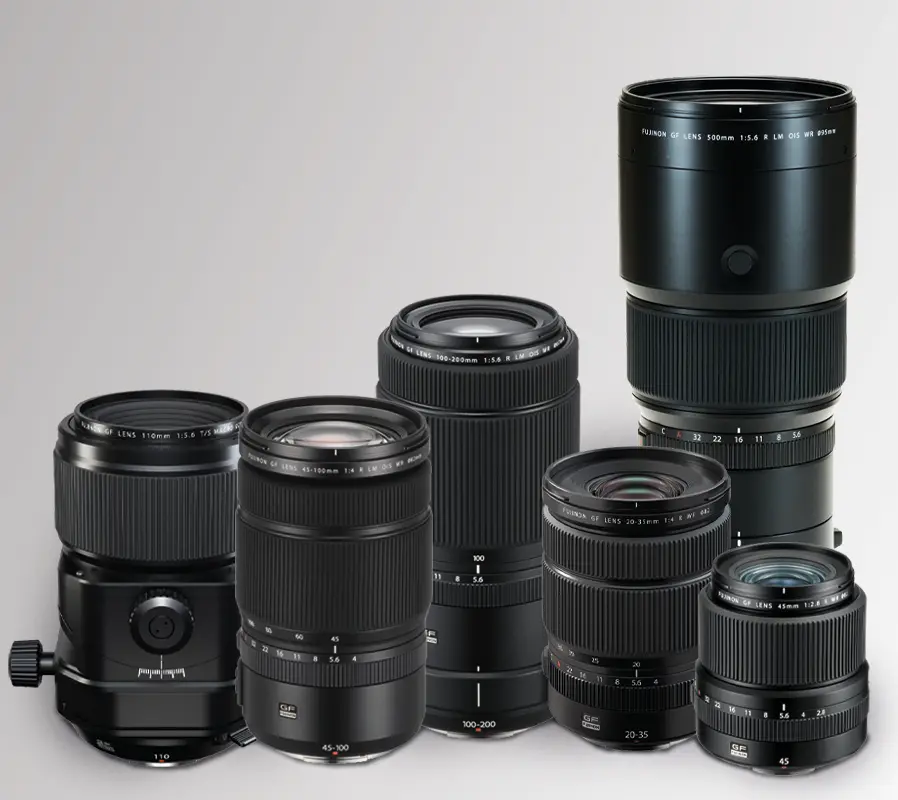
Beyond that one dedicated cine lens, the Eterna 55 draws from Fujifilm's existing G-mount ecosystem, 23 native lenses total, most of them designed primarily for stills photography with fly-by-wire manual focus rather than true mechanical focus rings.
CineD's testing confirms all GF lenses offer full coverage of the Eterna's sensor, so compatibility isn't a concern here, only whether a given lens's stills-oriented design (autofocus behavior, focus breathing, control layout) fits your production's workflow.
Because the sensor is larger than full-frame, GF lenses carry a 0.79x focal length multiplier relative to full-frame equivalents, meaning a given GF focal length produces a wider field of view than the same number would on a standard cinema camera. Worth factoring in when translating familiar full-frame focal lengths to this system.
Adapting Outside Glass
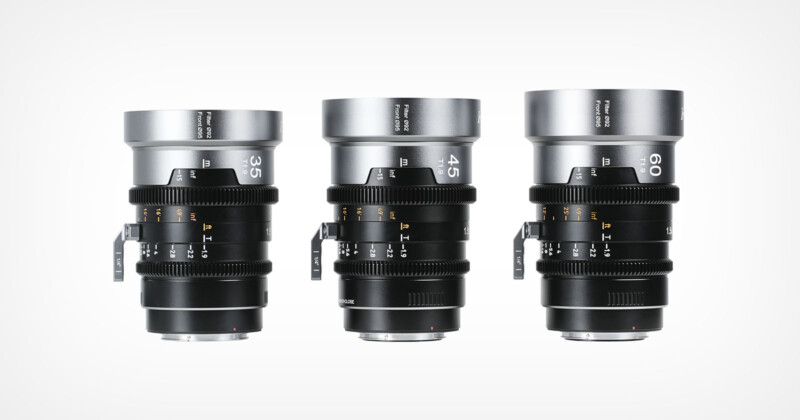
The Eterna 55 ships with an ARRI PL-mount adapter, opening it up to a huge range of established cine lenses, including support for Cooke /i lens data where available.
CineD's testing with full-frame stills lenses via adapter found real, focal-length-dependent vignetting: 45mm and 60mm lenses covered the sensor cleanly, while a 35mm lens showed noticeable vignetting at the edges. The camera offers a workaround, shooting in the narrower 2.39:1 aspect ratio and desqueezing the full sensor rather than using the entire 4:3 frame, which crops out the vignetting.
Anamorphic glass is a genuinely strong fit here too. The camera's real-time de-squeeze monitoring makes on-set framing with anamorphic lenses practical, and reviewers have tested options like SIRUI's IronStar anamorphics via adapter, taking advantage of updated mount designs for better adapter compatibility.
Competitive Context
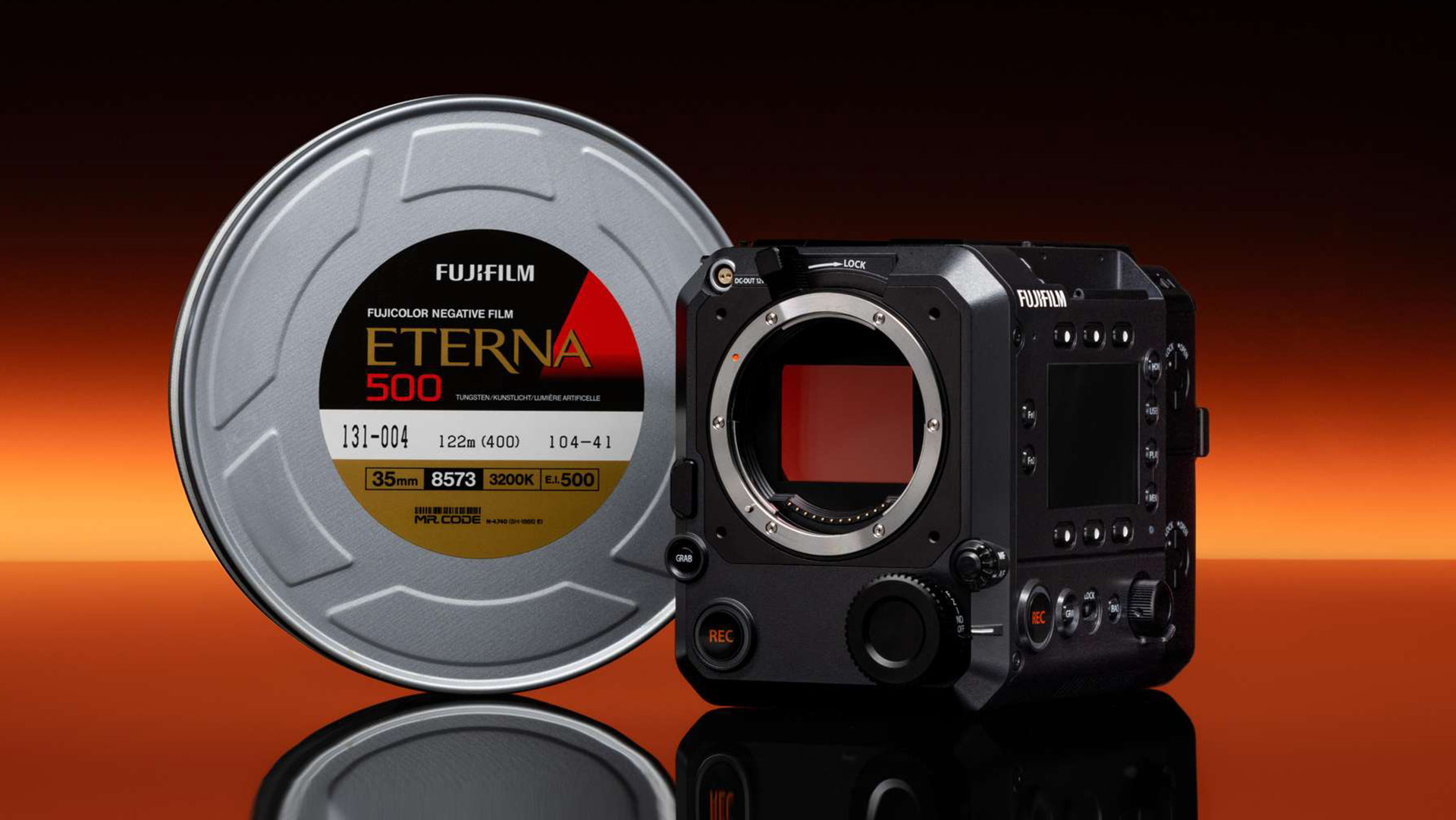
This lens situation looks different from a typical cinema camera launch, where third-party lens houses usually build a wide range of purpose-made cine glass within the first year.
Here, Fujifilm has built exactly one dedicated cine lens itself, and the rest of the ecosystem leans on stills lenses and adapted glass from other systems. That's partly a function of how new and niche the format is, and partly a sign that Fujifilm is betting on adaptability (GF, PL, and beyond) rather than building out a full proprietary cine lens line right away.
The Signal in the Noise
Choosing lenses for the Eterna 55 is really a choice about how much you value native simplicity versus adapted flexibility. GF lenses guarantee full coverage with no vignetting math required. Adapted full-frame and cine glass opens up far more character and choice, but requires knowing which focal lengths actually cover the sensor cleanly before committing to a shot list.
Would you rather build a kit entirely around Fujifilm's native GF lenses for simplicity, or lean into PL-adapted cine glass for more established looks and workflows?
Specs & Pricing
- FUJINON GF 32-90mm T3.5 PZ OIS WR: $5,999.95, power zoom, autofocus, built-in OIS, the only purpose-built cine lens for this camera
- Native GF lens ecosystem: 23 lenses total, full sensor coverage confirmed, fly-by-wire manual focus on most
- Focal length multiplier: 0.79x relative to full-frame equivalents
- Included adapter: ARRI PL-mount, supports Cooke /i lens data where available
- Adapted full-frame lens coverage (tested): 45mm and 60mm safe, 35mm shows vignetting
- Anamorphic support: real-time de-squeeze monitoring built in; SIRUI IronStar anamorphics tested via updated mount adapters