Best Shotgun Mics for Run-and-Gun Video Production
The right shotgun mic for run-and-gun shooting isn't the priciest boom option, it's the one that doesn't slow you down. Here's what actually works for solo, fast-moving production.

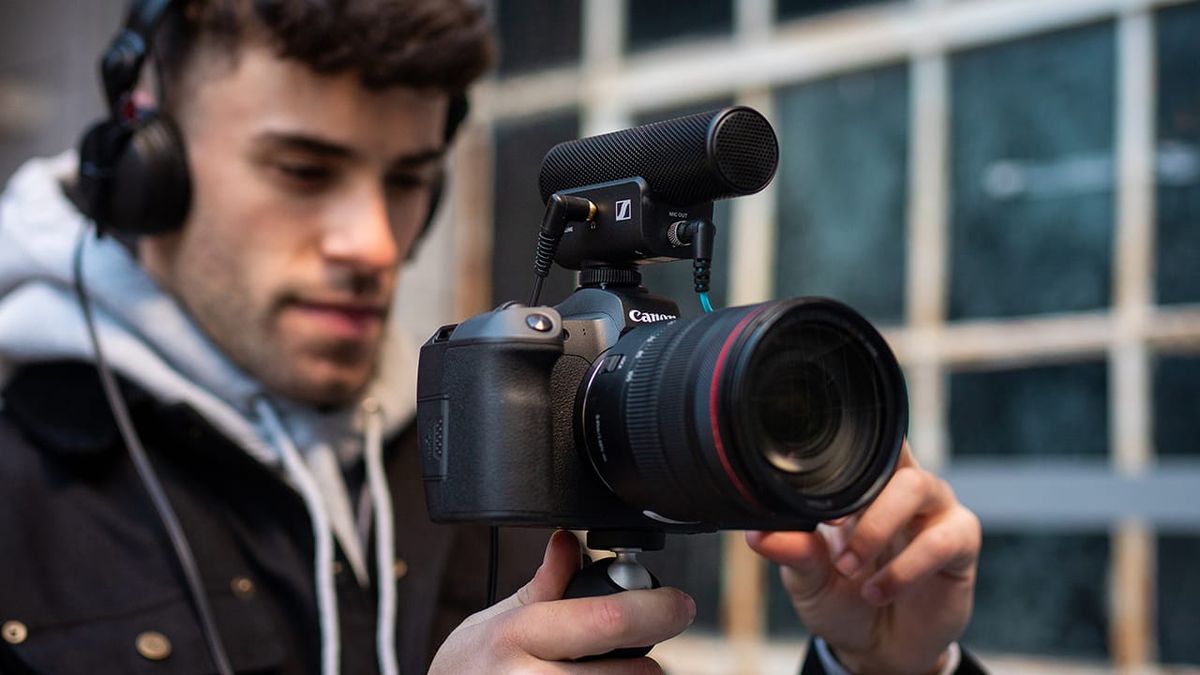
The right shotgun mic for run-and-gun work isn't necessarily the best-sounding one on paper, it's the one that doesn't slow you down. A full-length XLR boom shotgun and a recorder is the correct tool for a controlled documentary interview. It's the wrong tool when you're solo, moving fast, and don't have a hand free to manage a separate audio rig.
Here's how to pick the right shotgun mic for actual run-and-gun shooting, not a studio setup.
Start With the Real Question: On-Camera or Boom?
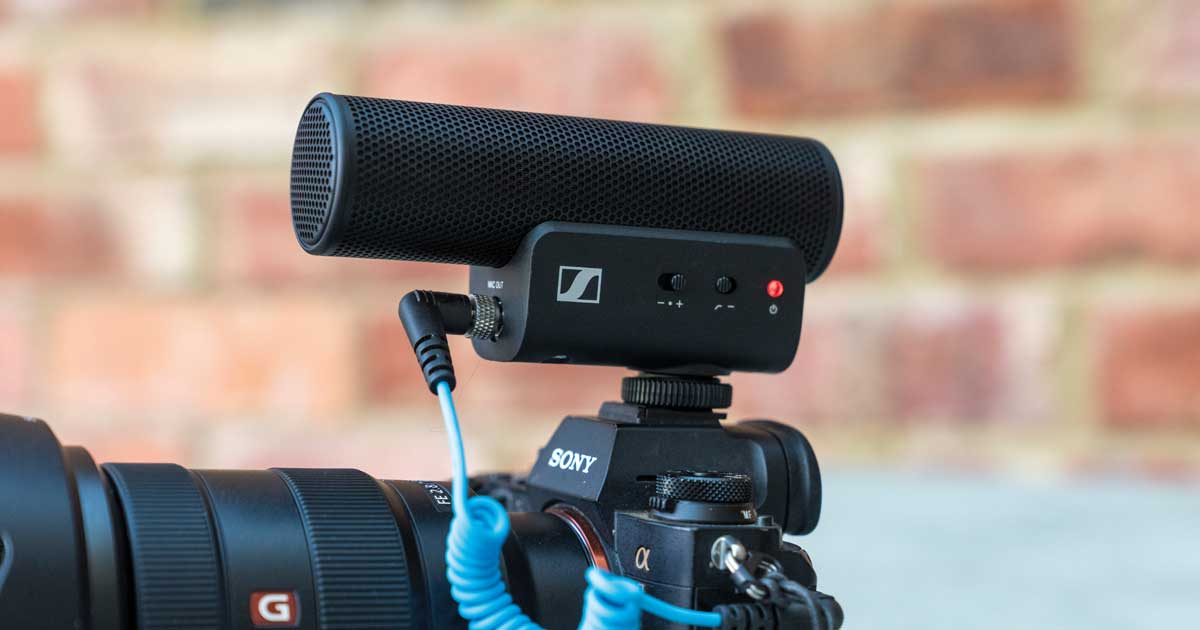
Shotgun mics split into two categories that solve different problems. Short, self-powered on-camera shotguns mount directly to your camera's hot shoe, draw power from the camera or an internal battery, and output through 3.5mm or USB, no separate recorder, no cable run, no phantom power source to manage. Long XLR boom shotguns need 48V phantom power from a mixer or dedicated recorder, and require someone to physically hold or mount the boom near the subject.
For genuine run-and-gun work, solo shooters, fast-moving documentary, one-person interview setups, the on-camera category is almost always the right call. The extra directionality and off-axis rejection of a boom shotgun only pays off when you have someone managing it, and the added gear (recorder, cables, phantom power source) is exactly the kind of overhead run-and-gun shooting is trying to avoid.
The On-Camera Picks That Actually Hold Up
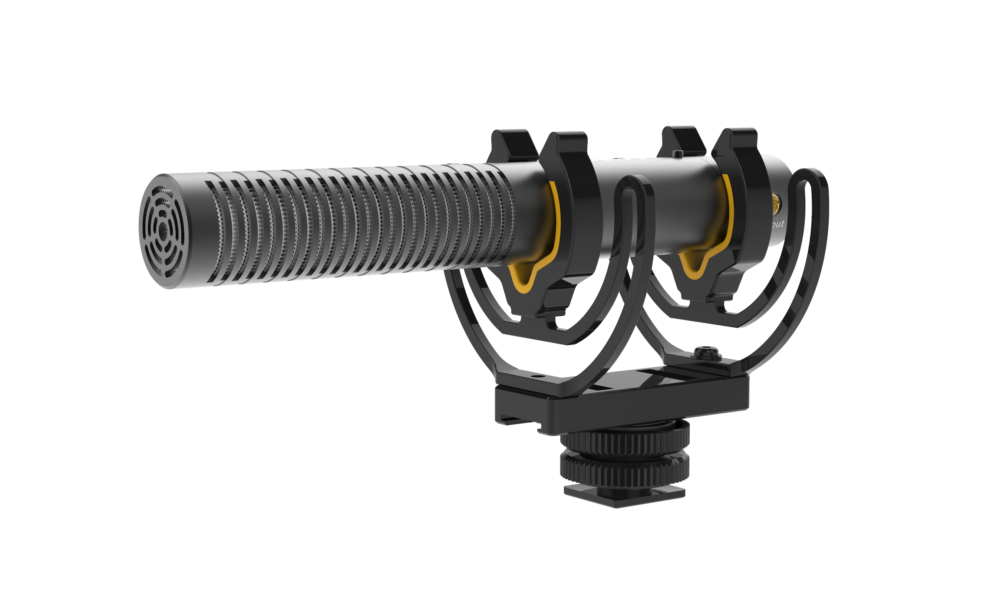
Rode VideoMic NTG (around $249) is the most versatile option in this category and the one worth defaulting to if you're not sure what you need. It shares acoustic design with Rode's professional NTG5 broadcast shotgun, offers both 3.5mm and USB output, and includes a safety channel that records a second, lower-level track to fall back on if your primary level clips. It works mounted on a camera, plugged into a phone for a quick interview, or connected to a computer as a USB mic for voiceover, which matters if your workflow crosses between shooting and post.
Sennheiser MKE 400 (roughly $199) is the more focused, no-frills alternative. It's smaller, has excellent built-in wind protection, and delivers Sennheiser's well-regarded sound signature in a compact, camera-only form factor. The tradeoff is real: no USB output, AAA battery power rather than rechargeable, and it's camera-mount only, not built for boom or multi-use scenarios the way the NTG is.
Deity V-Mic D3 Pro (around $199) is a strong value pick that regularly gets mentioned alongside the NTG as one of the two serious 3.5mm on-camera options worth considering, with anything meaningfully better requiring a jump to XLR. It's a reasonable choice if you want NTG-adjacent quality at a similar price point but prefer Deity's build and feature set.
Rode VideoMic GO II (under $100) is the realistic budget entry point. It won't match the tonal richness of the NTG or MKE 400, but it's a genuine step up from a camera's built-in mic, and a sensible starting point if you're testing whether external audio is worth the investment before spending closer to $250.
When a Boom Shotgun Is Still the Right Call
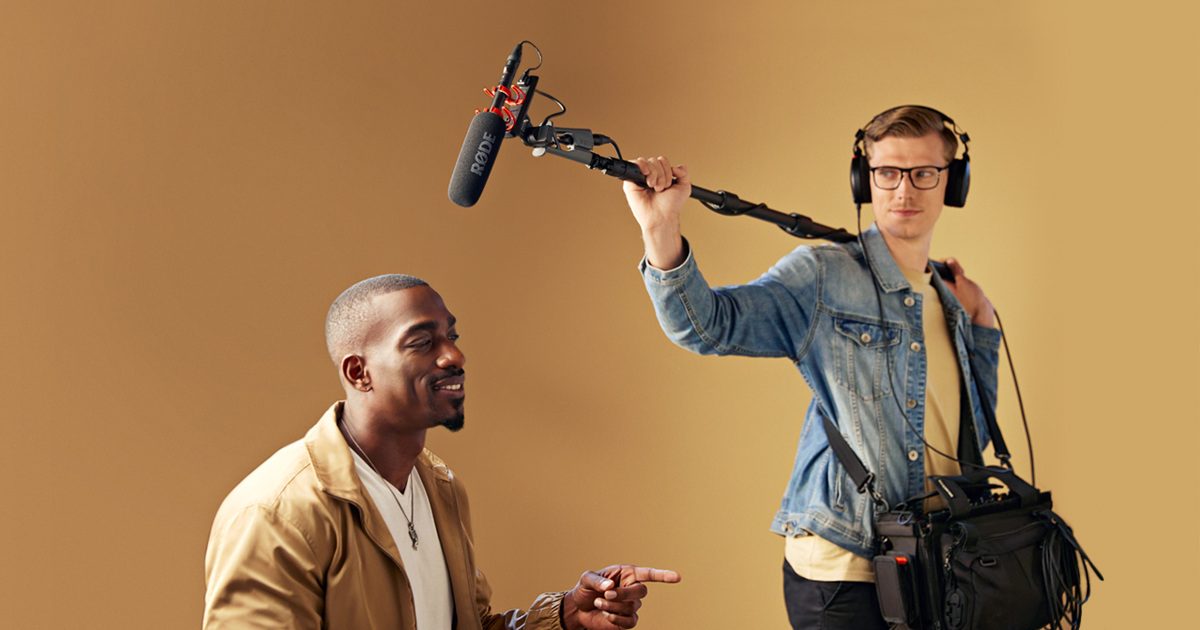
If your run-and-gun work still involves a second person, even occasionally, a boom shotgun changes the calculus. The Sennheiser MKH 416 (around $999) remains the industry benchmark for a reason: tighter directionality, better off-axis rejection, and a sound quality that's noticeably ahead of any on-camera option. The Rode NTG3 (typically $500–700) is the more budget-conscious alternative, delivering close to 416-level performance at a meaningfully lower price, and a common recommendation for indie productions that need boom-quality sound without the full professional price tag.
Both require phantom power from a recorder or mixer, and neither is realistic to operate solo while also running camera, which is exactly why they're the wrong pick for genuinely one-person shoots.
What Actually Matters Beyond the Mic Itself
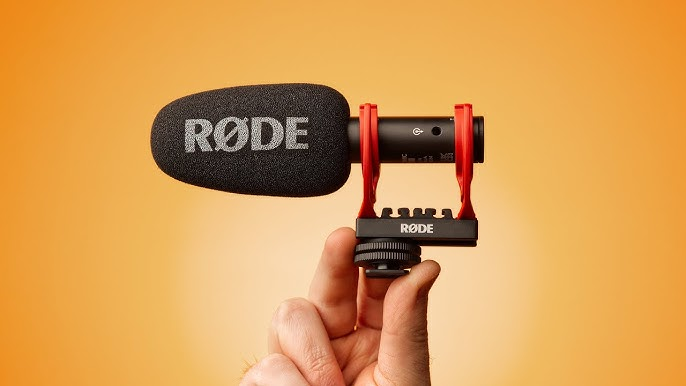
Wind protection is not optional for outdoor run-and-gun work. A foam windscreen handles light indoor air movement, but anything outdoors beyond a completely calm day needs a furry windshield ("dead cat"), and it's worth checking whether your chosen mic includes one or requires a separate purchase.
Power source matters more for run-and-gun than it might seem. A mic that draws power directly from your camera (like plug-in-power options) means one less battery to track and swap mid-shoot. A mic requiring its own AAA batteries or internal rechargeable battery adds a real point of failure if you forget to check charge before heading out.
The Signal in the Noise
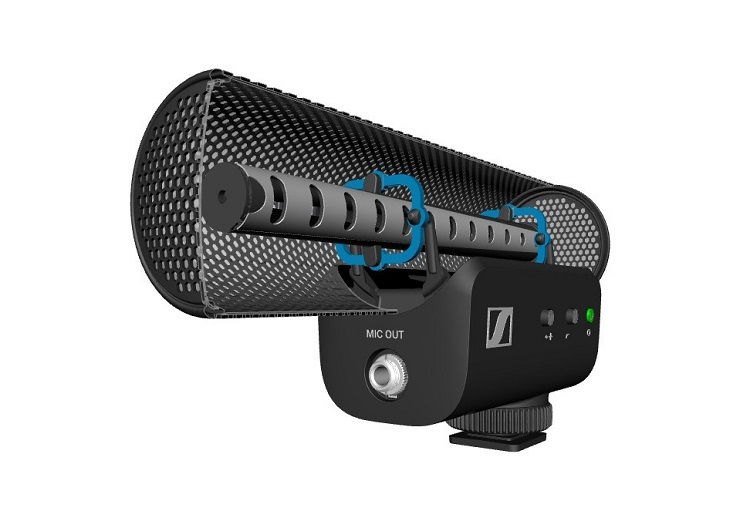
For the overwhelming majority of solo and small-crew run-and-gun shooters, an on-camera shotgun in the $200–250 range, the Rode VideoMic NTG or Sennheiser MKE 400 specifically, is the right tool.
It's the mic that matches how run-and-gun actually works: fast setup, no separate recorder to manage, and audio quality that's a genuine, noticeable step above a camera's built-in mic. Save the boom shotgun and dedicated recorder for the day you actually have a second person to run it.