A New Canon Camera Registration Suggests the R7 Mark II Might Actually Be Coming in 2026
Canon just filed its third camera registration of 2026 — and the Wi-Fi specs point to a mid-range body, most likely the long-overdue R7 Mark II. Here's what the registration actually tells us and what to make of it.

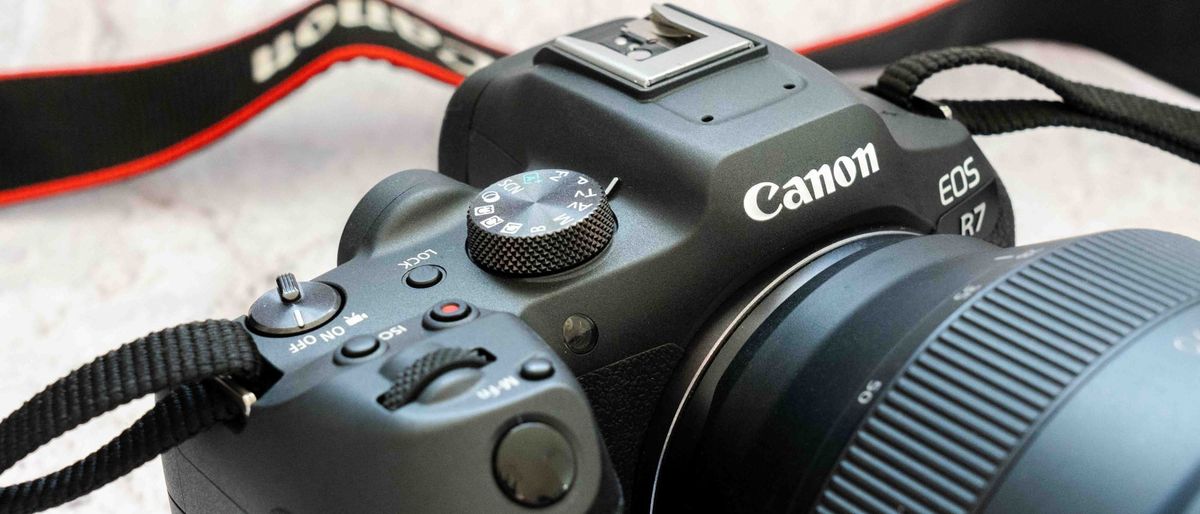
Canon has registered a third camera with a wireless certification agency in 2026 — and the Wi-Fi specifications on this one are meaningfully different from the first two. That difference is the reason people who'd written off a 2026 Canon R7 Mark II are reconsidering.
The registration, filed on July 1 with device ID DS126965, shows a Wi-Fi 5 module with 80 MHz bandwidth and 256QAM — a mid-range wireless specification that doesn't match Canon's entry-level cameras and doesn't match Canon's premium lineup either. That puts it squarely in the middle of Canon's APS-C tier, which is exactly where the R7 Mark II would sit.
To be upfront about what this is: a wireless certification registration is the lowest-confidence tier of camera rumors. It tells you a device exists and gives you a signal about its category based on components. It doesn't tell you what the camera is, when it ships, or what its specs are. But combined with the other two Canon registrations from earlier this year, the picture is getting more specific.
The three registrations and what they suggest
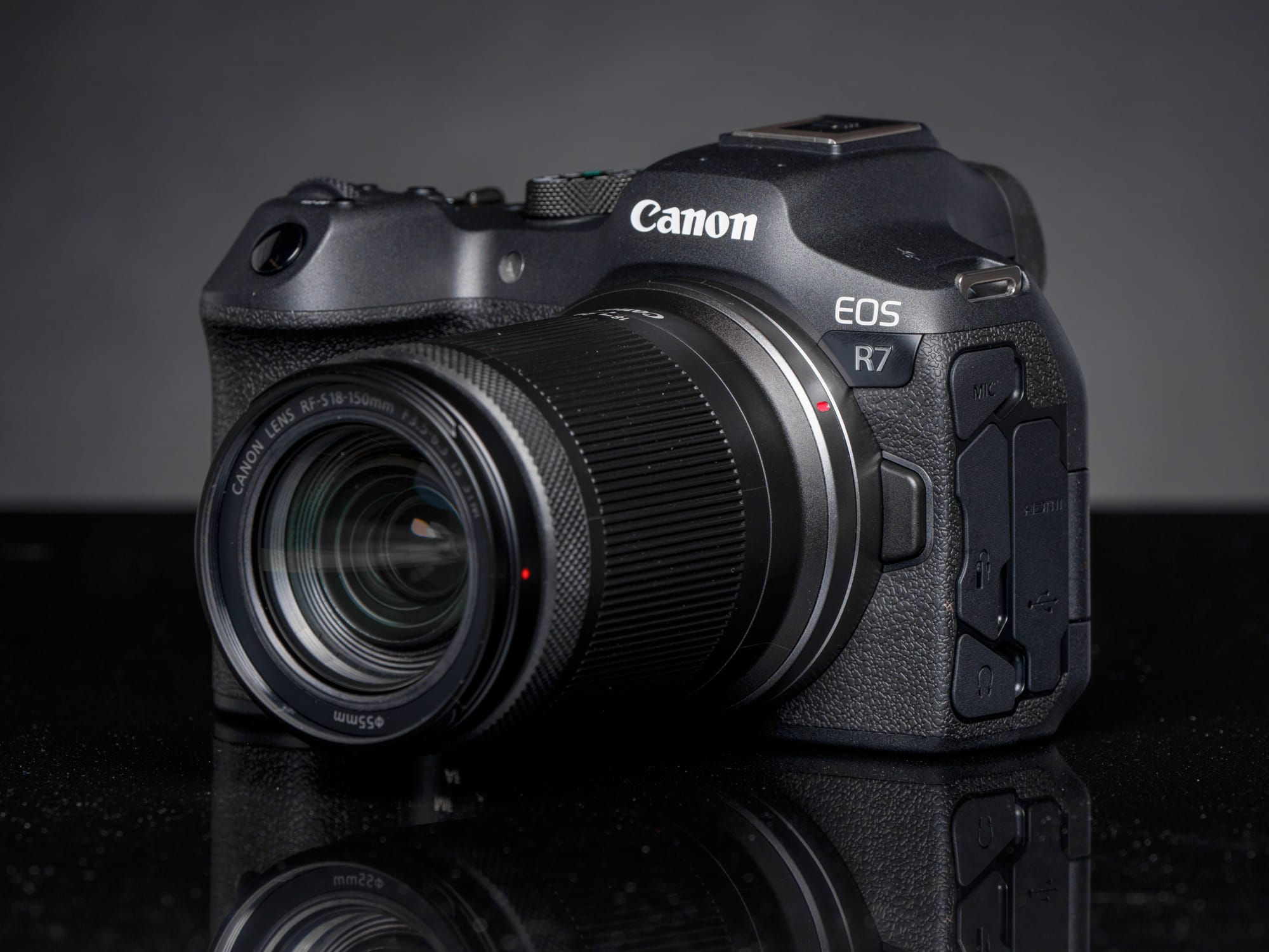
Canon has filed three camera registrations in 2026 so far, and the Wi-Fi module in each one tells a different story:
- DS126947 (April 15) — dual-band Wi-Fi 4, basic configuration. Entry-level. Most likely the Canon R10 Mark II.
- DS126973 (June 2) — dual-band Wi-Fi 4, basic configuration. Entry-level. Most likely another entry-level body — R50 Mark II or a PowerShot refresh.
- DS126965 (July 1) — Wi-Fi 5, 80 MHz bandwidth, 256QAM. Mid-range. Most likely the Canon R7 Mark II or Canon R8 Mark II.
The Wi-Fi tier distinction matters because Canon uses it consistently across its lineup. Flagship bodies — the R3, R5 Mark II, R1 — use Wi-Fi 6. Mid-range bodies use Wi-Fi 5. Entry-level bodies use Wi-Fi 4. The third registration's specification doesn't belong to either extreme of that spectrum.
Why the R7 Mark II is the most likely candidate
The Canon R7 Mark II is the most overdue camera in Canon's APS-C lineup. The original R7 launched in 2022 with a 32.5MP APS-C sensor, 30fps mechanical shutter, and subject-tracking autofocus that held up well in wildlife and sports photography. It's been four years with no update — an unusually long gap for a body that was well-received and occupies Canon's most competitive APS-C price point.
Canon Rumors and other veteran sites had previously reported the R7 Mark II was delayed out of 2026. The third registration has shifted that assessment. The R8 Mark II is the other possibility — the R8 launched in 2023 and is a full-frame entry body that also sits in the Wi-Fi 5 category — but the R7 Mark II is more overdue and more commercially significant for Canon's APS-C lineup.
What a 2026 R7 Mark II would mean for content creators and filmmakers
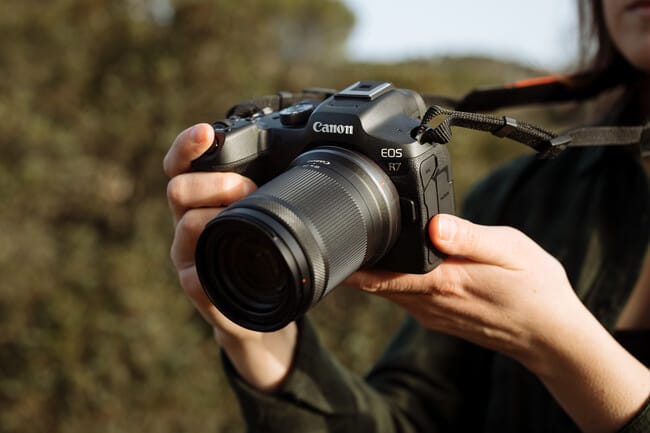
The R7 has always had a specific appeal for video work: the APS-C crop factor effectively extends the reach of any lens, which makes it particularly useful for wildlife, sports, and long-lens documentary work where the additional reach matters. The R7's 4K 60fps video, oversampled from the full sensor width, produced clean results for a camera at its price point.
A Mark II update with Canon's most recent autofocus improvements — including the subject-recognition and tracking that debuted in the R5 Mark II — would make it a meaningfully more capable tool for solo operators shooting events, wildlife, or documentary content on a mid-range budget.
Worth knowing before you buy
If you're considering an R7 right now: the original R7 is currently available at around $1,299 and still holds up well. But if a Mark II is genuinely on the announcement path, it's worth waiting for official specs before committing — particularly since Canon tends to improve video capabilities significantly between generations on its APS-C bodies.
No announcement date has been confirmed. The registration was filed July 1, which places a potential announcement in the latter half of 2026 if Canon's typical timeline between registration and announcement holds.