Christopher Nolan Shot "The Odyssey" Entirely on IMAX Film — and Had to Invent New Cameras to Do It
"The Odyssey" is the first feature film ever shot entirely on IMAX film cameras — and making it work required inventing new ones. Here's what Nolan and his team built to solve the noise and scale problem.

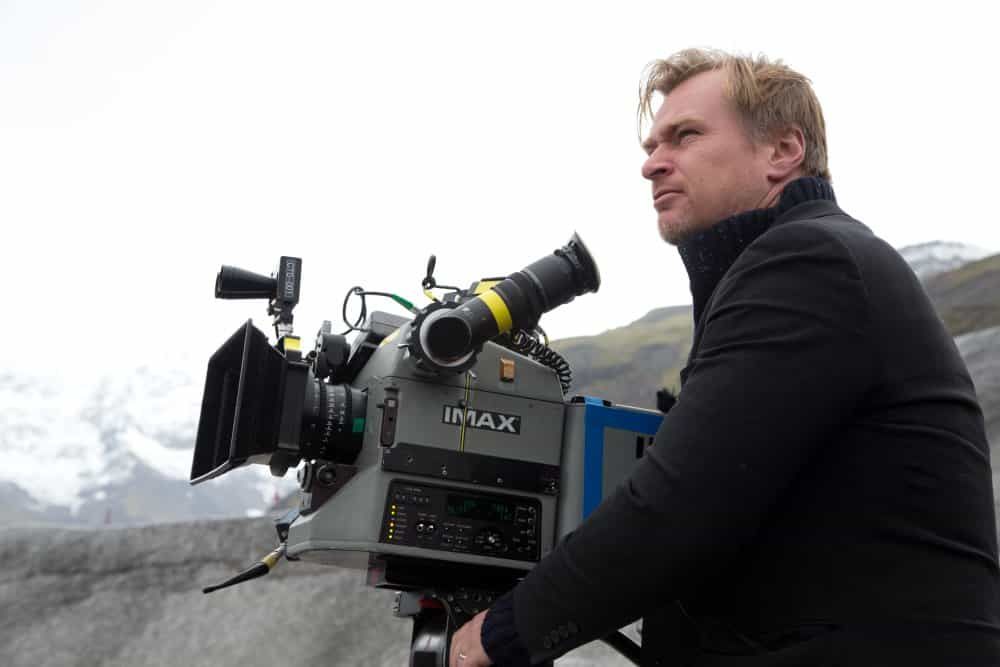
Christopher Nolan just released a featurette walking through the production of "The Odyssey" — and for filmmakers, the technical story behind how this movie got made is genuinely worth understanding, separate from whatever the film itself turns out to be.
"The Odyssey" is the first feature film ever shot entirely with IMAX film cameras. Not IMAX-framed digital — actual IMAX 70mm film cameras, for the entire duration of a large-scale narrative feature. Over 2 million feet of IMAX 70mm film was used in production, with cinematographer Hoyte van Hoytema (who has worked with Nolan since "Interstellar") shooting across international locations. The film opens in theaters July 17.
The problem IMAX cameras have always had
IMAX cameras produce extraordinary images — a full IMAX 70mm negative captures detail at a resolution that genuinely has no digital equivalent at comparable scale. The problem has always been practical: the cameras are enormous, mechanically loud, and historically difficult to use in scenes requiring close actor interaction and recorded dialogue. You can build a scene around an IMAX camera. You can't easily shoot intimate dialogue scenes with one in the traditional sense.
Nolan and his team went directly to IMAX to solve this. As Nolan puts it in the featurette: "We had gone to IMAX and sort of challenged them to create new cameras that were quiet or at the very least create a blimp that would baffle the noise of the camera." IMAX responded by developing a new, lighter, quieter camera version specifically for this production — the first time hardware of this kind has been purpose-built for a narrative feature at this scale.
The mirror system for eye contact
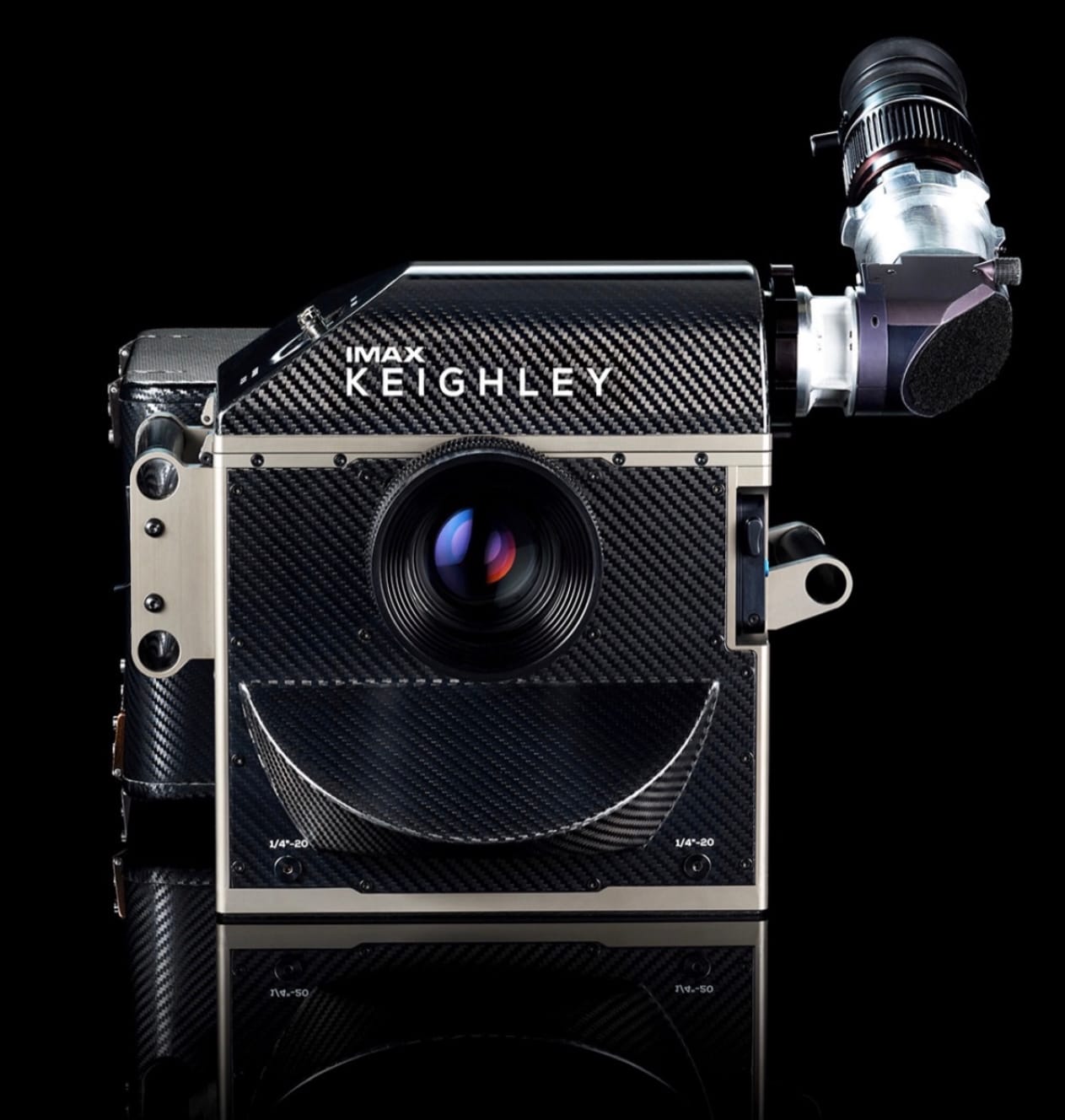
The noise problem was one challenge. The physical scale of the cameras created another: when the rig is that large, maintaining natural actor eye contact in dialogue scenes becomes genuinely difficult. The crew engineered a mirror system to allow actors to maintain eye contact with each other while navigating the camera setup — a practical workaround for a problem that didn't previously need solving because no one had shot a narrative feature entirely on IMAX film before.
Nolan describes the experience of working with the cameras as counterintuitive: "It feels like you're shooting a scene with like an SUV. But even with the size of the camera you just feel like the machine would move slower and it just moves faster than if you were shooting it on an iPhone." His framing of why the format was non-negotiable: "IMAX is a camera that doesn't lie. This is definitely the format or the window that this story wants to be seen in."
Why this matters beyond "The Odyssey" itself
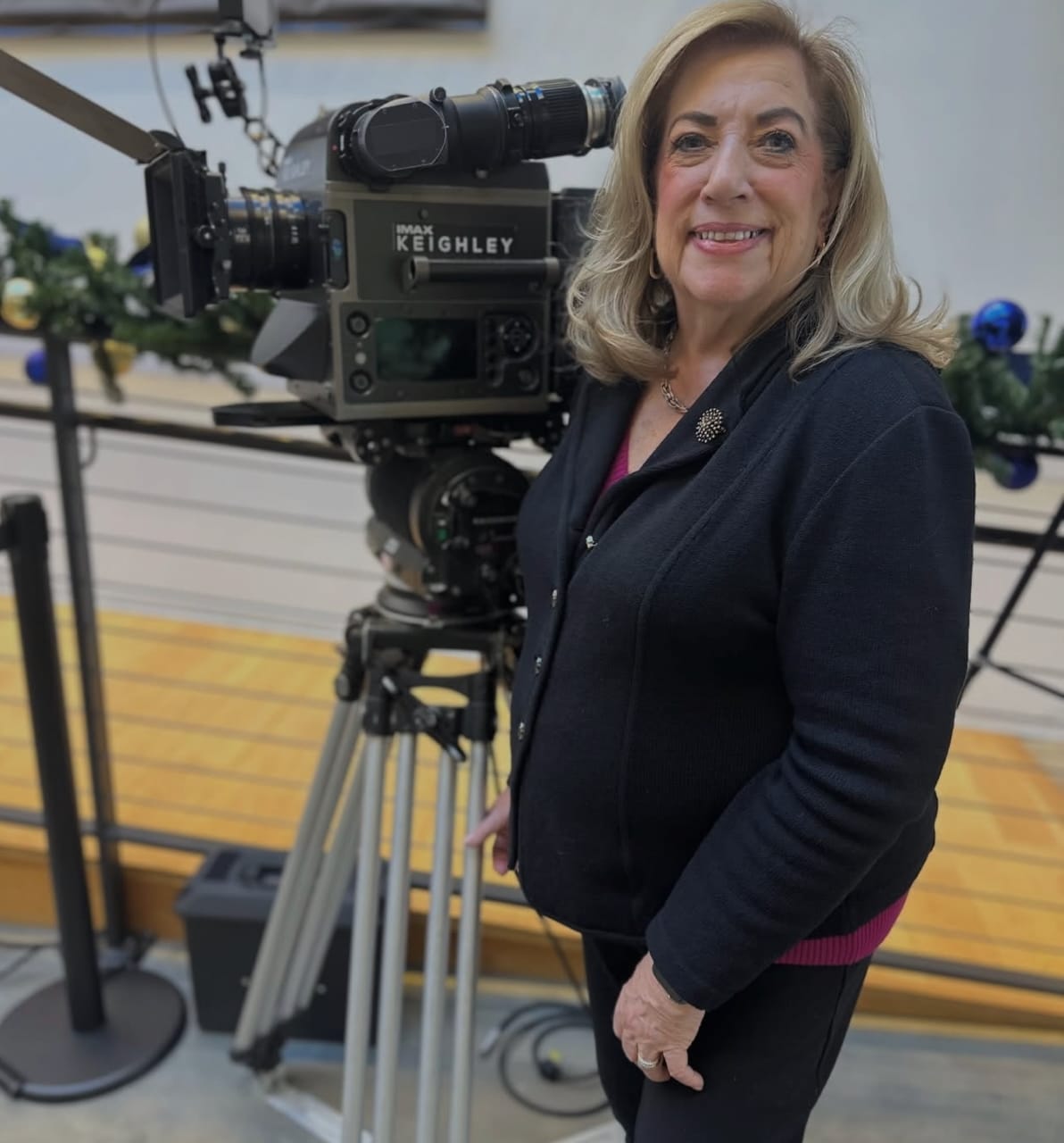
The more interesting story for filmmakers isn't whether "The Odyssey" is good (the world premiere is July 6 in London — reviews aren't in yet). It's that the production forced a genuine hardware innovation: quieter IMAX cameras that didn't exist before this film, now exist. The blimp and mirror systems developed for this production are solutions to problems that previously had no good answers for large-format film in narrative contexts.
That's not just a production trivia note — it's a signal that the infrastructure for shooting at this scale is actually expanding rather than contracting, which matters for anyone thinking about where large-format film photography goes from here.