The Digital Bolex Is Coming Back, One Hand-Built Camera at a Time
A former cinematographer has a working prototype of the discontinued Digital Bolex D16, built on its original Kodak CCD, and plans to loan two units free.

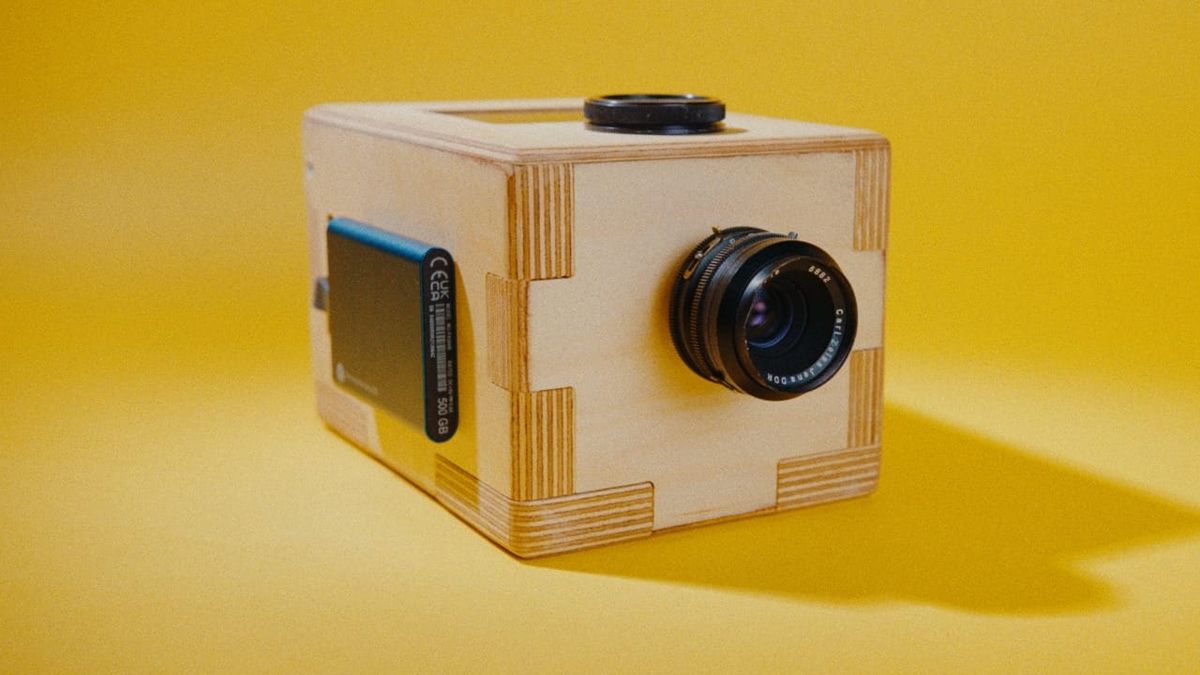
The Digital Bolex D16, the cult 2K Super 16 cinema camera that stopped production in 2016, has a working successor. Former cinematographer David Bross has built a fully functional prototype around the camera's original Kodak CCD sensor, and he plans to loan two finished units to filmmakers for free.
A Camera Many Filmmakers Never Got Over
The original D16 was built by Joe Rubinstein and his team around a Kodak KAI-05040 interline CCD sensor. It developed a devoted following for its filmic, organic image, a look many shooters felt modern CMOS cameras never quite matched.
When production ended in 2016, that sensor went with it. Bross has since acquired four of the original Kodak CCDs and set out to rebuild the camera with modern components.
What the Prototype Actually Is
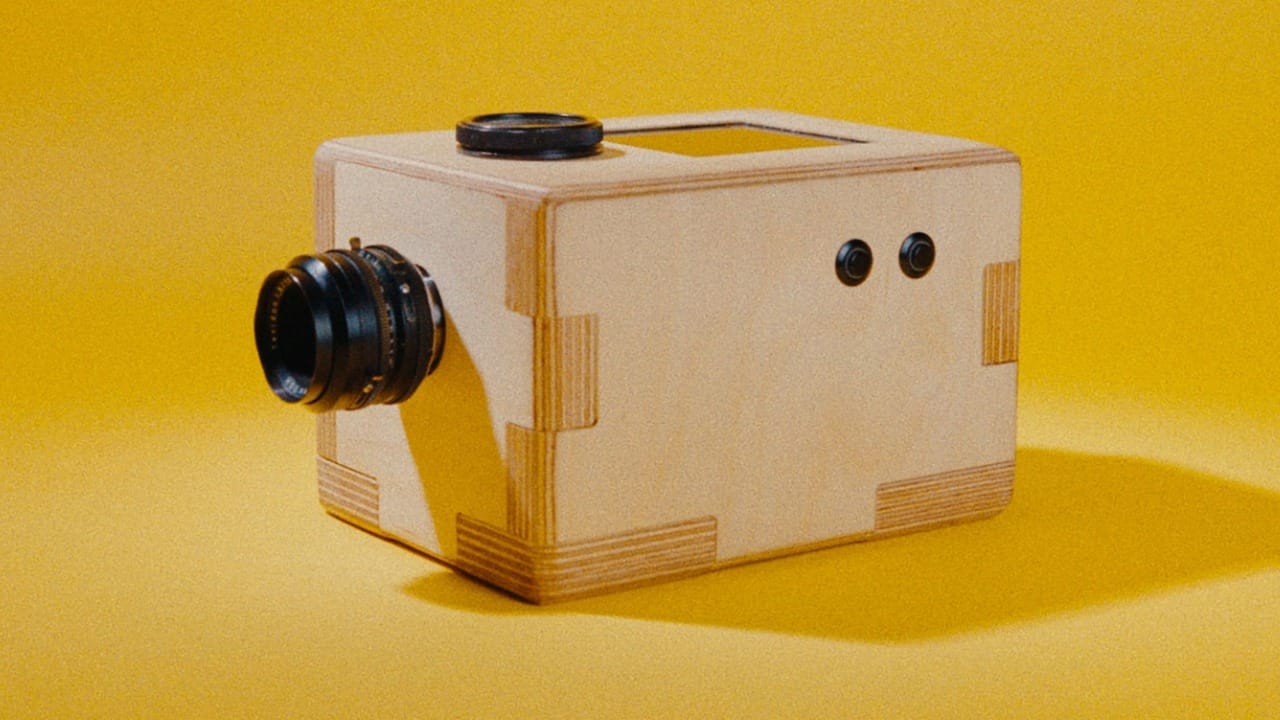
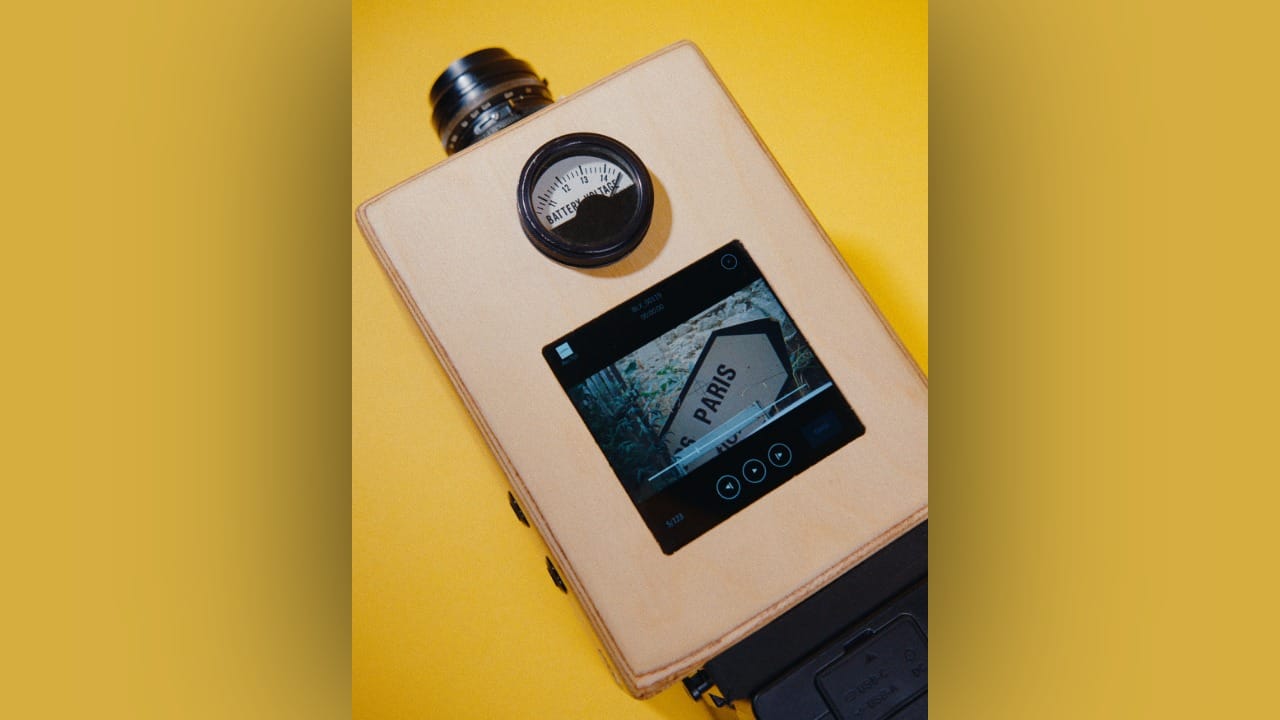
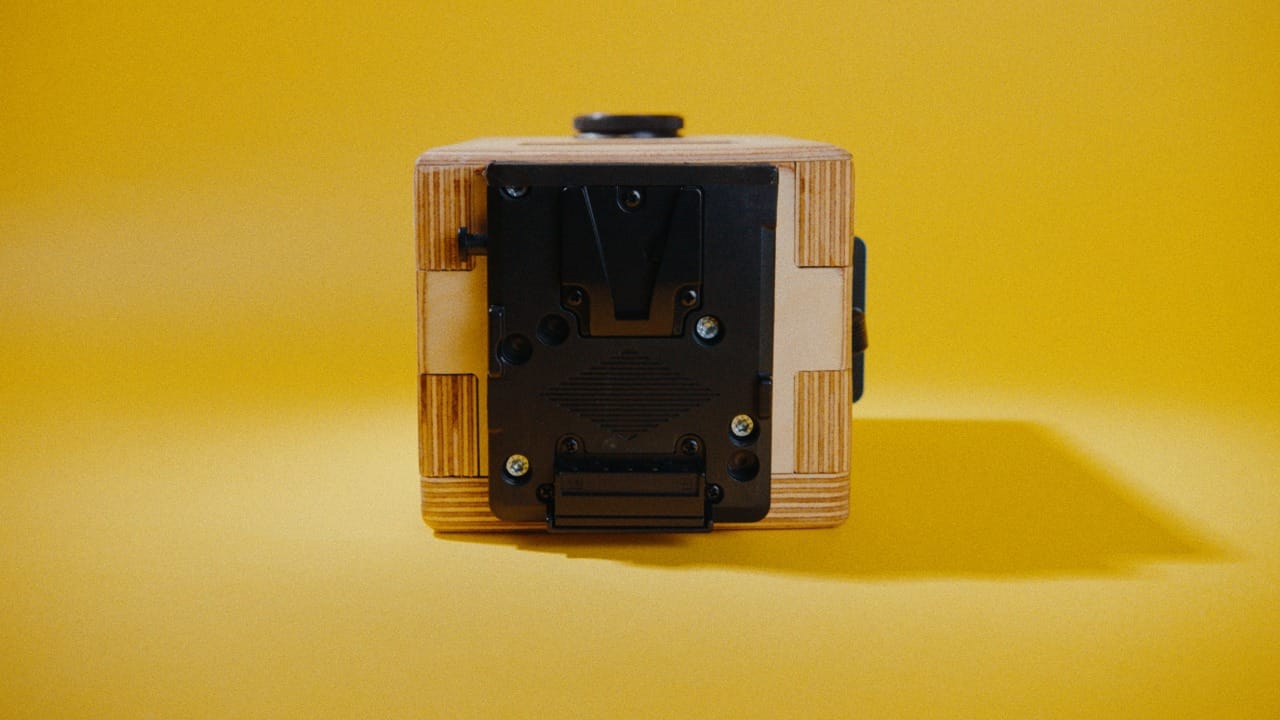
Bross, who has moved from film sets into woodworking, furniture design, and app development, finished his first fully functional prototype before this summer. The build is deliberately simple: a Raspberry Pi 5 at its core, firmware currently written in Python, a touchscreen for menus, SSD recording, and V-mount battery power.
The current housing is an oversized wooden box. Bross built it large on purpose so he could keep getting his hands inside to check tiny solder joints. The final body will be smaller and more ergonomic, made from wood and aluminum.
The Real Goal Is Color Science
For Bross, the sensor was never the whole point. He wants a cinema color science of his own, built from the ground up.
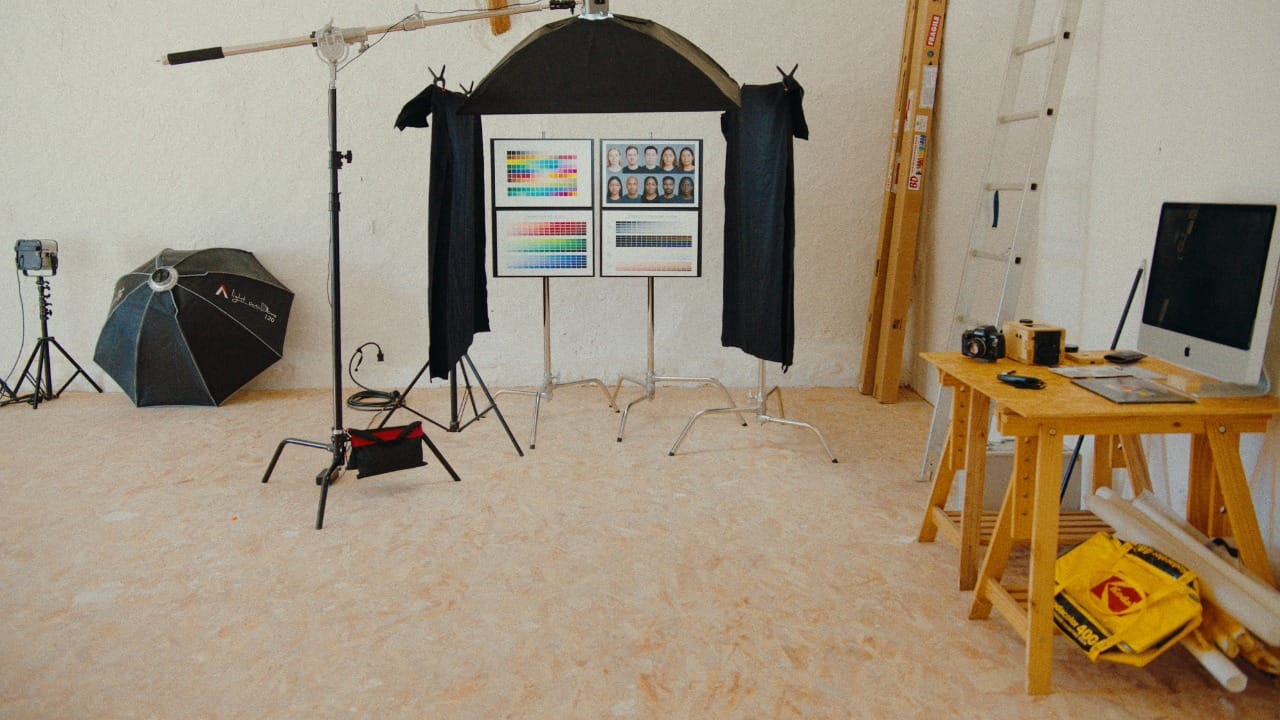
His plan is to shoot the CCD side by side with real Kodak 500T and 250D negative stock, then derive a color matrix so the digital camera learns to render like the film beside it. That calibration hasn't happened yet, so early test footage isn't representative of where the camera is headed.
The same work will also feed into version 2 of DIGILOG, his free iPhone app that brings a Kodak 500T-inspired look and open-gate ProRes recording to phones.
The Memory Shortage Hits a One-Person Project
Bross reports that component prices have roughly tripled since the project began. The 16GB Raspberry Pi 5 he builds around jumped from about €124 (around $145) to nearly €347 (around $405) per unit.
It's a clear example of how the ongoing memory shortage lands hardest on independent builders with no purchasing power, not just major manufacturers.
Two Free Cameras for Filmmakers
Bross plans to build at least three units. One is his own. The other two will be loaned, free, to directors and cinematographers who want to shoot with them.
There's no price, no store, and no ship date, because this isn't a product. It's a hand-built project, and Bross is actively looking for the first filmmakers to put the loaner cameras to work.
Competitive Context
Bross credits Csaba Nagy's open-source CinePi project, a Raspberry Pi-based cinema camera, with inspiring him to start, and original Digital Bolex creator Joe Rubinstein with helping along the way.
The project sits inside a growing DIY camera movement built on accessible hardware and open software, where individual builders chase specific looks that mainstream manufacturers don't prioritize.
The Signal in the Noise
Most camera news is about more resolution, more dynamic range, and cleaner images. This project runs the opposite direction: reviving an older sensor specifically because of how its imperfections render.
That tells you something about where a segment of filmmakers still is. For them, a camera's character matters more than its spec sheet, and they'll hand-build one to get it.
Would you put a hand-built CCD camera with unfinished color science on a real shoot, and what would you want to point it at?
The Details
- Project: Digital Bolex D16 rebuild by David Bross, former cinematographer
- Sensor: original Kodak KAI-05040 interline CCD (Bross owns four)
- Prototype hardware: Raspberry Pi 5, Python firmware, touchscreen, SSD recording, V-mount battery
- Final design: smaller wood and aluminum body, still in development
- Color science: planned calibration against Kodak 500T and 250D film stock, not yet completed
- Component costs: 16GB Raspberry Pi 5 rose from ~€124 to ~€347 per unit
- Units planned: three total; two to be loaned free to directors and cinematographers
- Availability: not for sale; follow progress on Bross's YouTube channel and project page