How One Cinematographer Spent 5 Years Escaping Corporate Videography for Documentary Work
Cinematographer Jakub Chlouba spent five years transitioning from corporate videography in Switzerland to full-time documentary DP work. Here's what that transition actually cost.

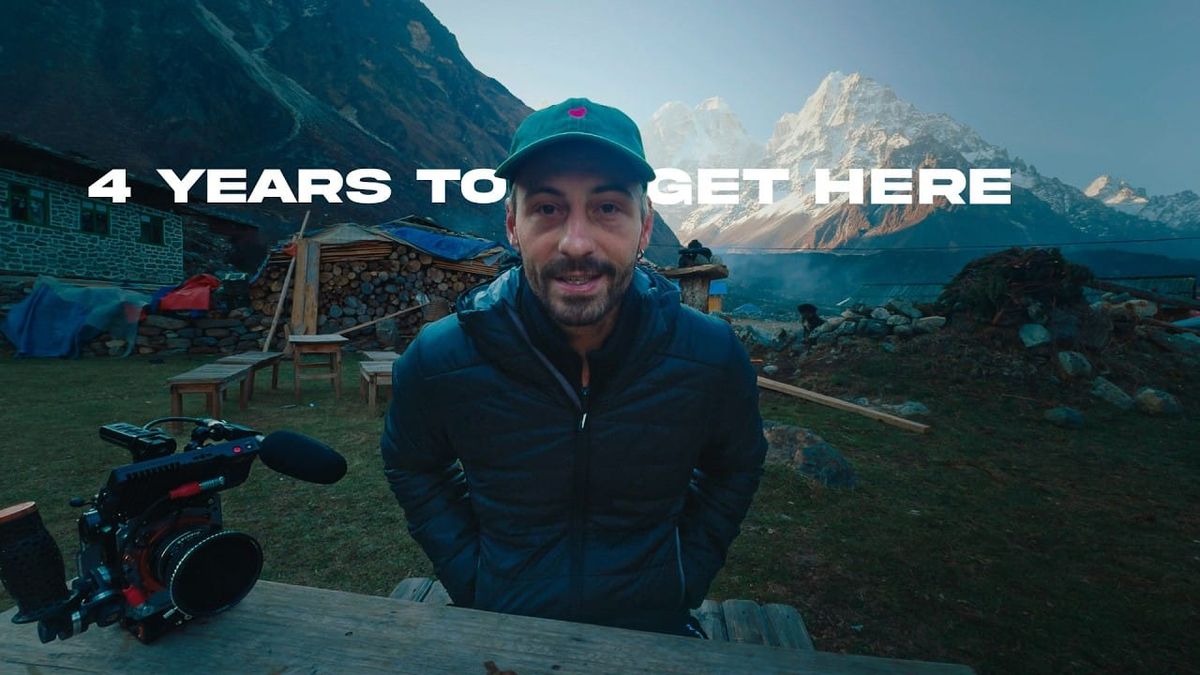
Jakub Chlouba spent years as a well-paid in-house corporate videographer in Switzerland. The money was good. The work was killing him creatively. In 2019 he started figuring a way out, and it took until 2024 to land on the other side as a full-time documentary DP.
This is what that transition actually looked like.
The Golden Cage Problem
The term Chlouba uses for his situation is worth understanding before anything else. "Switzerland or a country where you have a high income can sort of become a golden cage," he says in the video, "because you become trapped in doing work that you don't enjoy just to make money to pay things that are necessary."
The trap isn't the job specifically. It's the cost of living that the job supports. A high income in a high-cost market creates lifestyle commitments — rent, expenses, obligations — that make leaving feel financially impossible even when staying feels creatively unsustainable. The cage is comfortable enough that you stop testing the bars.
Chlouba's realization, which he describes as asking himself whether this was why he became a filmmaker, was the point where the discomfort of staying started outweighing the discomfort of leaving.
The Strategy: Shrink the Cage
The move that made everything else possible wasn't a portfolio breakthrough or a career-changing project. It was relocating to lower-cost countries — first Asia, then Buenos Aires — to reduce his cost of living to the point where he could afford to take on less paid work and spend more time on personal projects.
That's a more aggressive version of the standard career-pivot advice than most people are willing to act on. It required accepting a significant reduction in lifestyle in exchange for time. The bet was that consistent work on personal projects would compound over time even without immediate financial return.
It did, but it took four to five years.
The Compounding Work
The personal projects Chlouba describes during this period weren't immediately profitable. They didn't pay the bills. What they did was build a body of work that was authentically his — documentary work that reflected the kind of cinematographer he actually wanted to be, rather than the corporate video output he was being paid to produce.
As he puts it: "The things that you put effort into and that you really enjoy might not be bringing the results in terms of finances... but all of these things compound over time."
That compounding is the mechanism behind most creative career pivots that actually work. The portfolio builds. The reputation builds. The opportunities start to match the work rather than the income bracket. But the timeline is measured in years, not months, and the middle of the process looks a lot like spinning wheels.
What "Full-Time Documentary DP" Actually Required
By 2024, Chlouba was working full-time in documentary cinematography. The path there required relocating twice, spending years on projects that didn't pay, and accepting a much lower standard of living than his corporate role had provided during the transition.
There's no shortcut in his account. The video isn't selling a course or a framework. It's a candid description of what a slow-burn career pivot actually costs, and what it feels like from the inside when you can't tell whether the compounding is working yet.
Competitive Context
The "escape corporate videography" narrative is well-worn on YouTube, and most versions of it are structured as business advice: how to price your services, how to find better clients, how to build a brand. Chlouba's version is different in that it doesn't offer a tactical path so much as a philosophical one. The advice, to the extent there is any, is to follow an "inner compass" even when it isn't producing financial results yet.
That framing is less actionable but more honest about what long career transitions actually require. The lifestyle reduction strategy — moving to a cheaper country specifically to buy time for personal work — is more concrete than most of the philosophical advice in this genre, and it's the part of his story that has the most direct application for other filmmakers in similar situations.
The Signal in the Noise
The timeline is the most useful data point in this video. Five years from "I need to get out" to "I'm doing the work I want full-time" is a long time. Most people who attempt this kind of transition either quit too early, before the compounding has had time to work, or never start because the timeline feels too long to commit to.
Chlouba's account is a useful calibration for anyone currently in a version of the golden cage situation. The question isn't whether the transition is possible. It's whether you're willing to spend the time it actually takes, and make the lifestyle sacrifices that create the space to do it.