Fal Launches a LoRA Trainer for MiniMax H3
Fal launched a LoRA trainer for MiniMax H3 and released an open-source photorealism LoRA to show what it can do.

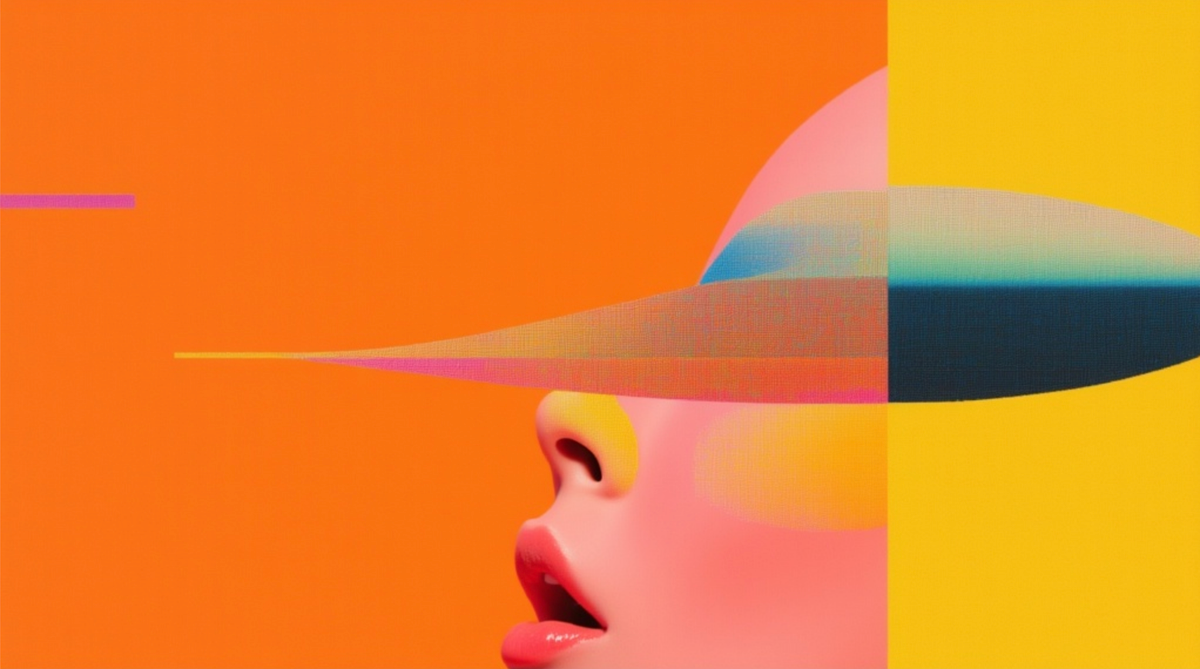
Fal added a LoRA trainer for MiniMax H3, letting users fine-tune the open-weights video model toward specific styles, subjects, or looks. To show what the trainer can do, fal built and released Realism People, an open-source LoRA aimed at pushing H3 toward raw, photorealistic humans.
What's in the Realism People LoRA
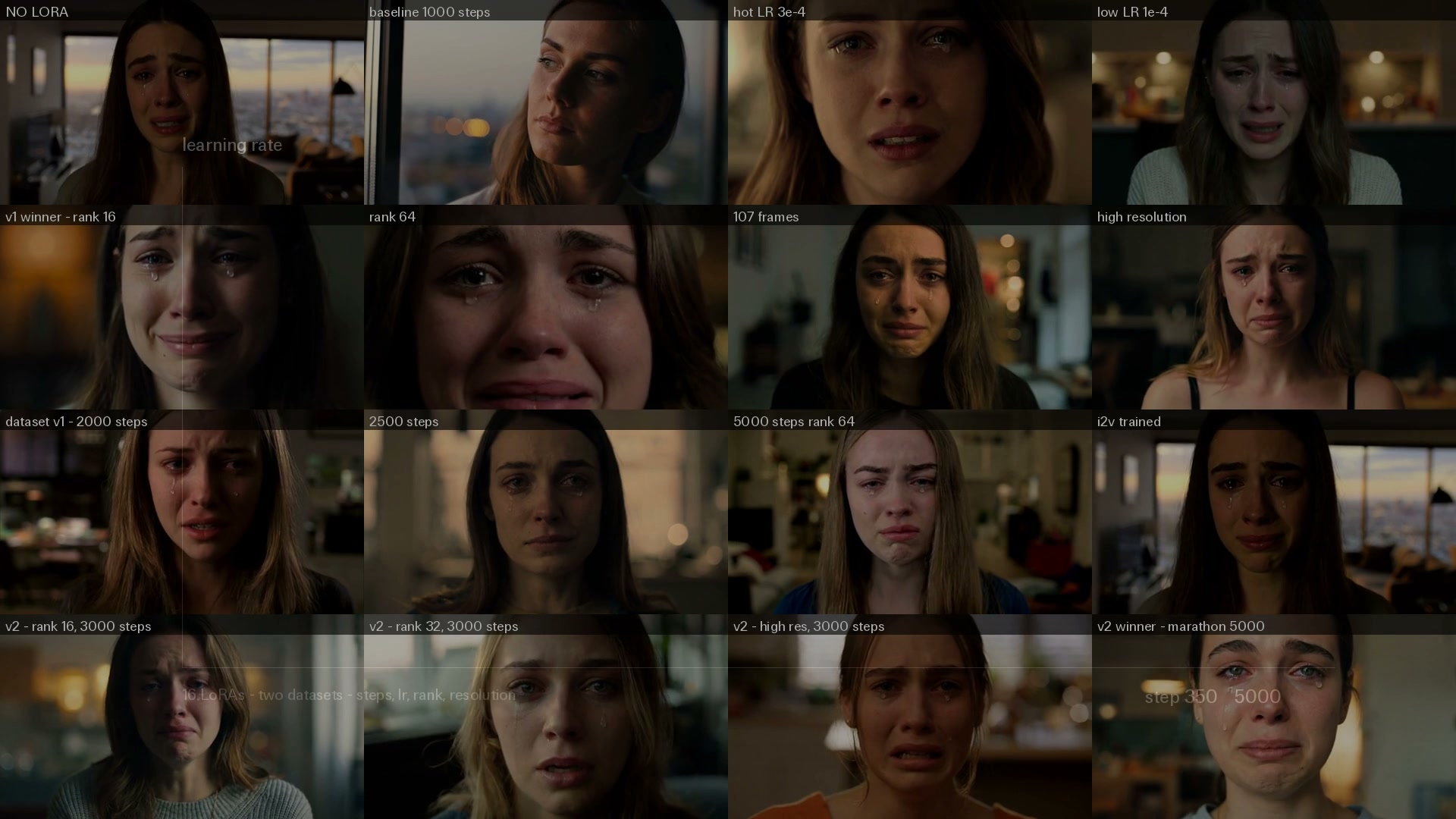
Fal trained Realism People on 176 hand-curated live-action clips of people, covering portraits, faces, workers, athletes, and everyday characters. The dataset builds on fal's earlier Realism dataset, with slow-motion footage detected and retimed to natural speed and everything normalized to a strict 24 fps with structured scene captions.
Fal tested five different configurations, varying steps, rank, learning rate, and training resolution, then compared them through side-by-side human review across 100 same-seed prompt pairs. The version released publicly is what fal calls the "slow-cooked marathon run": rank 16, 5,000 steps, learning rate 1e-4. The LoRA was built by Lovis Odin at fal and ships under the MiniMax H3 Community License, matching the base model's terms.
Competitive Context
This is the second significant piece of MiniMax H3 infrastructure to land in the same week as a separate community-built Metal inference engine for Mac. LoRA support for H3 isn't exclusive to fal either. Ostris's AI-Toolkit already supports text-to-video and image-to-video LoRA training for H3, with a one-click launch available through Pinokio, and community members have reported training LoRAs on consumer GPUs with as little as 12GB of VRAM using quantized weights and CPU offloading.
The Signal in the Noise
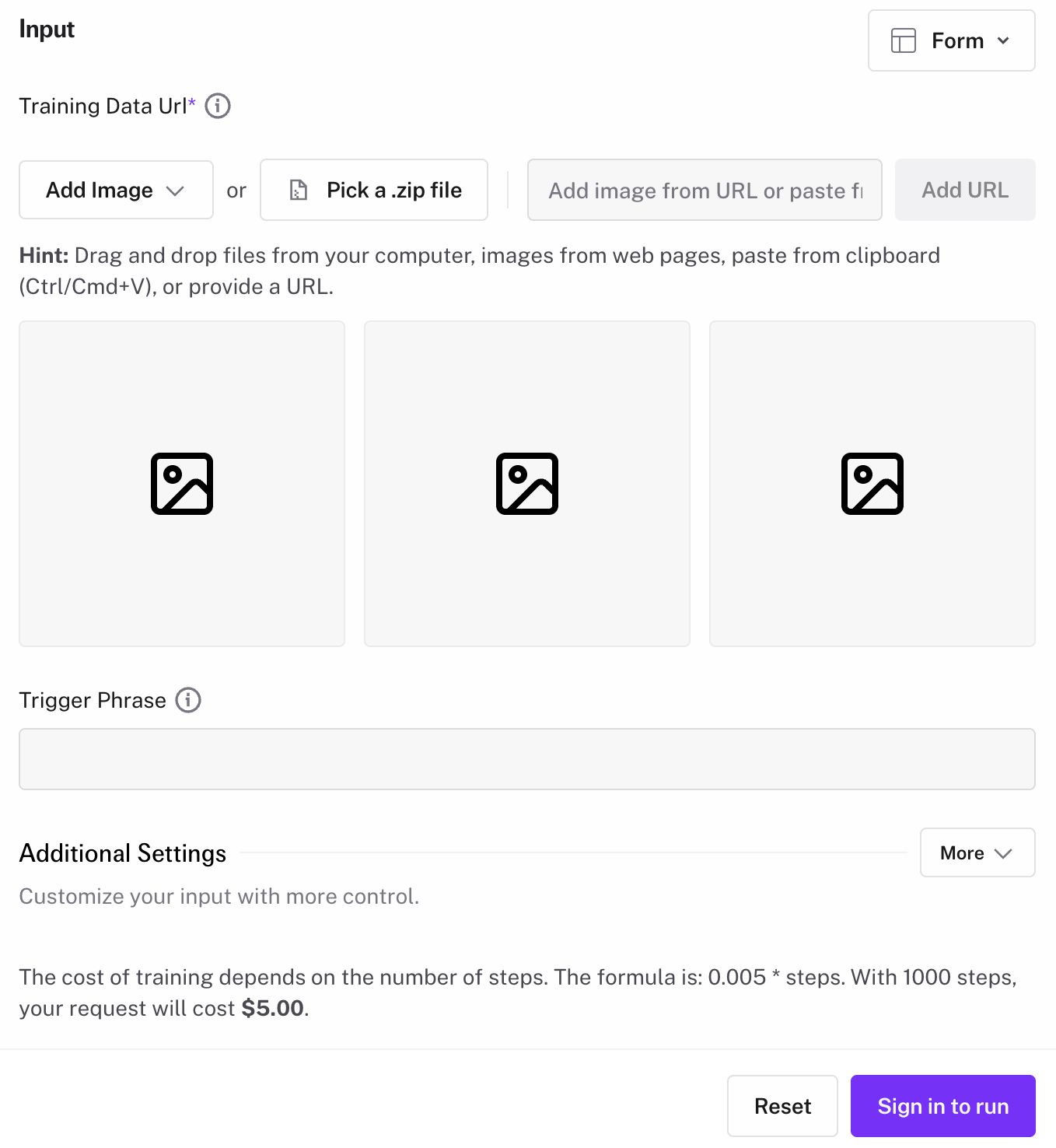
LoRA support is usually the point where an open model stops being a novelty and starts becoming a production tool. Once creators can train around a specific look, subject, or style, output gets far less random and far more usable for actual projects. Fal says more LoRAs are coming, which suggests this is the beginning of a broader H3 fine-tuning ecosystem rather than a one-off release.
Now that training around H3 doesn't require a research-grade GPU setup, does that change how seriously you'd consider building a custom look around it?
Specs & Pricing
- Trainer: LoRA trainer for MiniMax H3, available on fal
- Demo LoRA: Realism People, open source, MiniMax H3 Community License
- Training data: 176 hand-curated live-action clips, normalized to 24fps
- Winning config: rank 16, 5,000 steps, learning rate 1e-4
- Alternative option: Ostris AI-Toolkit, one-click launch via Pinokio, T2V/I2V support
- Consumer GPU option: LoRA training reported functional with 12GB VRAM using quantized weights