GoPro Just Sold Itself Into the Defense Industry for $285 Million
GoPro is merging with Starman Optical in a $285 million deal, pivoting toward AI data centers and defense while keeping its cameras alive.

GoPro entered a definitive merger agreement with Starman Optical, a privately held optical-photonics company, in a deal that pays GoPro shareholders $285 million and pivots the company toward AI data centers, defense, and national security markets. GoPro will remain publicly listed and says it's keeping its existing consumer cameras and subscription platform intact, but the company that emerges from this deal is a fundamentally different business than the one that made the Mission 1 Pro ILS.
What's Actually in the Deal
GoPro shareholders receive an aggregate cash payment of $285 million, or $1.14 per share, and will retain roughly 10% ownership of the combined company. GoPro's outstanding debt, approximately $92 million, gets repaid in full at closing, leaving a debt-free balance sheet. The deal is expected to close by the end of the year.
Starman brings U.S.-manufactured optical transceivers to the table, hardware used in AI data center infrastructure, and the combined company plans to extend that IP, along with GoPro's own optics and imaging capabilities, into defense, government, robotics, and aerospace markets.
Starman Holding CEO Charles Tebele framed the reasoning around domestic manufacturing: "Advanced optics and imaging are essential to AI, national security, and the broader economy, yet much of the critical hardware supporting these technologies continues to be manufactured overseas... Together, we intend to bring production of these critical components back to the United States." GoPro founder and CEO Nick Woodman described the goal as positioning the combined company as "a leading American imaging and optical solutions company, addressing important areas of national security related to cameras, optics and AI infrastructure."
A Genuinely Odd Wrinkle
Starman Optical was only incorporated in Delaware on August 31, one day before this deal was announced. Its sister entity, Starman New Photonics, was created in 2025 and is currently building a manufacturing facility in New Jersey.
TechCrunch's own reporting is candid about the uncertainty here: "It's not exactly clear what all that means, and Starman Optical doesn't have a significant track record to judge its performance." Starman Holding, the parent company, is better known for consumer tech accessory brands like Incase, Incipio, and Griffin, not defense or AI infrastructure.
This Connects Directly to Yesterday's News
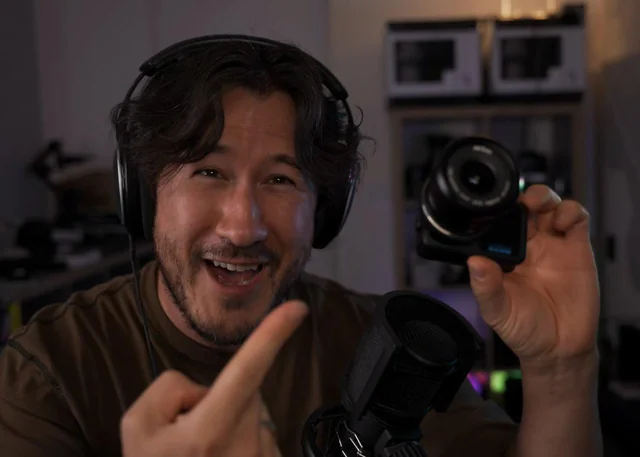
This deal doesn't come out of nowhere. GoPro had already signaled months ago that it was considering a pivot from cameras toward defense tech. And just a day before this announcement, YouTuber Markiplier revealed he'd acquired an 8.5% stake in GoPro, becoming its largest shareholder, specifically citing enthusiasm for the Mission 1 Pro ILS.
TechCrunch notes that stake appears to carry forward into the newly combined company, meaning Markiplier's bet, made on a camera, now sits inside a business that's rapidly becoming something else entirely.
Competitive Context
GoPro's struggles have been real and sustained: prior layoffs, a public search for buyers, sub-$1 stock trading out of Nasdaq compliance, and a personal loan from Woodman himself back in November.
This merger solves GoPro's most immediate financial problem, the debt, cleanly and completely. Whether it solves the underlying question of what GoPro actually is going forward is a separate matter entirely.
The Signal in the Noise
For BRC's readers specifically, the practical read is this: GoPro says the consumer cameras and subscription platform aren't going anywhere in the near term. But a company that just merged with a one-day-old optical transceiver entity to chase AI data center and defense contracts isn't making cameras its core growth story anymore.
The Mission 1 Pro ILS and whatever comes after it will likely keep shipping, but the company's center of gravity, its investment priorities, its headcount, its actual identity, is shifting toward something with very little to do with action cameras at all.
Does this change how confident you feel about GoPro's camera lineup getting sustained investment and future development, or does a debt-free balance sheet actually make that more likely?
The Details
- Deal: GoPro merging with Starman Optical, Inc.
- Payout: $285 million total to GoPro shareholders, $1.14 per share
- GoPro shareholders retain: approximately 10% of the combined company
- Debt: GoPro's ~$92 million in outstanding debt repaid in full at closing
- Expected close: by end of 2026
- New business focus: U.S.-made optical transceivers for AI data centers, plus expansion into defense, government, robotics, and aerospace
- Starman Optical: incorporated in Delaware August 31, 2026, one day before the announcement
- Context: follows GoPro's previously stated consideration of a defense-tech pivot, and Markiplier's 8.5% stake acquisition one day earlier