Higgsfield's $1 Million Film Festival Wants Your 3-Minute AI Short
Higgsfield's Global Film Festival puts up $1 million across 14 winners, judged by an Oscar-winning jury, for 3-to-5-minute AI shorts.

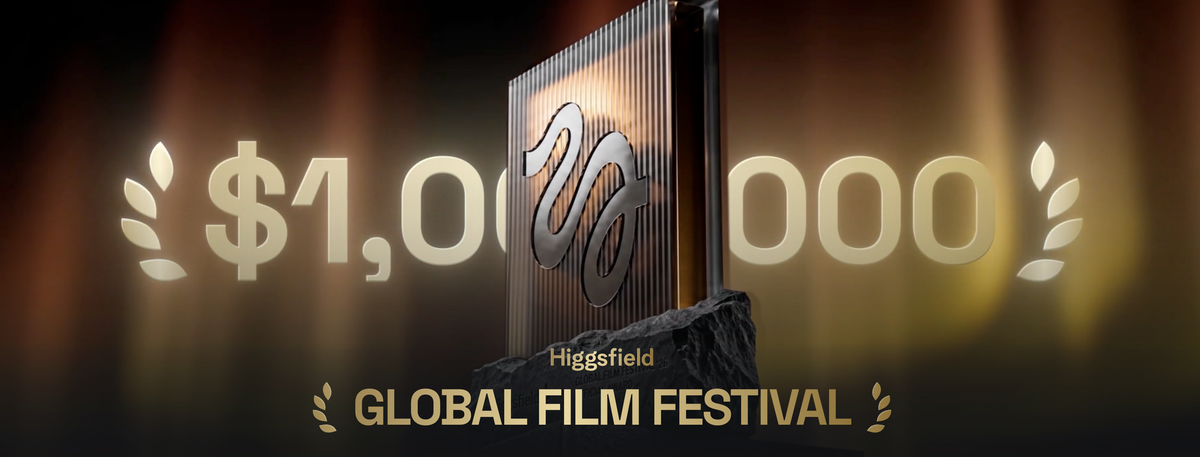
Higgsfield AI opened submissions for its Higgsfield Global Film Festival on August 10. The contest puts up $1,000,000 across 14 winners for AI-generated short films, judged by a jury that includes working Oscar winners rather than internal marketing staff.
Entrants can work solo or in teams of up to four, submitting any genre in a 3-to-5-minute format built inside Higgsfield's Cinema Studio. Submissions close September 3, with a shortlist expected September 24 and winners announced the first week of October.
Who's Judging, and What's on the Table
The $1,000,000 Higgsfield Global Film Festival is officially open for submissions.
— Higgsfield AI 🧩 (@higgsfield) August 10, 2026
Judged by an Oscar-winning jury.
Make a 3-5 min AI film in any genre, solo or with a team of up to 4.
Submissions close September 3.
Get unlimited Seedance 2.5 for up to 33 days and cover your… pic.twitter.com/QiSfL4p7m7
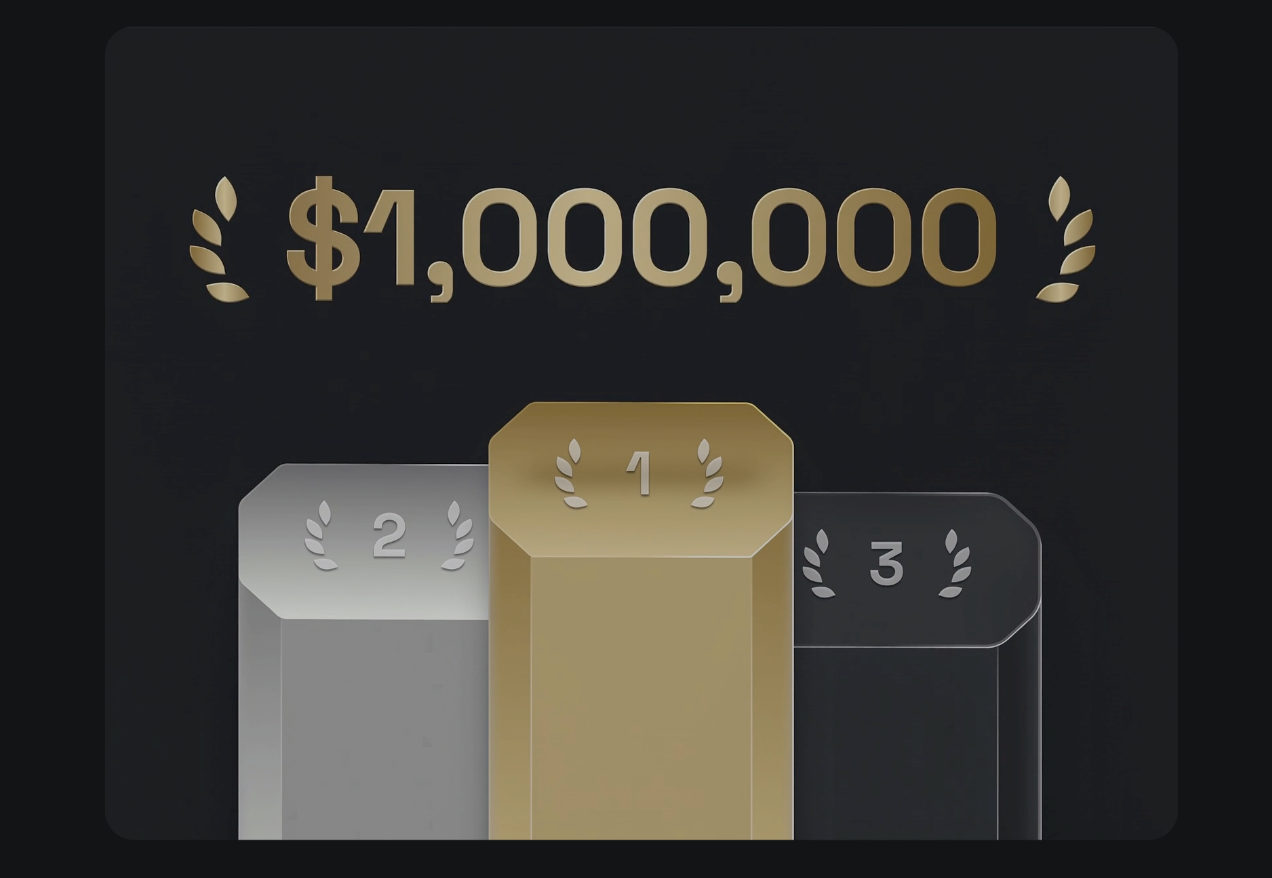
The prize pool splits into $500,000 for first place, $200,000 for second, $100,000 for third, a separate $100,000 audience choice award, and 10 honorable mentions at $10,000 each. That structure rewards a wide field rather than one grand-prize winner, and it changes the math on how a team might approach a submission. Landing in the top 14 is a very different bet than chasing the top spot outright. X
Edwin Catmull, five-time Oscar winner and former president of Pixar and Walt Disney Animation Studios, sits on the jury, alongside Phedon Papamichael, the two-time Oscar-nominated cinematographer behind Ford v Ferrari and The Trial of the Chicago 7.
That's a meaningfully different panel than the AI video industry has assembled before, and it's part of what's drawing attention beyond Higgsfield's usual audience.
Competitive Context
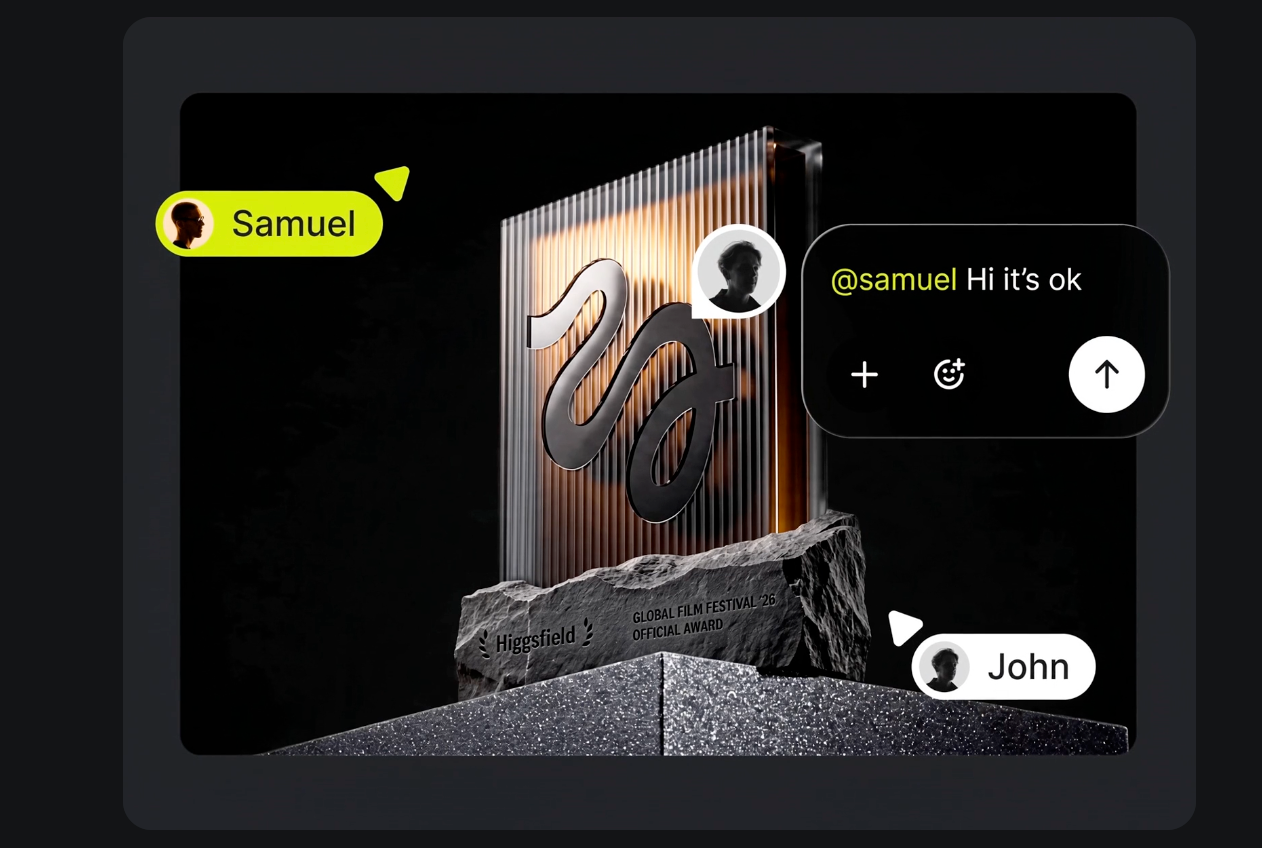
Higgsfield ran a smaller AI film contest earlier this year that closed as the largest AI film competition ever held by an independent generation platform, with 8,752 submissions from 139 countries competing for a $500,000 cash pool. This new festival roughly doubles that prize pool and adds a jury with real studio and craft credentials, a signal Higgsfield is treating the contest as a legitimacy play as much as a marketing one.
The Signal in the Noise
The open-source requirement is the part worth watching. Every submitted project becomes open for the whole community to study after the deadline, prompts and generation history included. That turns the contest into a teaching archive as much as a competition, letting anyone study exactly how the winning films were built, shot by shot and prompt by prompt. X
Combined with a jury of working Oscar winners rather than platform staff, Higgsfield is betting that credibility, not just cash, is what moves the AI filmmaking conversation forward.
Would a jury of industry veterans change how you'd approach an AI short, compared to entering a contest judged internally?