This Documentary Goes Inside the Kodak Factory Still Making 35mm Film
A new documentary goes inside Kodak's Rochester factory, the last large-scale color motion picture film manufacturer in the world. Here's what it reveals about film's real health as a format.

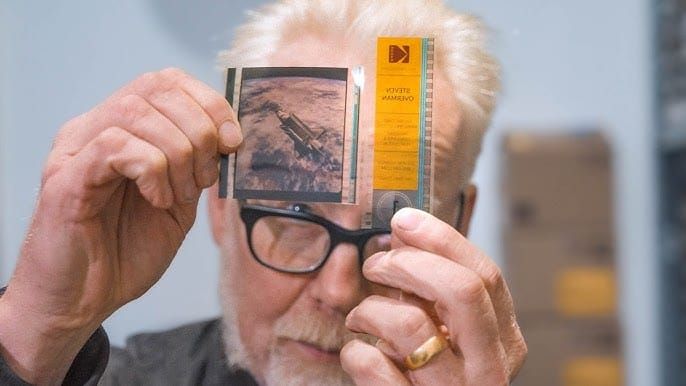
Kodak is the only company left manufacturing color motion picture film at scale, anywhere in the world. A new documentary from Team 2 Films went inside the company's Rochester, New York facility to actually show how that happens, and the answer is a genuinely massive industrial operation most filmmakers who shoot on film have never seen.
Inside the Pyramid
The film runs nearly an hour, and it earns that length. The crew brought five cameras to Kodak's Eastman Business Park, a sprawling campus of connected buildings linked by bridges, and walked the full manufacturing chain from raw material to finished roll.
Film base gets extruded in Building 317, using either polyester ESR or acetate. Chemical coatings, the light-sensitive silver halide layers that actually capture an image, get prepared separately in Buildings 30 and 38, before being applied via curtain coating on a production line the documentary describes as roughly a mile long. Finishing and perforation happen in Building 326, with parts of the process, unsurprisingly, conducted in total darkness, since exposed film stock can't tolerate light before it's processed.
The documentary calls this arrangement "the pyramid," and it's a genuinely rare thing to see filmed at all. Kodak doesn't typically open this level of access to outside crews, and Team 2 Films' interviews with plant engineers and Kodak executives give a level of manufacturing detail that hasn't had much of a public audience before.
Film Is Growing, According to Kodak's Own Numbers
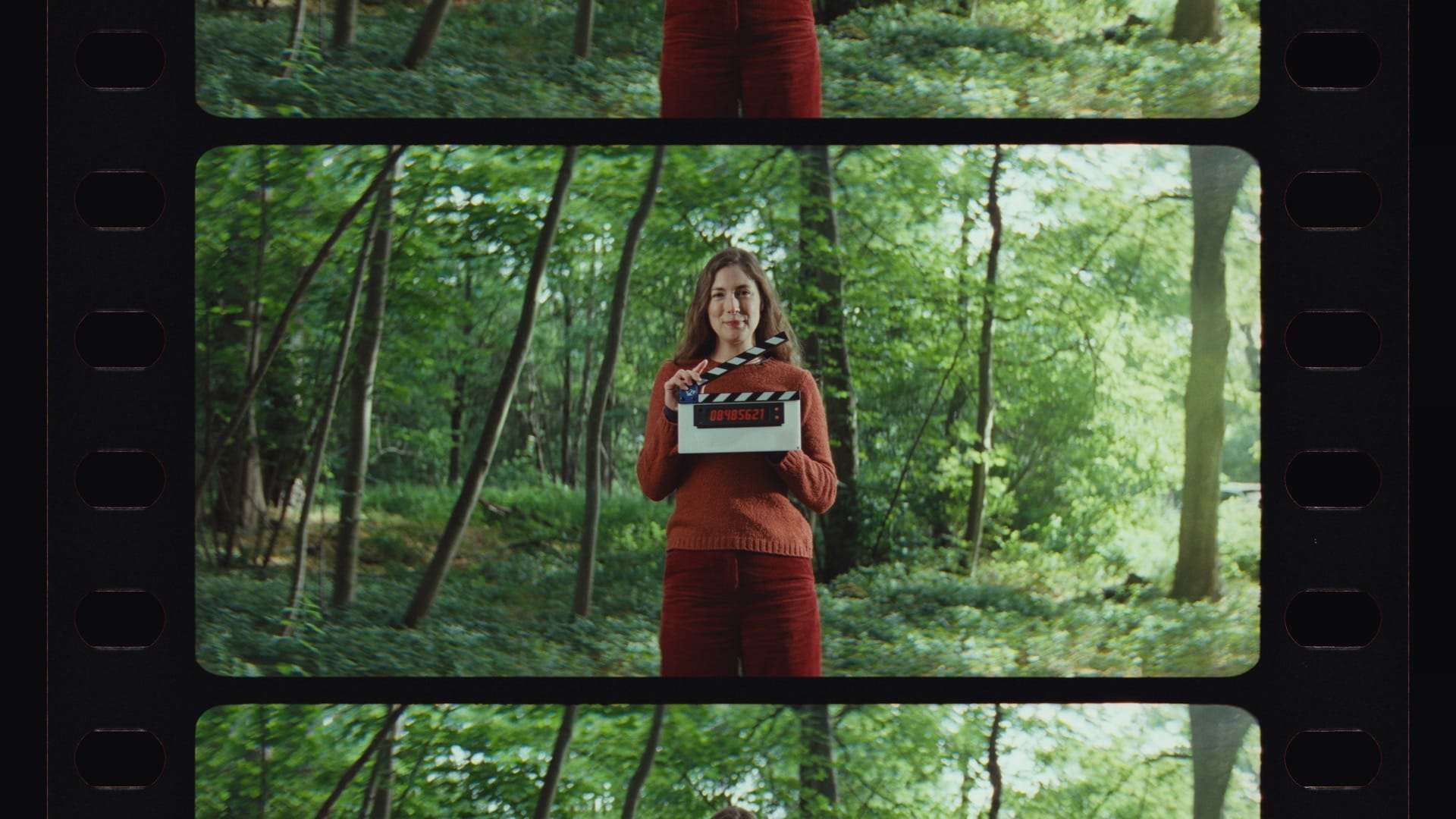
The film includes real business figures worth taking seriously. Kodak VP Vanessa Bendetti says motion picture film revenue has grown 36% over the past two years, and directly credits high-profile directors for that momentum: "When we have Christopher Nolan shooting entirely on IMAX... and Paul Thomas Anderson and Yorgos Lanthimos and Brady Corbet, that's a great thing for Kodak."
That's not just marketing framing. At the 2026 Academy Awards, three of the five Best Cinematography nominees and five of the ten Best Picture nominees were shot on film, a genuinely striking statistic for a format that's spent two decades being described as endangered.
Kodak Is Still Innovating, Not Just Surviving
Part of what makes this documentary useful rather than purely nostalgic is its coverage of active product development. Kodak has rolled out new stocks including Verita, and reformulated Vision 3 to include an Anti-Halation Undercoat (AHU), eliminating the need for RemJet, the carbon-black backing that previously required a separate washing step during development.
That's a real quality-of-life improvement for labs and filmmakers alike, one less processing step, less mess, and it signals Kodak treating film as an active product line worth engineering forward, not a legacy business on life support.
Worth Watching With a Clear Eye
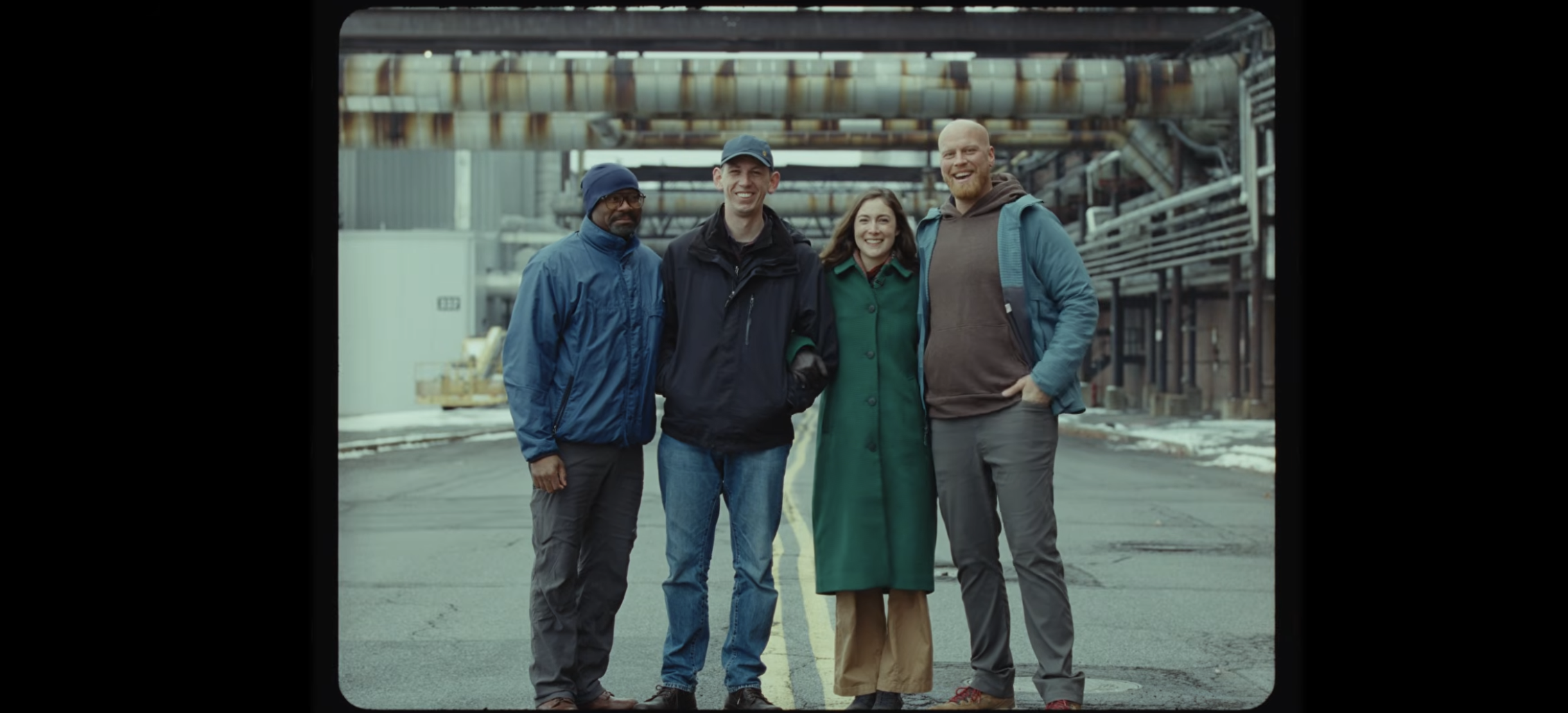
Team 2 Films is upfront about a real bias worth naming: the documentary was partly sponsored by iodyne (a data storage company) and DZOFilm (a lens manufacturer), disclosed directly in the video's description and addressed on-camera in a segment the crew titled "Bias?"
That doesn't undermine the reporting, but it's worth knowing going in, this isn't a fully independent journalistic investigation, it's a creator-funded deep dive with some commercial threads attached.
Competitive Context
The broader format conversation remains digital-dominant overall, with ARRI and RED holding the high-fidelity digital cinema market that most productions, especially mid-budget ones, actually use.
Film maintains its strongest foothold at the top of the industry, major auteur-driven features, and increasingly among younger filmmakers specifically drawn to the tactile, hands-on nature of an analog workflow. This documentary is really a portrait of that second group's supply chain, not evidence that film is displacing digital broadly.
The Signal in the Noise
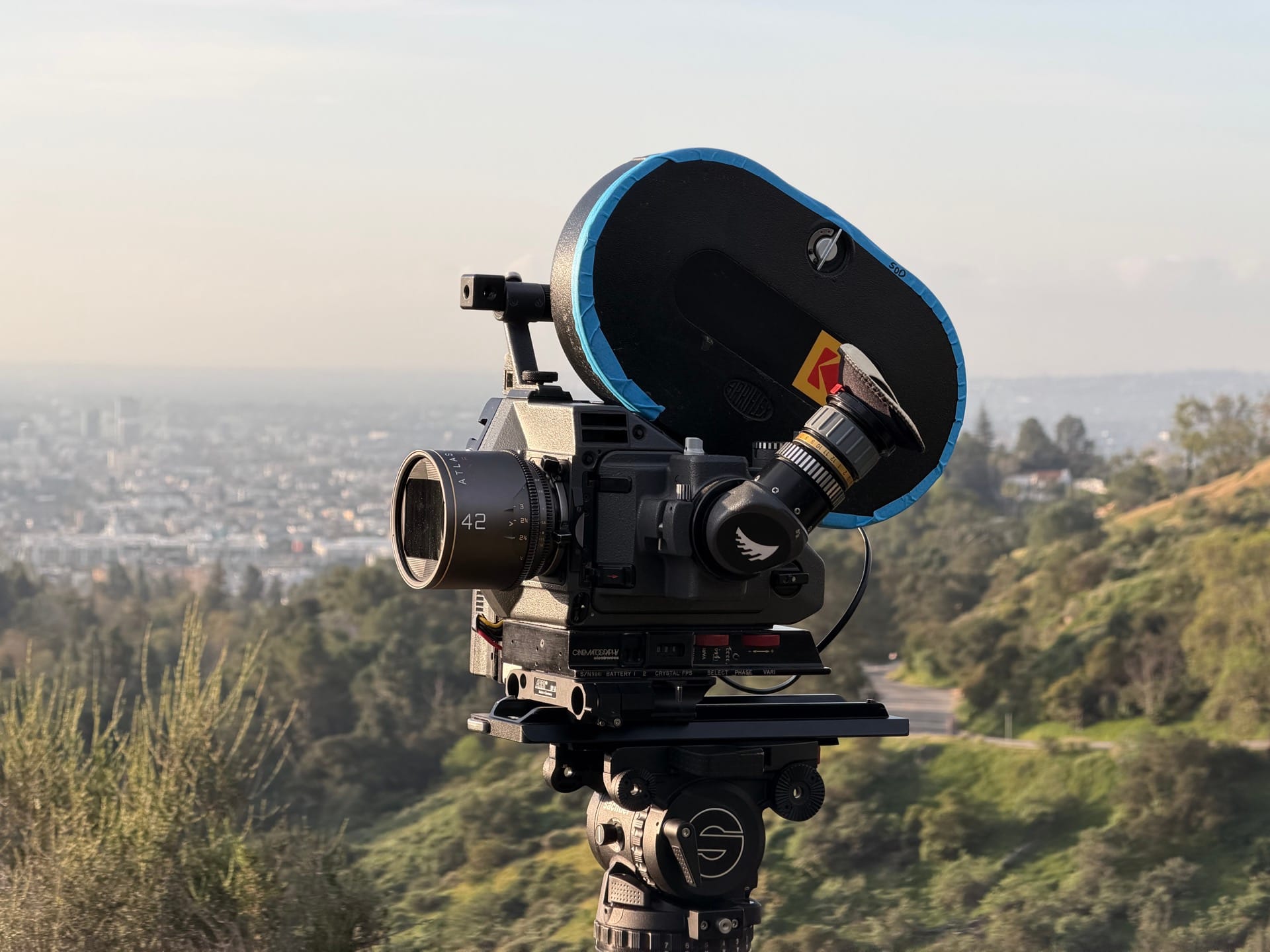
What this documentary does well is replace vague nostalgia about "the magic of film" with an actual look at the industrial rigor keeping it alive: a working factory, real engineers, real revenue growth, and real product development, not a company coasting on sentiment.
For anyone curious whether shooting on film is a viable creative choice or a dying novelty, watching how much active infrastructure and innovation is still going into keeping it a legitimate professional medium is worth the nearly hour-long watch.