Leica Finally Fixed Its Autofocus Problem — Mostly, According to Early Hands-On Reviews
Leica's new SL3-P brings a genuinely improved autofocus system — early hands-on reviews agree it's a real step forward, even if it's not quite Sony or Canon level yet. Here's what changed.

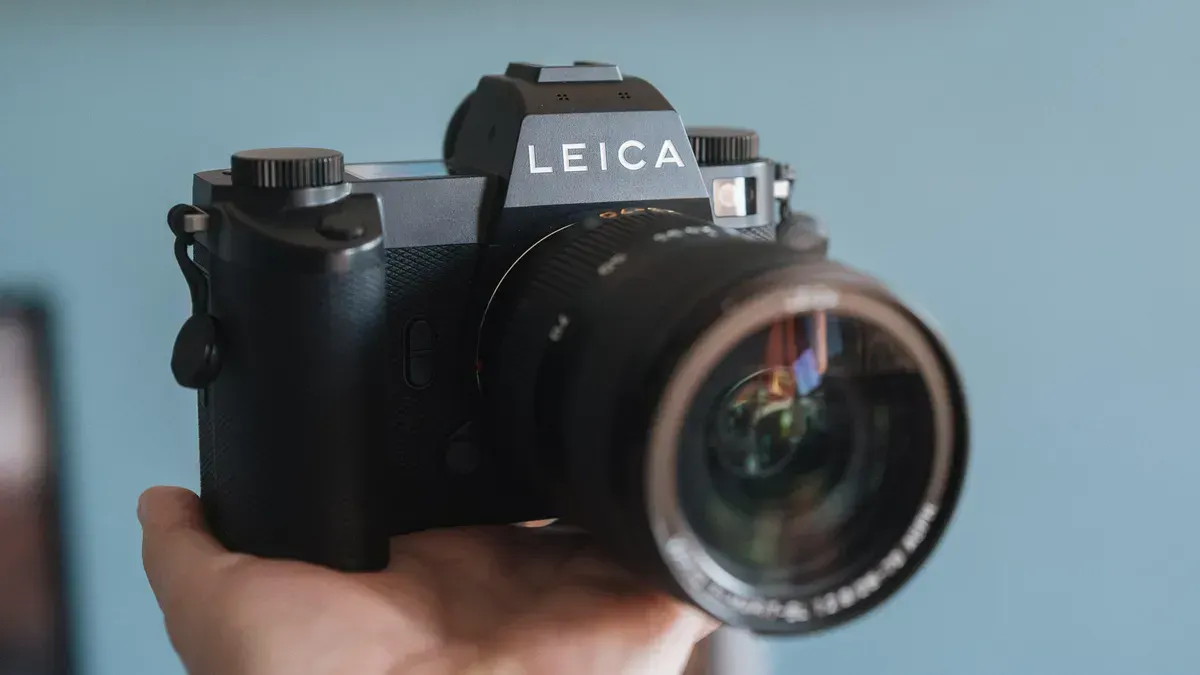
If there's one thing that's followed Leica's SL line around for years, it's autofocus complaints. The original SL3 left a lot to be desired tracking moving subjects, and Leica's reputation in video and action work has suffered for it. The new SL3-P is the company's most direct attempt yet to fix that — and based on early hands-on testing, it's actually working, even if it's not quite catching up to Sony or Canon.
What actually changed
The SL3-P's autofocus system combines 819 phase-detection points with contrast-detection and depth-mapping technologies, with smart subject recognition that can identify and track people, animals, and vehicles. Leica calls it the most advanced AF system it's ever built, and early reviewers are largely backing that up rather than just repeating the marketing line.
Fstoppers' hands-on test is the most pointed evidence here: reviewer Benj Haisch, who's been openly critical of Leica's autofocus in the past, ran the SL3-P through wedding-style shooting, backyard sports tests, and low-light dance floor work — and came away saying this changed his view of the camera entirely.
He found hit rates on moving subjects, including a sprinting kid in a backyard, more than acceptable, and said he'd be comfortable shooting a full wedding with it. PetaPixel's test at the Nürburgring 24-hour race, tracking actual race cars at speed, reached a similar conclusion: the autofocus is a massive improvement over the SL3, even if it occasionally lost lock on a moving target.
The honest caveat: it's progress, not parity
Here's where it's worth being straight rather than just running with the win. PetaPixel's own verdict draws a clear line: "Is it as good as Sony and Canon? No. But Leica has made a big step here." That's the right way to read this — a real, meaningful leap for Leica specifically, not a claim that the SL3-P now leads the category outright.
Burst shooting tells a similar story. The SL3-P can hit 40fps in 12-bit, dropping to 25fps with full 14-bit electronic shutter, and 7fps with the mechanical shutter — solid numbers, but slower on the mechanical side than the Panasonic Lumix S1R II's 10fps, the camera the SL3-P shares its core sensor and processor with.
Why the sensor-sharing matters here
That Panasonic connection is unavoidable in every review of this camera, and it's relevant context for the autofocus story too. The SL3-P's 44MP BSI sensor and Maestro IV processor are shared with the Lumix S1R II, which costs roughly half as much. CineD's review put the tension bluntly, questioning whether the SL3-P is just a dressed-up Lumix given how closely the spec sheets and even autofocus testing results line up between the two cameras.
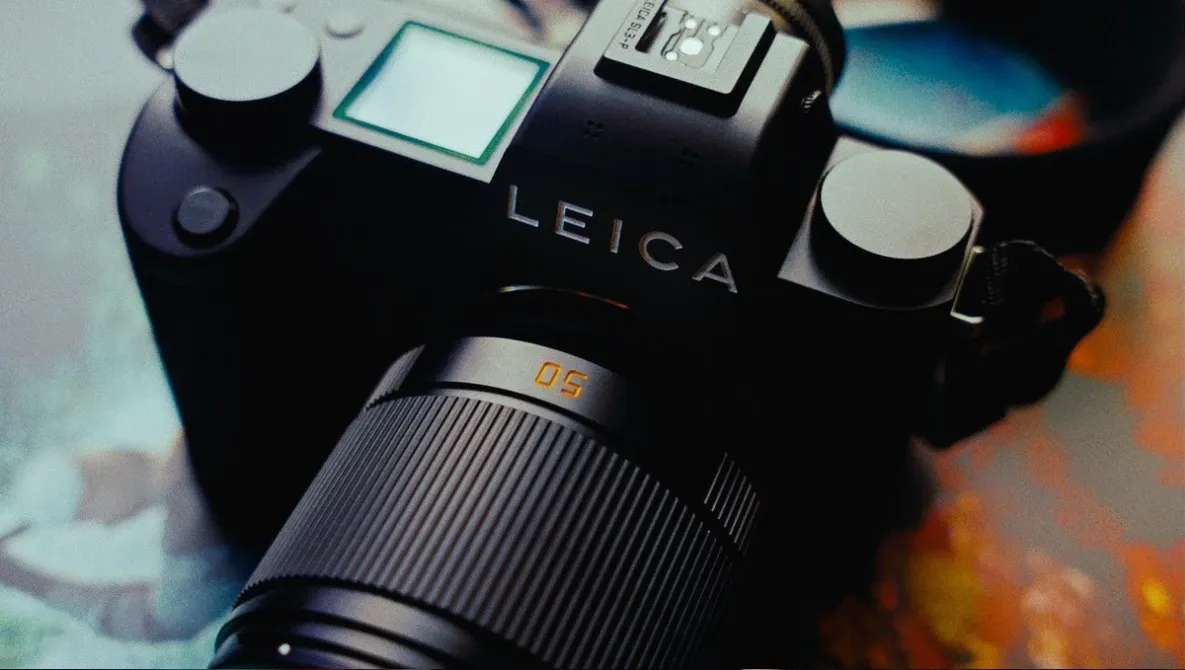
What seems to separate them, per multiple reviewers, isn't raw AF performance but everything wrapped around it: Leica's color science, a deliberately minimalist UI and body design (no red dot logo, four labeled buttons, heavy reliance on customizable touch controls), and video-specific tools like a dedicated Cinema Mode that lets you work in T-stops and shutter angles instead of f-stops and shutter speeds — a detail that signals Leica actually built this with working video shooters in mind, not just as an afterthought.
Where this leaves things for filmmakers specifically
If autofocus reliability has been the dealbreaker keeping you off Leica's SL line, the SL3-P is the first real argument that's changed. It's not going to out-track a Sony a9 III or a Canon R5 II, and reviewers are consistent on that point. But combined with Open Gate 8K, internal ProRes, HDMI RAW output, and a Cinema Mode built around how working video shooters actually think about exposure, this is the most complete video-and-AF package Leica has shipped in the SL line to date. Whether that's worth roughly double the price of the Panasonic it shares hardware with is a separate question — and one that depends entirely on how much Leica's color science and handling philosophy matter to you personally.
Key Specs:
- Sensor: 44MP full-frame BSI CMOS (shared with Panasonic Lumix S1R II), Maestro IV processor
- Autofocus: 819 phase-detection points + contrast-detection + depth mapping, subject recognition (people/animals/vehicles)
- Burst shooting: Up to 40fps (12-bit), 25fps (14-bit electronic), 7fps (mechanical)
- Open Gate: Up to 8.1K, 3:2, 30p
- Max video resolution: 8K at 30fps (full sensor)
- Internal codec: Apple ProRes up to 5.8K
- Cinema Mode: T-stops and shutter angles
- Build: Magnesium/aluminum, IP54 weather sealing
- Price: $6,690 (body only)