Light Lens Lab Enters Apochromatic Territory With a Lens Built to Rival Leica's Flagship
Light Lens Lab's new 35mm f/2 is its first fully original lens design, aimed at Leica's $8,195 APO-Summicron for around a quarter of the price. Here's what's confirmed so far.

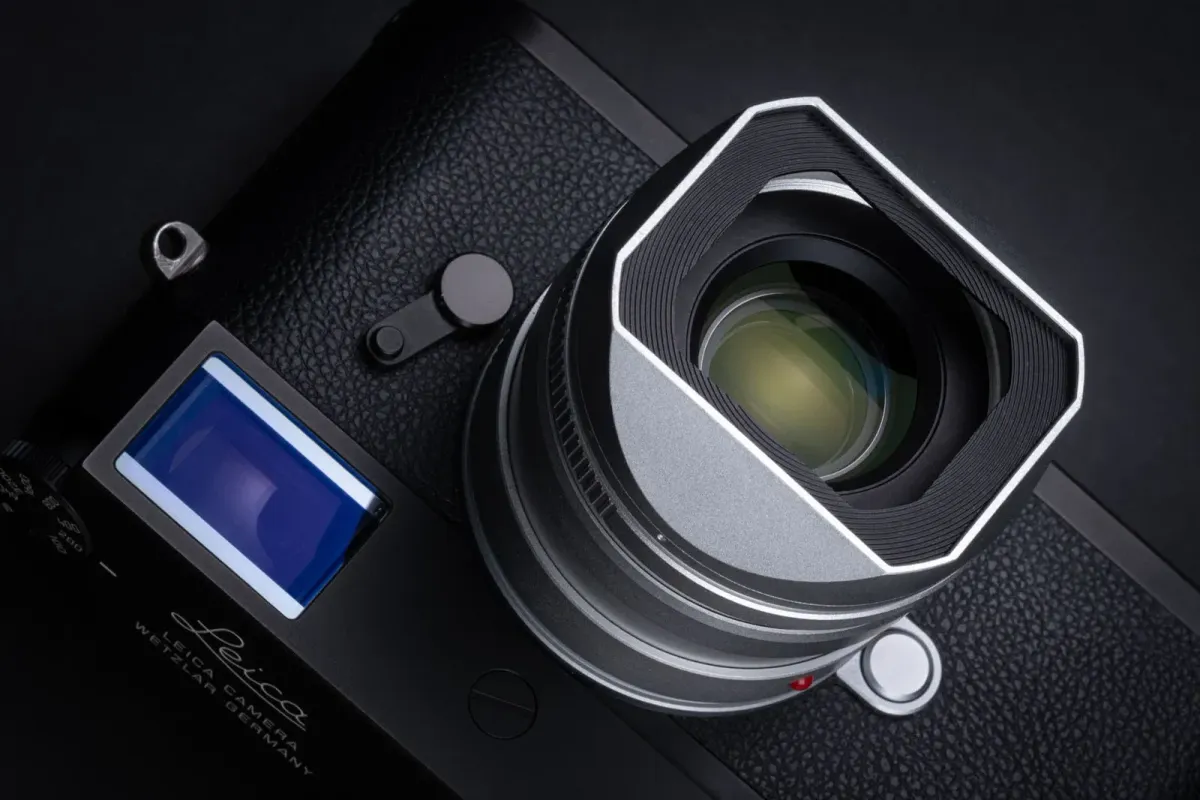
Light Lens Lab has built its reputation recreating and reimagining classic lens designs for Leica M-mount. The company's new 35mm f/2 "Apochromatic" is something different: its first fully original, ground-up optical design, and the opening entry in a new "High Performance Series" the company says will guide future focal lengths.
What Makes This Release Different
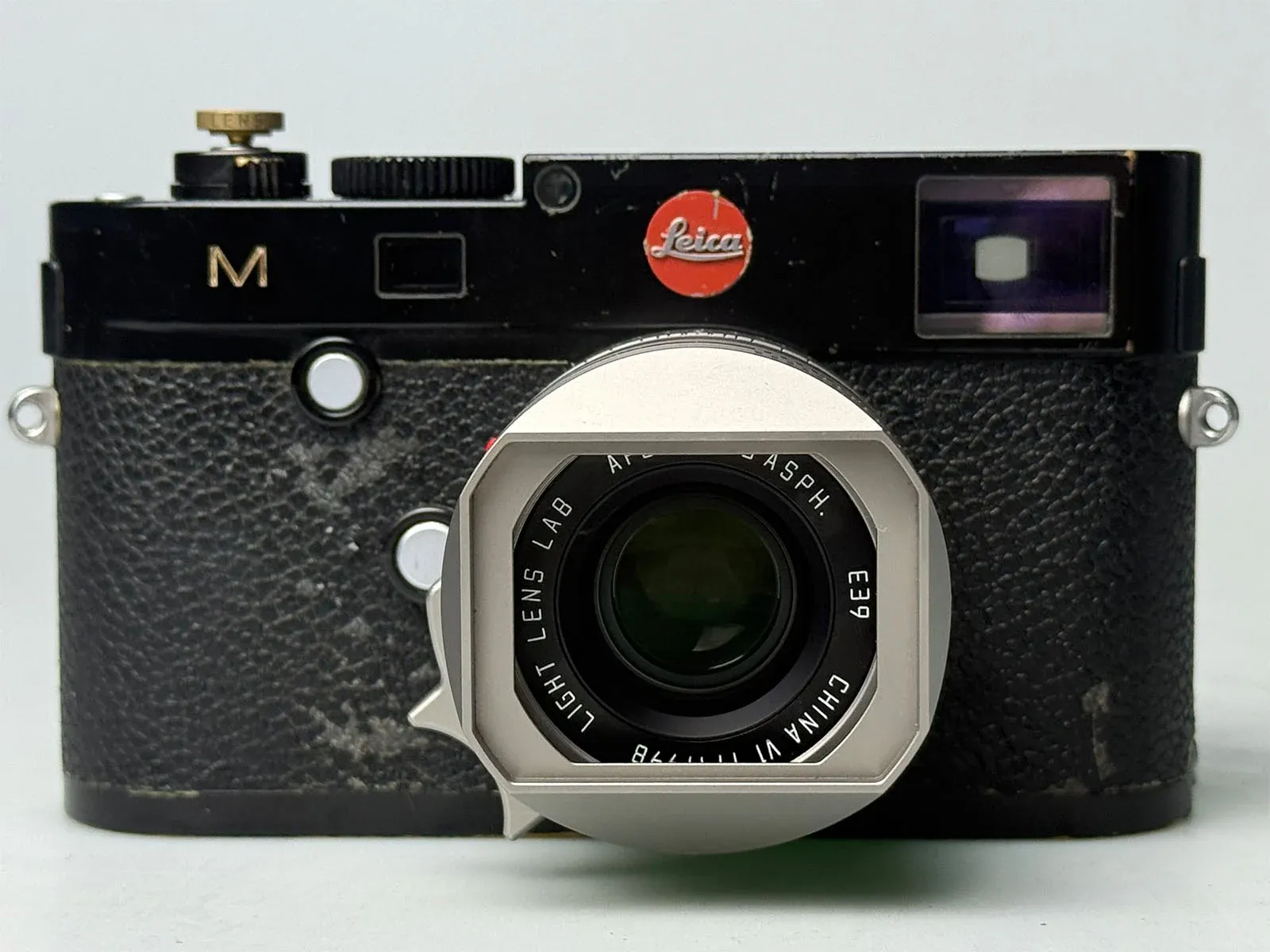
Light Lens Lab describes the 35mm f/2 as "an independently developed optical design combining advanced chromatic-aberration correction, high-precision optical manufacturing, and compact mechanical construction." That framing matters: this isn't a reworked vintage formula, it's a genuinely new optical design built specifically to chase apochromatic correction, where red, green, and blue light converge at nearly the same focus point, sharply reducing the color fringing that shows up on high-contrast edges like branches against a bright sky or fine architectural detail.
The lens comprises 11 elements across six groups, including four aspherical elements, with multiple ultra-low-dispersion and anomalous partial-dispersion glass elements handling the chromatic correction. A new multilayer coating is built specifically to suppress color and purple fringing under backlit and other difficult lighting conditions, and the design uses a floating lens element system to maintain optical performance at close focus, down to 0.3 meters (0.98 feet), matching Leica's own APO-Summicron close-focus distance.
The Direct Comparison Point
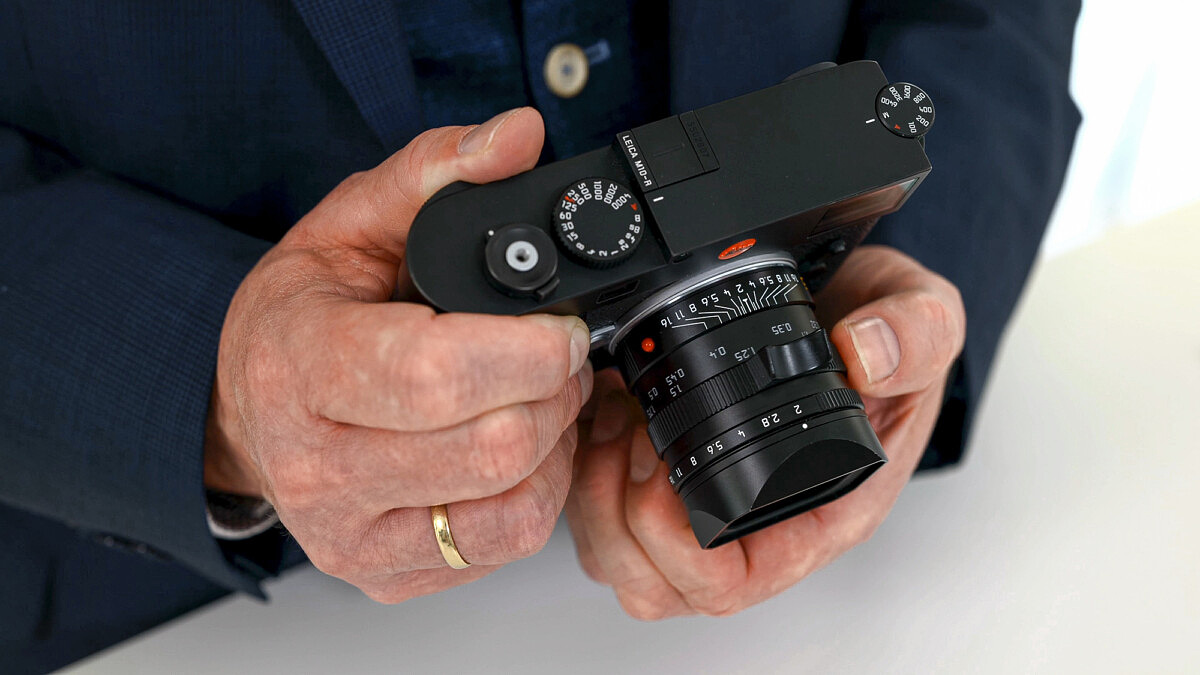
Light Lens Lab's new lens invites an obvious comparison: Leica's own APO-Summicron-M 35mm f/2 ASPH, widely regarded as one of the sharpest 35mm rangefinder lenses ever made, and the lens Light Lens Lab appears to be using as its performance target. Both lenses share the same maximum aperture, the same apochromatic correction approach with aspherical elements, and the same 0.3-meter close-focus distance.
The gap that actually separates them is price. Leica's APO-Summicron launched at $8,195. Light Lens Lab's new 35mm f/2 is expected to start around $2,000–2,300, roughly a quarter of the cost, for a lens built around the same core optical goals.
Availability
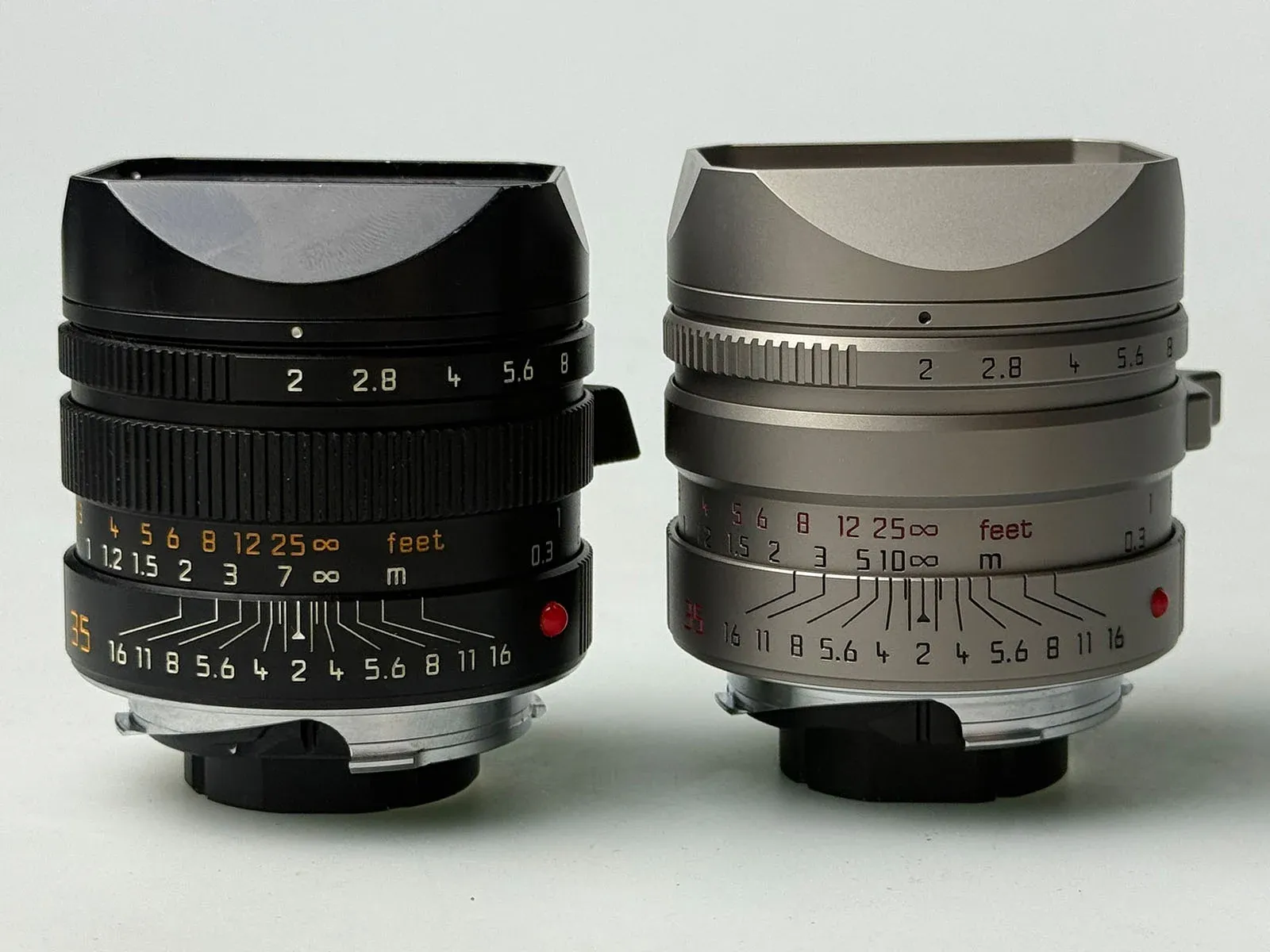
The lens is already in production, with a working prototype currently being field-tested by photographers. Pre-orders open August 10, 2026, with three finish options including a Titanium Gray Limited Edition. Shipping is expected between September and November 2026, though Light Lens Lab has flagged that timeline is subject to change given the difficulty of manufacturing apochromatic optics at this level of precision.
Worth Keeping in Mind
Every figure here should be treated as preliminary until an official spec sheet and independent reviews land. Light Lens Lab hasn't shipped a unit yet, and optical performance claims from any manufacturer, especially a company entering fully original design for the first time, are worth verifying against real-world testing rather than taking at face value.
The company's prior lenses have generally reviewed well, but this is genuinely new territory for them, an original apochromatic design rather than a refined recreation of an existing formula.
Competitive Context

The broader third-party Leica M-mount market has grown considerably in recent years, with companies like Light Lens Lab, 7Artisans, and TTArtisan offering meaningfully cheaper alternatives to Leica's own glass.
Most of that competition has focused on character and vintage rendering rather than outright optical precision. An original apochromatic design aimed directly at matching Leica's own flagship performance, rather than offering a different aesthetic at a lower price, is a more ambitious claim than most third-party M-mount lenses attempt.
The Signal in the Noise
The price gap alone makes this worth watching, a lens targeting APO-Summicron-level performance at roughly a quarter of the cost would be a genuinely significant value proposition if the real-world results hold up. But "if" is doing real work in that sentence.
Apochromatic correction at this level is difficult to manufacture consistently, which is part of why Leica's own version costs what it does, and a first attempt at fully original optical design is a different challenge than refining an established formula. Worth waiting for hands-on reviews once units actually ship before treating this as a settled Leica alternative.
Specs & Pricing
- Optical design: 11 elements, 6 groups, 4 aspherical elements
- Mount: Leica M-mount, manual focus, quick-change bayonet
- Close focus: 0.3m (0.98 ft)
- Aperture: 11-bladed
- Finishes: 3 options including Titanium Gray Limited Edition
- Expected price: ~$2,000–2,300
- Pre-orders: begin August 10, 2026
- Shipping: September–November 2026 (subject to change)
- Comparison point: Leica APO-Summicron-M 35mm f/2 ASPH, launched at $8,195