You Can Try Accelerated MiniMax H3 for Free Right Now, No Install Needed
LightX2V's free public Studio lets anyone try accelerated MiniMax H3 generation with no local setup required.


ModelTC's LightX2V project built comprehensive inference support for MiniMax H3, including 4-step and 8-step Turbo LoRAs, and runs a free public Studio where anyone can generate accelerated H3 video and audio without installing anything locally. Of the H3 speed projects BRC has covered, this is the one with the lowest barrier to actually trying it.
What LightX2V Actually Built
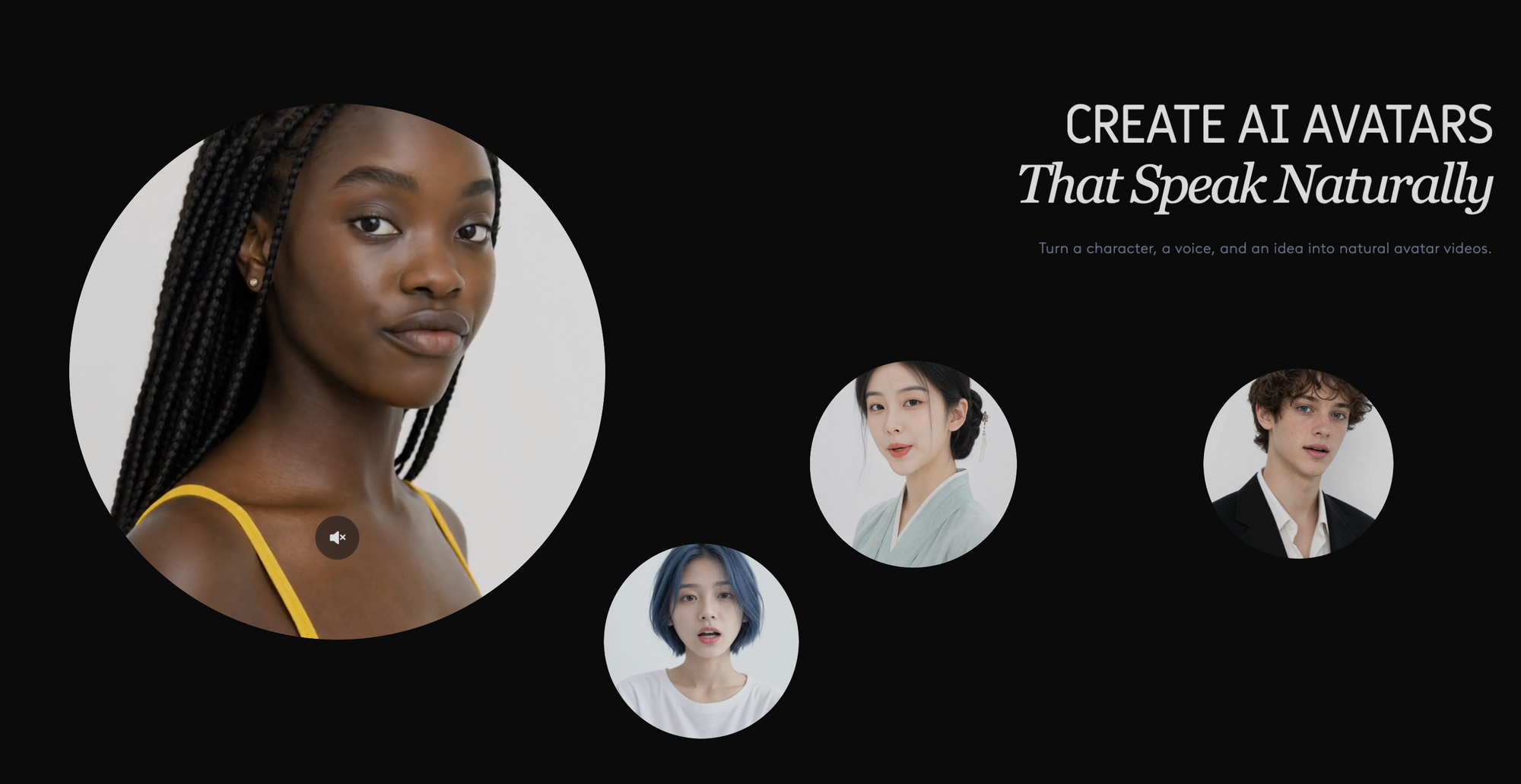
LightX2V describes itself as a lightweight inference framework for image, video, and action generation, and its MiniMax H3 support covers five distinct workflow types: text-to-audio-video, image-to-audio-video, last-frame-to-audio-video, first/last-frame-to-audio-video, and reference-conditioned audio-video.
The integration includes model- and block-level offloading, tensor and sequence parallelism, quantized inference, and feature caching, the kind of infrastructure work that determines whether a fast model actually runs well on real, varied hardware rather than just a benchmark rig.
The Turbo LoRAs themselves have iterated quickly since release. An initial 4-step preview shipped August 7, focused specifically on first/last-frame generation quality. A full v1.0 update followed August 11, adding an 8-step checkpoint with improved video and audio quality alongside a higher-resolution 768p 4-step variant.
A more recent SLA (Sparse-Linear Attention) variant combines 4-step distillation with 85% attention sparsity, delivering roughly 2.5x acceleration on an RTX 5090 specifically, a real consumer GPU rather than data center hardware.
Try It Without Installing Anything
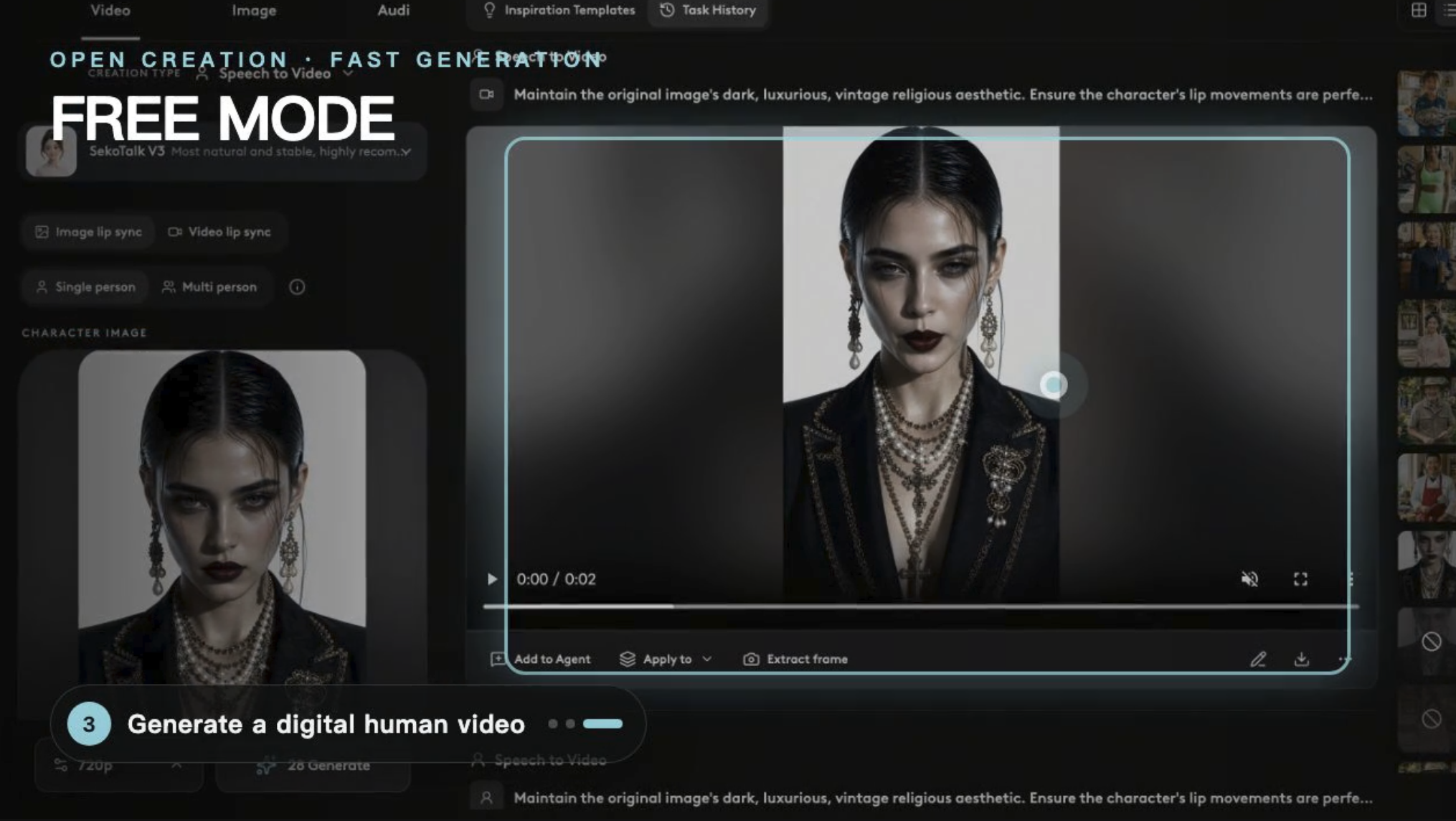
LightX2V runs a free online Studio at x2v.light-ai.top, currently deployed with the FL2VA Turbo 8-step v1.0 768p LoRA, along with a documented API for developers who want to integrate it into their own applications rather than running it locally. That's a genuinely lower barrier to entry than most of the H3 acceleration projects BRC has covered, which generally require local GPU hardware and real setup work before you can evaluate the results yourself.
A Real, Active Community Debate
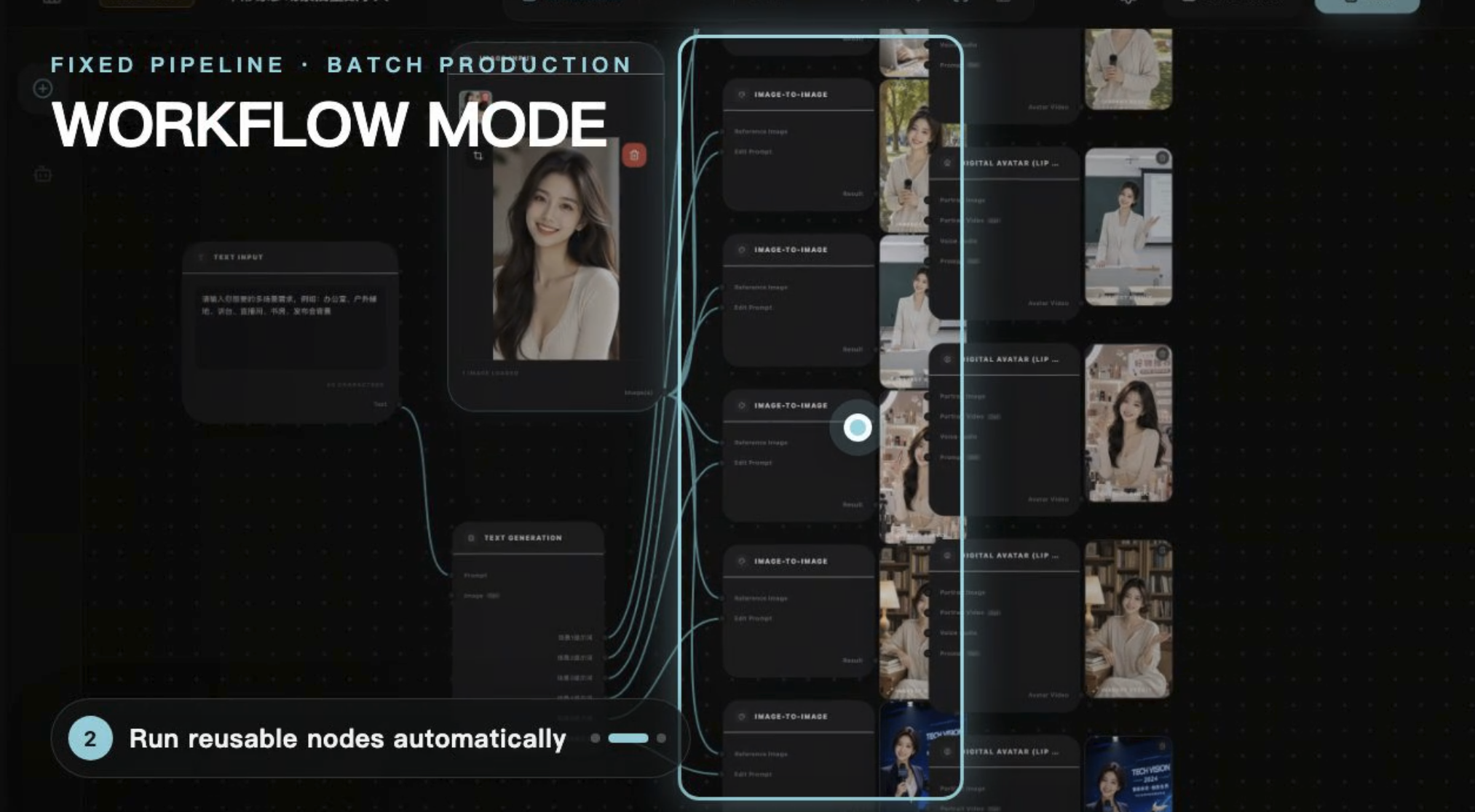
Because LightX2V's LoRAs have been public and iterating for over a month, a genuine community conversation has formed around comparing them against alternatives.
One independent creator's detailed testing found a competing LoRA (built by a developer known as Larryvrh) held sharper detail at fewer steps in their side-by-side comparisons, while LightX2V's own version produced better audio quality at the same step count, a real, specific tradeoff rather than one option simply beating the other outright.
That kind of active, ongoing comparison testing is itself a signal of health in an open ecosystem, multiple people running real side-by-side tests and sharing specific, actionable findings rather than everyone just repeating the same official benchmark numbers.
Competitive Context
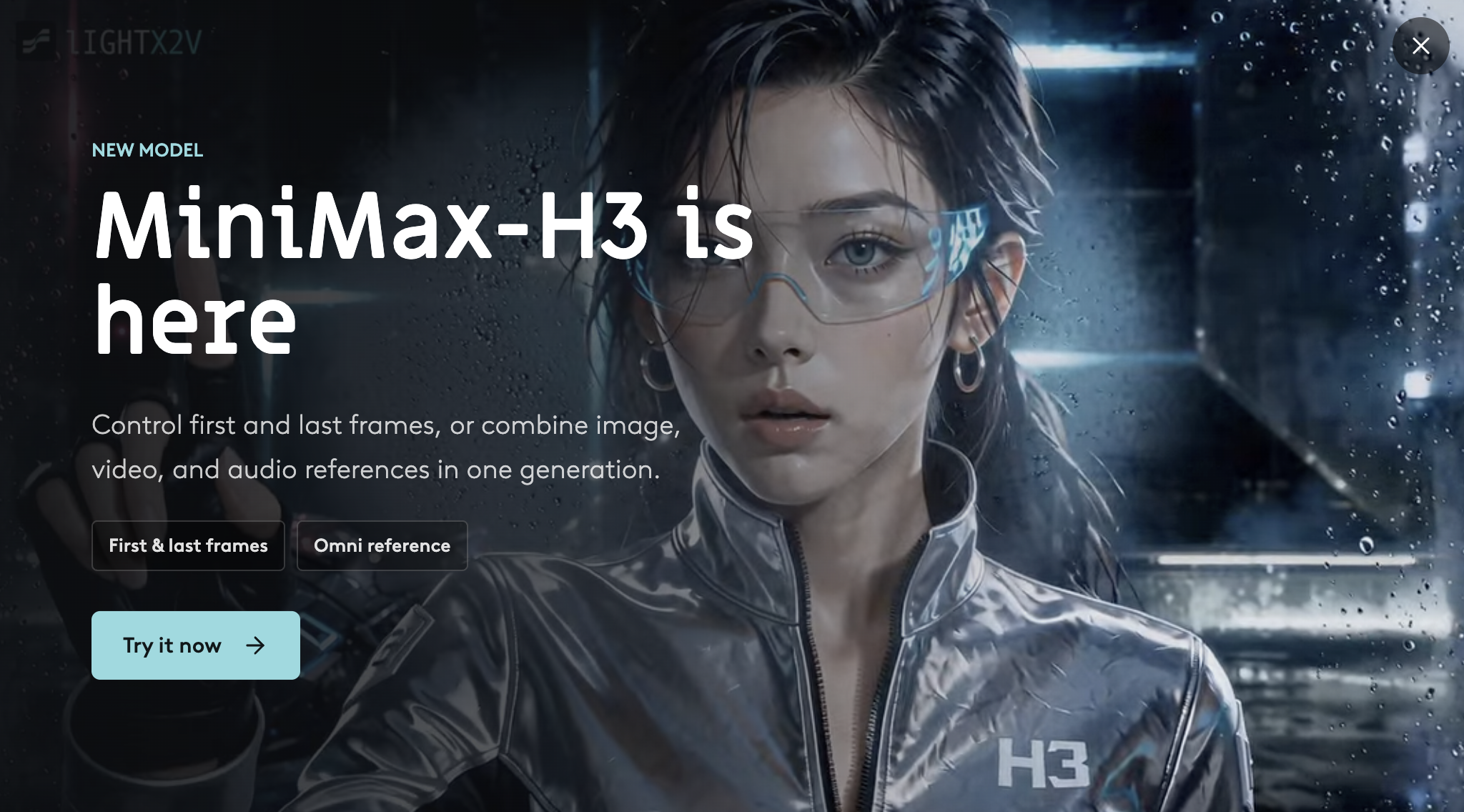
LightX2V is the fourth genuinely distinct approach to MiniMax H3 acceleration covered here, alongside FastH3's distillation-plus-sparsity combination, VDN's hybrid-attention architecture rebuild, and Alibaba's official PDD method.
What sets it apart isn't a single standout technical claim, it's breadth: multiple workflow types supported, multiple LoRA variants at different step counts, a public hosted demo, and real ongoing community iteration, all under active, continuing development rather than a single release-and-done project.
The Signal in the Noise
For anyone curious about what accelerated MiniMax H3 generation actually looks and sounds like without committing to local GPU setup, this is the most accessible entry point of everything covered in this whole series.
The tradeoff for that accessibility is the usual one with hosted demos: you're testing whatever configuration is currently deployed, not necessarily every variant available, and serious production use still benefits from running your own local setup with the specific checkpoint tuned to your actual needs.
Would trying a free hosted demo change how seriously you'd consider building a project around MiniMax H3, versus committing to local setup first?
The Details
- Project: LightX2V, by ModelTC, comprehensive MiniMax H3 inference support
- Supported workflows: T2AV, I2AV, L2AV, FL2AV, Ref2AV
- Turbo LoRA releases: 4-step preview (Aug 7), v1.0 with 8-step and 4-step 768p variants (Aug 11), SLA sparse-attention variant (~2.5x speedup on RTX 5090)
- Free hosted access: Studio at x2v.light-ai.top, currently running FL2VA Turbo 8-step v1.0 768p
- Developer access: documented API for application integration
- Community status: actively iterating, with real independent testing comparing LightX2V's LoRAs against competing community variants