Markiplier Invests in Strada, Backing an Alternative to Cloud Storage
Markiplier invested in Strada, a cloud-free remote editing platform, continuing a pattern of backing accessible production infrastructure.

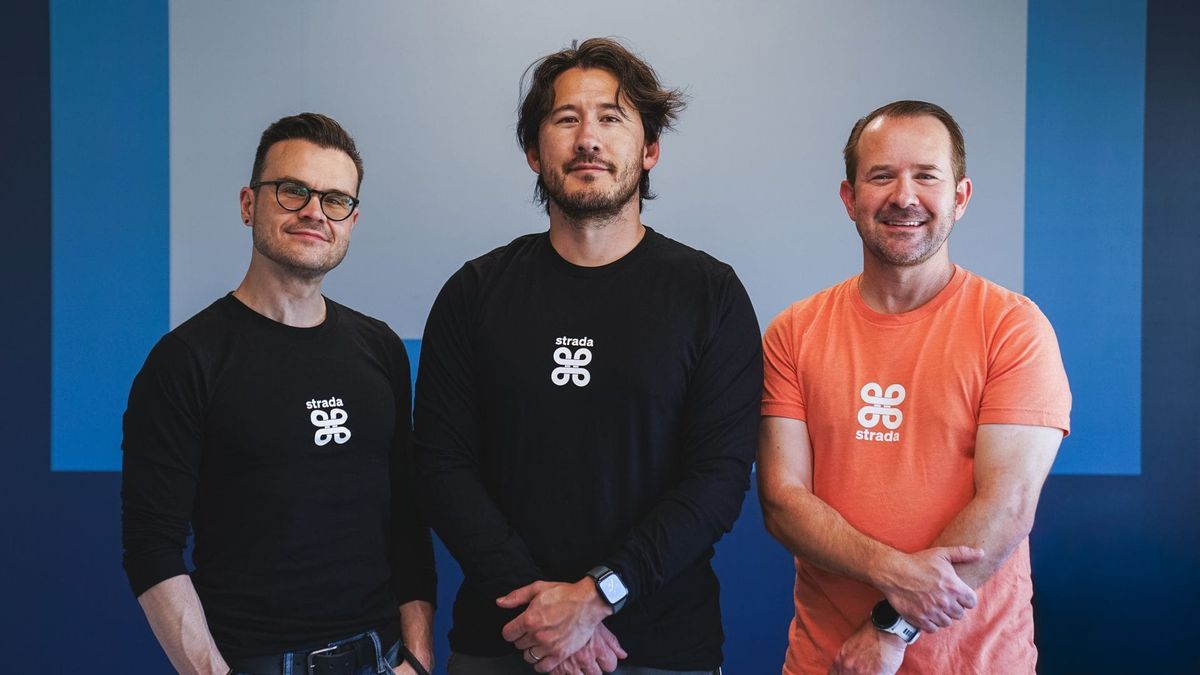
Strada secured a strategic investment from Mark Fischbach, the content creator and filmmaker known as Markiplier, for its peer-to-peer remote video editing and collaboration platform. It's the second filmmaking-infrastructure investment Fischbach has made in recent weeks, following his 8.5% stake in GoPro, and it follows the same stated logic: making professional production tools more accessible to independent creators.
What Strada Actually Does
Founded in 2023 by brothers Michael and Peter Cioni, Strada targets a specific, longstanding problem for video production teams: giving remote editors and collaborators access to large media files without uploading everything to centralized cloud storage first. The company's patented, distributed peer-to-peer architecture converts a customer's existing local storage into a private network accessible by authorized users elsewhere, letting teams access, share, edit, and review footage stored on local drives while working remotely, without the upload wait times or recurring storage subscriptions cloud-based workflows typically require.
Michael Cioni previously served as SVP of Innovation at Frame.io; Peter Cioni previously worked in resource planning at Netflix. That's a real credibility signal in this specific space, both founders came from companies built around exactly the media-workflow problems Strada is trying to solve differently.
The platform has already been downloaded more than 12,000 times globally, with customers ranging from independent creators to Fortune 500 media teams, and won Cine Gear 2025's Best of Show award for software implementation. OWC invested in Strada back in late 2025, giving the company real backing from storage and media hardware specialists before this latest round.
What Fischbach's Investment Actually Funds
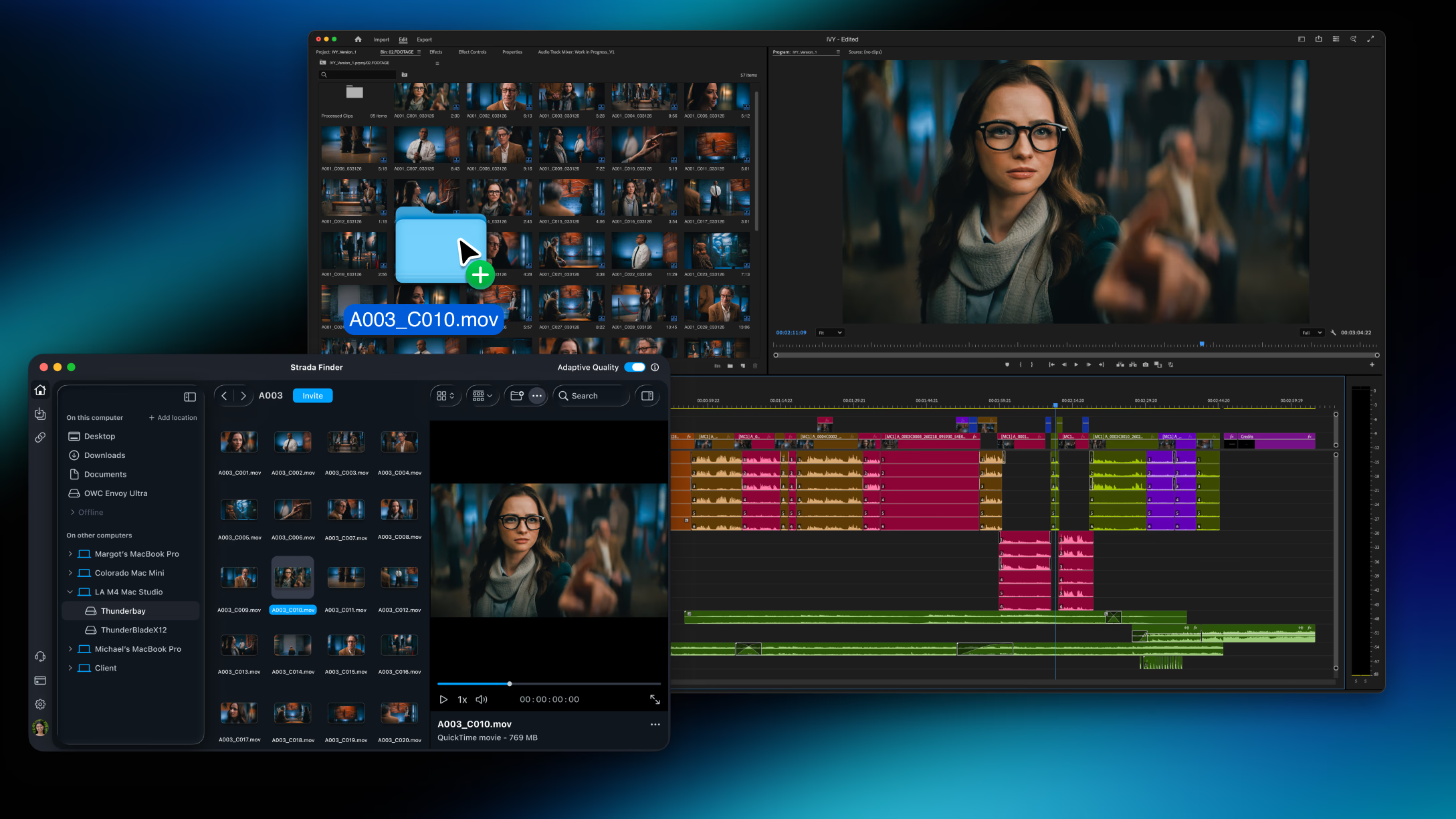
Financial terms weren't disclosed. The capital is earmarked for new review and approval tools, remote drive synchronization, and expanded mobile capabilities, alongside a marketing partnership with Fischbach himself. Strada plans to exhibit at IBC in Amsterdam, September 11-14, as part of a broader push for adoption among professional video and media teams.
Fischbach's own framing centers on a problem he's dealt with directly: "My local storage capacity has increased over time but remained difficult to use efficiently with editors working remotely. Strada bridges that gap and does it in a way that makes working together easier than ever."
Why Fischbach's Backing Actually Means Something Here
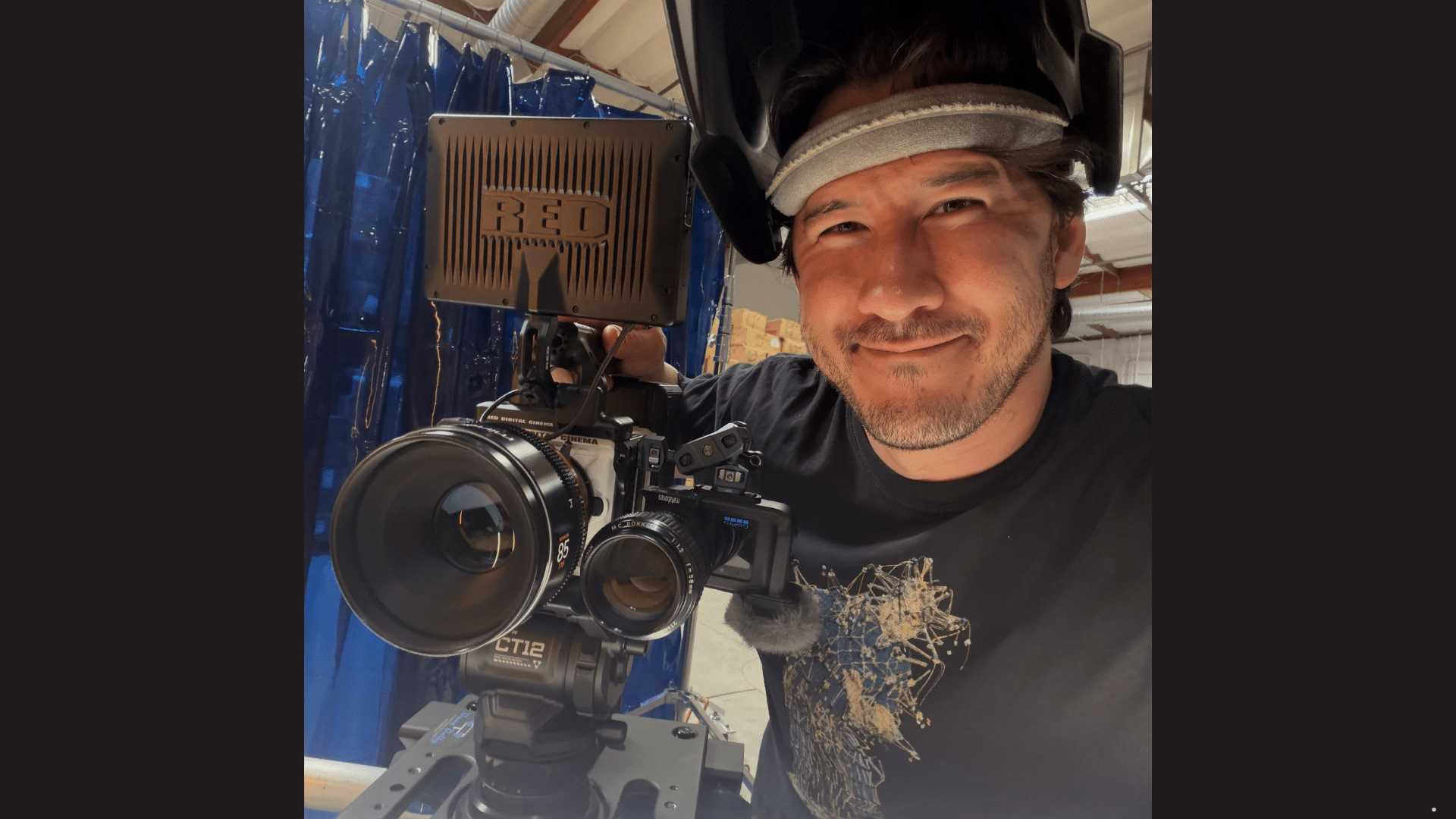
This isn't a celebrity investor lending a name to something unrelated to his work. Fischbach self-financed and self-distributed his 2026 horror film Iron Lung, which reportedly earned around $51 million at the box office on a $3 million budget, and much of the behind-the-scenes production material was shot on GoPro cameras.
Managing a distributed production and post-production workflow on an independent budget is exactly the problem Strada is built around, giving this investment a genuine operational logic rather than reading as pure brand endorsement.
Competitive Context
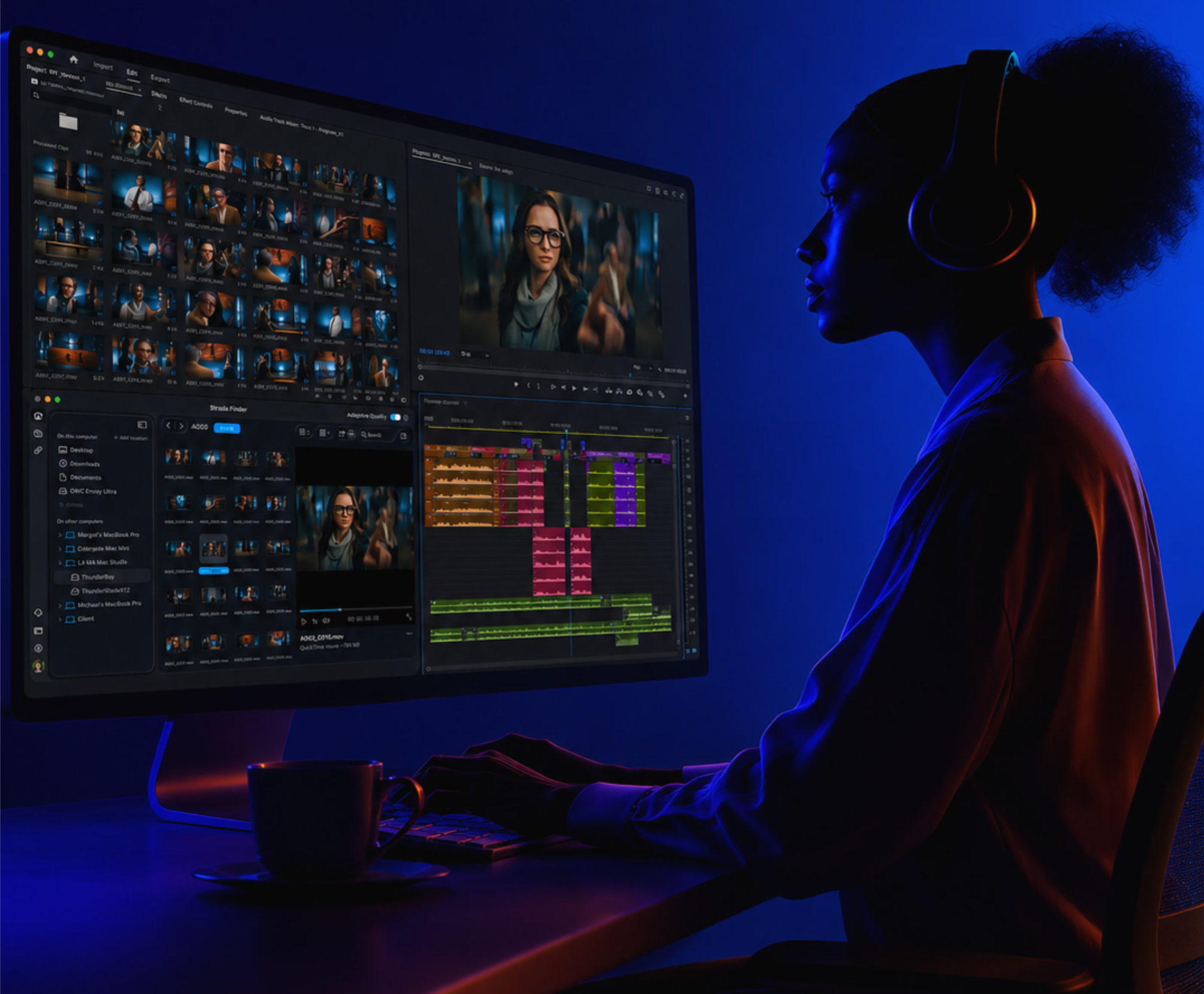
Strada's own product history reflects a real pivot in this space. The platform's 2024 beta focused on AI-powered cloud workflow tools, transcription, tagging, automated search. After user feedback, the company reoriented specifically toward the problem customers kept flagging: the cost and friction of cloud media access itself, not a lack of AI features.
That shift produced Strada Connect and its current peer-to-peer positioning, putting it in more direct competition with other remote-access platforms addressing the same underlying cost problem as cloud storage prices keep climbing industry-wide.
The Signal in the Noise
Fischbach's pattern across GoPro and Strada is consistent: backing infrastructure and hardware that lowers the practical cost of making a real production, not chasing platforms built around AI generation or flashy new capabilities.
For independent filmmakers managing their own distributed teams on limited budgets, the appeal of a tool that eliminates upload wait times and monthly storage fees is straightforward and immediate, less about new creative possibility, more about removing a genuine operational tax on getting work done.
Does a creator's own hands-on production experience change how much weight you'd give an investment like this, compared to a purely financial backer with no direct stake in the workflow problem itself?
The Details
- Investment: undisclosed terms, from Mark Fischbach (Markiplier) into Strada
- Strada: founded 2023 by Michael and Peter Cioni, Los Angeles-based, patented peer-to-peer remote editing architecture
- Prior investors: OWC (late 2025)
- Scale: 12,000+ downloads globally, customers from independent creators to Fortune 500 media teams
- Recognition: Cine Gear 2025 Best of Show, software implementation
- New capital funds: review/approval tools, remote drive synchronization, expanded mobile capabilities, marketing partnership
- Upcoming: exhibiting at IBC, Amsterdam, September 11-14, 2026
- Context: Fischbach's second recent filmmaking-infrastructure investment, following his 8.5% GoPro stake