Puget Systems Adds Unreal Engine to Its Real-World Benchmark Suite
Puget Systems is adding Unreal Engine to its Puget Bench for Creators platform, bringing real-world benchmark testing to real-time 3D workflows for the first time. Public beta expected late Q3 or early Q4 2026.

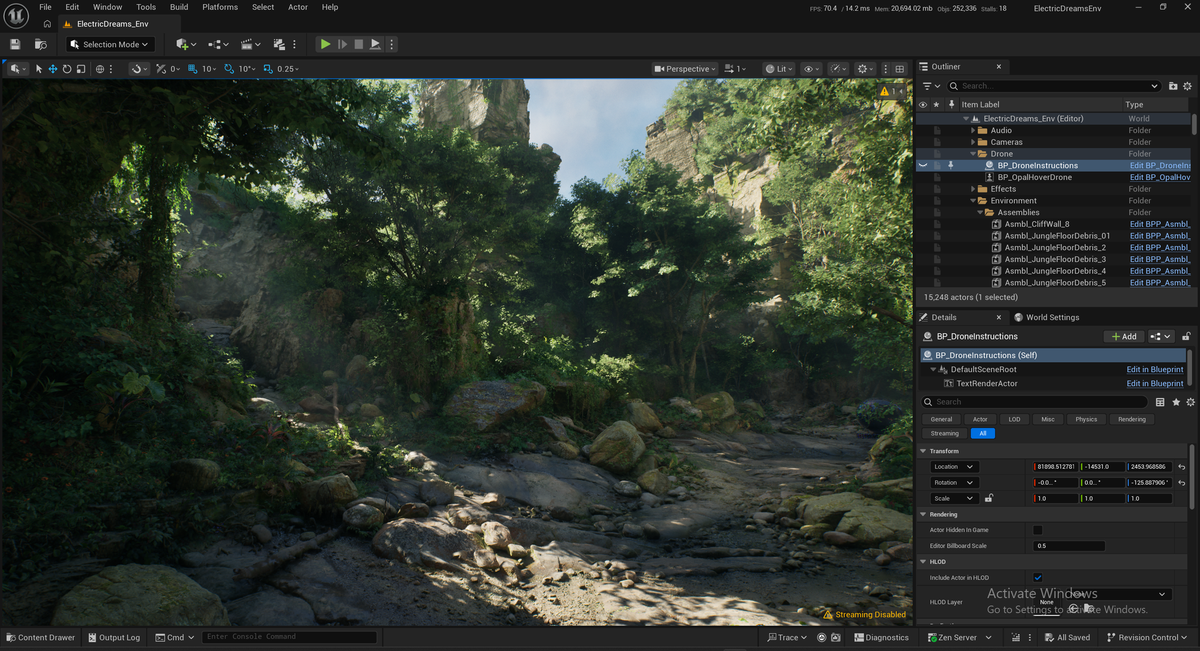
Puget Systems is bringing Unreal Engine into its Puget Bench for Creators benchmarking platform, with a public beta expected late Q3 or early Q4 2026. The announcement came ahead of Unreal Fest 2026 in Chicago.
What Puget Bench for Unreal Engine Does
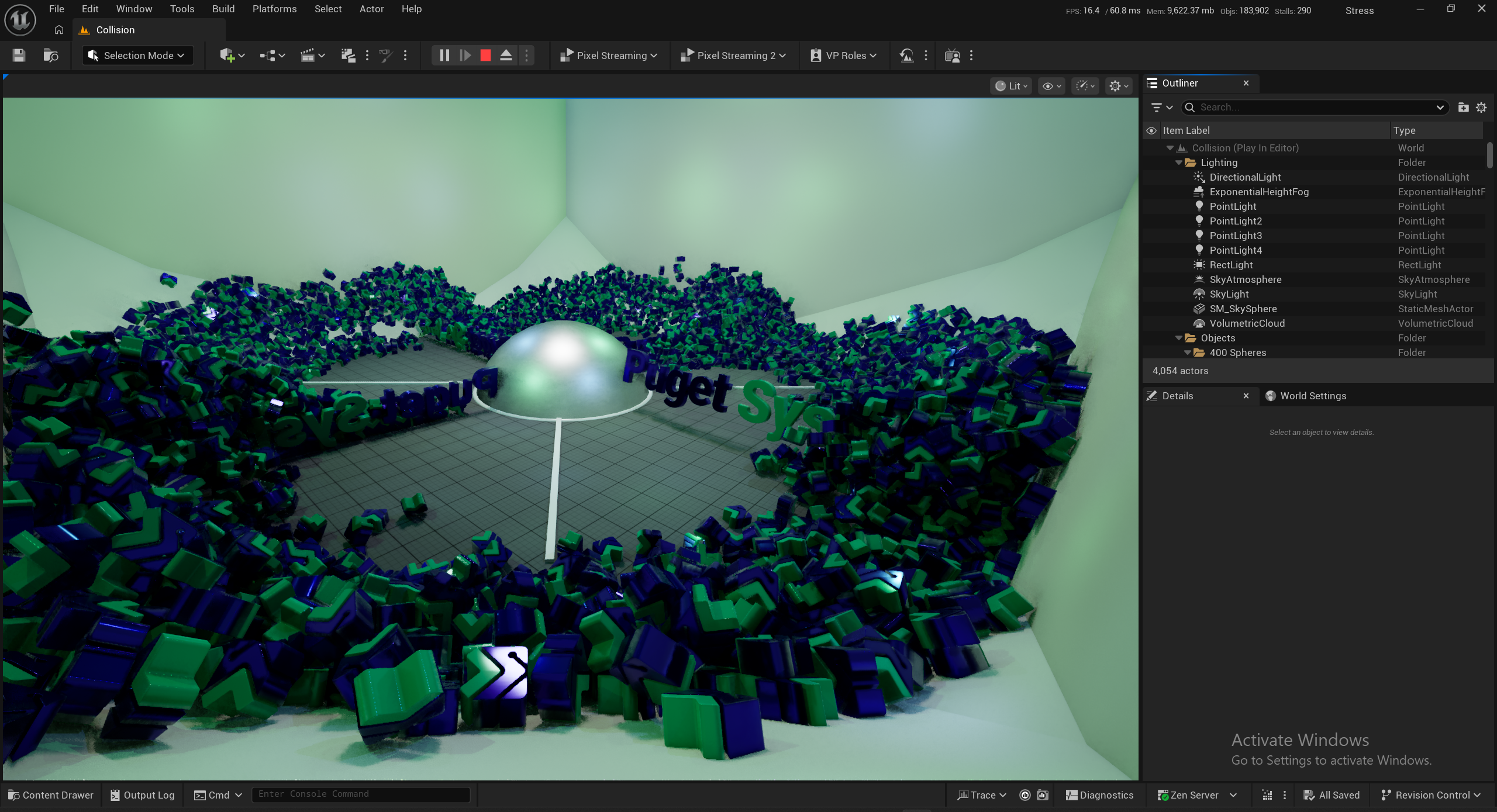
The benchmark runs directly inside a user's own installed Unreal Engine environment — not a synthetic test suite, not a controlled lab build. Tests execute against production-representative workflows: loading complex projects, evaluating viewport performance, processing real-time rendering workloads, and measuring content creation tasks used in professional pipelines.
That distinction matters. Because everything runs inside the application itself, results reflect how CPU, GPU, memory, and storage interact under realistic conditions rather than in isolation.
The practical questions it's designed to answer are ones working artists actually ask. Will new hardware improve a specific workflow? Which components are creating a bottleneck? Is a system performing as expected under production-like loads?
What's Already in the Suite
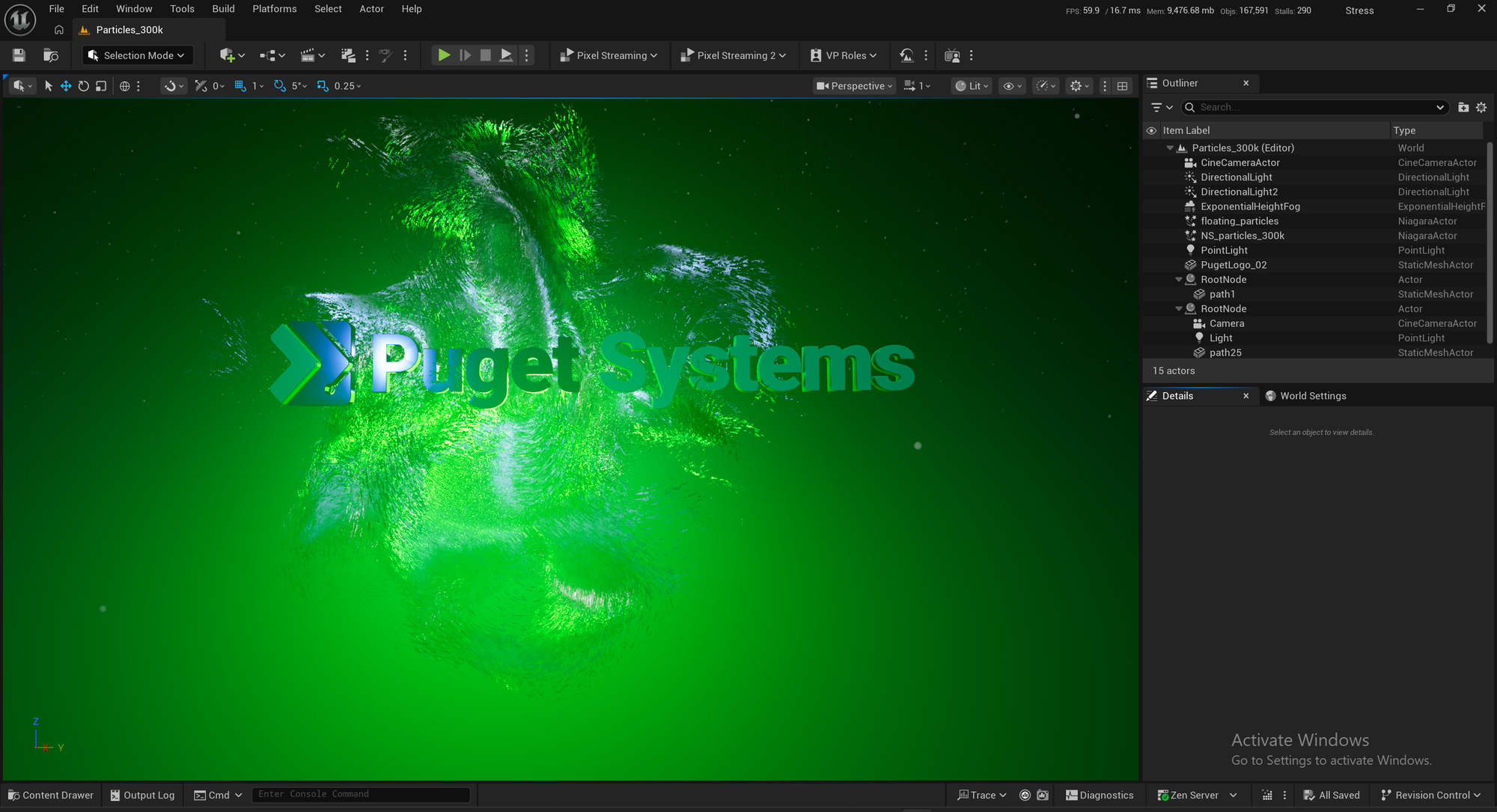
Puget Bench for Creators currently covers Adobe After Effects, Lightroom Classic, Photoshop, Premiere Pro, and DaVinci Resolve. Unreal Engine is the next addition — and notably the first real-time 3D application in the lineup.
The platform runs on both Windows and macOS. Personal use is free. Commercial licensing unlocks local logging, automation, and CLI integration for studios and hardware reviewers who need repeatable, scriptable testing across multiple systems.
Competitive Context
Synthetic benchmarks like Cinebench and 3DMark have long been the default for hardware evaluation, but they've always had a credibility problem with working professionals. A score on a synthetic test doesn't tell you how a system will behave inside a 200GB Unreal project with a full lighting setup and a complex blueprint graph running.
Puget Systems has built its reputation on closing exactly that gap. Their published benchmark data for Premiere Pro, DaVinci Resolve, and After Effects is widely referenced by editors, colorists, and motion graphics artists making hardware decisions. Adding Unreal Engine brings that same methodology to real-time 3D — a workflow category that has grown significantly as virtual production, architectural visualization, and game development converge with traditional filmmaking pipelines.
No direct competitor offers a comparable real-world UE benchmark at this level of transparency and methodology.
The Signal in the Noise
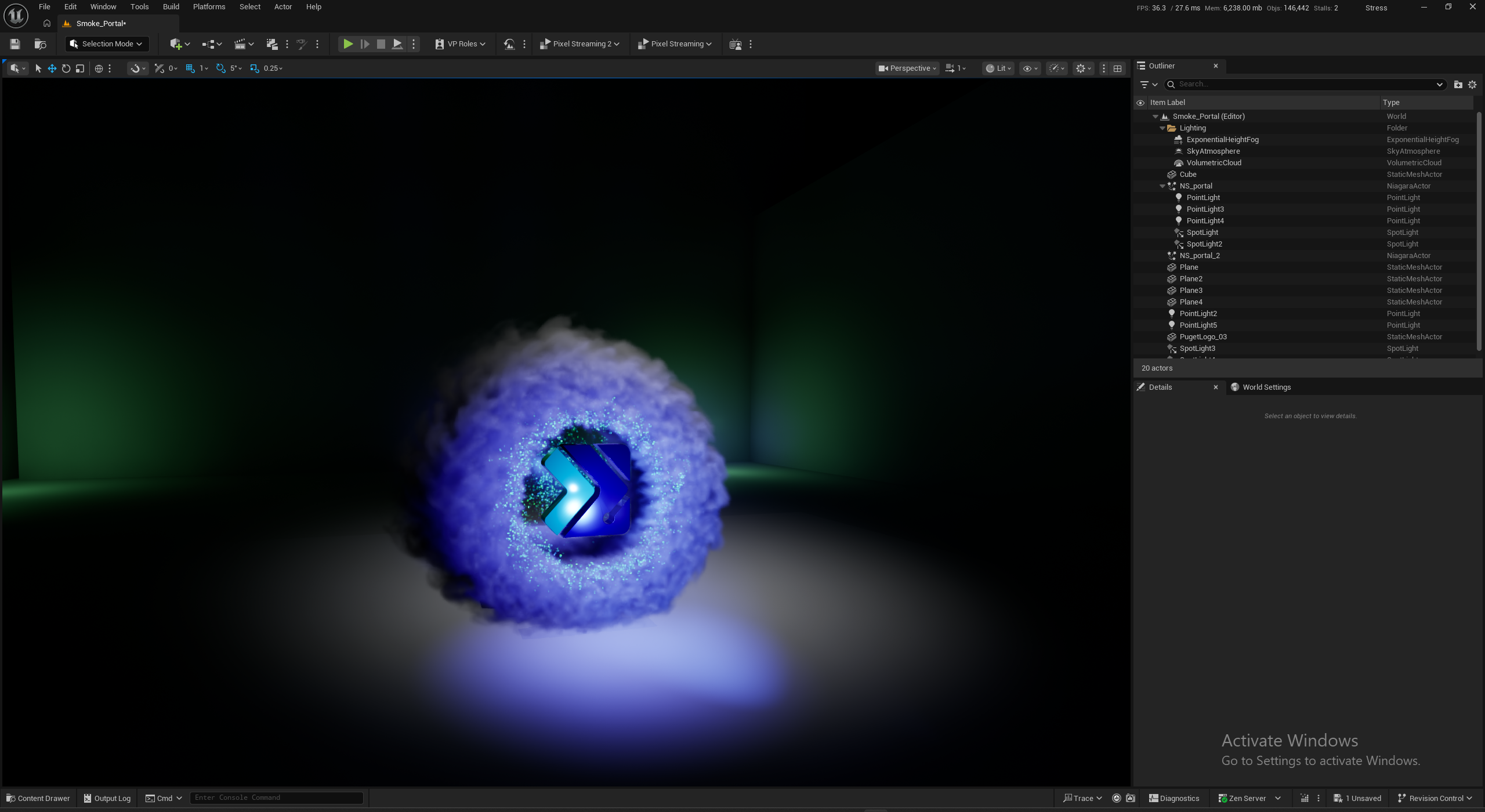
This is a niche story with real utility for a specific audience. If you're a technical director, real-time 3D artist, or virtual production supervisor trying to make workstation decisions, Puget Bench for Unreal Engine is exactly the kind of tool that doesn't exist yet and should.
The beta isn't live until late Q3 at the earliest — so this is a story to bookmark rather than act on immediately. But the waitlist is open now, and Puget's track record suggests the methodology will be worth the wait.
For hardware reviewers covering workstations in the virtual production and VFX space, this also becomes the new standard reference once it ships.
Specs & Pricing
Puget Bench for Unreal Engine is free for personal use and runs on Windows and macOS. Commercial licensing adds local logging, automation, and CLI integration. Public beta is expected late Q3 or early Q4 2026.
Join the waitlist at pugetsystems.com/landing/puget-bench-for-unreal-engine.